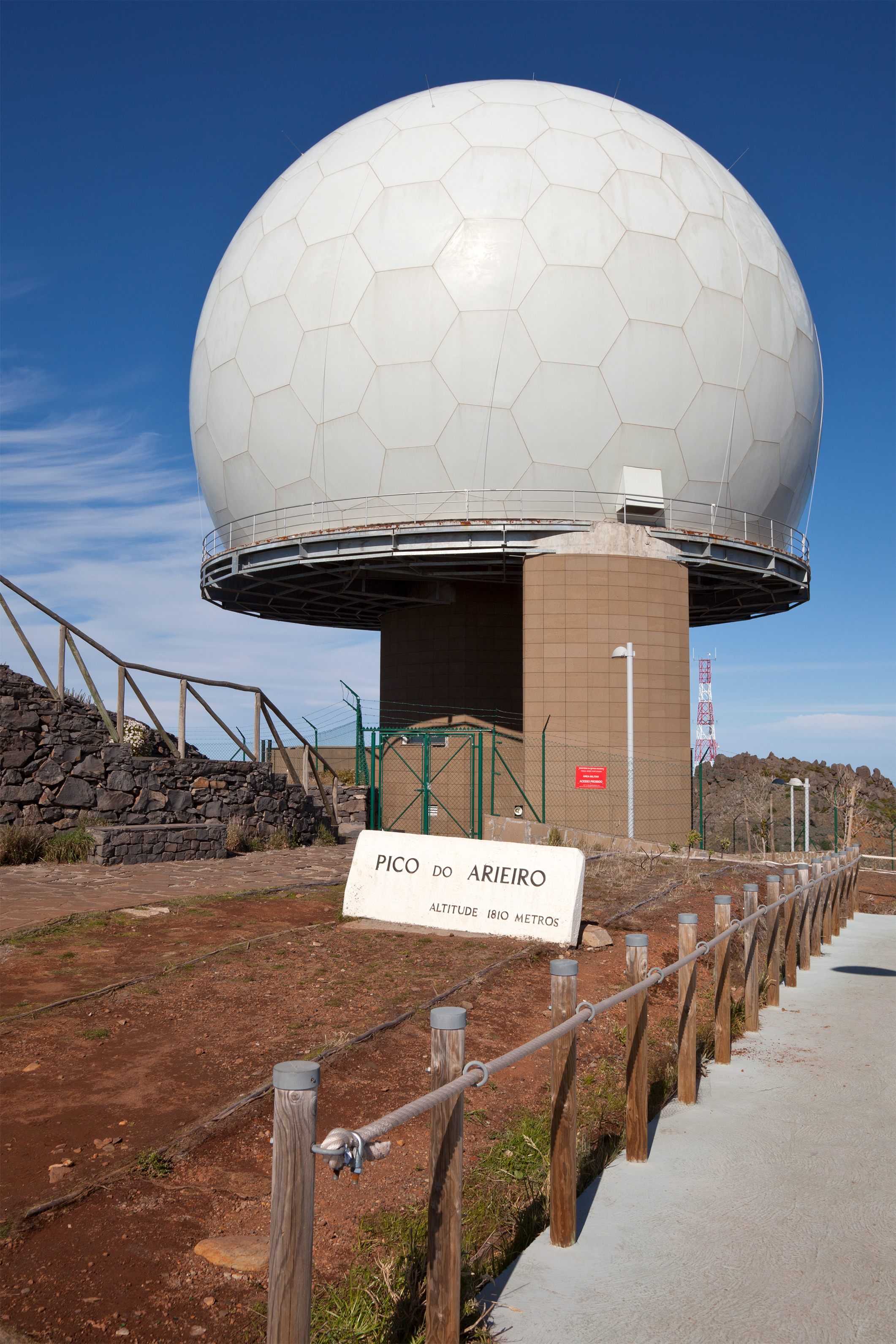
Madeira
Madeira for First-Time Visitors — What to Know Before You Go
A first Madeira trip gets easier when you understand vertical geography, microclimates, base choices and transport before building the sightseeing list.
Explore → OREVYON
Not a chronological dump of guides. Start with the decision you are actually trying to make.
Start with what matters before you book anything.
A first Madeira trip gets easier when you understand vertical geography, microclimates, base choices and transport before building the sightseeing list.
Explore →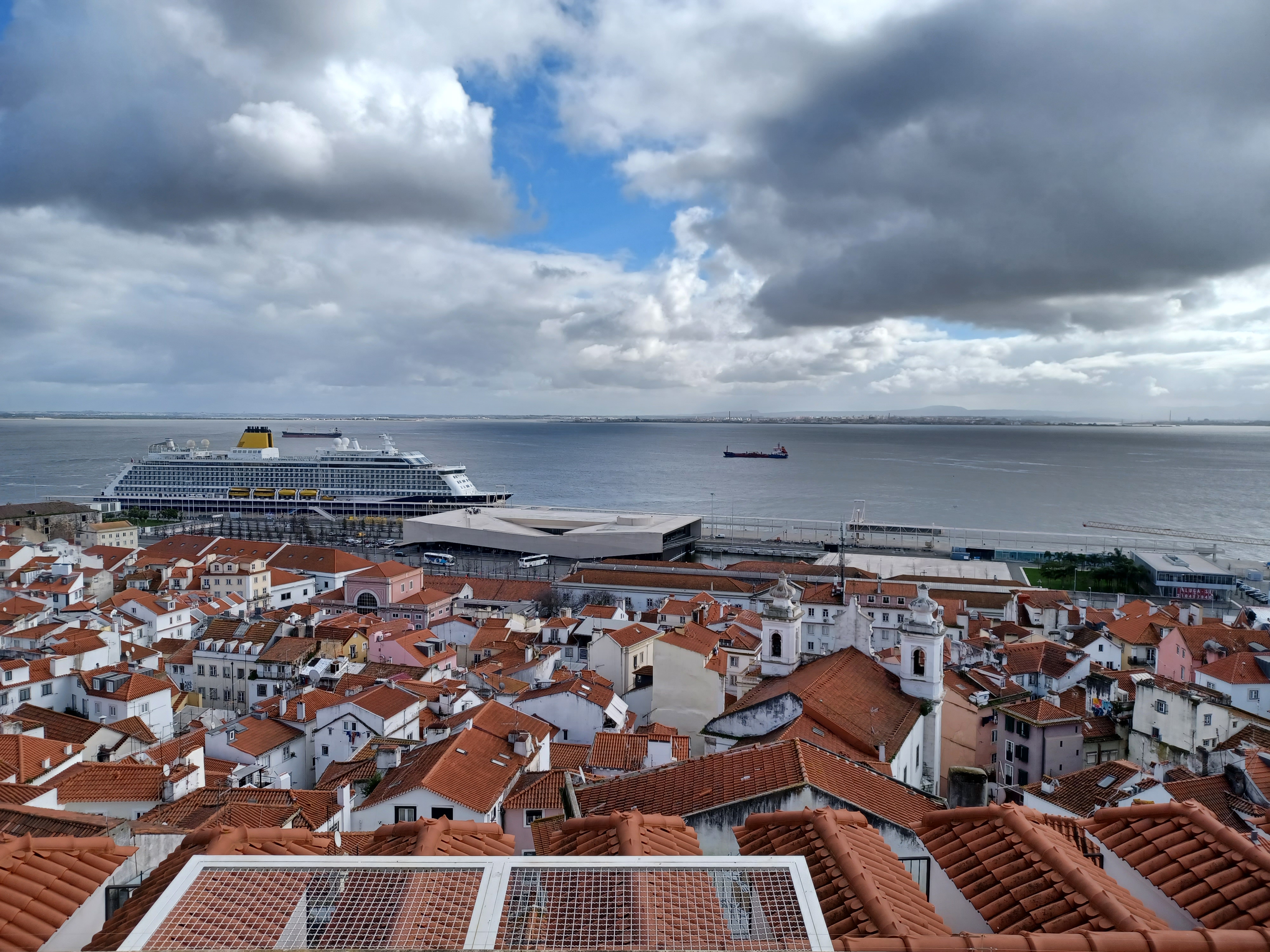
A first Lisbon trip gets easier when you understand its hills, neighbourhoods, transport and day-trip geography before building the sightseeing list.
Explore →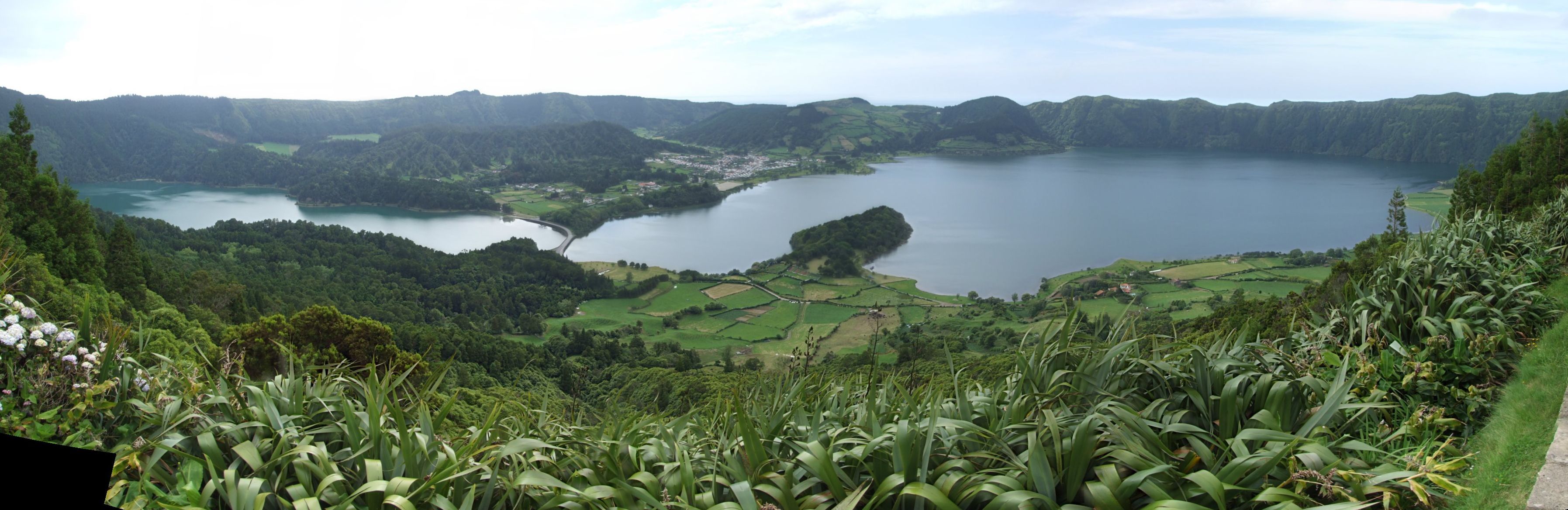
A first São Miguel trip becomes easier once you accept three things: weather moves the itinerary, a car unlocks flexibility, and crater lakes, thermal valleys and Ponta Delgada need different kinds of time.
Explore →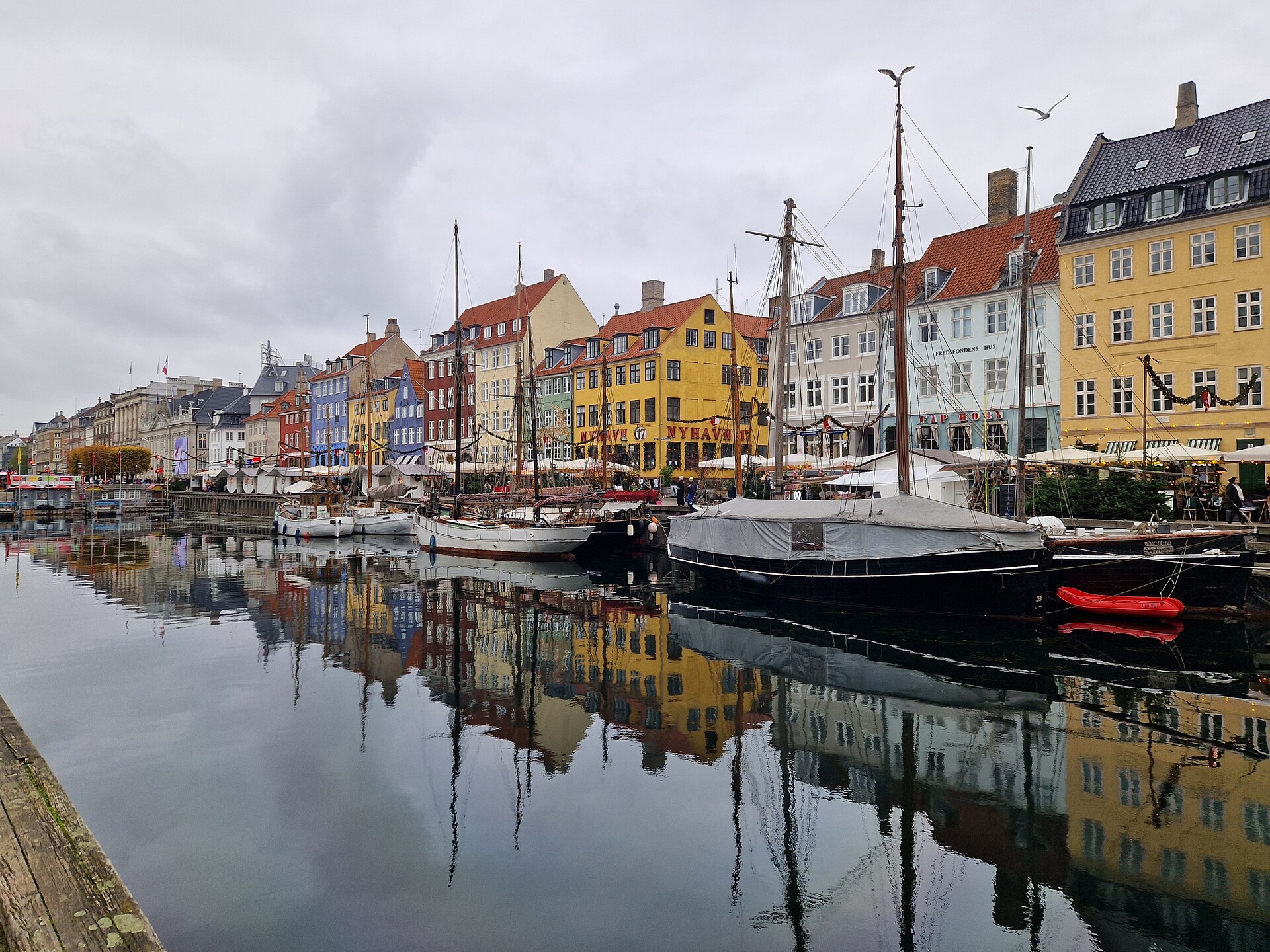
A first Copenhagen trip becomes easier once you understand that the city's main strength is not a list of sights but how compact neighbourhoods, cycling, metro, harbour and food fit together.
Explore →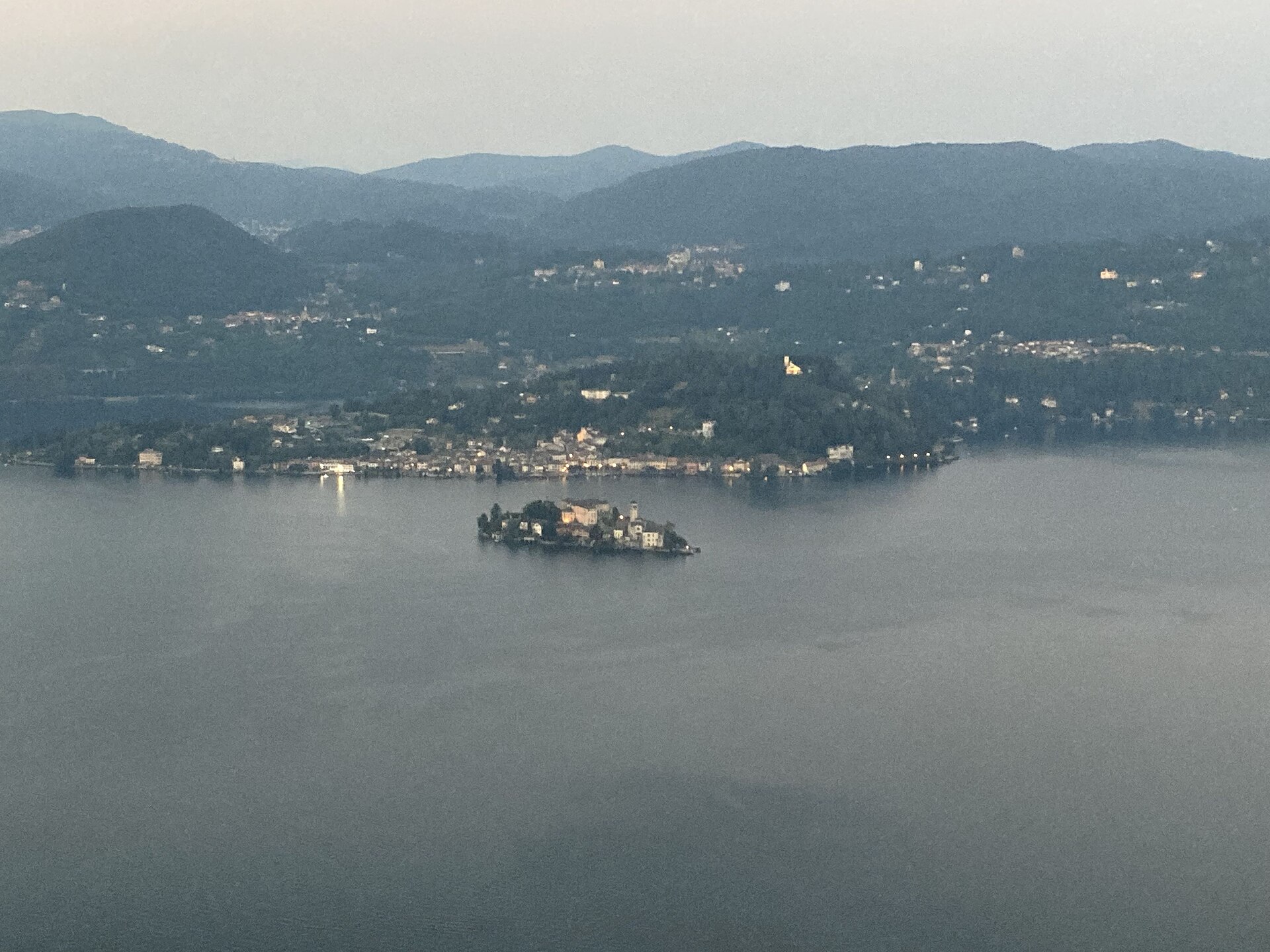
A first Lake Orta trip works best when you understand how small the lake is, how much Orta itself carries the stay and why boats, Sacro Monte and quiet repetition matter.
Explore →
A first Ljubljana trip becomes easier once you understand that its strength is proportion: compact scale, pedestrian streets, river life, Plečnik architecture, food and green space fit together without much transport.
Explore →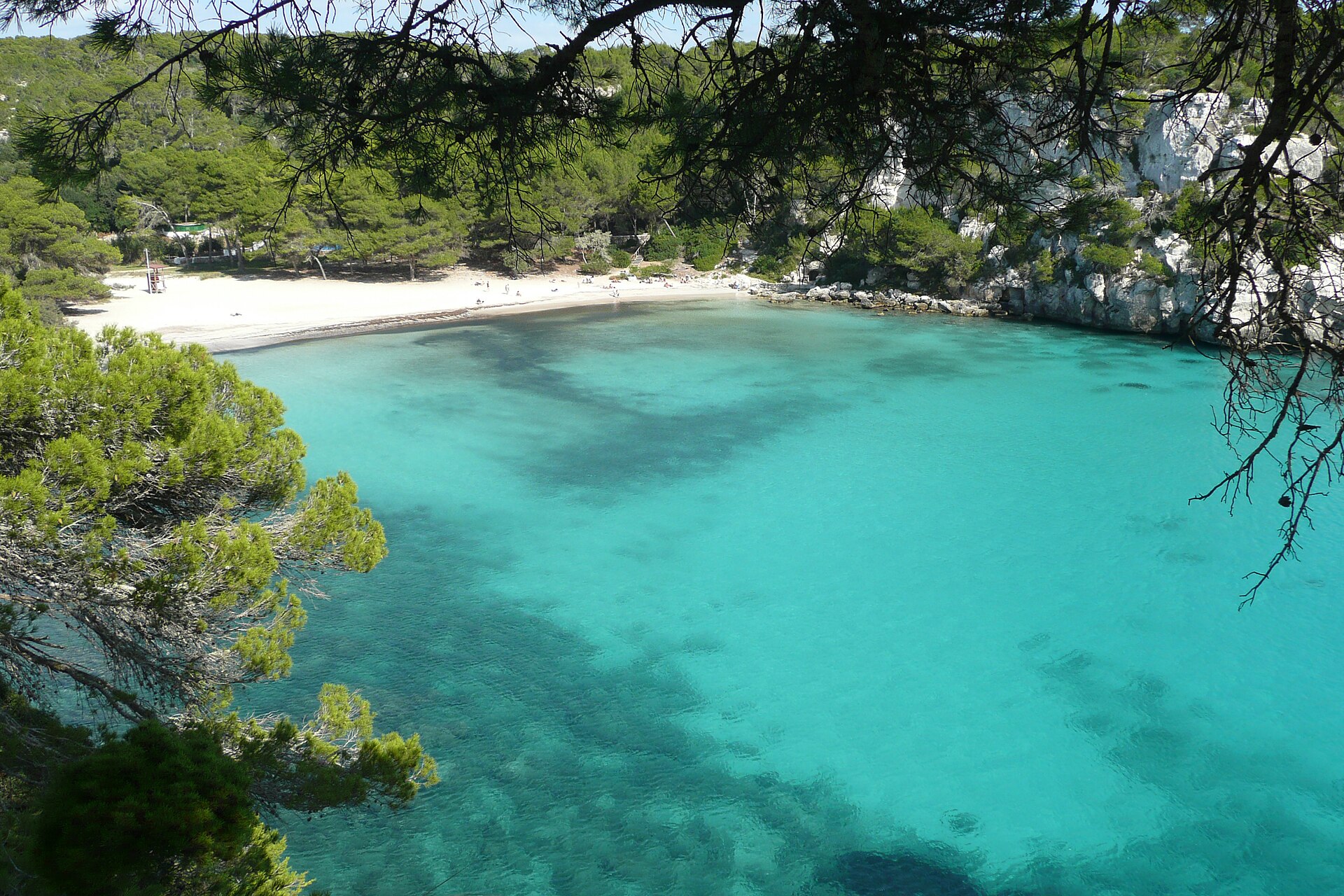
A first Menorca trip gets better when you understand its north-south coast contrast, base choice, cove access, slower rhythm and why trying to see every beach usually works against the island.
Explore →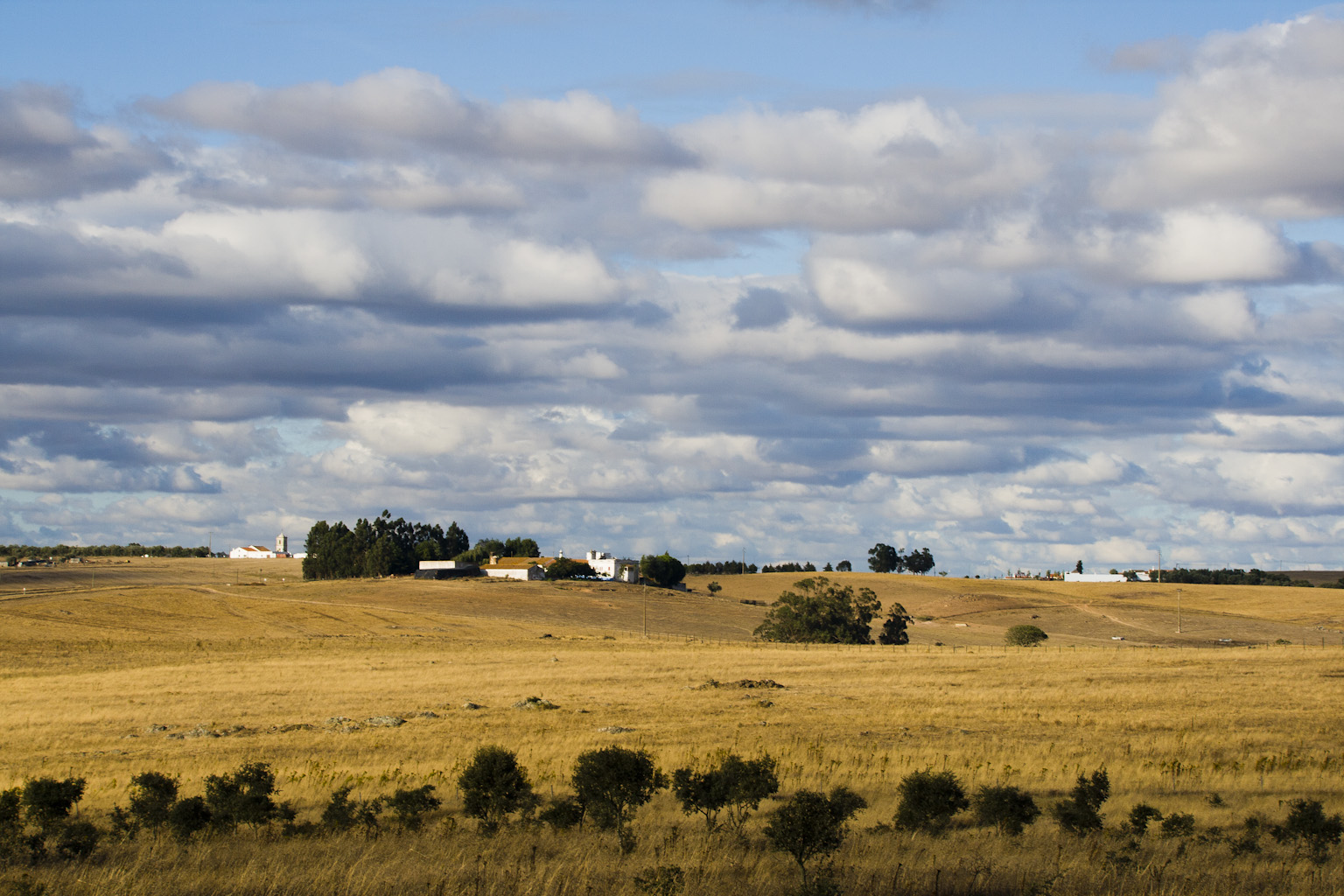
First time in Alentejo? Choose a small number of bases, accept the distance and let wine, landscape and long meals set the pace.
Explore →Season, light, crowds and the version of a place that fits you.
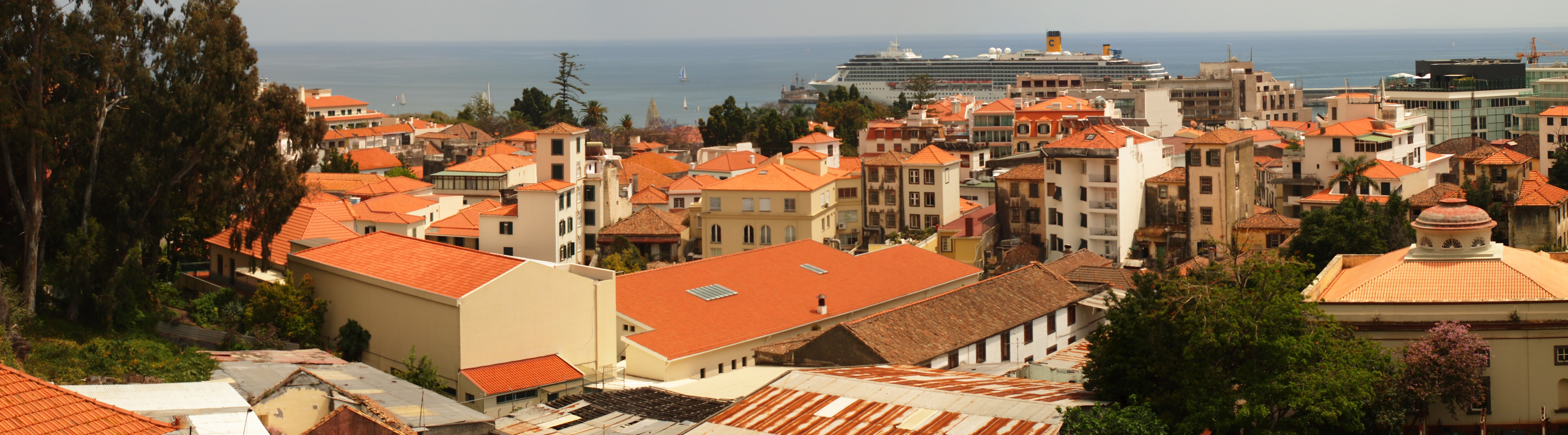
Winter does not turn Madeira into guaranteed sun. It creates a milder Atlantic trip with greener landscapes, Funchal energy and more need for weather-flexible nature days.
Explore →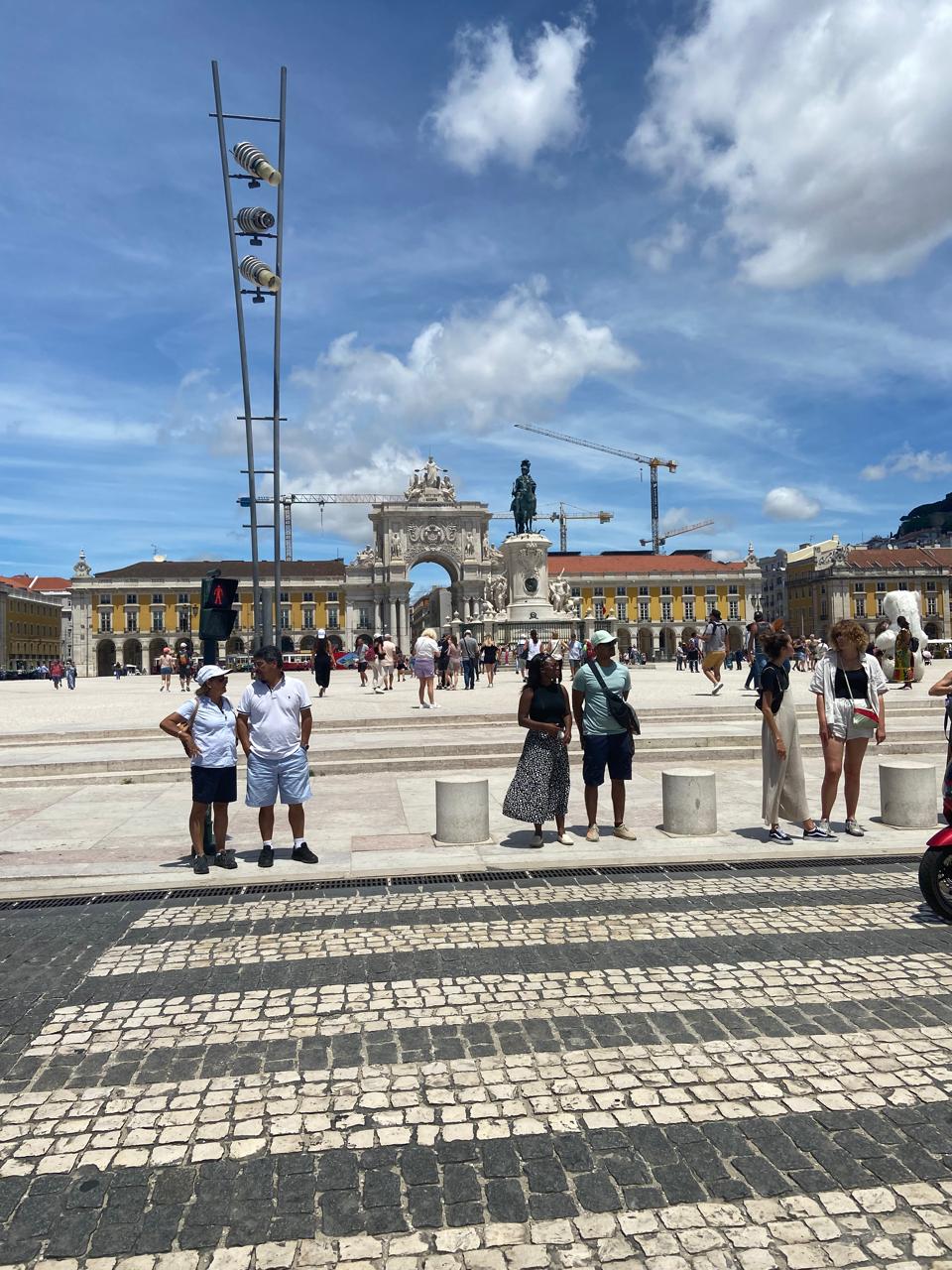
Winter does not make Lisbon empty or sun-guaranteed. It creates a milder Atlantic city trip with shorter days, stronger indoor depth and more room for neighbourhood life.
Explore →
Winter keeps São Miguel green and mild but makes weather flexibility more important. Thermal landscapes, Ponta Delgada and movable crater days become the anchors of the trip.
Explore →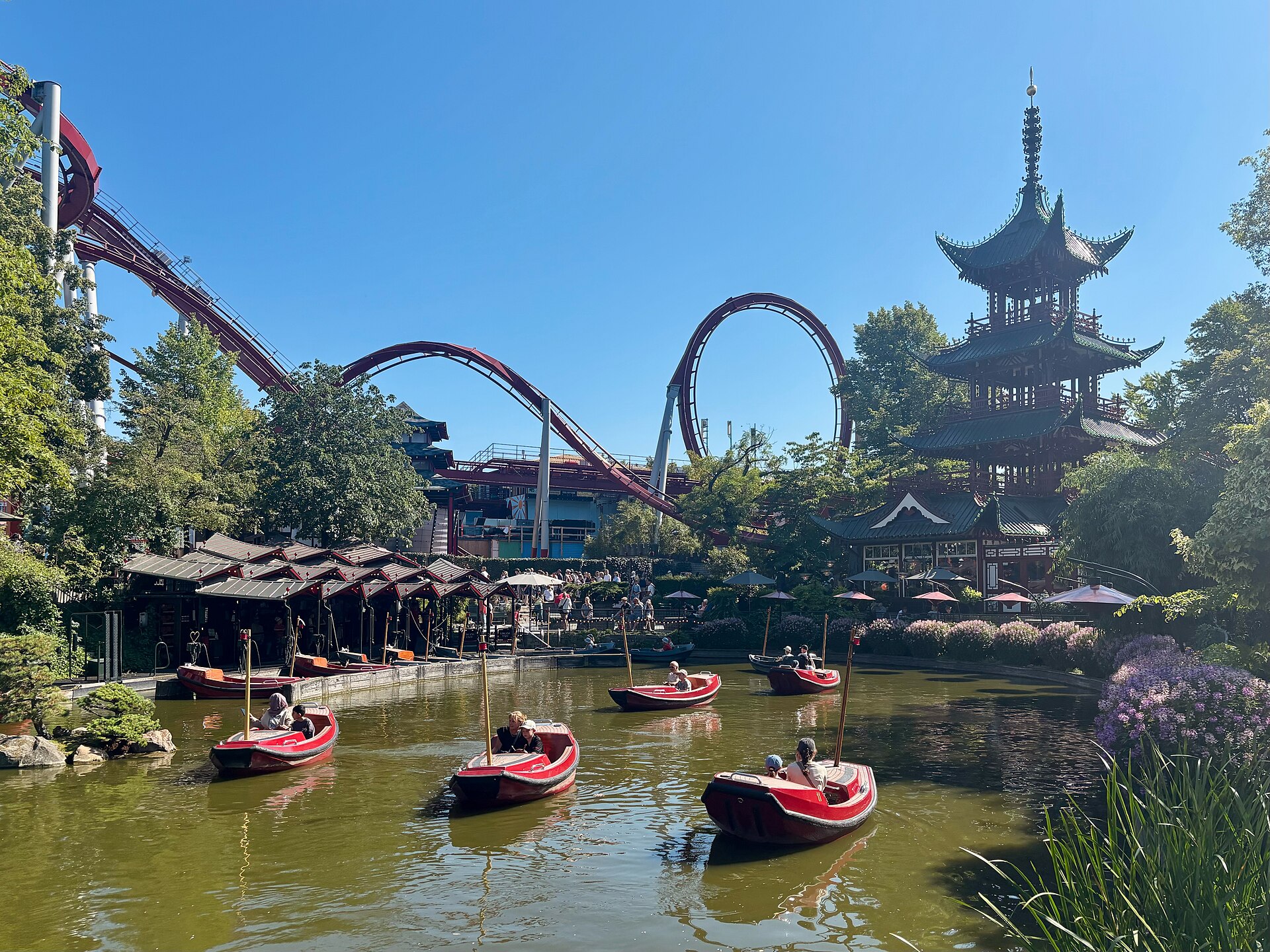
Winter makes Copenhagen darker and more indoor-led, but it also concentrates the city around food, design, museums and neighbourhood atmosphere rather than outdoor sightseeing.
Explore →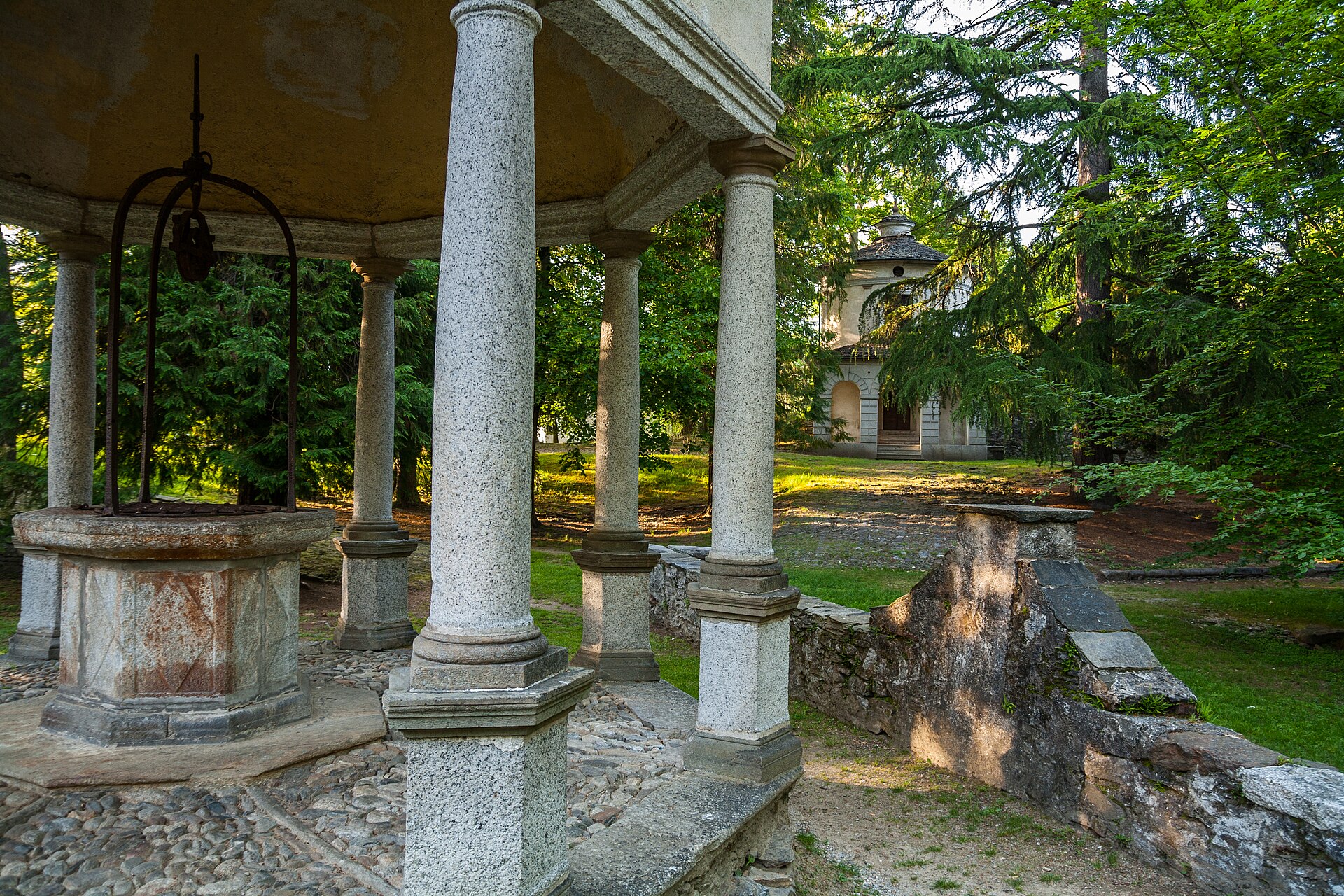
Autumn shifts Lake Orta away from pure lake leisure toward walking, woodland colour, food and quieter villages, while seasonal boat patterns make planning more deliberate.
Explore →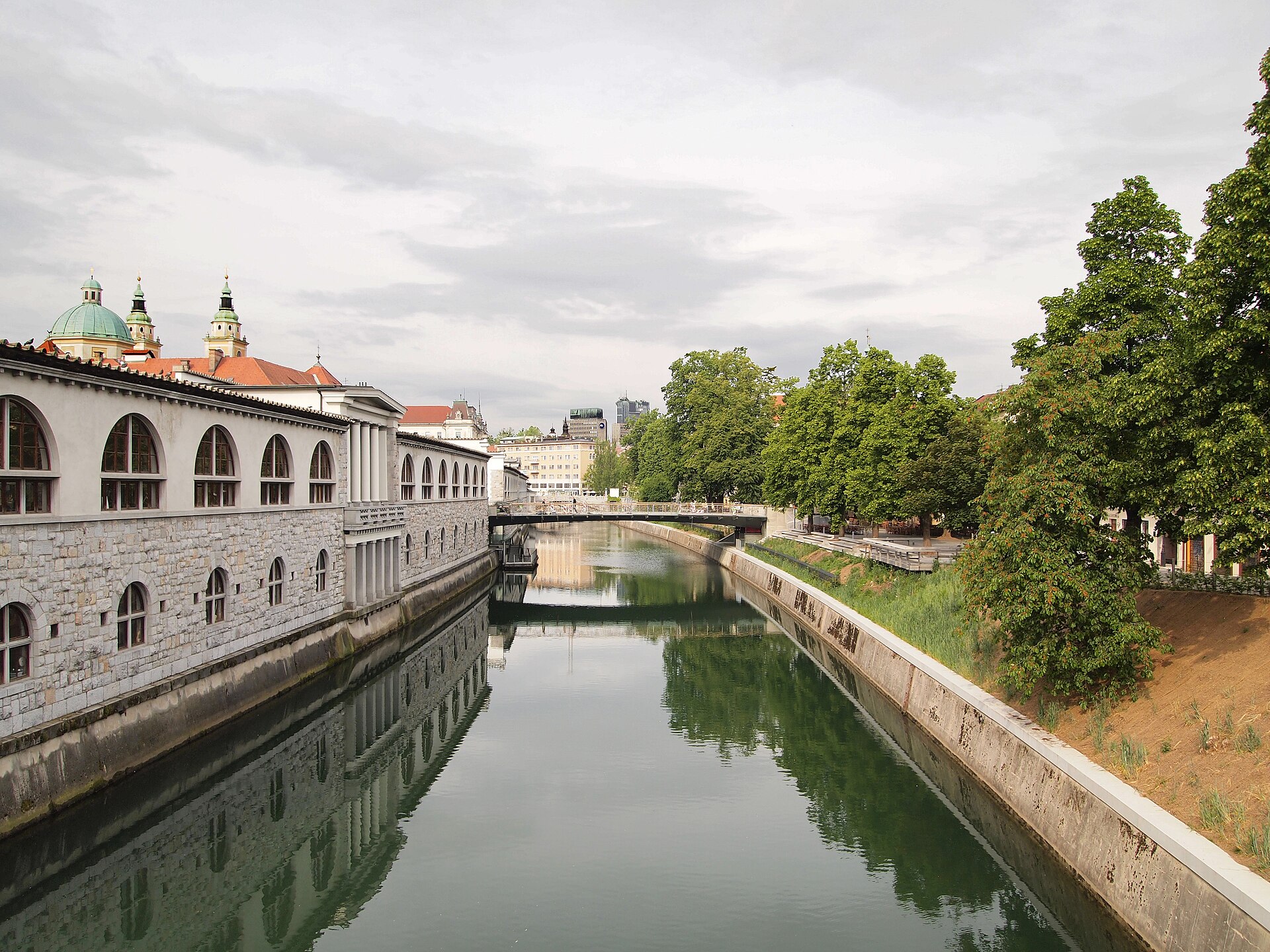
Winter compresses Ljubljana around river lights, cafés, food, culture and festive public space. Its small scale becomes an advantage when daylight is short.
Explore →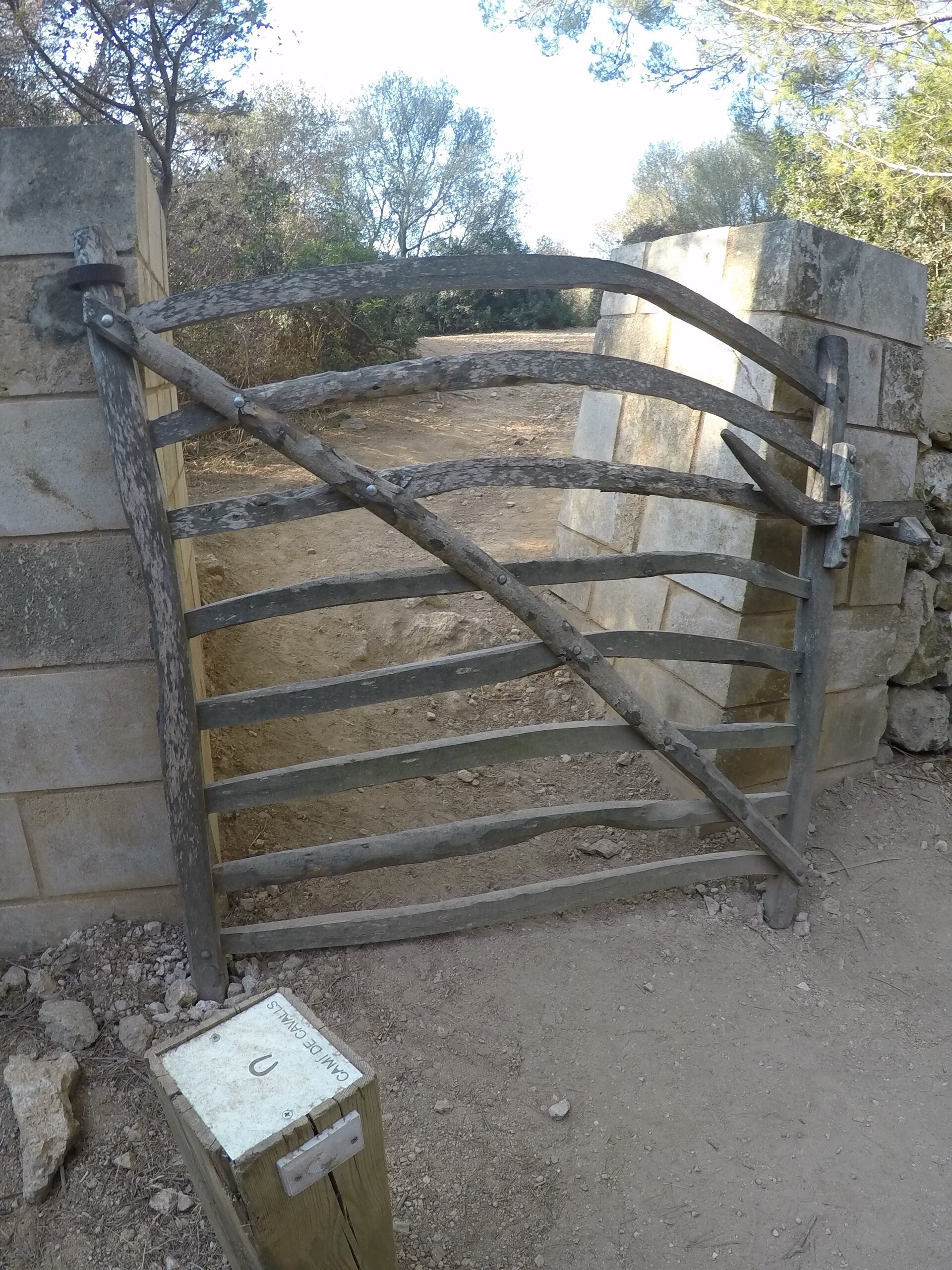
Late spring and early autumn reveal a different Menorca: better walking, softer roads, more space at the coast and more reason to notice food, towns and landscape beyond the beach.
Explore →
Shoulder season only works when a destination gains something from fewer people, milder movement or stronger local rhythm. These places do more than become cheaper outside peak summer.
Explore →Choose the base that changes every morning and evening for the better.
Funchal, Ponta do Sol, Calheta, Porto Moniz, São Vicente or Machico? Choose your Madeira base by geography, evening fit, nature access and road friction.
Explore →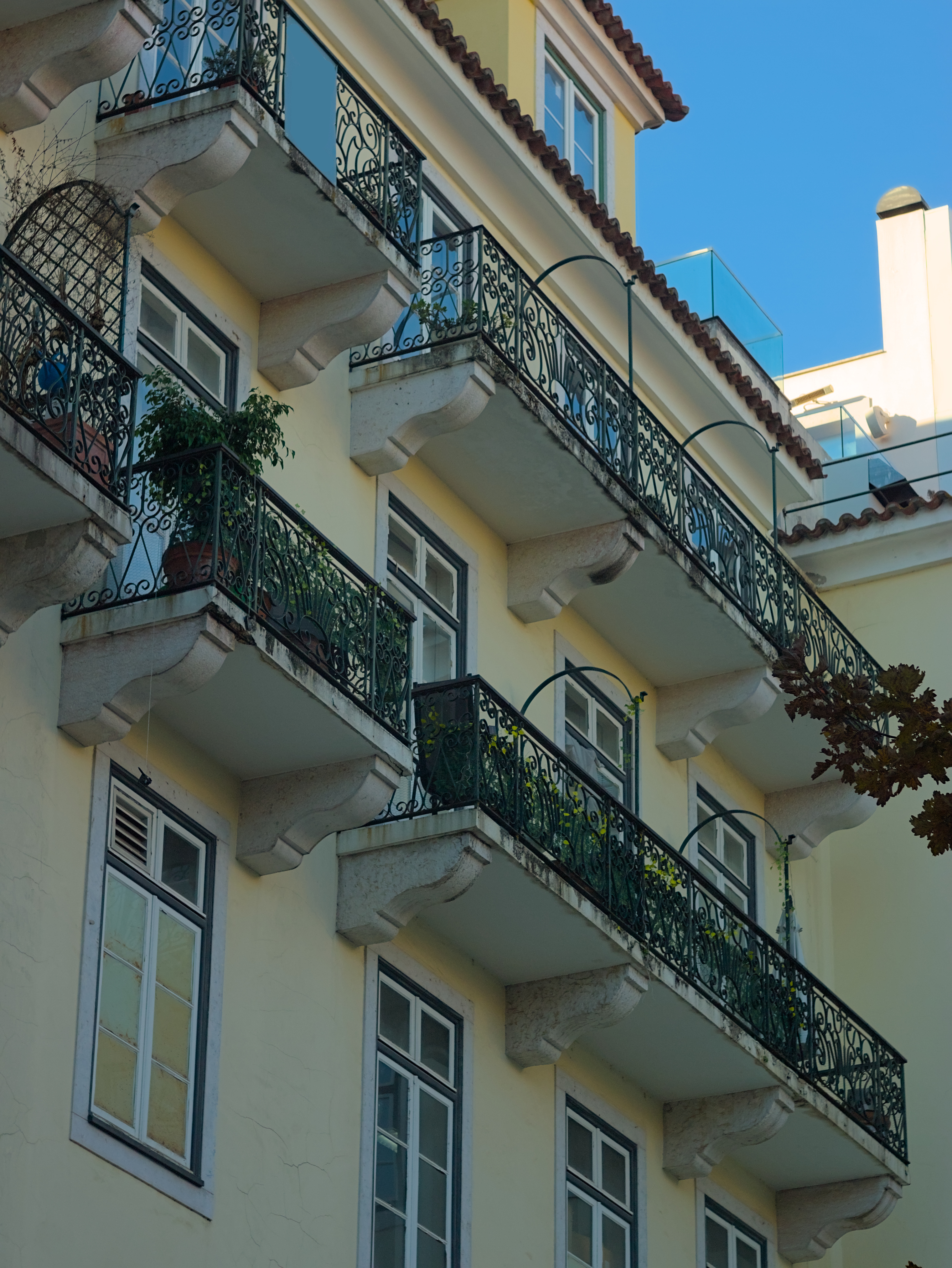
Baixa, Alfama, Príncipe Real, Estrela, Cais do Sodré or Belém? Choose your Lisbon base by evening fit, hills, mobility and the way you actually travel.
Explore →
Where you stay on São Miguel changes driving time, evening depth and weather flexibility. Ponta Delgada is the strongest default; Furnas earns a split stay when thermal depth really matters.
Explore →Where you stay in Copenhagen changes the evening more than the sightseeing. Indre By, Vesterbro, Nørrebro, Christianshavn and Frederiksberg create distinct versions of the same compact city.
Explore →
Your Lake Orta base changes the trip more than the lake’s size suggests: Orta San Giulio gives atmosphere, Pettenasco gives lakeside calm and Omegna adds practical town depth.
Explore →Where you stay in Ljubljana changes atmosphere more than access. Old Town and the river maximise immediacy; the centre is practical; Trnovo/Krakovo and Tivoli create quieter versions of the same compact city.
Explore →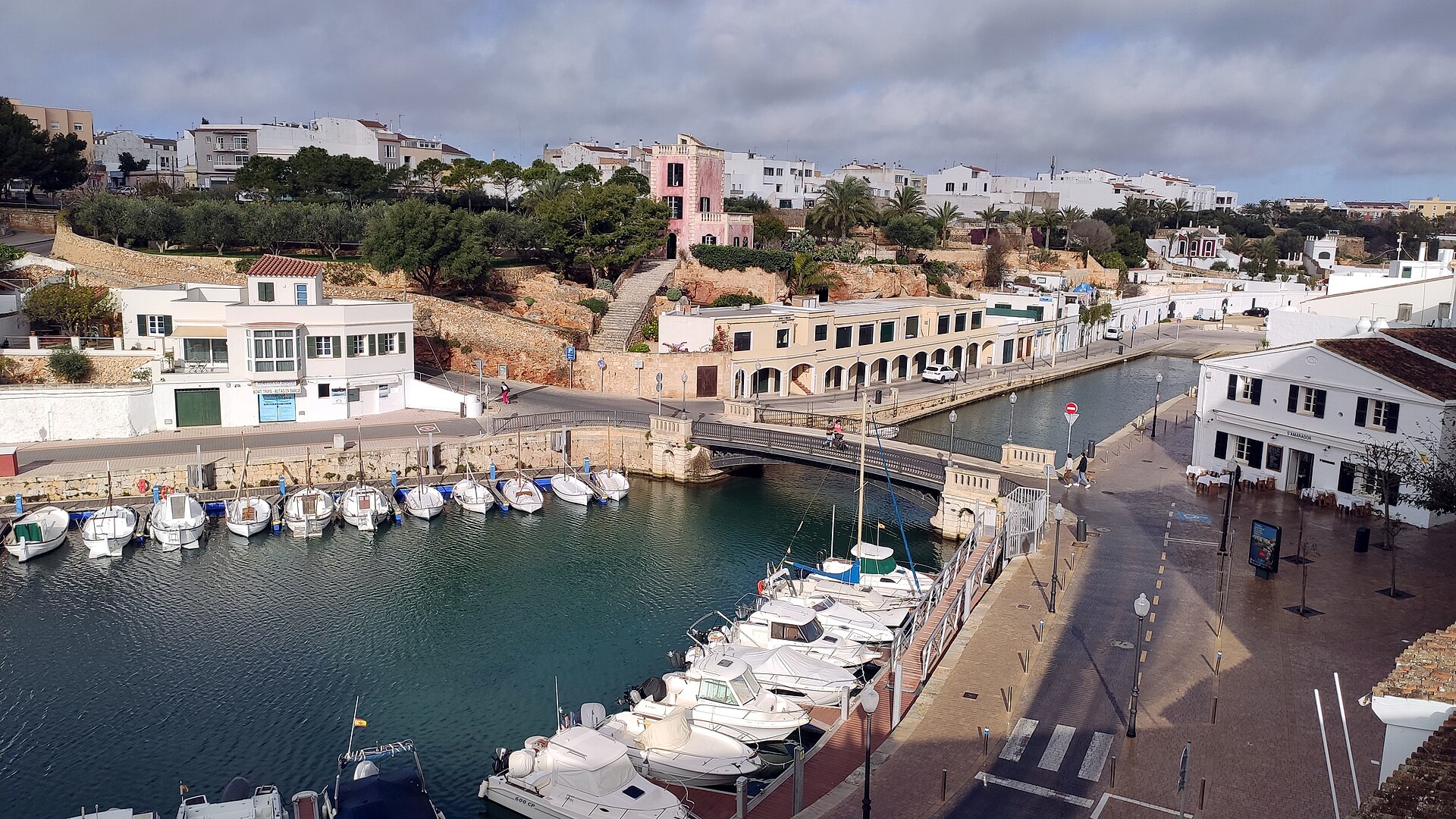
Where you stay in Menorca determines evenings, driving time and how often the coast becomes a transfer. Ciutadella, Maó and coastal bases create very different trips.
Explore →Where you stay in Alentejo determines whether the trip feels cultural, wine-led, rural or Atlantic; choose the regional chapter before the hotel.
Explore →Car, bike, rail or foot — based on the trip, not habit.
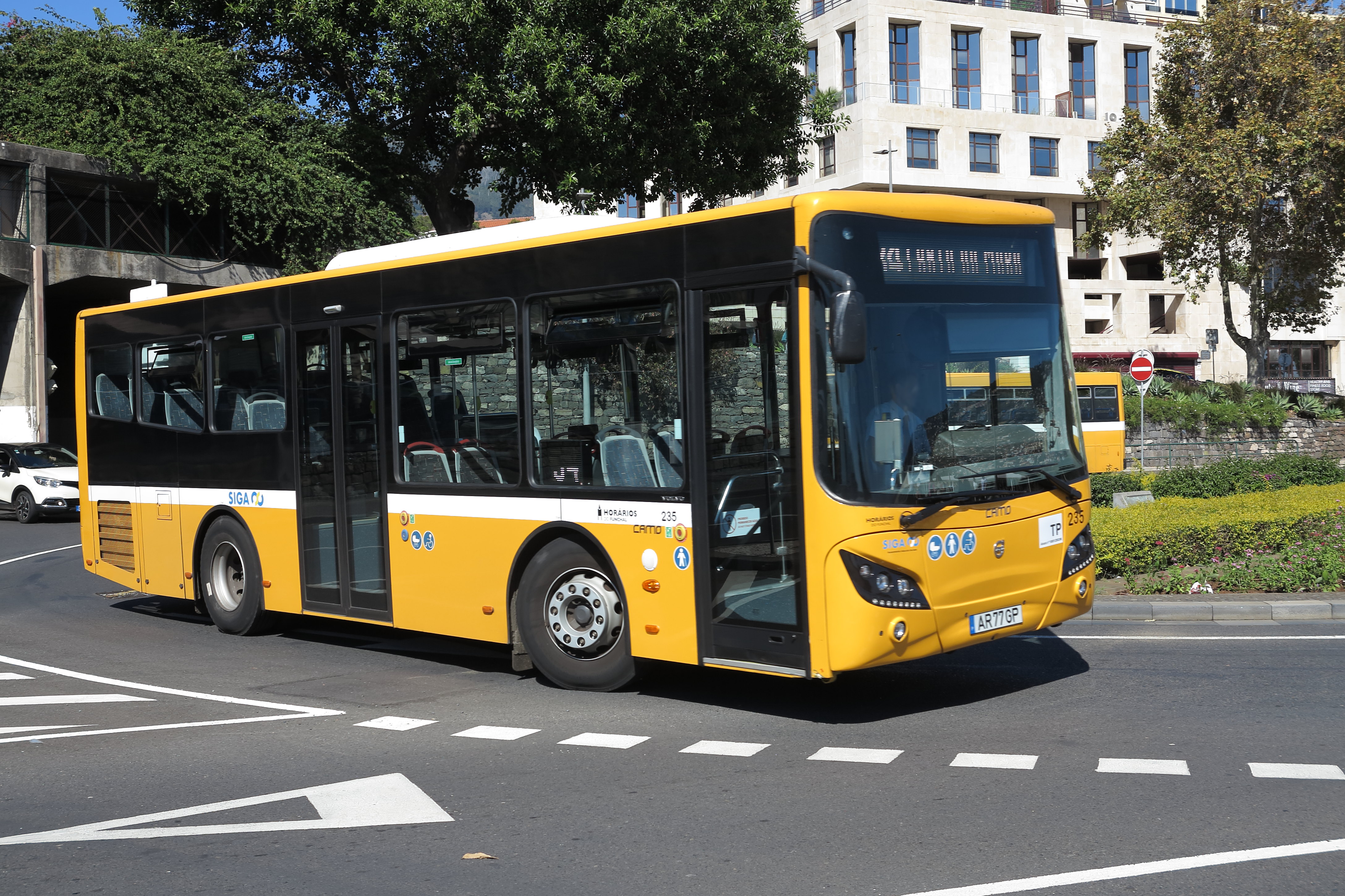
Can you explore Madeira without a car? Yes — if you design the trip differently. Compare buses, taxis, transfers, hiking access and when self-drive actually earns its place.
Explore →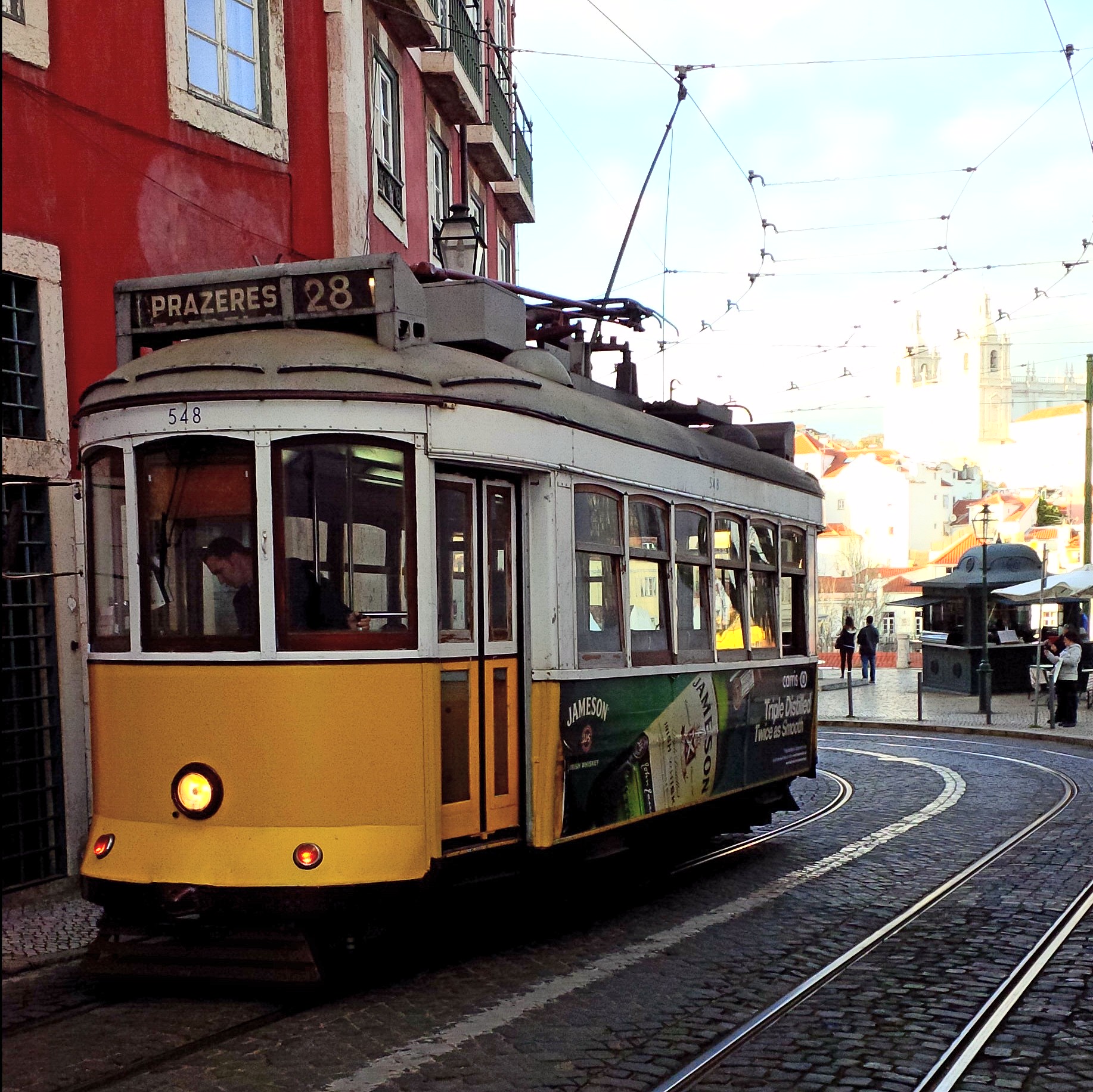
Lisbon is excellent without a rental car — if you combine neighbourhood walking, Metro, trams and urban trains instead of trying to walk everywhere.
Explore →São Miguel can be visited without driving, but it becomes a narrower and less weather-responsive trip. Ponta Delgada works well; crater-lake and trail days require more structure.
Explore →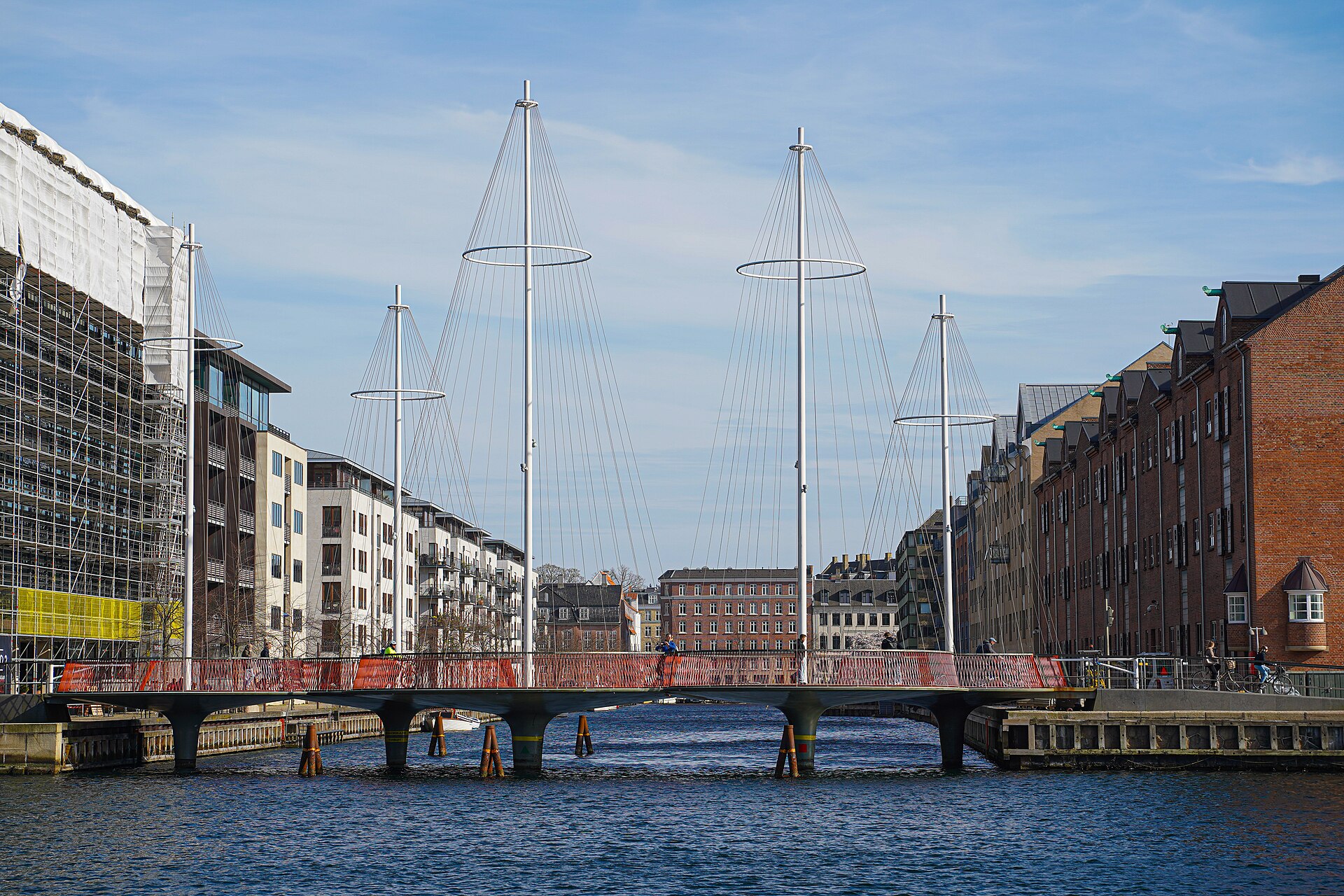
Copenhagen is one of the rare capitals where not having a car improves the trip. Walking, cycling, metro, trains and harbour transport already match the city's natural travel logic.
Explore →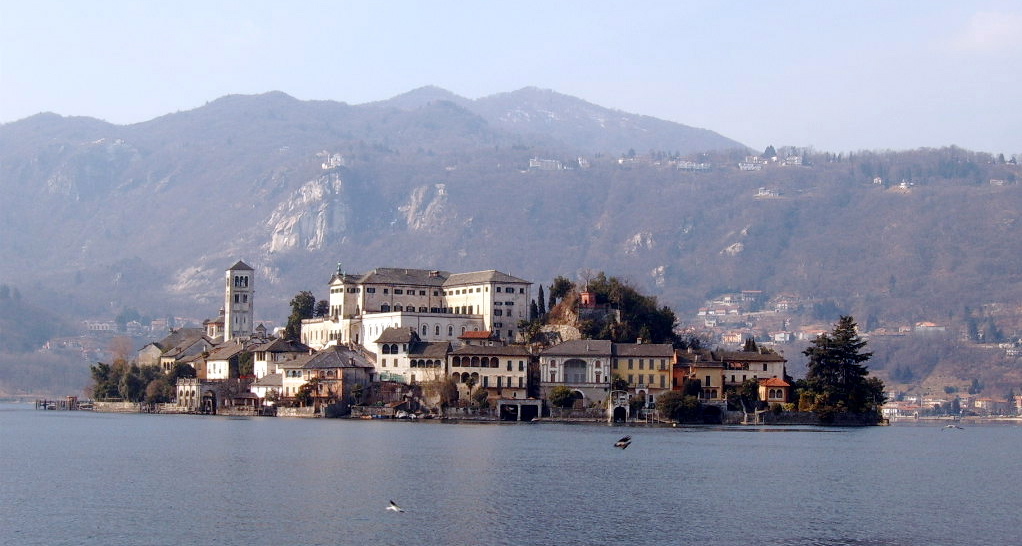
Lake Orta can work without a car when you base carefully around Orta, Pettenasco or Omegna and use trains, boats and walking. Wider shore flexibility remains more seasonal.
Explore →Ljubljana is one of Europe's easiest capitals without a car. A pedestrian-friendly centre, short distances, cycling and light public transport make private driving unnecessary for the city itself.
Explore →Menorca can work without a car if your trip is built around towns, selected bus-linked areas, walking and cycling. It becomes harder when remote coves and flexible coast-hopping are the priority.
Explore →Évora can work without a car, but the deeper Alentejo experience is usually stronger with self-drive because vineyards, hill towns, rural hotels and coast are dispersed.
Explore →Build days around geography and rhythm rather than attraction count.
Five days in Madeira should not become five road loops. This route groups Funchal, the east, mountains, north-west and southwest into a slower, weather-flexible Journey.
Explore →A smarter three-day Lisbon route built around geography, day rhythm, hills, one major anchor per day and enough space to actually enjoy the city.
Explore →Five days is enough for a strong first São Miguel trip when west, central-north, Furnas and Ponta Delgada are treated as separate chapters instead of crossed repeatedly.
Explore →Three days is enough for a strong first Copenhagen trip when harbour, historic centre, food, design and neighbourhoods are grouped instead of chased as separate sights.
Explore →Three days is enough to understand Lake Orta when Orta San Giulio, Isola San Giulio, Sacro Monte and one wider-lake day are allowed to breathe.
Explore →Three days lets Ljubljana breathe: one day for river and old town, one for Plečnik, market and neighbourhood life, and one for Tivoli, culture and a slower edge beyond the postcard centre.
Explore →
Five days is enough for a strong Menorca trip when you divide the island by coast, base and travel rhythm rather than trying to collect every famous beach.
Explore →A five-day Alentejo route should choose depth over coverage: anchor in Évora, add one rural or wine chapter and resist turning the coast into a rushed detour.
Explore →Compare the experience, not the popularity.
Madeira and São Miguel are both green Atlantic islands, but they organise a week very differently: Madeira is more vertical and hiking-led; São Miguel is broader, thermal and road-trip oriented.
Explore →Lisbon or Porto? Compare scale, neighbourhood rhythm, river and coast, food and wine, evenings and trip length to choose the city that fits your travel style.
Explore →Madeira and São Miguel are both green Atlantic islands, but they organise a week very differently: Madeira is more vertical and hiking-led; São Miguel is broader, thermal and road-trip oriented.
Explore →Copenhagen and Stockholm are both design-led Nordic capitals, but Copenhagen is more compact and bike-led while Stockholm spreads the Journey across islands, water and a broader museum geography.
Explore →Lake Orta and Lake Como offer very different lake trips: Orta is compact, intimate and easy to edit; Como brings more towns, transport layers, villas and geographic scale.
Explore →Ljubljana and Zagreb are close regional capitals with very different scales: Ljubljana is compact, river-led and easy to inhabit; Zagreb offers a larger urban canvas, broader cultural depth and stronger tram-city rhythm.
Explore →Menorca and Mallorca share a Mediterranean setting but offer very different scale and depth: Menorca is smaller and quieter; Mallorca adds Palma, mountains and far more geographic variety.
Explore →Alentejo or Algarve? Compare inland space, wine, road-trip rhythm and Atlantic coast style rather than asking which Portuguese region is universally better.
Explore →Food, design, hiking, thermal landscapes and the details worth travelling for.
Madeira’s best walking day depends on altitude, forest, coast, weather and how much friction you want. OREVYON compares hiking styles rather than pretending one trail fits everyone.
Explore →
Pastelaria mornings, bacalhau, sardines, seafood, Belém, markets and neighbourhood dinners — a Lisbon food guide built around rhythm, season and place.
Explore →São Miguel's geothermal identity is not one hot spring. Furnas, Caldeira Velha and Ponta da Ferraria create three distinct thermal experiences that fit different kinds of day.
Explore →
Copenhagen's food strength is not only fine dining. Markets, bakeries, casual counters, wine bars and neighbourhood restaurants can shape the entire city day.
Explore →Lake Orta becomes more than a pretty lake through two places facing each other: the quiet island of San Giulio and the wooded UNESCO chapels of Sacro Monte.
Explore →The best way to understand Plečnik's Ljubljana is not building by building. Bridges, market structures, river edges and public space form one connected urban idea.
Explore →The best Menorca cove is not automatically the most famous. South versus north, walking access, exposure and crowd pressure should decide where your beach day goes.
Explore →Alentejo's signature is the long evening: wine estates, white villages, open landscape and low-key nights make slowness itself part of the destination.
Explore →Comparative and practical reads across destinations.

Food in Borneo (Sabah) is not a detached list of reservations. Its culinary role is clear: Present, but not the primary reason to travel. The destination itself is summarised this way: Sabah combines remote wildlife, marine parks, and dramatic natural range. Eating creates the most value when it works with the geography, pace and reason you came here.
Explore →
Food in Okavango Delta is not a detached list of reservations. Its culinary role is clear: Present, but not the primary reason to travel. The destination itself is summarised this way: A remote wetland world of wildlife, water channels, and quiet camps. Eating creates the most value when it works with the geography, pace and reason you came here.
Explore →
Food in Banff & Lake Louise is not a detached list of reservations. Its culinary role is clear: Present, but not the primary reason to travel. The destination itself is summarised this way: Banff and Lake Louise pair iconic Canadian Rockies scenery with unusually strong shuttle and transit systems for a mountain destination. Eating creates the most value when it works with the geography, pace and reason you came here.
Explore →
Food in Beijing is not a detached list of reservations. Its culinary role is clear: A meaningful part of the destination experience. The destination itself is summarised this way: Beijing pairs world-class heritage sites with serious urban dining and museum density. Eating creates the most value when it works with the geography, pace and reason you came here.
Explore →
Food in Cartagena is not a detached list of reservations. Its culinary role is clear: A meaningful part of the destination experience. The destination itself is summarised this way: Cartagena pairs a walled old city with lively evenings and nearby beaches. Eating creates the most value when it works with the geography, pace and reason you came here.
Explore →
Food in Namib Desert is not a detached list of reservations. Its culinary role is clear: Present, but not the primary reason to travel. The destination itself is summarised this way: The Namib is a vast world of dunes, gravel plains and coastal fog where distance, light and silence shape the trip more than conventional attractions. Eating creates the most value when it works with the geography, pace and reason you came here.
Explore →
Food in Atacama Desert is not a detached list of reservations. Its culinary role is clear: Present, but not the primary reason to travel. The destination itself is summarised this way: Atacama combines extreme desert, high-altitude lagoons, volcanoes and observatory-grade skies around the compact oasis of San Pedro. Eating creates the most value when it works with the geography, pace and reason you came here.
Explore →
A food-led way to read Singapore, connecting meals with neighbourhood or landscape rhythm rather than treating dining as a separate reservation layer.
Explore →