
Yes, you can visit Madeira without renting a car. The more useful answer is that a car-free Madeira trip needs a different design.
Public transport can connect towns and many populated areas, Funchal is easy to use as a base, taxis and transfers can close gaps, and organised excursions can reach places that are awkward by bus. What does not work well is pretending the island behaves like a rail-connected European city break.
OREVYON would decide first which parts of Madeira need spontaneity — and only rent a car if those parts justify it.
The short answer
- Staying mainly in Funchal + occasional island trips → a car is usually optional.
- Towns and populated areas → buses can work well if you plan around the timetable.
- Remote viewpoints + several trailheads in one day → a car becomes much more valuable.
- Hiking without a car → possible, but often strongest with a transfer, taxi or organised hike rather than bus-only planning.
- Short city-led trip → use Aerobus, urban buses, taxis and selected excursions.
- Nature-heavy trip with changing weather → self-drive buys flexibility, but the mountain roads add their own friction.
- The best compromise for many travellers is not 'car or no car' — it is several car-free days plus one or two deliberately car-enabled days.
Funchal is where car-free Madeira works best
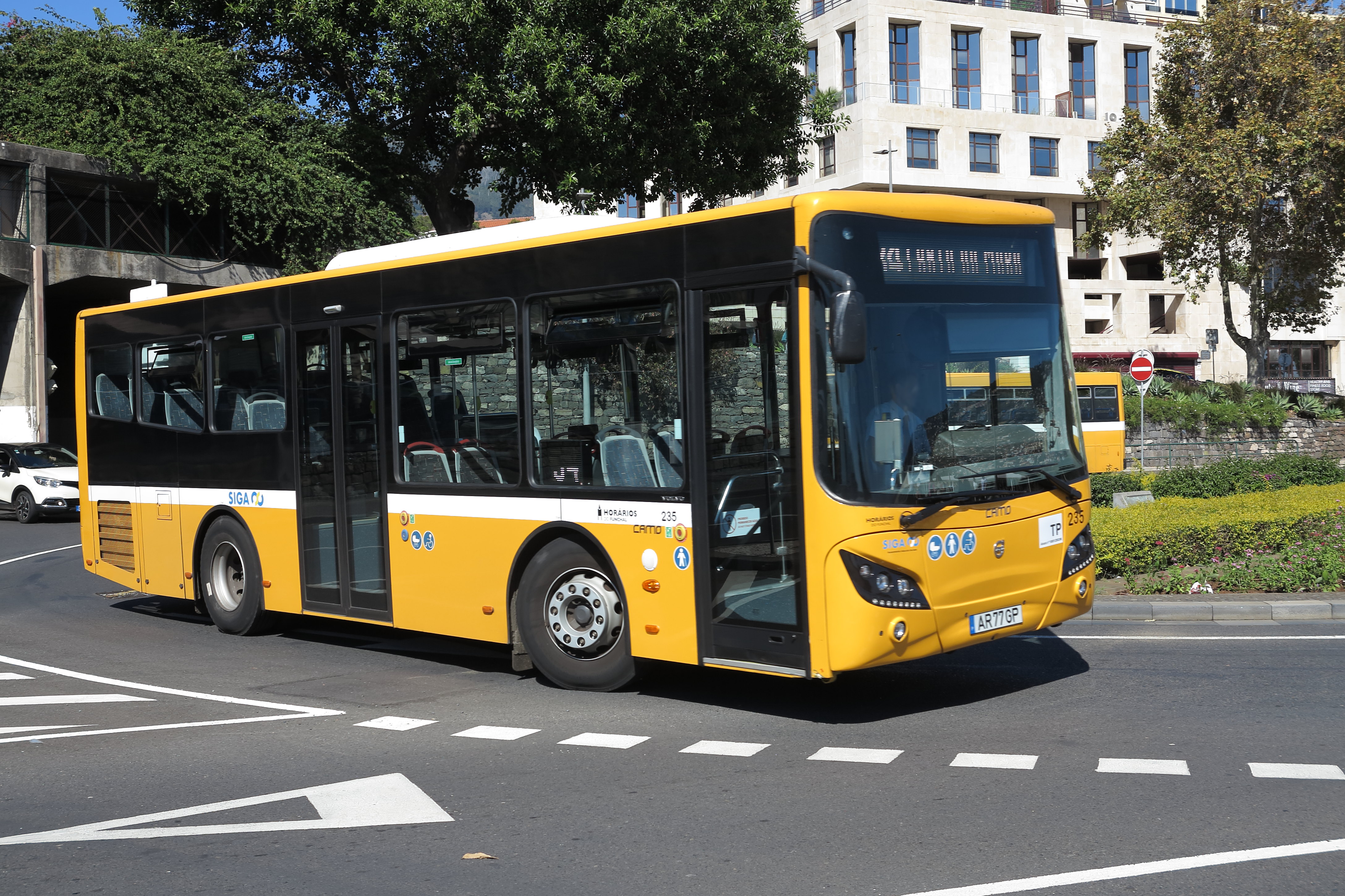
If avoiding a rental car matters, Funchal is the easiest place to make the decision work.
Visit Madeira describes the city as well served by urban buses and notes that taxis and ride-hailing services such as Uber and Bolt are widely available in Funchal and nearby areas. That gives you several layers of mobility without having to solve the whole island every morning.
The airport connection is also straightforward: SIGA currently publishes an Aerobus linking the airport with central Funchal and the hotel zone toward Praia Formosa.
city days, restaurants, gardens, museums, cable-car areas and evenings.
selected day trips when you organise around a bus, tour or transfer.
Funchal does not magically make remote trailheads public-transport friendly.
if you want Madeira without a car, choose the base that gives you the most mobility before you start adding transport.
The bus network is real — but it is not a sightseeing conveyor belt
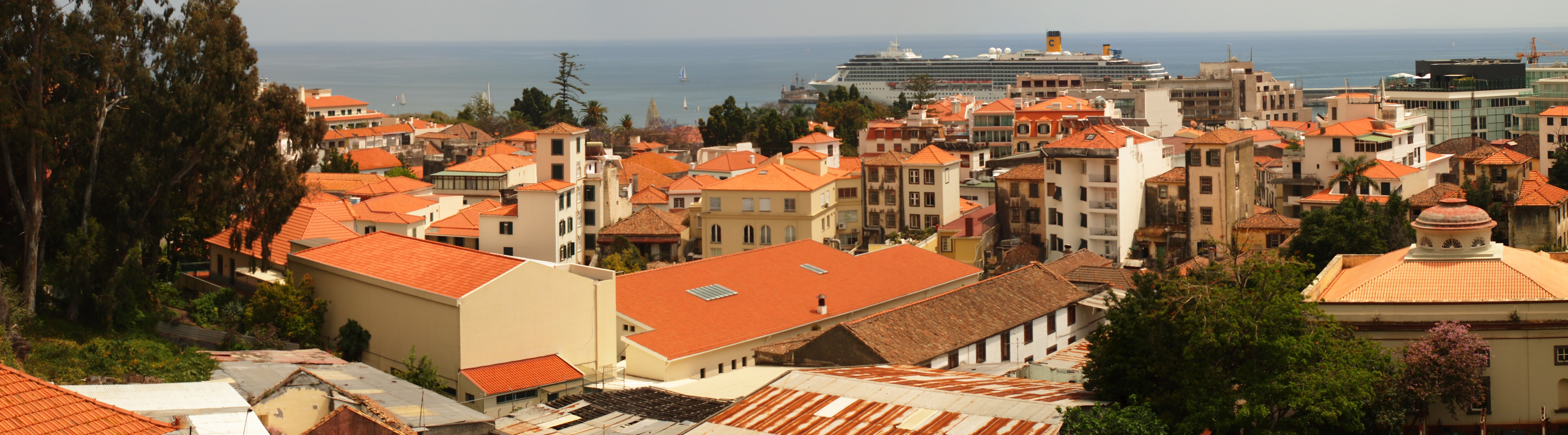
Madeira's integrated public-transport network is SIGA. The official system covers Madeira and Porto Santo through multiple operators and connects municipalities across the island.
That makes car-free travel genuinely possible. Visit Madeira specifically points to links between places such as Funchal, Santana, Machico and Câmara de Lobos.
The limitation is rhythm. Outside stronger routes, services can be less frequent, especially at weekends. The network is built first to move people around their island, not to let a visitor string six viewpoints together before lunch.
Treat the timetable as part of the itinerary. Pick an area, know your return options and avoid building a day that depends on three tight connections.
town-to-town movement and simple one-area day trips.
high-volume attraction hopping or itineraries with several remote stops.
SIGA is still publishing route, stop and service changes. Recheck the current timetable shortly before travel.
Hiking is where the car-free question becomes difficult
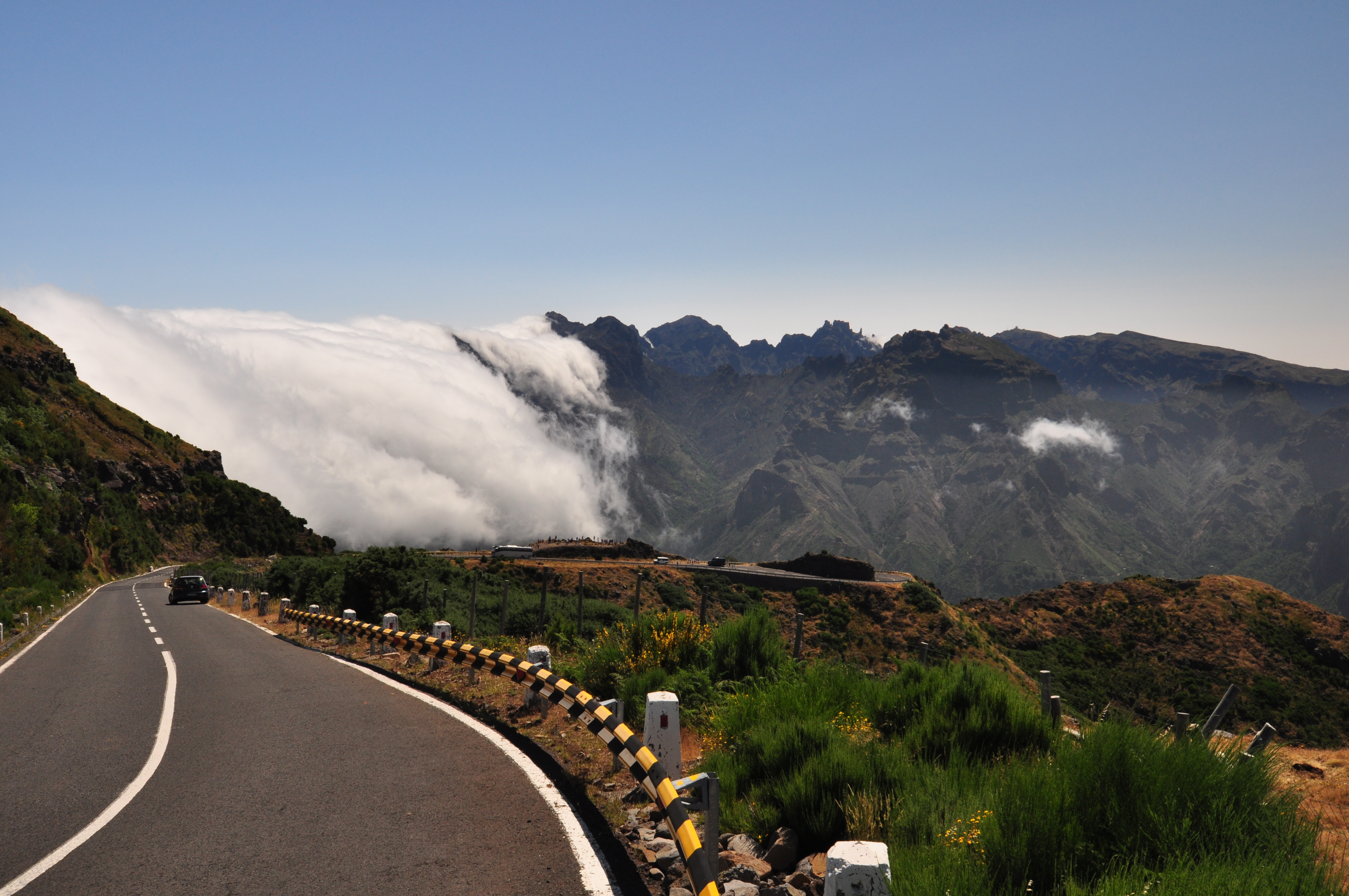
Madeira's hiking network is one of the main reasons to visit — and one of the clearest reasons public transport alone may not be enough.
Visit Madeira explicitly warns that not every viewpoint, trail or natural attraction lies near a bus stop. Some journeys need an additional walk; others are much more practical with a taxi or transfer.
There is another planning layer in 2026: classified PR walking routes require a time reservation through the SIMplifica platform before starting, and Visit Madeira currently lists a general visitor fee of €4.50, subject to the route's own conditions.
That means the good car-free hiking day is designed backwards: choose the open trail and reservation time first, then solve the outbound and return transport. Do not assume you can improvise the last bus after a mountain walk.
pre-booked hiking transfer or guided walk from Funchal.
taxi to a trailhead with the return plan agreed before starting.
bus where the trail or town genuinely aligns with the network.
choosing a remote hike first and hoping transport will solve itself later.
Taxis and transfers are not a failure of the car-free plan
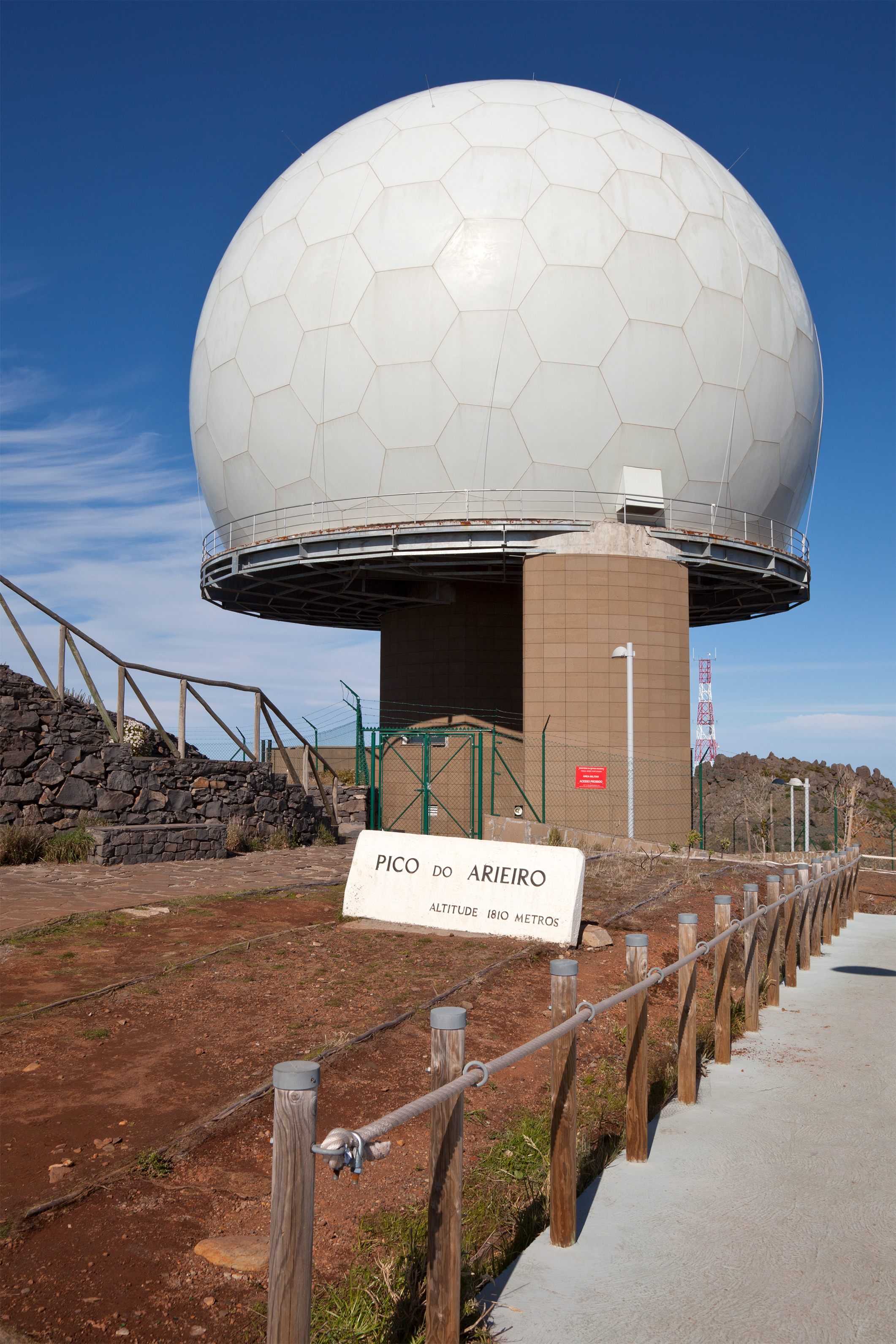
A car-free trip does not have to mean bus-only.
Visit Madeira states that taxis are available throughout the island. In practice, that makes them useful for the last stretch to a viewpoint, the return from a linear walk, an early trail start or a day where the bus timetable would cost more time than the fare is worth.
Private transfers and organised tours solve a different problem: they remove driving and parking while keeping access to harder-to-reach parts of the island.
OREVYON would count the cost of two or three strategic transfers against the full cost and friction of renting a car for the entire stay. Sometimes the supposedly more expensive individual ride produces the simpler trip.
When a rental car starts earning its place
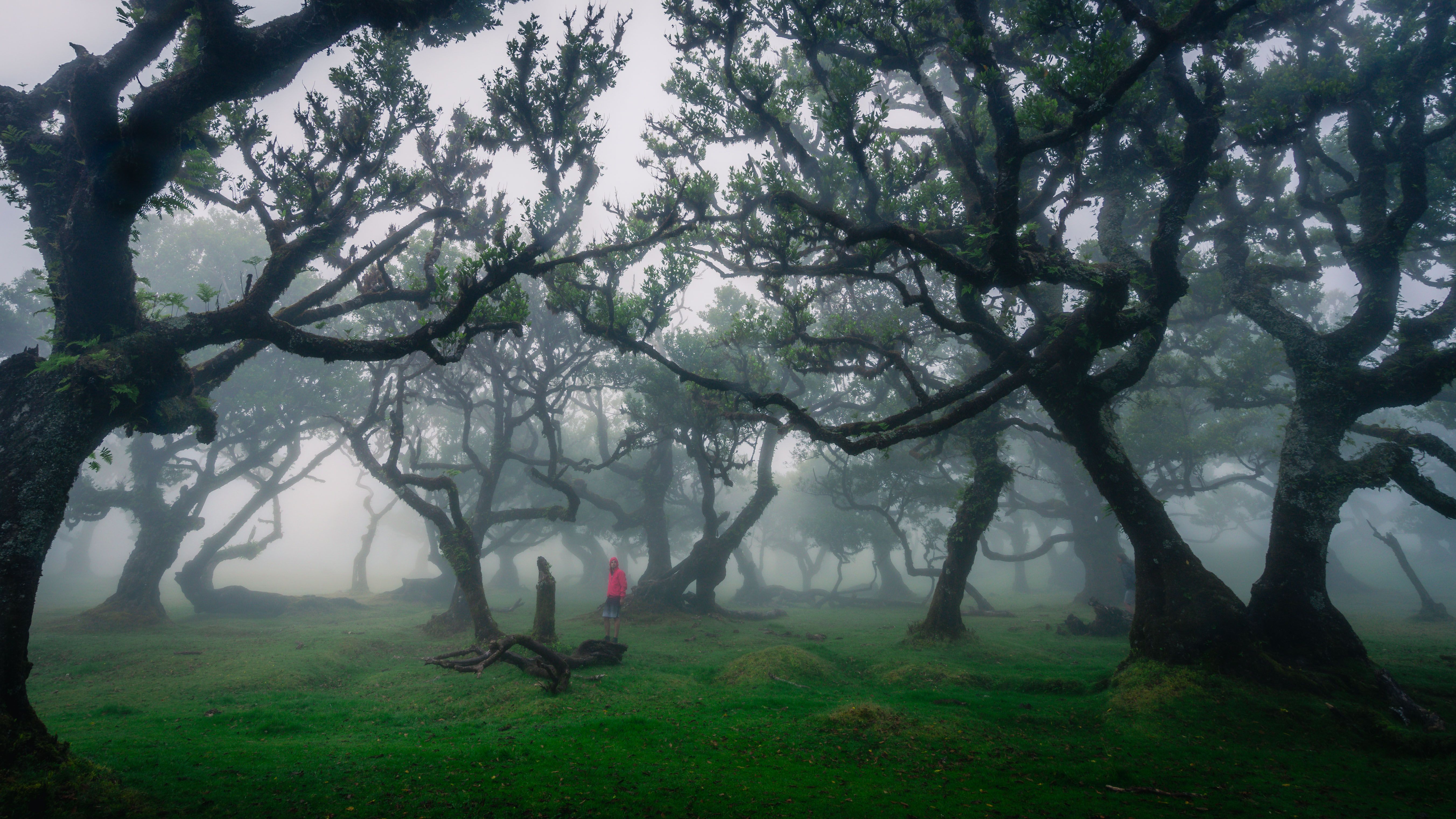
A car becomes genuinely valuable when flexibility is part of the experience rather than merely transport.
Visit Madeira highlights remote viewpoints, less accessible trails and the ability to adapt the route to weather as major advantages of self-drive. That is particularly relevant on an island where mountain conditions can differ from the coast.
But self-drive has a cost beyond money. Madeira's mountain roads can be steep, sharply curved and occasionally narrow. For a confident driver that may be part of the freedom; for someone who dislikes mountain driving it can become the dominant friction of the trip.
You want sunrise or very early starts away from Funchal.
You want several viewpoints or short nature stops in one day.
Your saved places are spread across west, north and interior rather than clustered by area.
You want to change the day's geography quickly because cloud, wind or trail conditions change.
You are staying outside Funchal and do not want each excursion to begin with a transfer back toward a transport hub.
The hybrid strategy is often stronger than either extreme
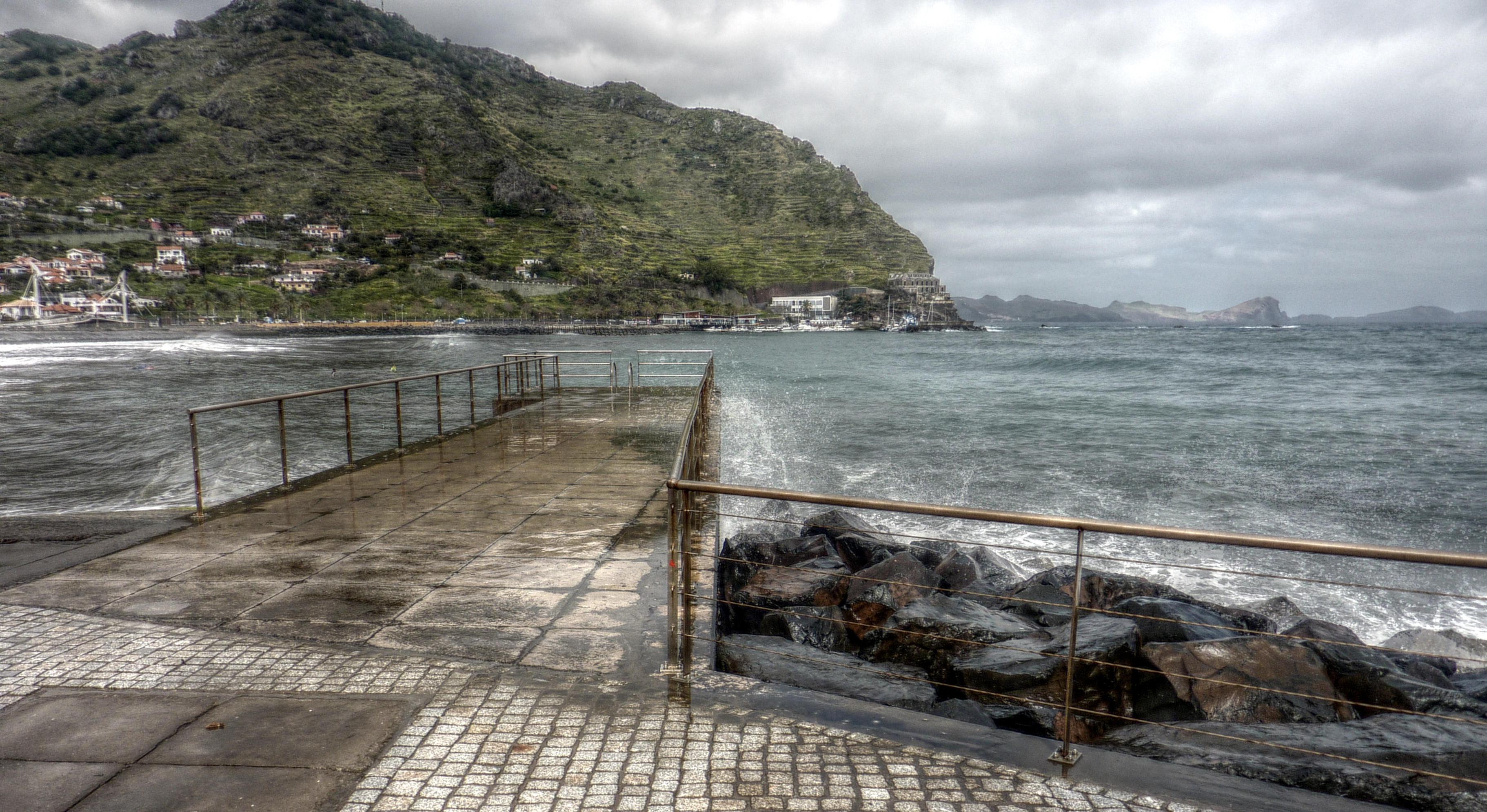
There is no prize for keeping the same transport mode for seven days.
A strong Madeira Journey can start car-free in Funchal, use a bus for one simple town day, use a hiking transfer for a mountain day, then rent a car for the one or two days when remote geography and weather flexibility actually matter.
This removes parking and driving from the days that do not need them while keeping independence for the days that do.
3 nights, Funchal-led → often fully car-free.
4–5 nights, mixed city + nature → car-free can work with deliberate transfers or one organised excursion.
6–7 nights, nature-heavy → hybrid often becomes the most balanced design.
Multiple remote bases + daily nature exploration → self-drive is increasingly useful.
What works without a car
Funchal city days and evenings.
Airport to Funchal using the current Aerobus service.
Selected towns connected by SIGA when you plan around current schedules.
One-area days where the destination itself is the point rather than a chain of attractions.
Guided or transfer-supported hiking.
A slower trip that accepts fewer places per day.
Taxis for targeted gaps rather than renting a car by default.
What becomes frustrating without one
Trying to combine several remote viewpoints in a single day.
Trail days with awkward or uncertain return transport.
Changing plans repeatedly in response to mountain weather while tied to fixed buses.
Sunrise, very early trail starts or late returns far from the main hubs.
Staying in a quiet remote base while expecting Funchal-level mobility.
Building a checklist itinerary where every hour depends on the previous bus arriving exactly as planned.
A simple decision test
Before booking a rental car, put every saved Madeira place on the map and ask three questions.
- Can I group most of these places into one geographic zone per day?
- Do my important trailheads have a reliable outbound and return option that I am comfortable committing to?
- Would a taxi, transfer or one-day rental solve the few difficult days more cleanly than a car for the whole trip?
If the answers are mostly yes, Madeira without a car can be excellent. If the itinerary depends on constant cross-island spontaneity, a car is not a luxury — it is part of the route design.
The OREVYON read
Madeira is not car-dependent in the sense that a visitor cannot travel without one. It is car-rewarding when the trip is remote, weather-responsive and geographically ambitious.
The mistake is choosing a transport ideology before choosing the Journey.
Build the Madeira you actually want first. Then use buses, taxis, transfers and a rental car only where each one earns its place.