
Plečnik matters in Ljubljana because his work is difficult to separate from everyday movement. You cross it, shop beside it, sit within it and use it to understand the river. OREVYON would read his Ljubljana as an urban system rather than a specialist architecture checklist.
Start with the river rather than a building
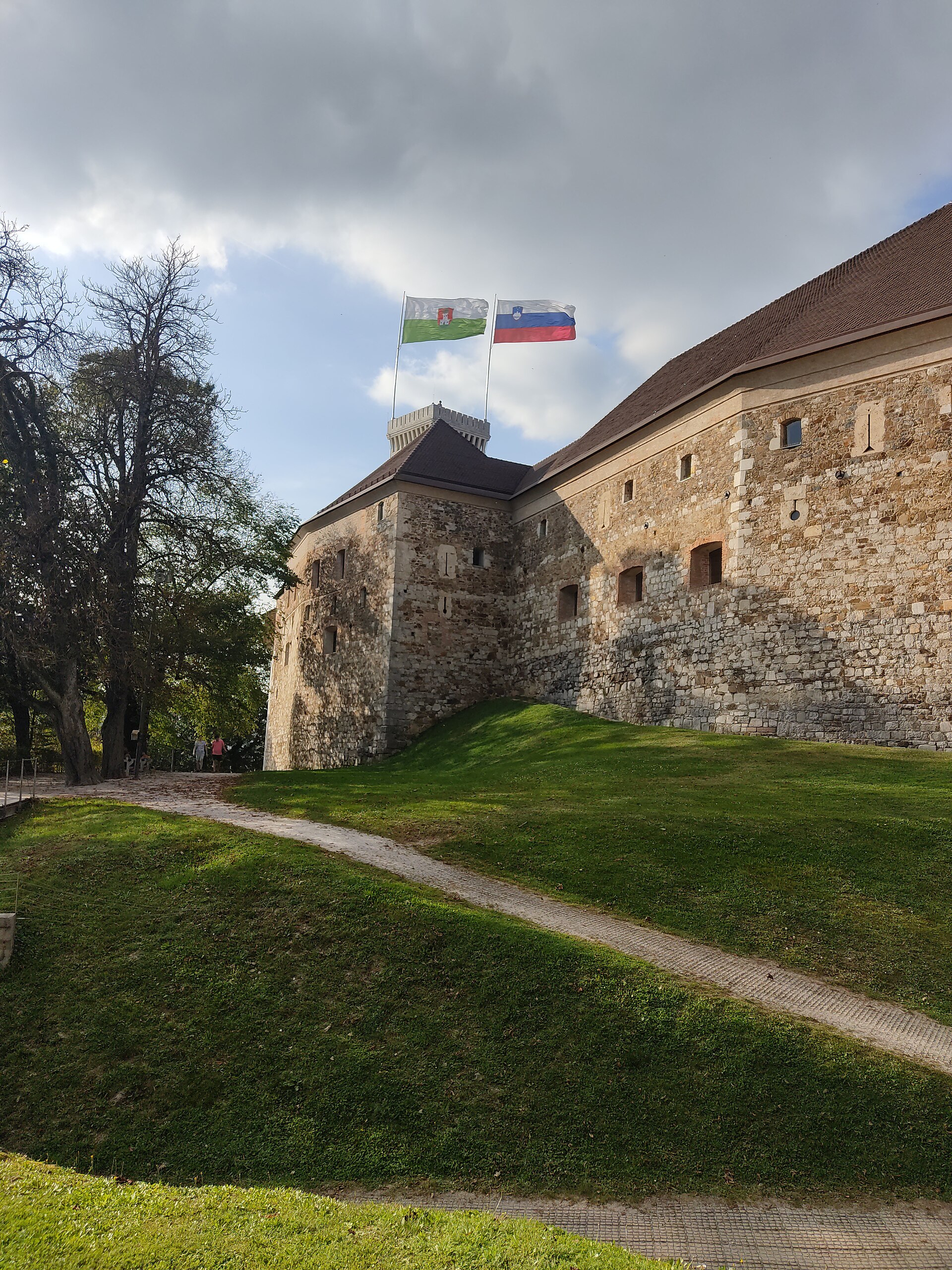
The river gives Plečnik's interventions context. Bridges, embankments and market structures become easier to understand when you experience how people move between both banks and how public life gathers around the water.
Central Market shows architecture as daily infrastructure

The market is important not because it is an isolated design object, but because commerce, walking and public space overlap. Visit when it is actually functioning as part of city life and the architecture becomes more legible.
Bridges are small moves with city-scale impact

Plečnik's bridges demonstrate how modest interventions can change pedestrian movement and how a compact city is perceived. Cross them repeatedly rather than treating them as one-direction sightseeing stops.
The value is the continuity between objects

A façade, colonnade, stair, bridge and river edge become stronger when read together. This is why Ljubljana rewards walking: the space between the architectural 'highlights' is part of the design story.
Architecture travellers should still leave time for the city
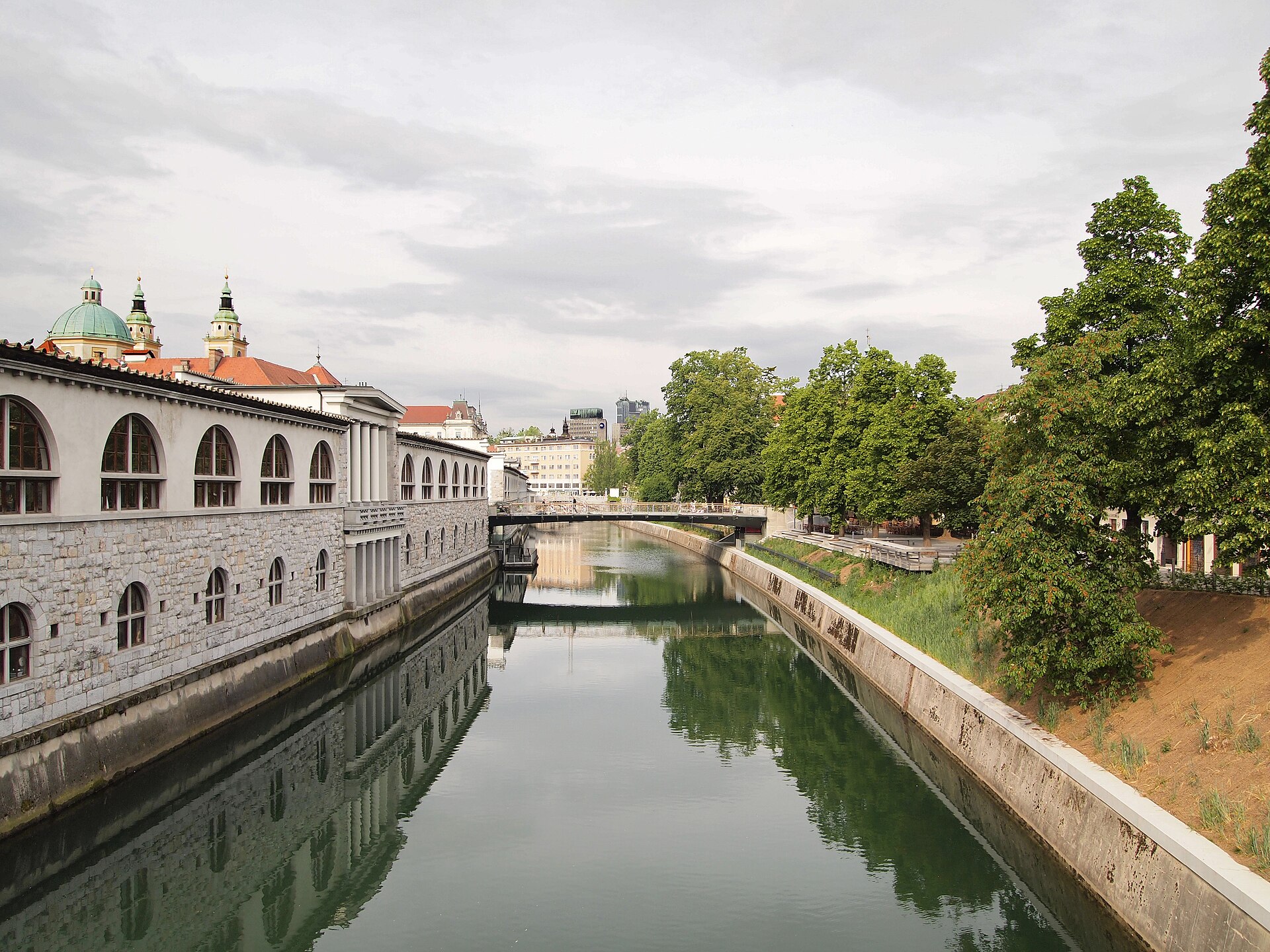
Do not turn Plečnik into an all-day inventory. Pair the architecture with market time, coffee, river walking and Tivoli. His contribution becomes more meaningful when it explains why Ljubljana feels usable rather than when every work is checked off.