
Ljubljana's greatest mobility advantage is that very little feels far. The centre is pedestrian-friendly, cycling fits the city scale and public transport handles the few longer local movements. OREVYON would not rent a car for the capital itself; the better question is whether a later day trip needs one.
Walking is the default in the centre

The river, old town, Central Market and much of Plečnik's central work sit inside an easy walking pattern. That gives the city unusual continuity: moving between places rarely interrupts the experience enough to feel like transport.
Cycling expands the useful city without adding friction
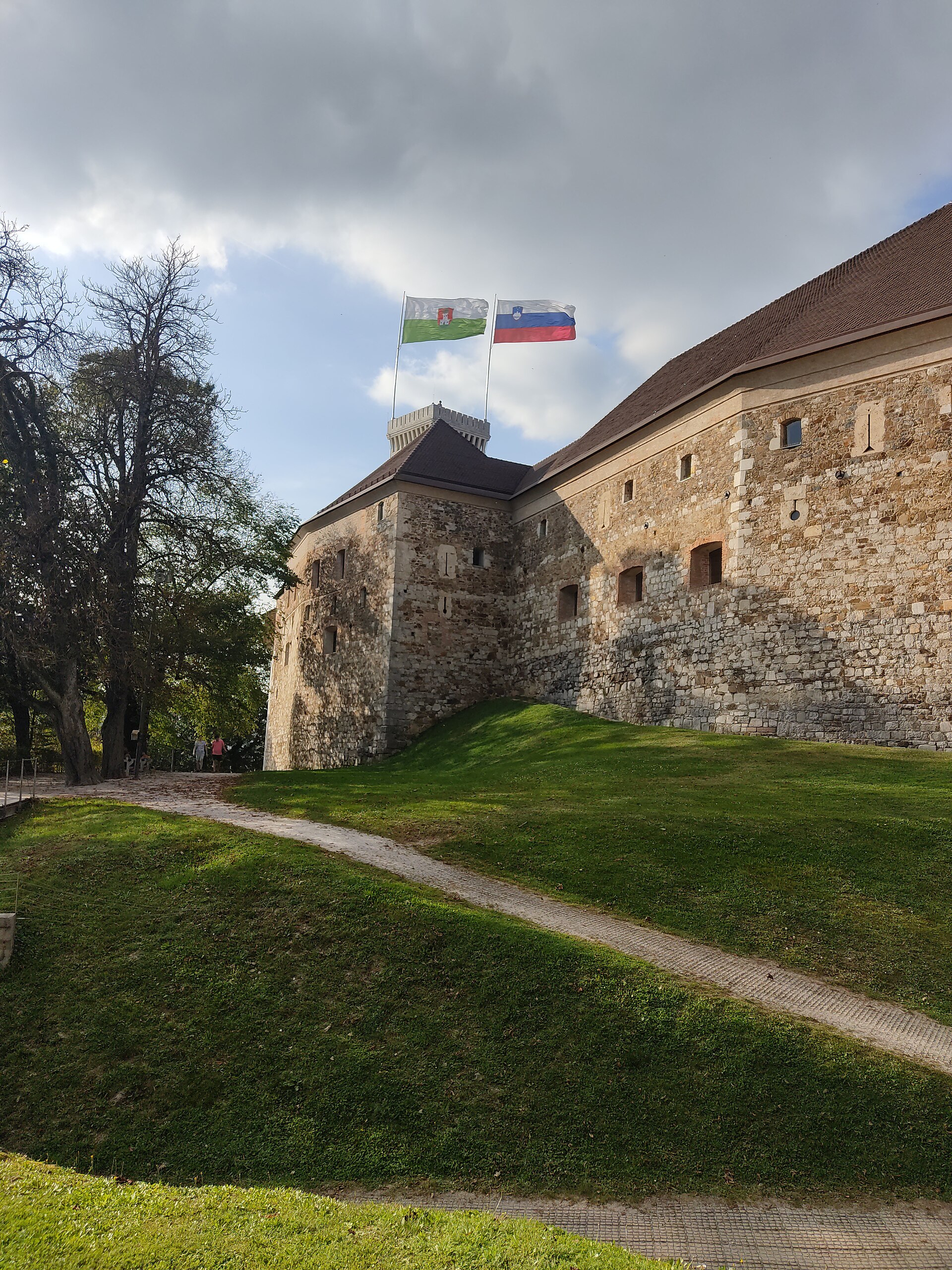
A bike makes Tivoli, residential districts and slightly wider city movement feel naturally connected. Because the scale is modest, cycling adds range rather than becoming a transport project of its own.
Public transport should solve specific movements
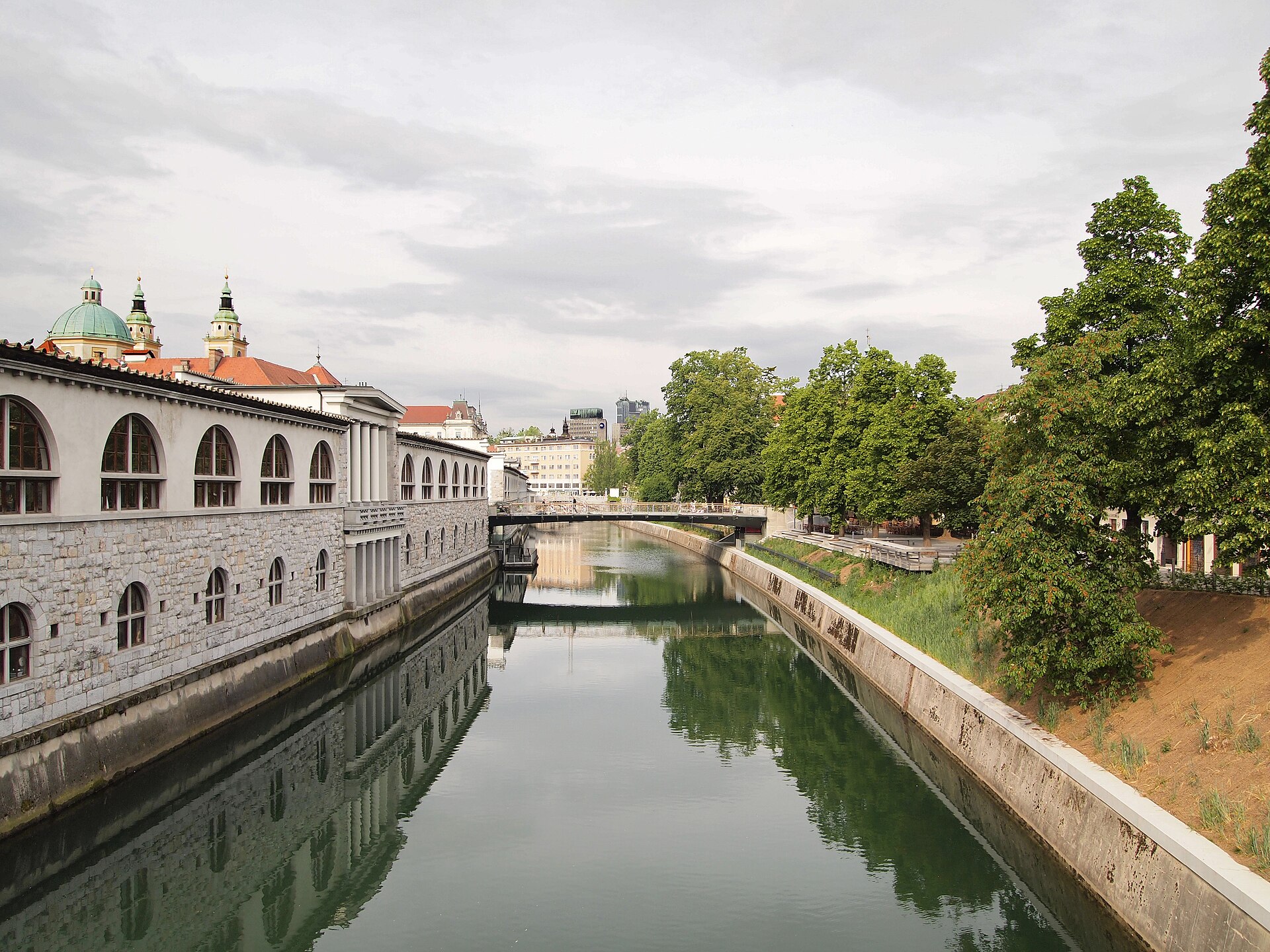
Use buses when the distance, weather or luggage justifies them. The system is most useful as support rather than as the backbone of every day. Ljubljana is strongest when most movement remains visible and street-level.
A car becomes relevant only when the Journey leaves Ljubljana

If the trip expands to Lake Bled, countryside or a broader Slovenia road trip, private mobility can change the equation. But that decision belongs to the wider Journey, not to a city break whose core geography already works without driving.
The real benefit is not needing to think about transport
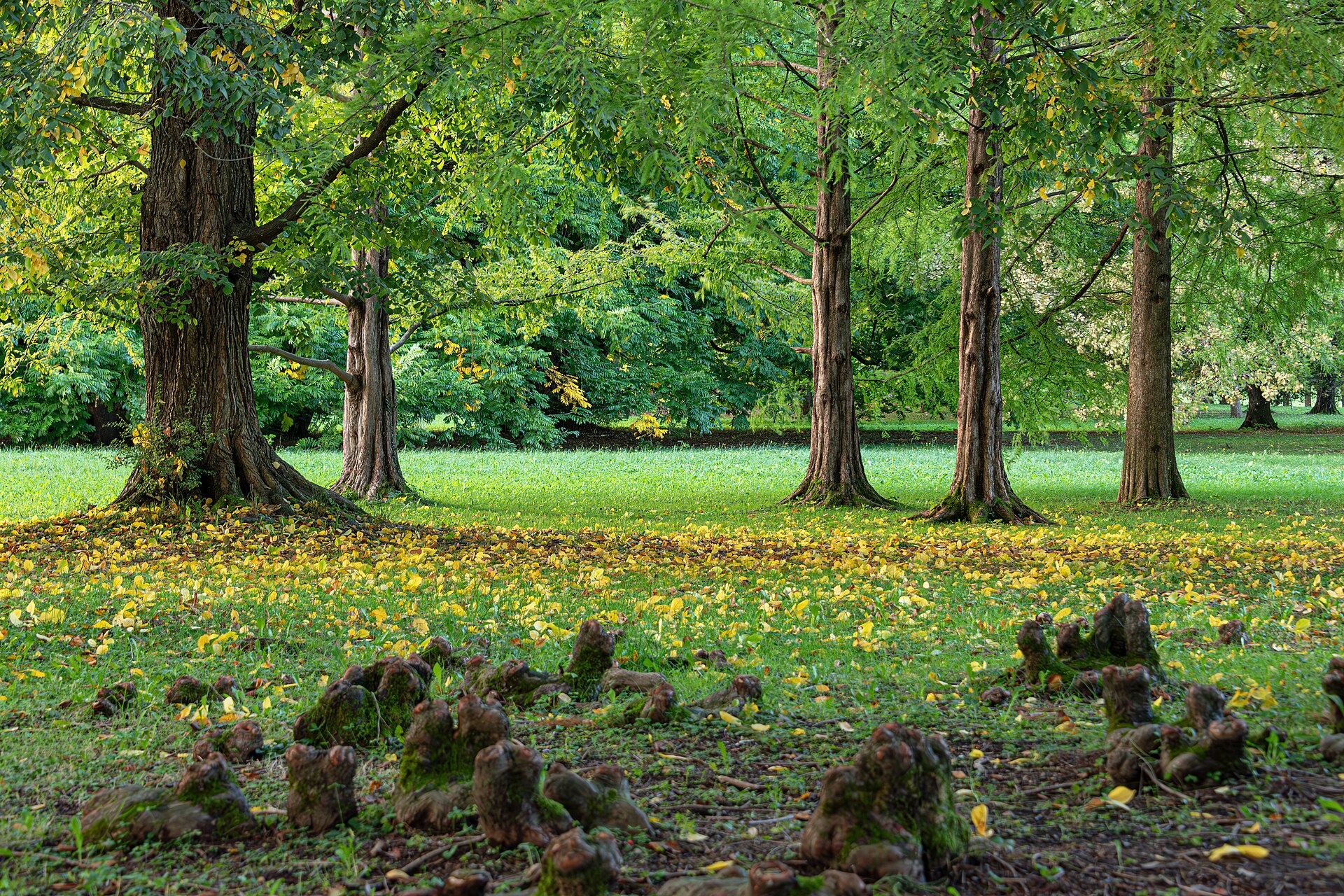
Ljubljana's mobility fades into the background. You can leave the hotel, cross the river, visit the market, continue to Tivoli and return for dinner without constantly planning the next transfer. That simplicity is one of the city's premium qualities.