
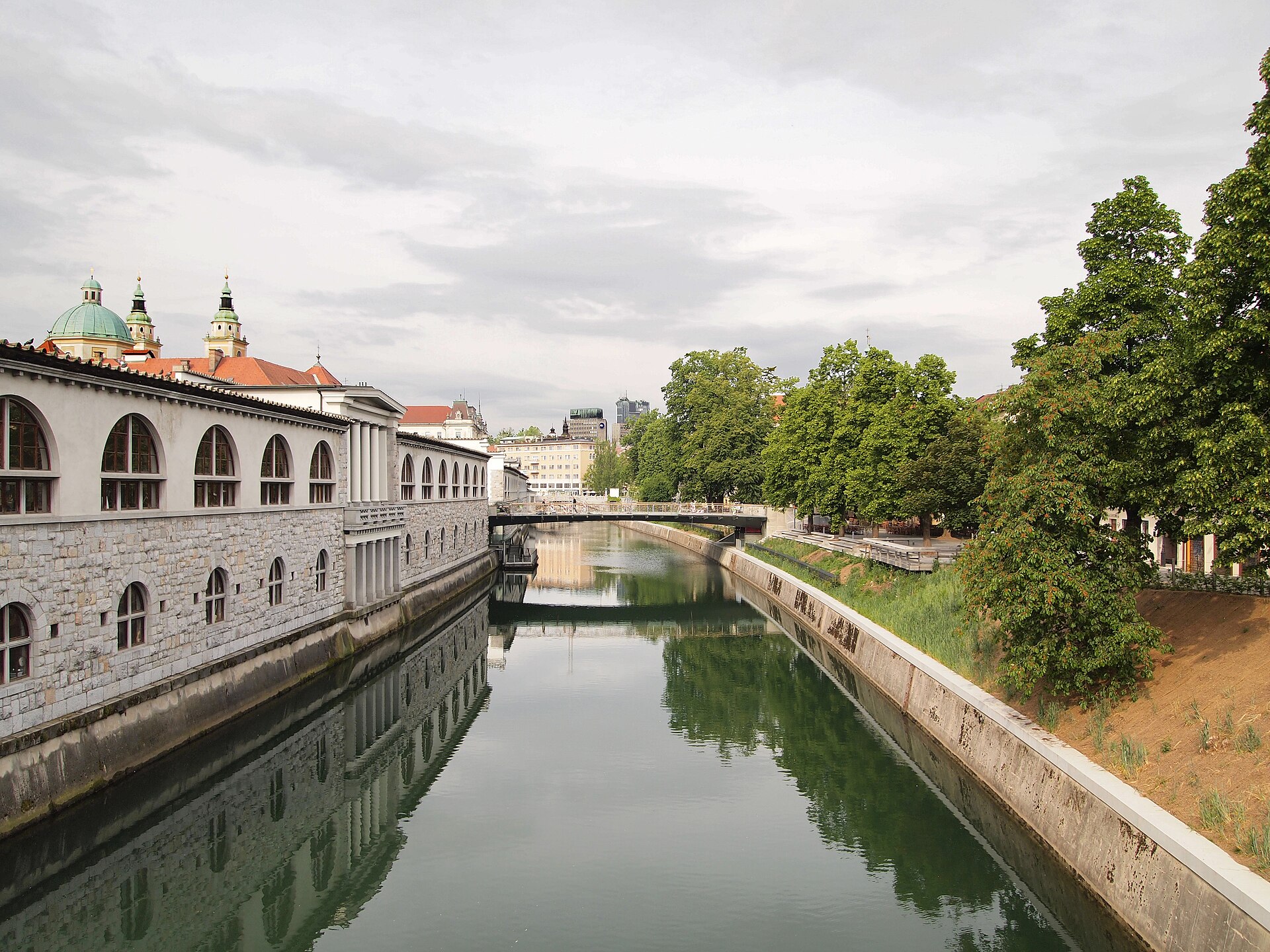
Ljubljana can feel almost too easy on a first map. That is exactly the point. The city does not need to overwhelm you to become memorable. OREVYON reads the first trip through proportion: two to four nights, very little transport friction, one coherent centre and enough architecture, food and green space to reward slowing down.
Two to four nights is the right scale
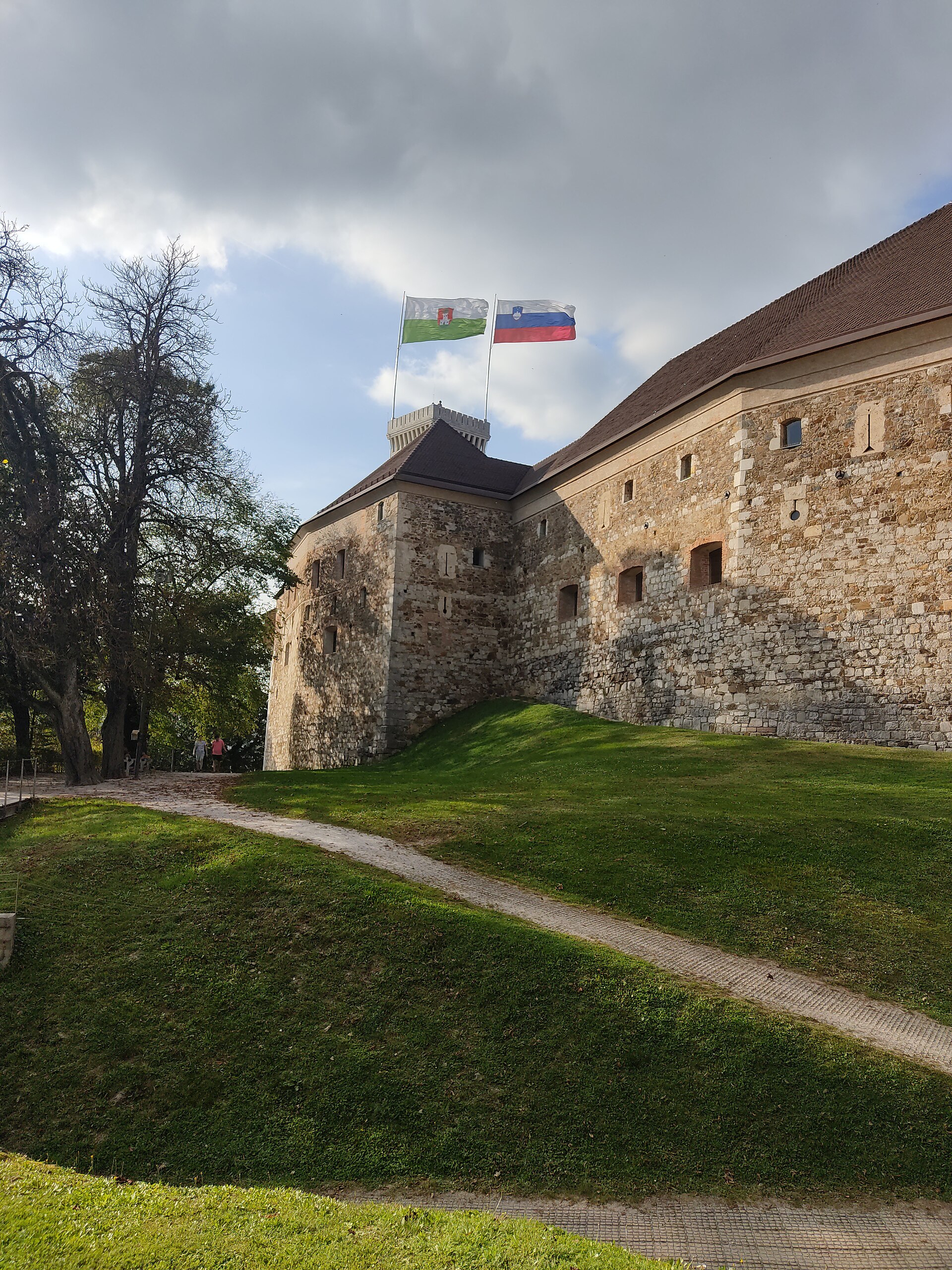
Two nights can give a strong overview; three is the sweet spot for a first trip; four gives space for museums, cycling, neighbourhoods or a slower pace. A full week of city-only sightseeing is less natural unless Ljubljana is being used as a base for wider Slovenia.
The centre is best understood on foot
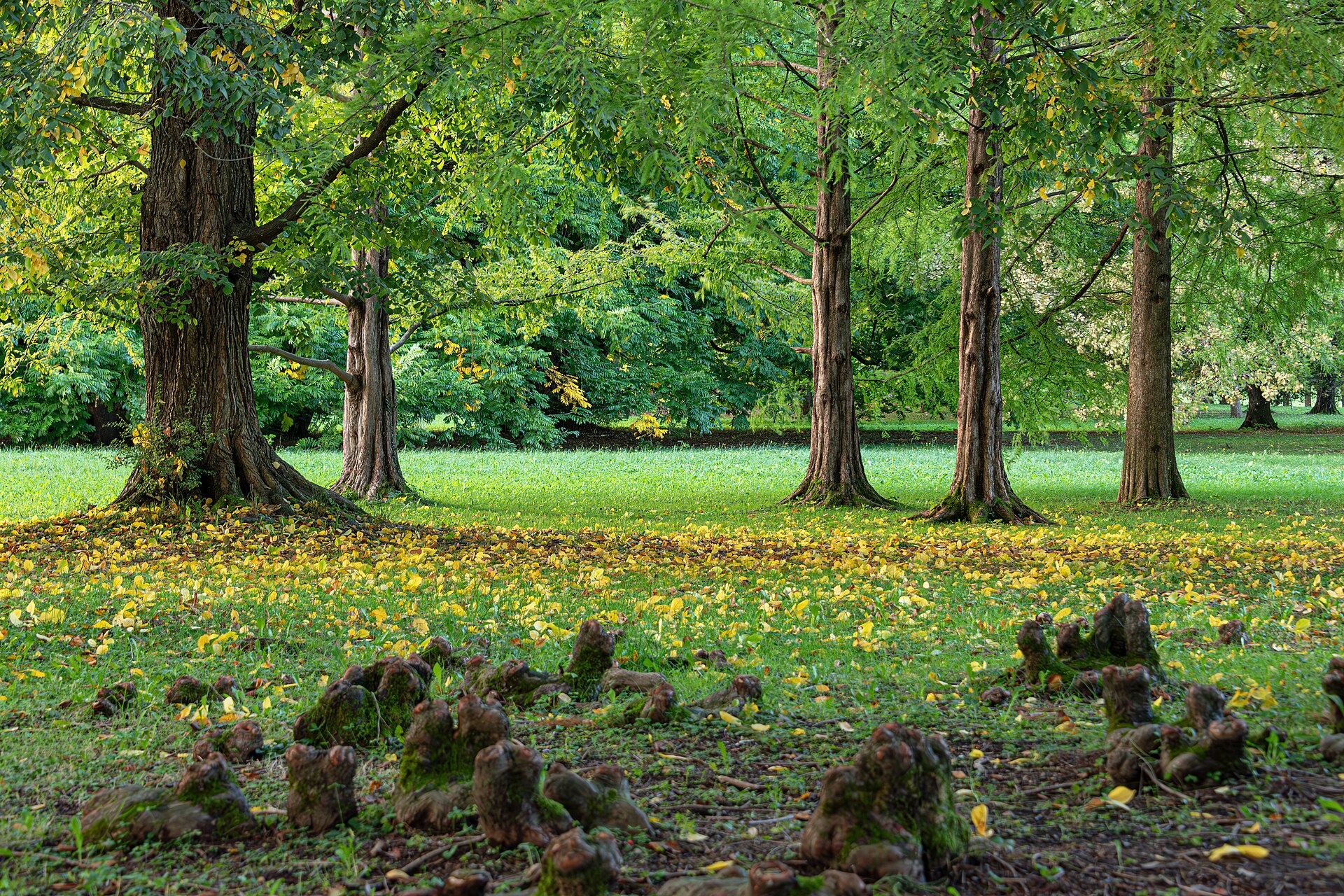
River, market, old town and Plečnik's central interventions connect naturally. Do not over-plan transport for movements that are part of the experience. The city becomes legible because you repeatedly pass the same river and public spaces from different directions.
Plečnik is not a specialist side trip

His bridges, market structures and public-space thinking shape how the centre works. Even travellers who are not architecture-focused benefit from reading the city through these interventions because they explain why Ljubljana feels unusually coherent.
Food and cafés carry more of the trip than attraction count

Central Market, local products, contemporary Slovenian cooking and riverside café culture help fill the spaces between formal sights. A first visit feels richer when food is part of the urban rhythm rather than a separate list.
Leave with something unfinished

Ljubljana does not need to be exhausted. Use Tivoli, one quieter neighbourhood or one long dinner to slow the final day instead of adding a frantic regional day trip. Its strongest impression is that city life remained easy until the end.