
Winter Copenhagen is not the summer city with less daylight. The balance shifts: outdoor mobility becomes more intentional, while bakeries, markets, museums, design, restaurants and neighbourhood interiors take more of the Journey. OREVYON sees winter as a strong fit for travellers who enjoy urban atmosphere and do not need long outdoor evenings to justify a city break.
Short daylight changes the order of the day
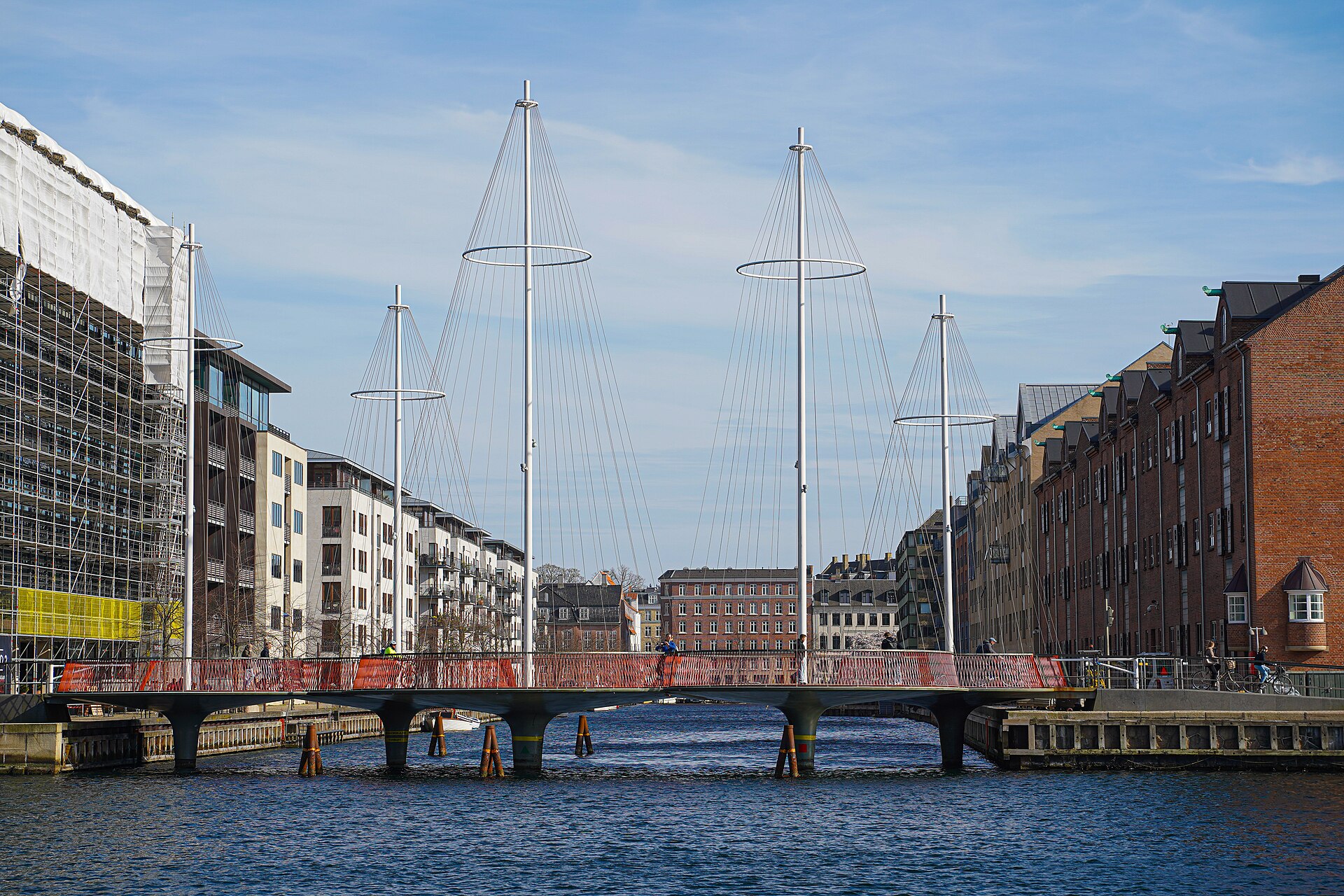
Use available daylight for harbour, walking and outdoor architecture, then let interiors carry the darker hours. A winter itinerary becomes stronger when it stops trying to preserve a summer sightseeing structure.
Food becomes a larger part of the destination

Markets, bakeries, coffee, casual dining and longer dinners gain value when the day is colder and more interior-led. This does not mean eating constantly; it means allowing food to provide rhythm between museums, design and neighbourhood movement.
Mobility remains one of Copenhagen's biggest advantages
Metro and trains protect the trip when weather makes cycling less attractive. Walking still works inside districts, but winter rewards using efficient transport for the longer jumps so the city remains comfortable rather than endurance-based.
Seasonal attractions should be treated as a layer, not the whole trip

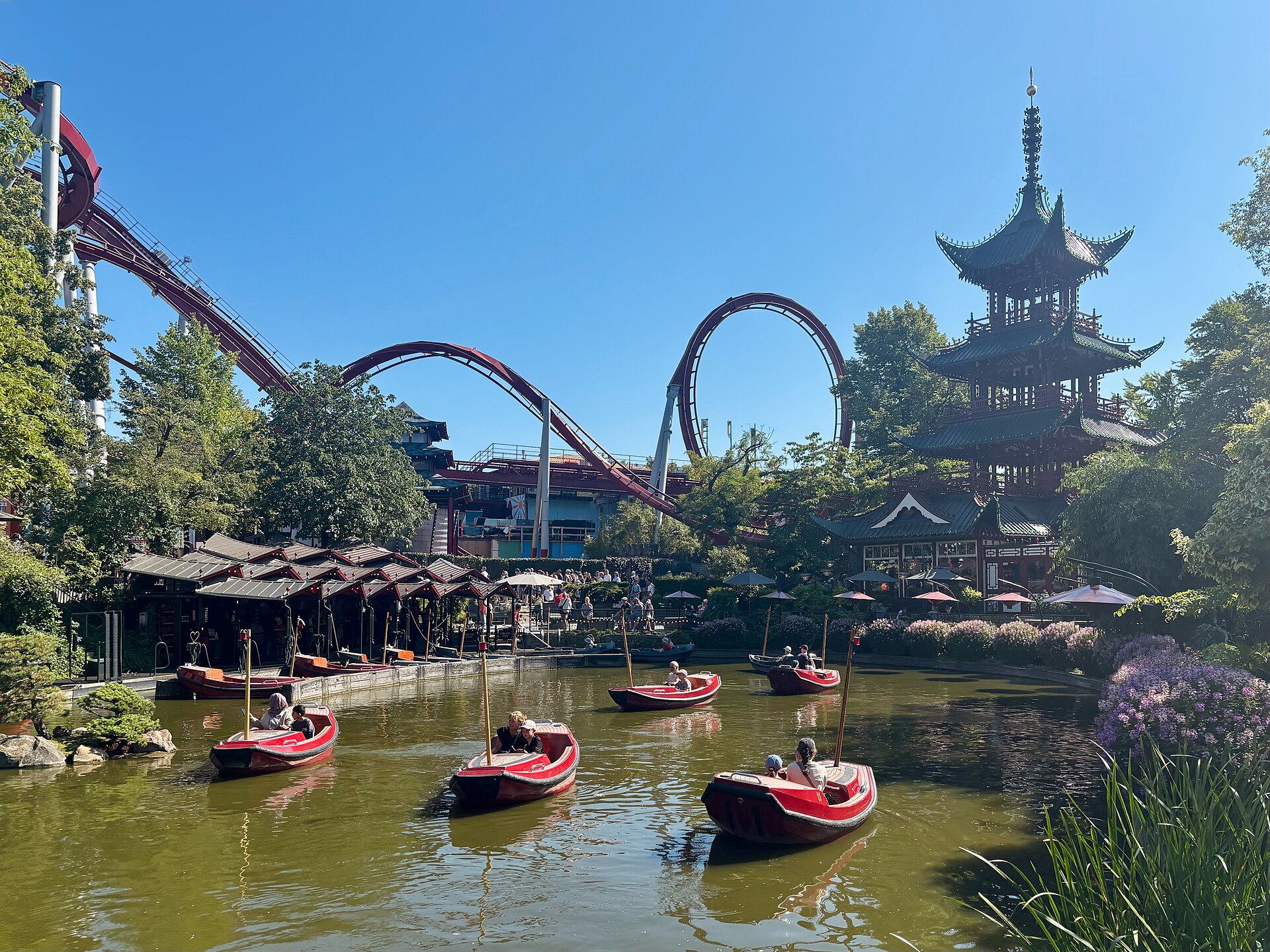
Tivoli and other seasonal experiences can add evening atmosphere when open, but winter Copenhagen should still work without them. The stronger core remains food, design, museums, neighbourhoods and the compact city itself.
Choose winter if atmosphere beats daylight quantity
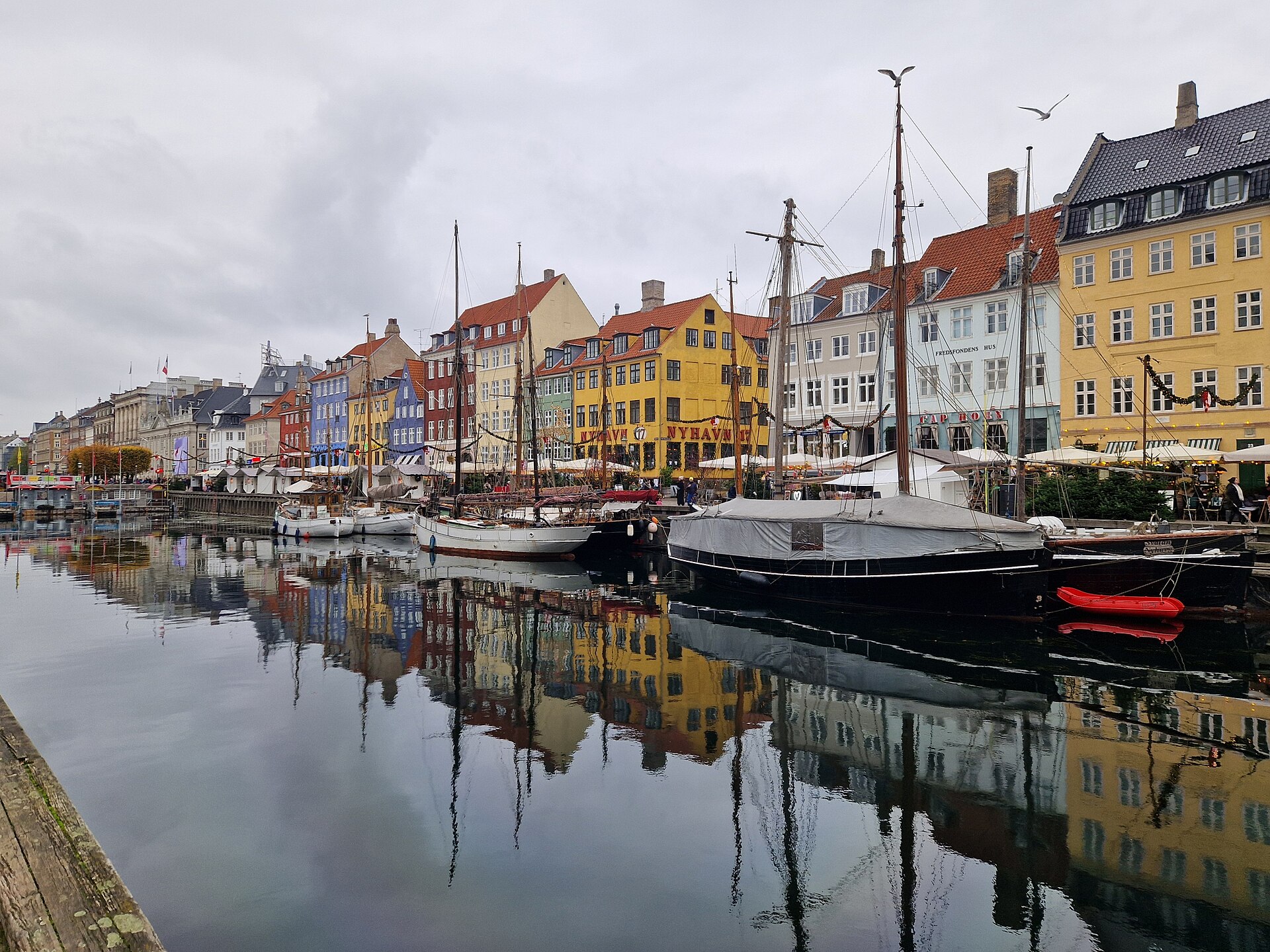
Winter fits travellers who enjoy darker evenings, interiors and a more concentrated urban rhythm. Look elsewhere if your ideal Copenhagen depends on long harbour evenings, extended cycling or maximum outdoor time.