
Copenhagen is not merely possible without a car; the core visitor city is better aligned with walking, cycling and public transport. A private car adds parking, route friction and distance from the street-level experience while solving very little that the existing mobility system does not already handle.
Walk inside neighbourhoods, not across the whole city

Indre By, Christianshavn, Vesterbro and Nørrebro each reward walking once you are there. The mistake is assuming a compact capital means every movement should happen on foot. Save your walking for the streets that deserve it.
Cycling makes Copenhagen feel structurally different
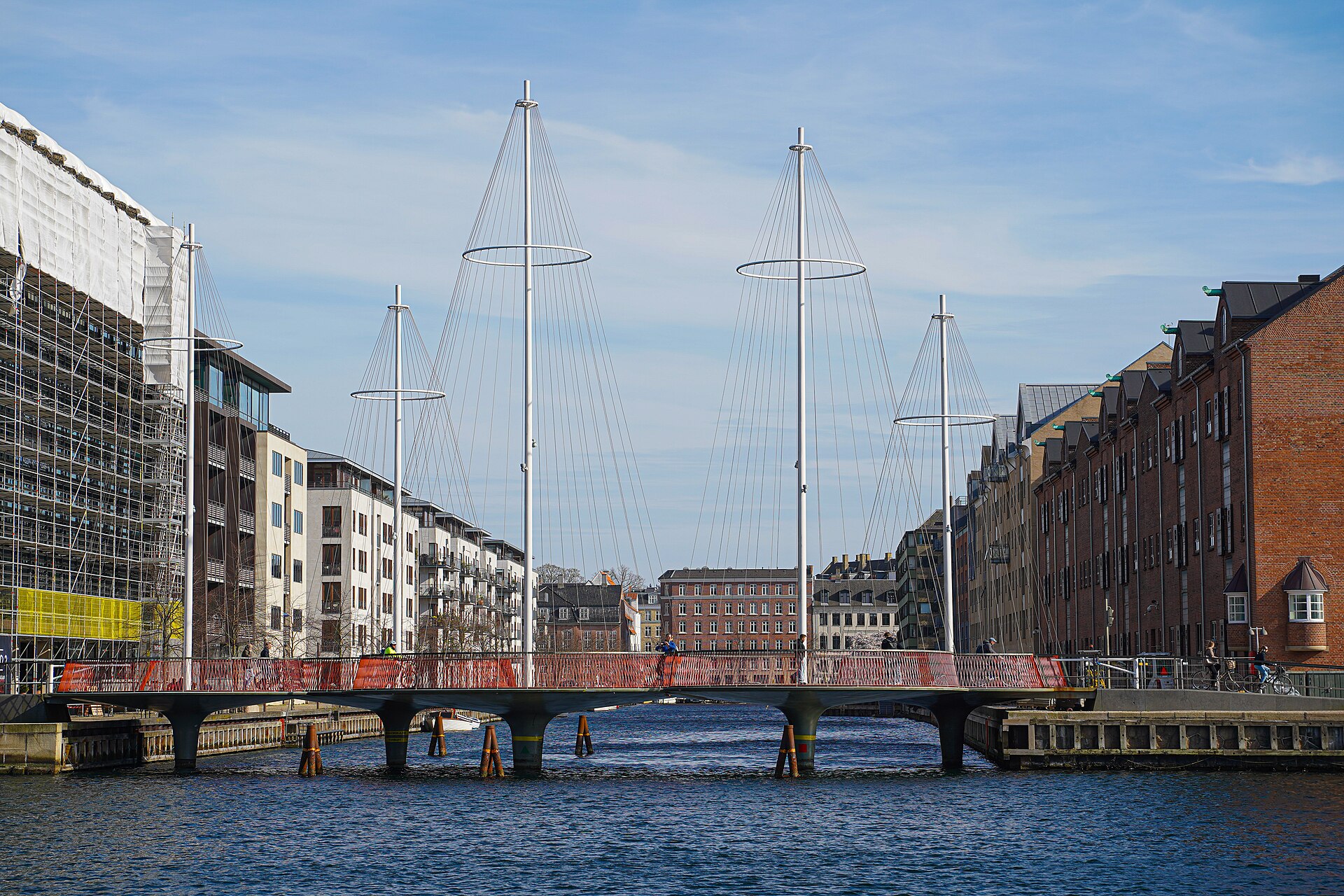
Cycling is not just an activity added to sightseeing; it explains how the city is built and how distances shrink. Travellers comfortable on a bike can move between neighbourhoods while staying connected to street life in a way that a private car would actively weaken.
Metro and trains handle the efficient jumps
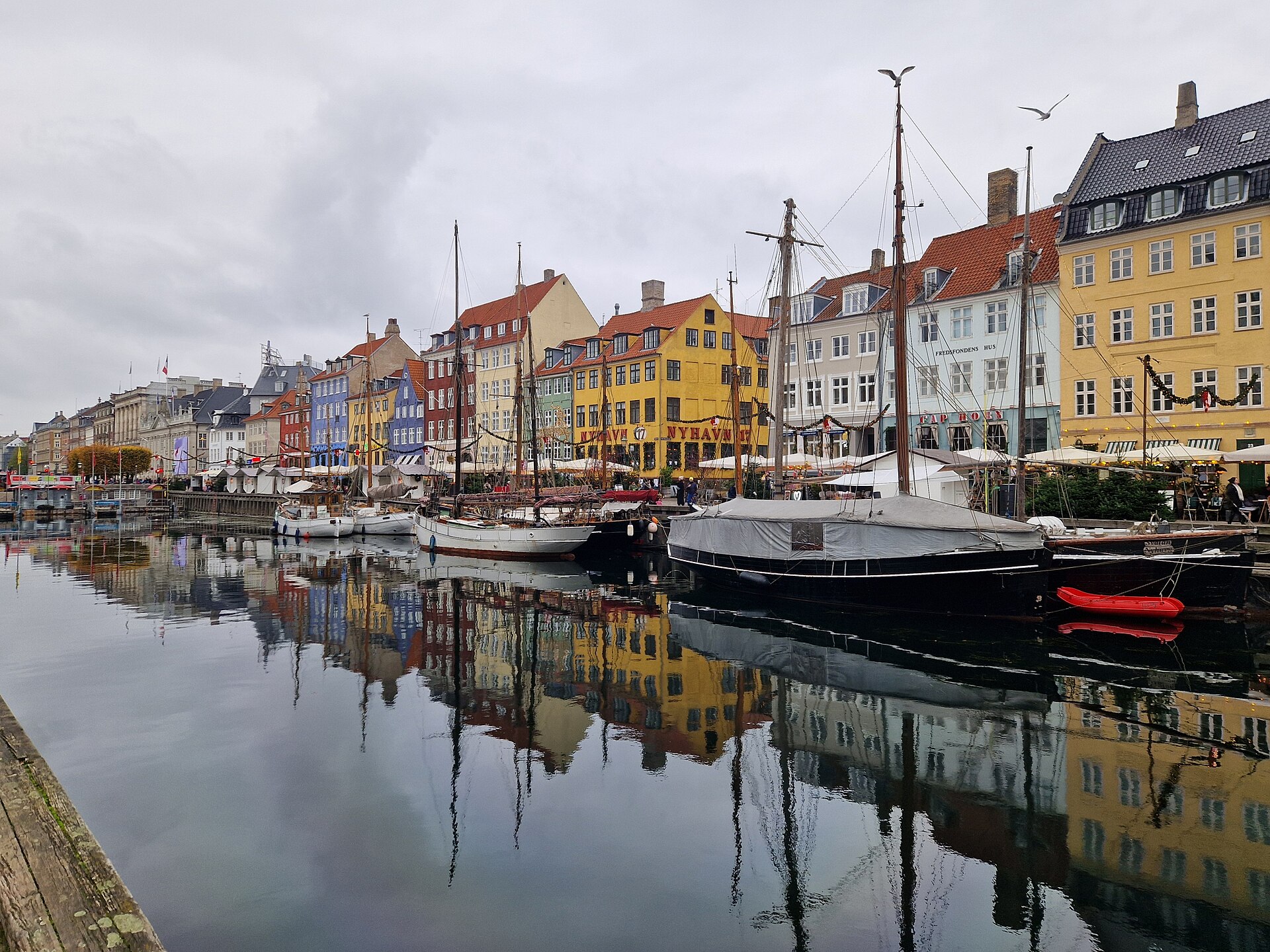
Use rail for the movements where speed matters: airport transfer, cross-city shifts or moments when weather makes cycling less appealing. The system allows the trip to remain car-free without turning every transfer into a long walk.
Harbour movement adds another city layer

Water is part of Copenhagen's geography, so harbour transport can be more than a practical connection. It changes perspective and helps explain how waterfront districts relate to one another, especially when combined with walking rather than treated as an isolated sightseeing ride.
The real car-free advantage is mental simplicity
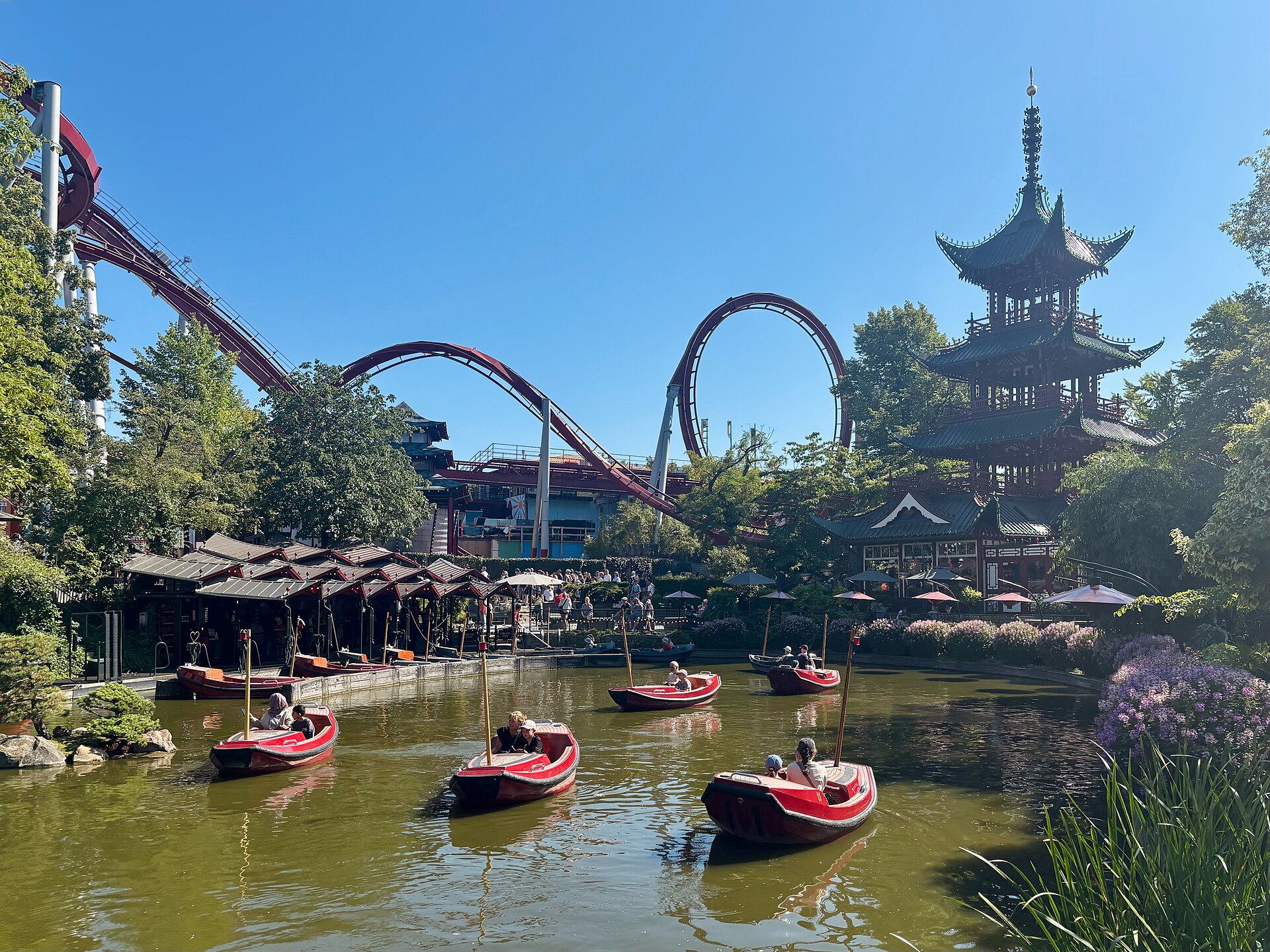
You do not need to plan parking, driving restrictions or where the car belongs at night. That leaves the city to operate at human scale. For a first visit, OREVYON would only introduce a car if the Journey deliberately extends well beyond Copenhagen.