
São Miguel is small enough to cross in a day and large enough that doing so repeatedly wastes the trip. Five days works when each day belongs to one geographical chapter and the two most visibility-dependent nature days remain swappable. OREVYON would build the route around Ponta Delgada, west, central-north and Furnas rather than around a fixed list of viewpoints.
Day one: use Ponta Delgada as a low-pressure arrival anchor

Keep the first day urban and flexible. Walk Ponta Delgada, settle into the island, organise the car and resist spending your best visibility window before you know what the weather is doing. The city is not filler; it is the strongest evening and weather-fallback anchor on São Miguel.
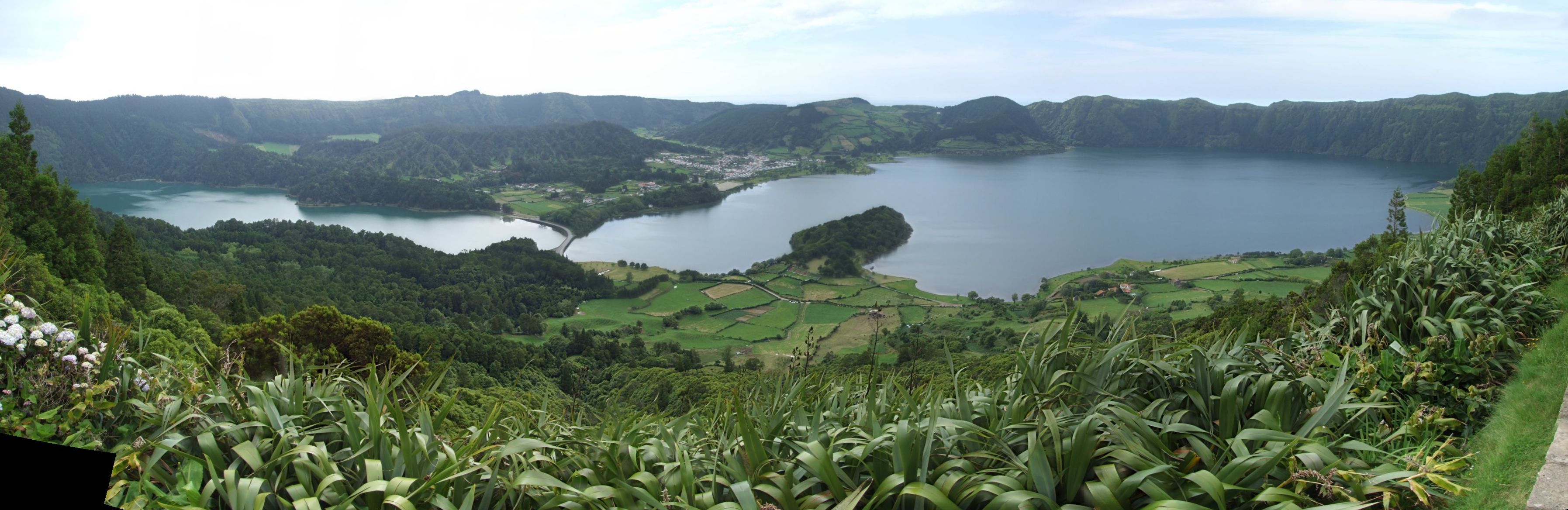
Day two: Sete Cidades and the west — if visibility earns it

Give the western caldera real time rather than treating it as one viewpoint. Pair Sete Cidades with Mosteiros, Ferraria or another west-coast layer so the day stays geographically coherent. If cloud blocks the crater, swap this day rather than forcing the iconic photograph.
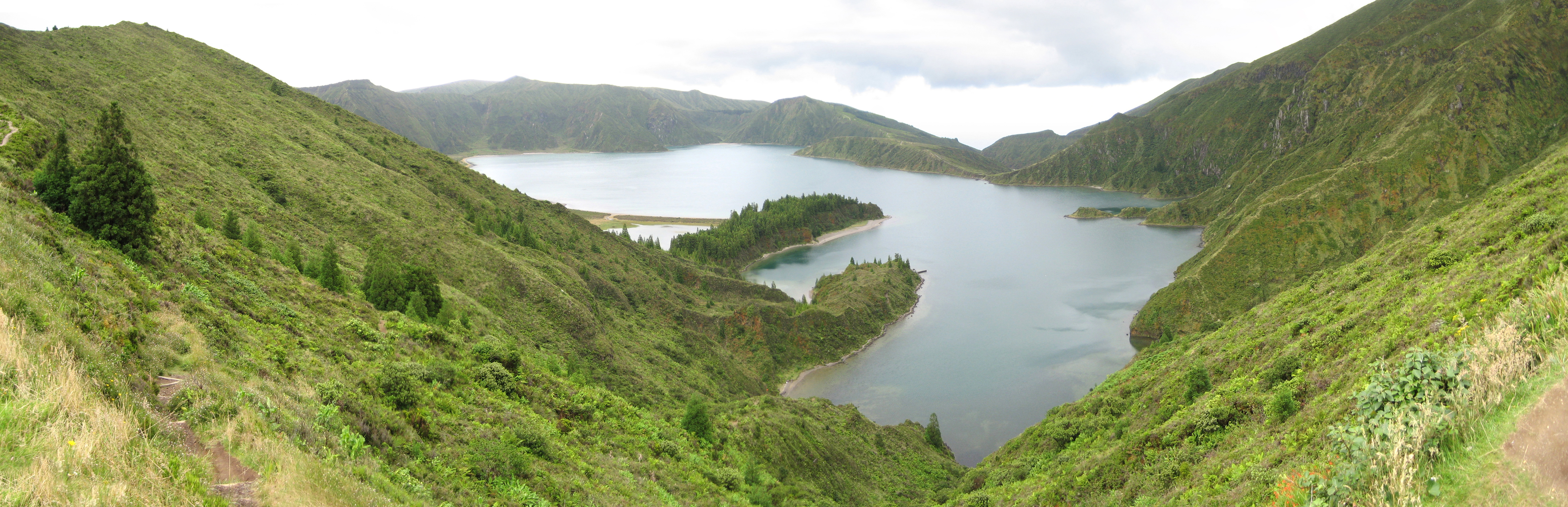
Day three: Lagoa do Fogo and the central-north axis

Use the island's centre for Lagoa do Fogo, Caldeira Velha or Ribeira Grande depending on conditions and current access arrangements. This is a high-value day because volcanic landscape, forest and north-coast rhythm fit naturally together without a long zigzag.
Day four: give Furnas a full day

Furnas deserves more than a fumarole stop. Thermal culture, valley landscape, lake, walking and food can fill a complete day and still leave room to slow down. If thermal atmosphere is central to your trip, this is the one day that can justify staying into the evening.
Day five: let the island choose the final chapter

Keep the last day deliberately open. Use it for the clearest crater you missed, a trail, thermal time, Faial da Terra, a slower coast or another Ponta Delgada half-day. That open slot turns weather from a threat into a routing tool and prevents the trip from feeling like a failed checklist.