
Copenhagen's food reputation can make a first trip sound reservation-heavy. The better approach is broader. OREVYON would use markets, bakeries, coffee, casual dining, neighbourhood restaurants and one or two deliberate destination meals to create contrast. Food should help you understand the city, not turn it into a list of tables.
Start with breakfast and bakery culture, not only dinner
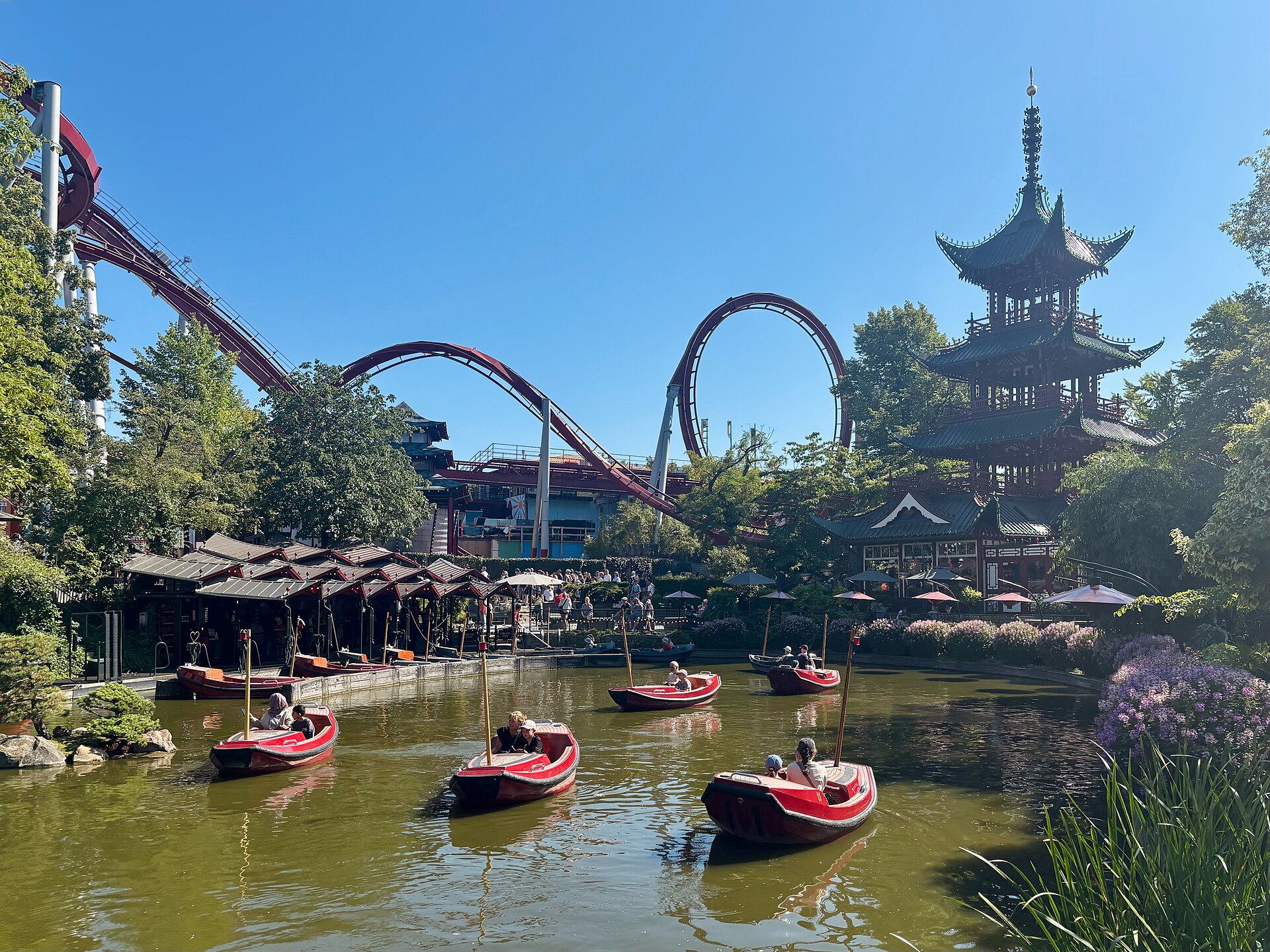
Morning food matters because Copenhagen's compact neighbourhoods make breakfast part of how a district is experienced. A bakery or coffee stop can anchor the first walk of the day and keep food integrated into city rhythm rather than saved for expensive evenings.
Torvehallerne works best as a starting point, not a checklist
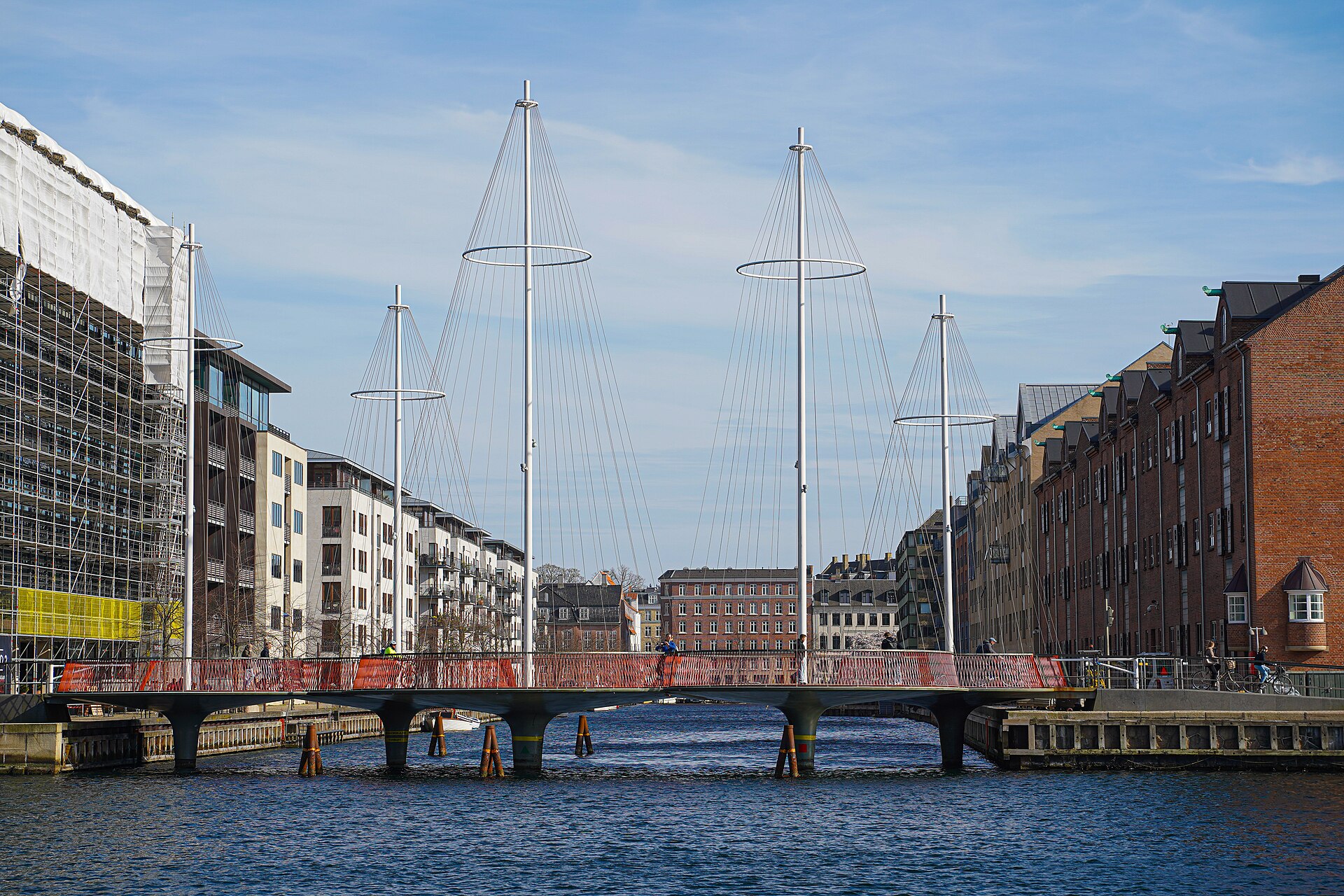
The market is useful because it concentrates food energy near central movement, but it should open the day rather than become the whole food story. Continue into nearby streets or another neighbourhood instead of treating one market as Copenhagen's complete culinary identity.
Let neighbourhoods change the style of the meal

Vesterbro, Nørrebro, Indre By and other districts support different combinations of casual eating, bars and destination dining. Plan by where the day ends rather than crossing the city for every famous recommendation.
Reserve selectively
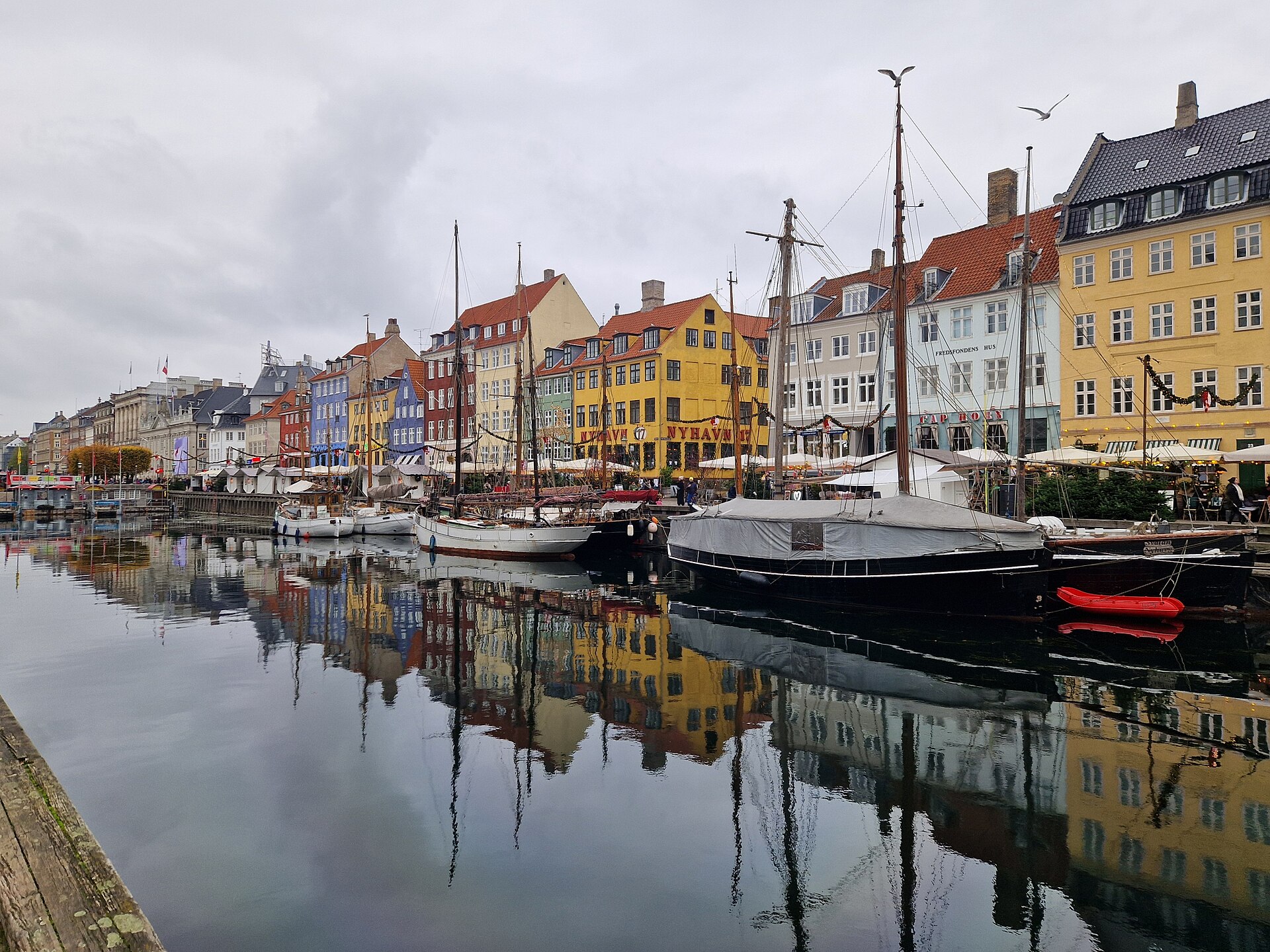
One or two high-demand meals can justify fixed times; the rest of the trip benefits from flexibility. Over-reserving removes the spontaneous value of a city where good food exists across many levels and neighbourhoods.
The OREVYON rule: food should improve the city geometry

The right table is not automatically the most prestigious one. It is the one that makes the day stronger. If a reservation breaks a coherent neighbourhood evening, compare it with a good local alternative and keep the Journey intact.