
A fully car-free Alentejo trip is possible only when you deliberately narrow the scope. Évora can stand on its own without driving, but the region's vineyards, countryside stays, whitewashed towns and Atlantic coast are spread across large distances. For regional depth, a car is strongly useful.
Évora is the clearest car-light option
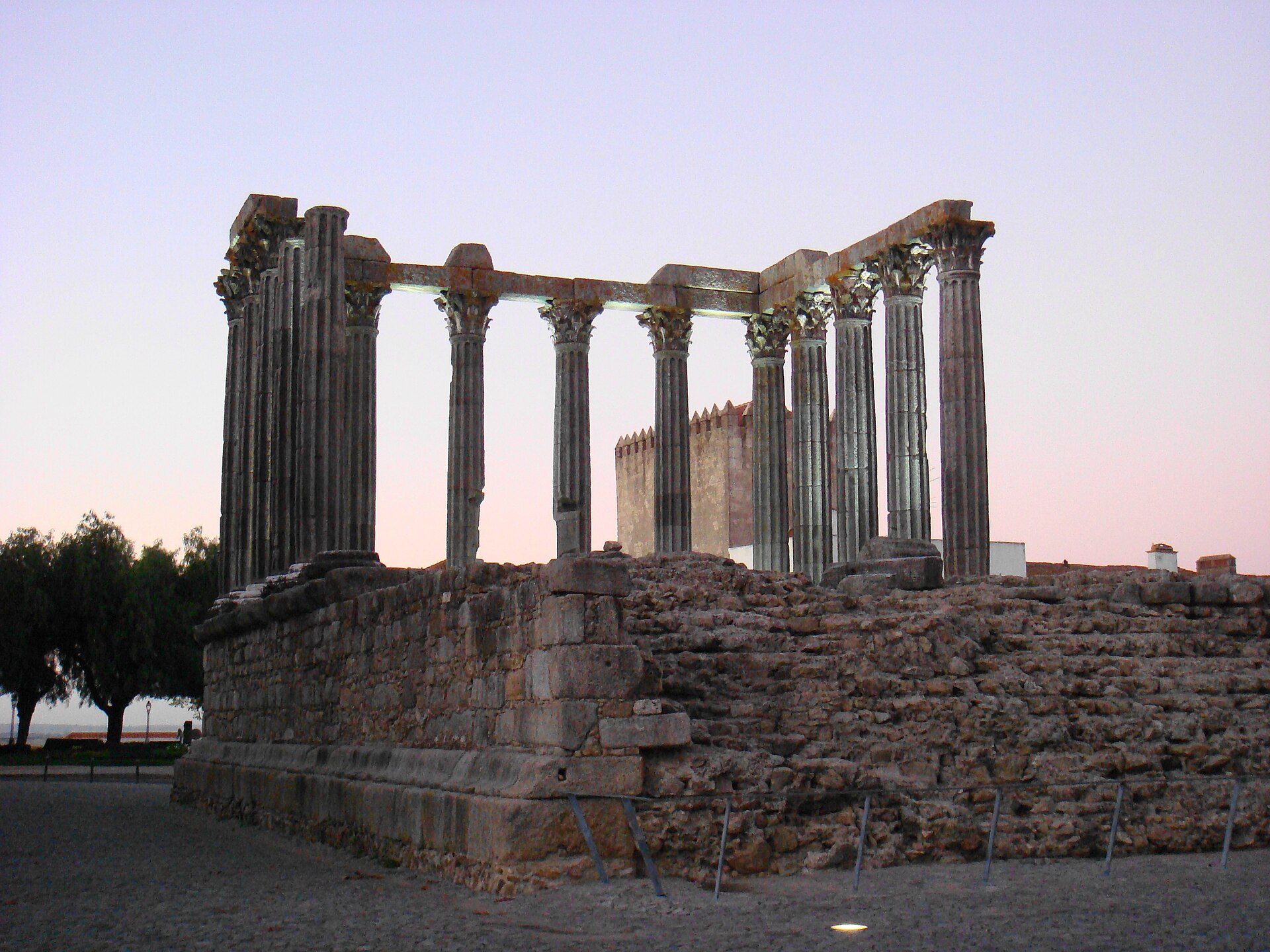
A focused stay around Évora can work without a car because the historic centre is walkable and the city itself has enough cultural and evening depth to support a short trip. The limitation is what you lose beyond the city.
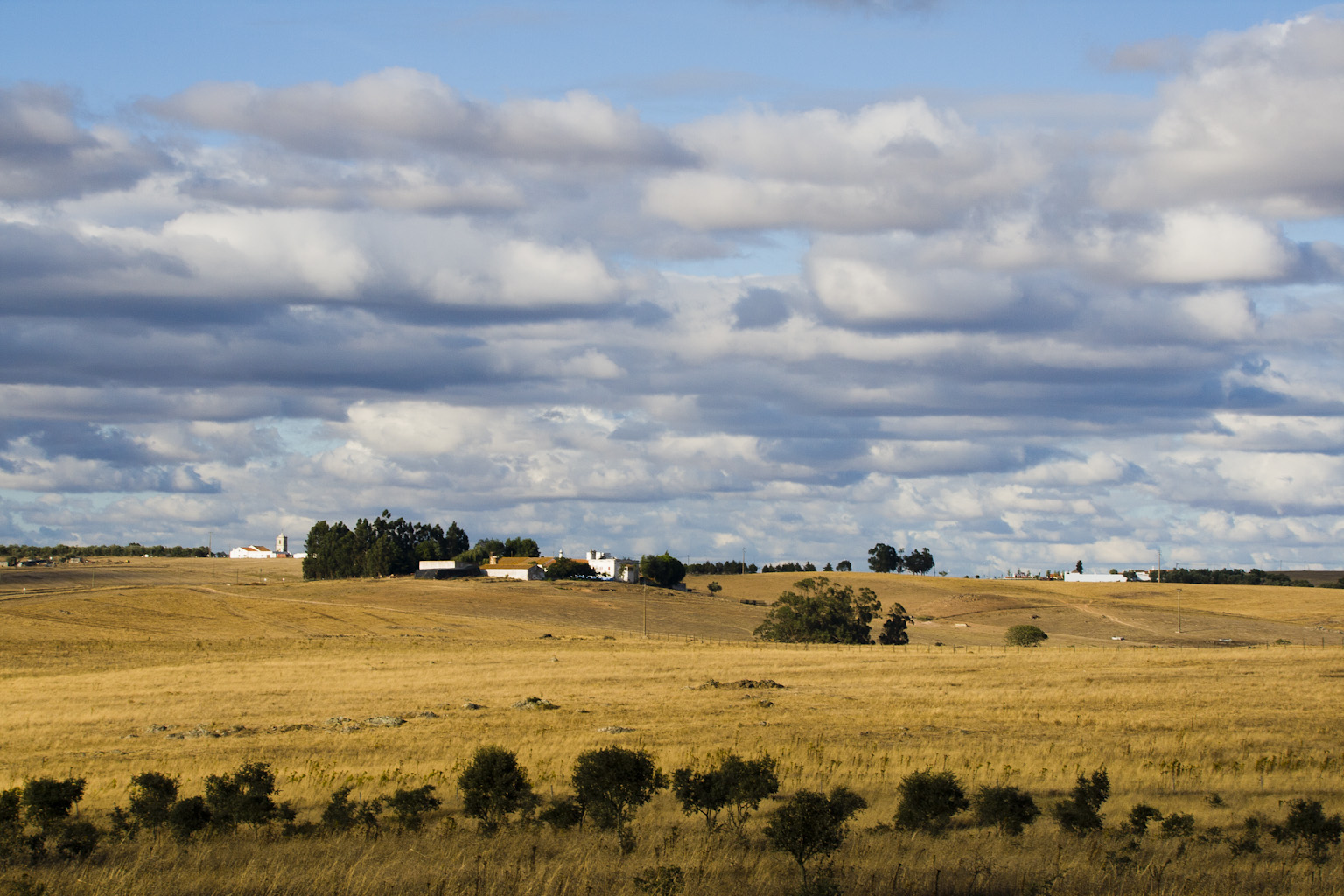
Regional Alentejo is built around distance
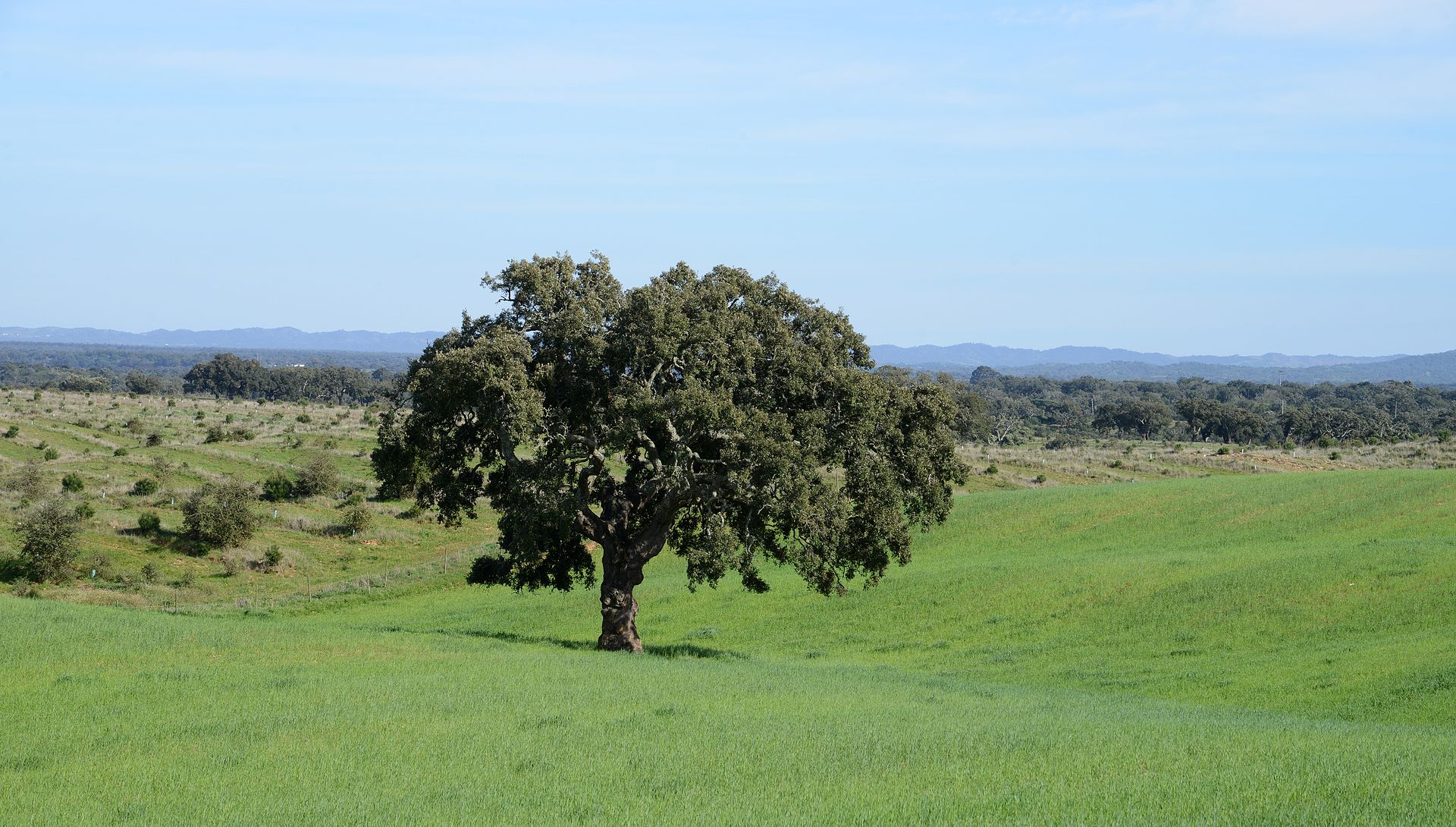
Cork-oak landscapes, wine estates, hill towns and rural hotels are not clustered like urban attractions. Self-drive converts those distances from friction into part of the road-trip experience.
Transfers can replace some driving, but not all flexibility
A planned transfer can connect a hotel, wine estate or second base, but it does not create the same freedom to stop at a village, change lunch plans or adapt the day around weather and heat. The more regional the trip, the more valuable independent mobility becomes.
The coast deserves a deliberate mobility plan
Coastal walking and beaches can be excellent, but combining the Atlantic with inland Alentejo adds real distance. Treat that as a second chapter with its own base rather than repeatedly driving back and forth.
Do not force a car-free identity onto the wrong trip
If your priority is one historic city and a slow stay, a car-light version can be elegant. If you want wine country, rural hotels, multiple towns and coast, self-drive is usually the more coherent choice. OREVYON would optimise for less friction, not for ideological purity.