
Copenhagen is easy to visit and therefore easy to over-plan. The city becomes better when you stop measuring it by how many central sights fit into one day and start using its mobility to move between distinct neighbourhoods. OREVYON would treat the first trip as a lesson in urban rhythm: walk locally, move efficiently, eat well and leave enough time to stay somewhere longer than expected.
Three to five nights is the useful range
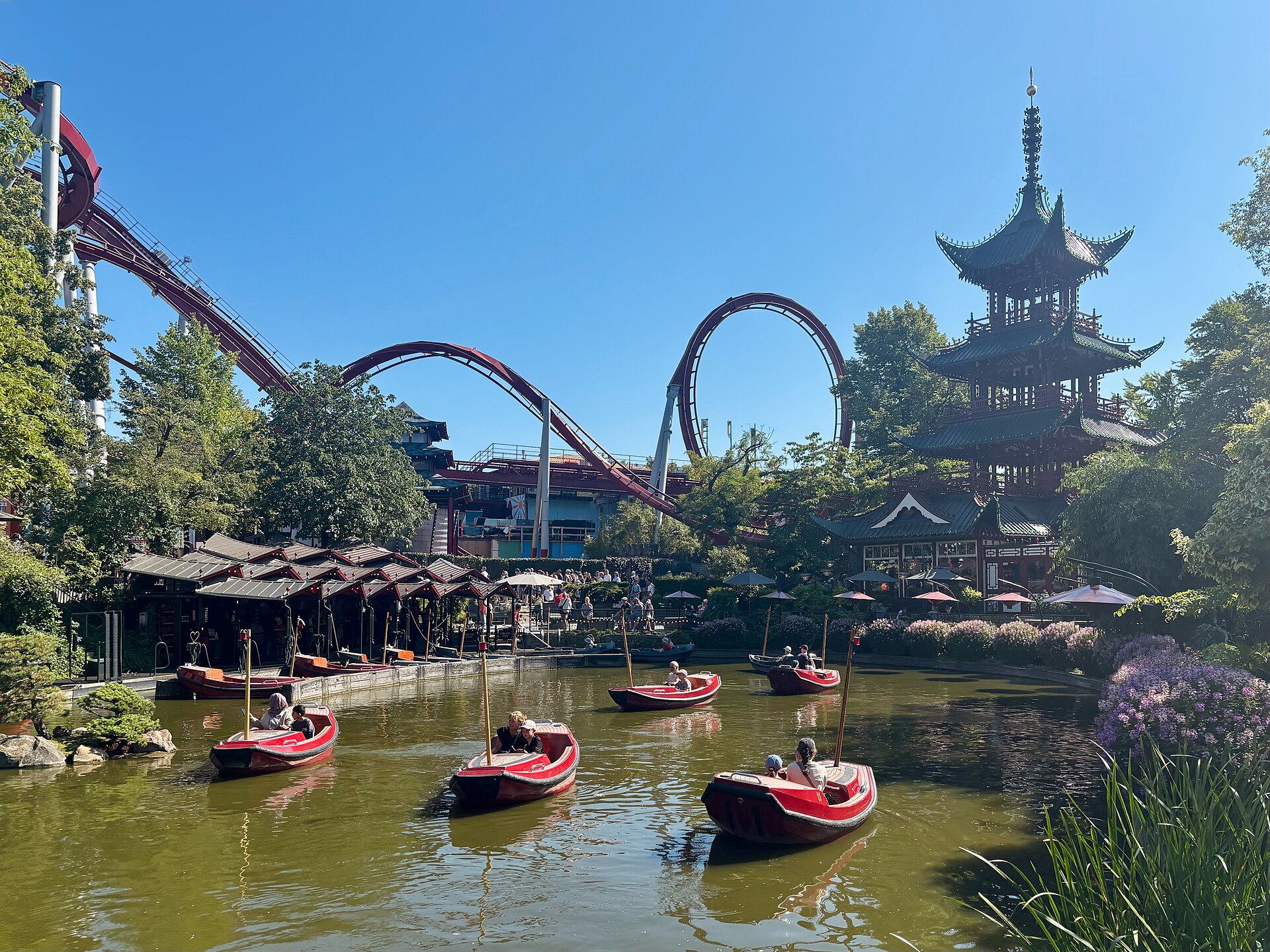
Three nights can produce a strong first read; four is the sweet spot for adding neighbourhood and food depth without rushing. Five nights supports slower repeats, museums or day-trip logic. Copenhagen does not need a week to make sense, but it rewards staying beyond a two-day highlights sprint.
Do not confuse compact with walk-everywhere

The centre is easy on foot, but walking every cross-city movement wastes energy that could be spent inside the neighbourhood itself. Use metro or bike for the larger jump, then walk once the streets become interesting.
Give at least one neighbourhood half a day
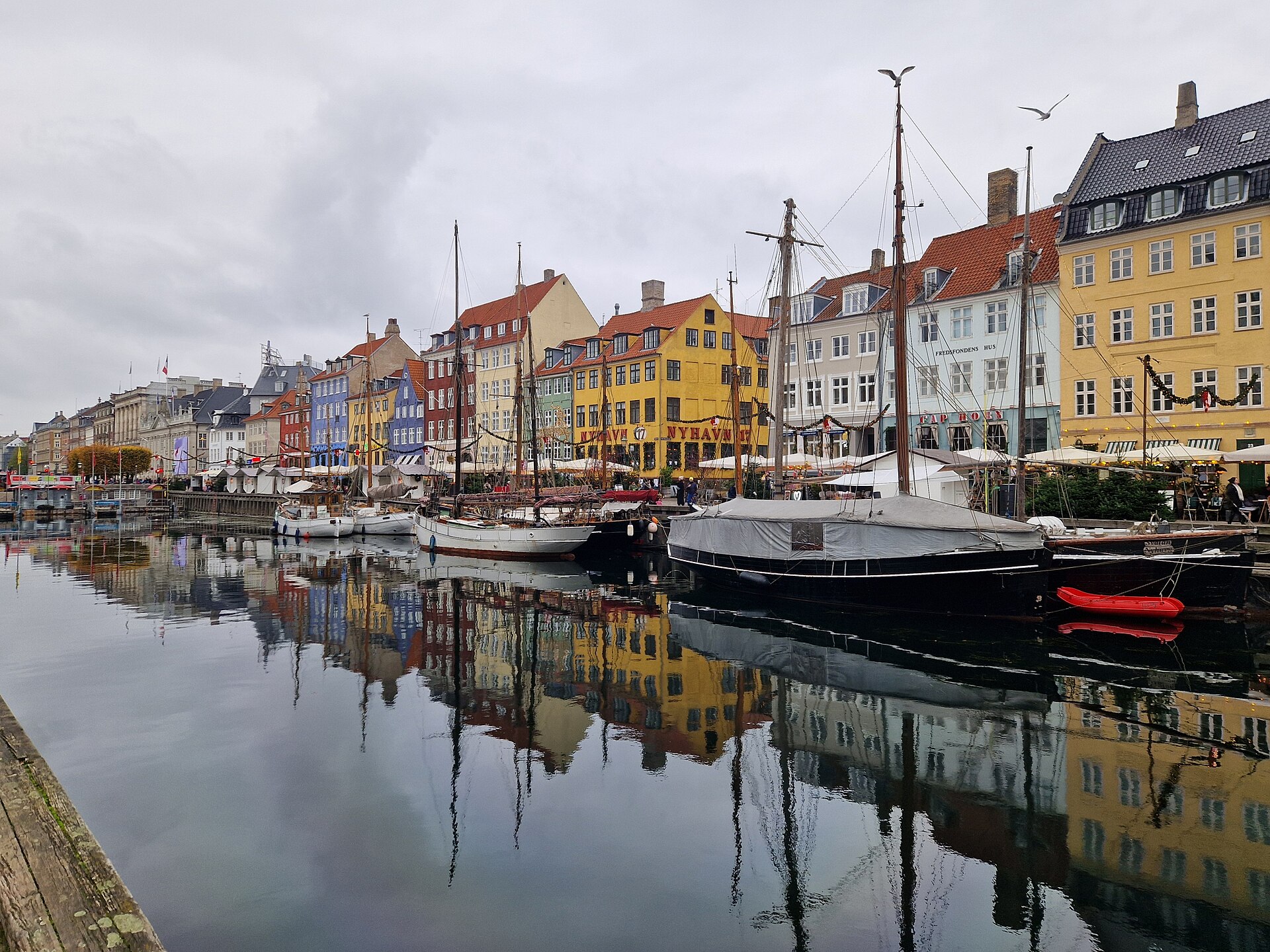
Vesterbro, Nørrebro, Christianshavn or Frederiksberg should not exist only as dinner locations. Let one district carry cafés, food, shops, architecture and evening. That is where Copenhagen stops feeling like Nyhavn plus monuments.
Food and design are not side themes
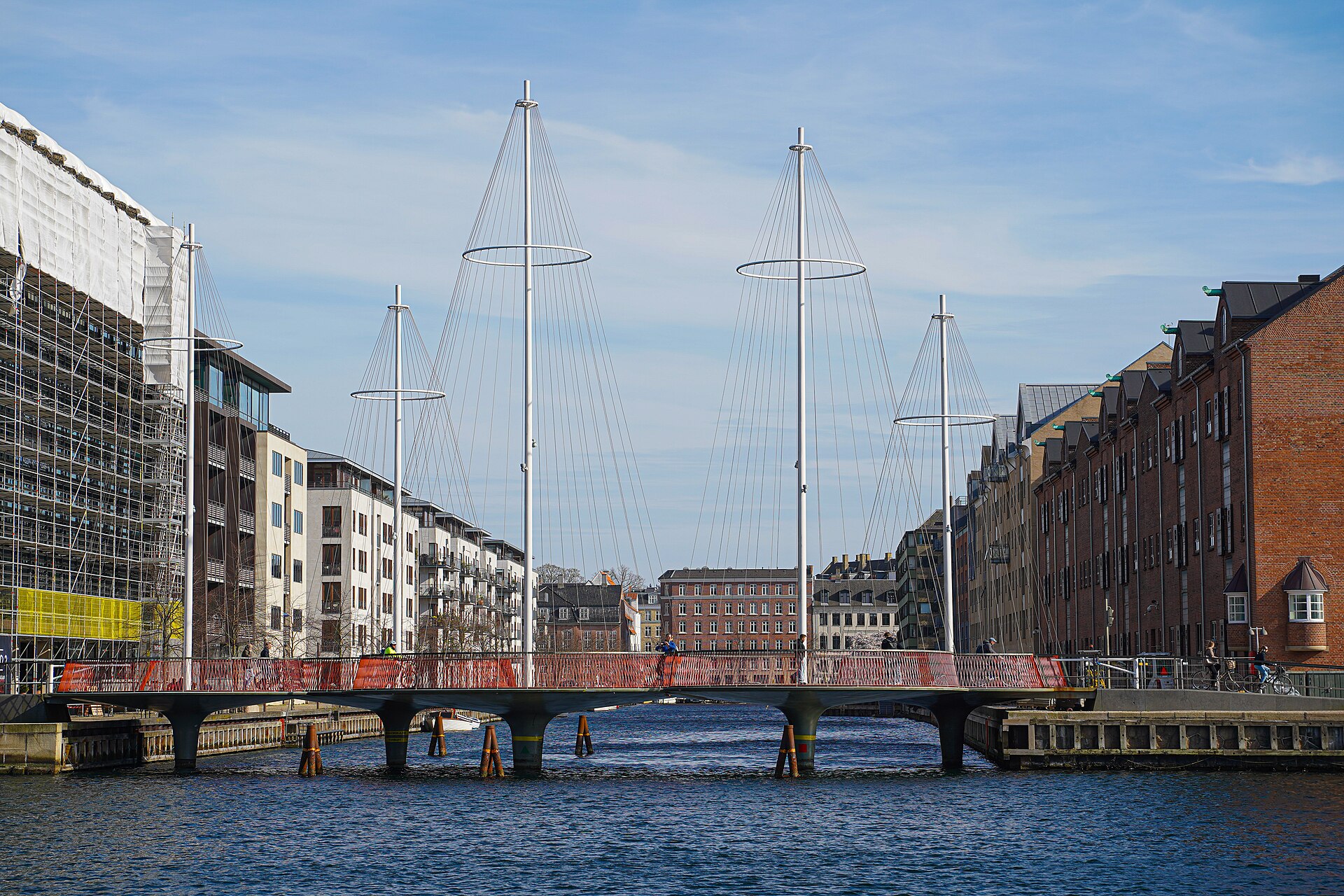
Bakeries, markets, restaurants, bridges, harbour edges and public space explain as much about Copenhagen as formal attractions do. Build them into the day from the start rather than treating them as optional extras after sightseeing.
Let one evening remain open

The city's best first-trip advantage is usability. Leave enough room for a waterfront walk, another bar, a longer dinner or a spontaneous return to a district. Copenhagen feels premium when the plan is clear but never tight.