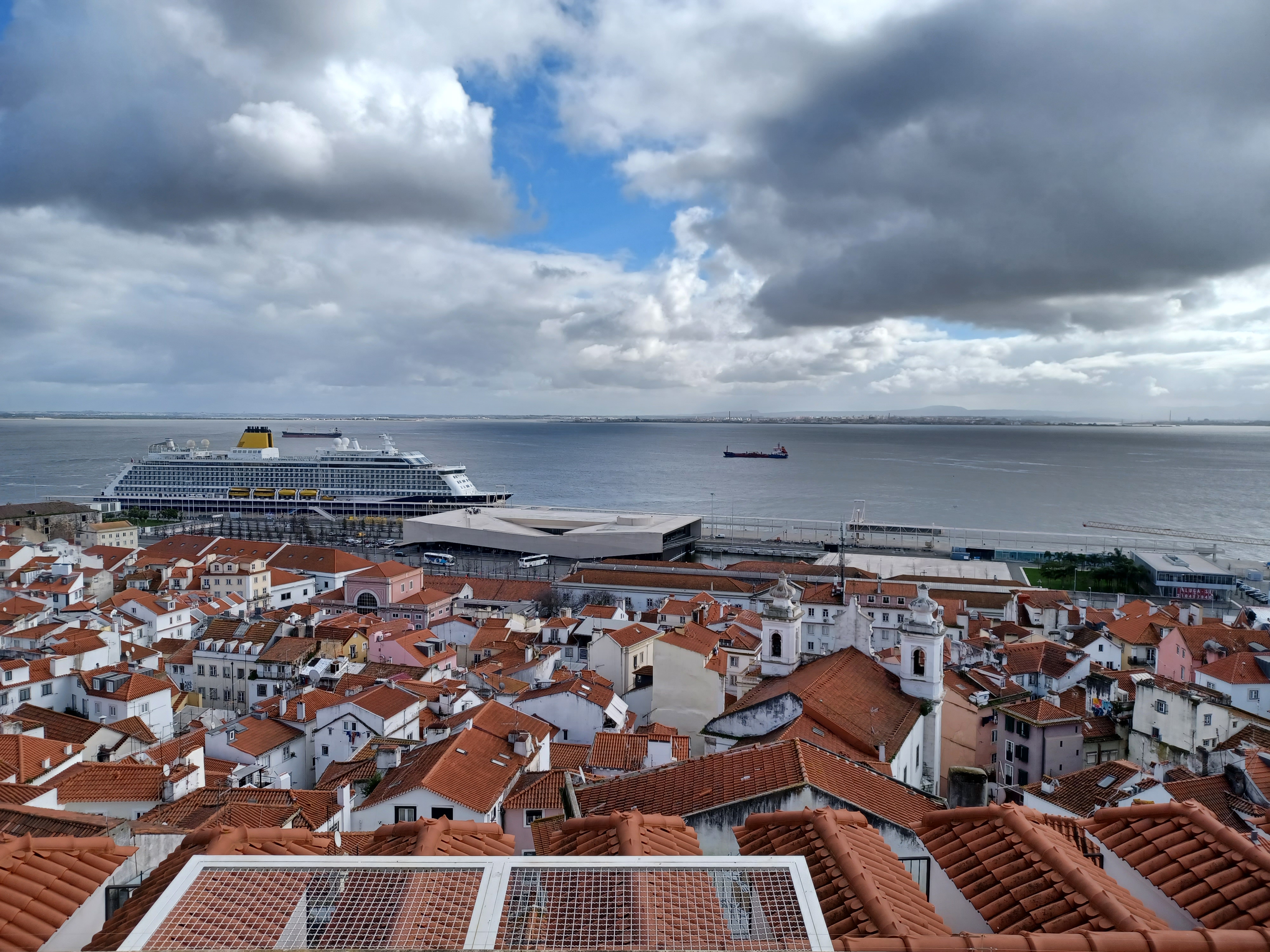
Lisbon is easy to eat badly if every meal becomes a search for 'the best'. It is much better when food is allowed to behave like the city: neighbourhood-led, seasonal, casual in places, deeply traditional in others, and not always planned three days ahead.
The point is not to collect ten Portuguese dishes. It is to understand a few food patterns well enough that breakfast, lunch, dinner and the spaces between them begin to shape the trip.
OREVYON would therefore build a Lisbon food plan around what to seek out, where it belongs and when it improves the day.
The short answer
- Start with a real Lisbon morning: coffee, a pastry shop and a warm pastel de nata rather than a destination breakfast every day.
- Try bacalhau in more than one form; bacalhau à Brás and pastéis de bacalhau show two very different expressions of the same ingredient.
- Treat grilled sardines as seasonal culture, especially around June and summer — not as a compulsory year-round checkbox.
- Give fish and seafood a proper meal rather than squeezing them between attractions.
- Use Mercado da Ribeira as a useful sampler or social stop, not as a replacement for eating in neighbourhoods.
- Let Belém own one pastry moment instead of turning every dessert in Lisbon into a pastel de nata comparison.
- Buy conservas or another traditional food product when you want an edible memory of Lisbon that travels home well.
Morning · Learn Lisbon through the pastelaria
The first useful Lisbon food habit is small. Do not make every breakfast an event.
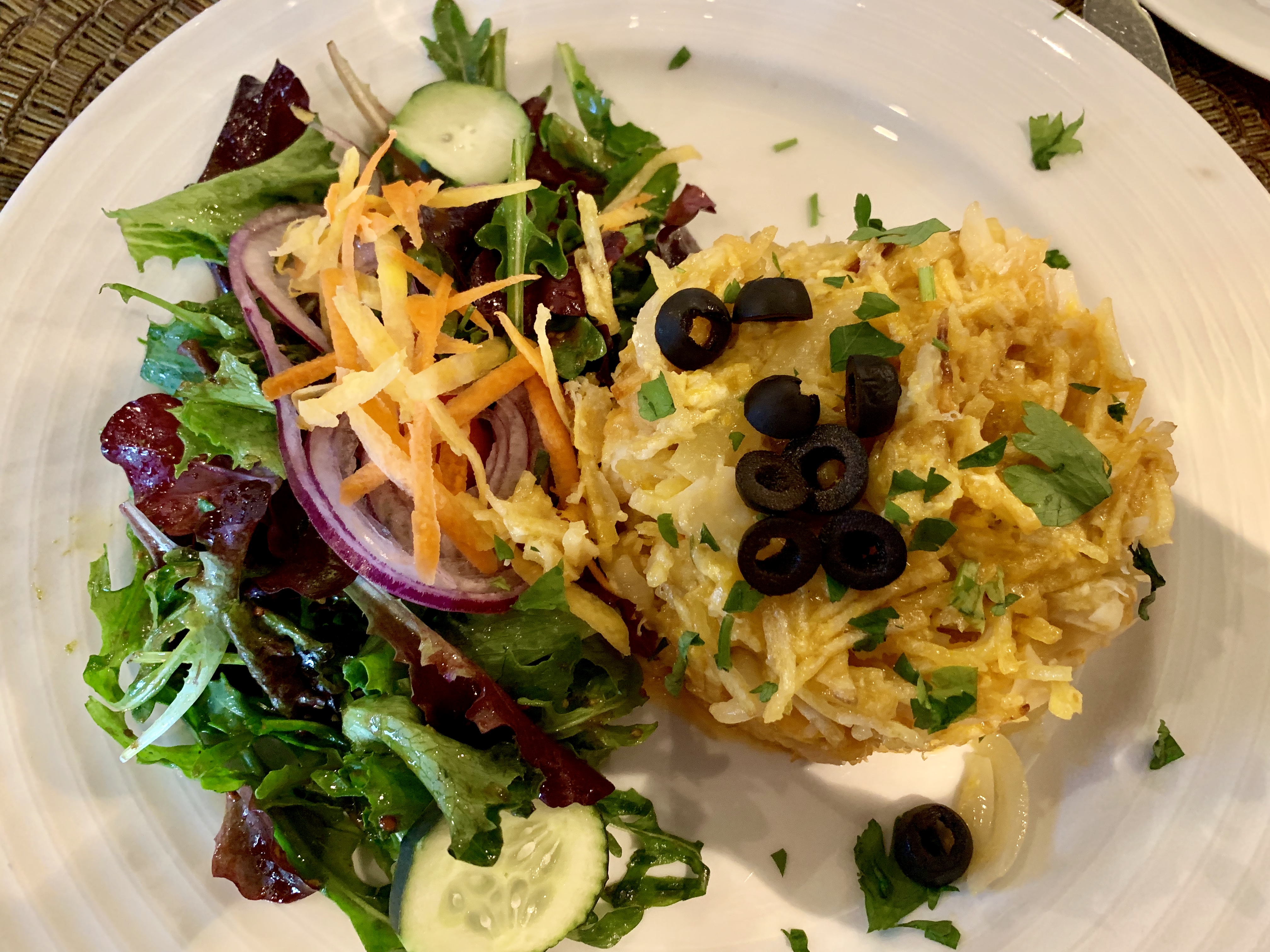
Visit Lisboa calls the pastel de nata the city's best-known cake and pairs it naturally with a bica, the Lisbon name for an espresso. That does not mean you need to hunt for a famous pastry every morning. The value is the ritual: stand or sit somewhere simple, drink coffee, eat something warm and let the day begin at neighbourhood scale.
Try several pastéis de nata during the trip if you want. The point is not to declare a winner. It is to notice that the same pastry can belong to a quick local morning, a slow café break or a deliberate Belém stop.
every trip style, especially mornings before a walking-heavy day.
a warm pastel de nata and a bica.
one excellent ten-minute stop can feel more Lisbon than a heavily scheduled breakfast.
Bacalhau · Do not treat cod as one dish
Salt cod is one of the easiest ways to understand how Portuguese food repeats an ingredient without repeating an experience.
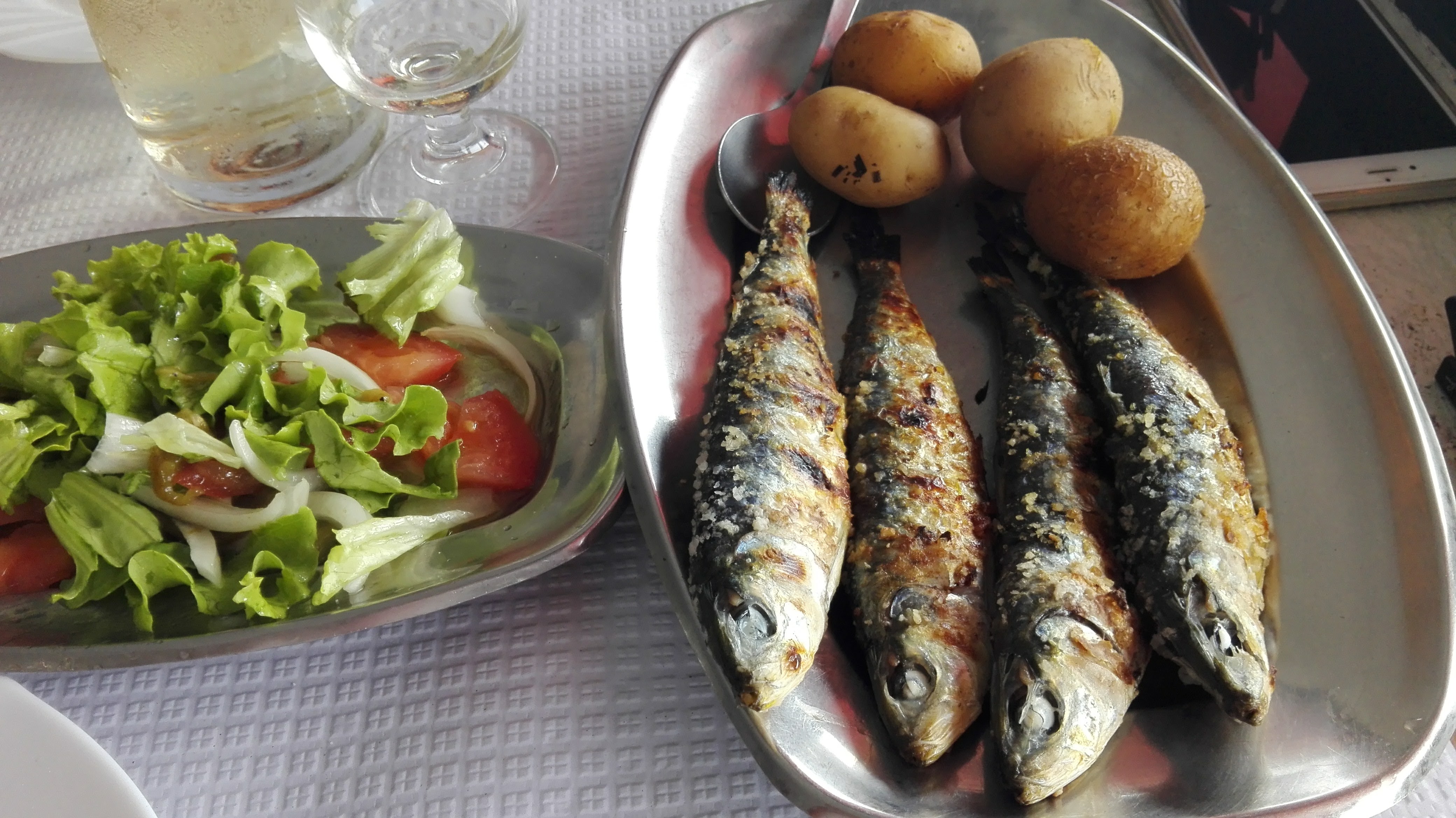
Visit Lisboa's historic-shops route specifically names bacalhau à Brás and pastéis de bacalhau among traditional preparations. The first is soft, rich and built around shredded cod, potato and egg; the second turns cod into a compact fried snack.
That makes bacalhau useful across different moments of the trip. You do not need a formal 'cod dinner'. Try one preparation at lunch, another as a smaller plate later, and let the ingredient appear naturally rather than ordering it because a checklist told you to.
travellers who want traditional Portuguese food without needing fine dining.
contrast between preparations, not the largest possible portion.
the interesting part is not that Lisbon eats bacalhau — it is how many different roles bacalhau can play at the table.
Sardines · Season matters
Grilled sardines are one of the clearest examples of why a food guide should care about timing.
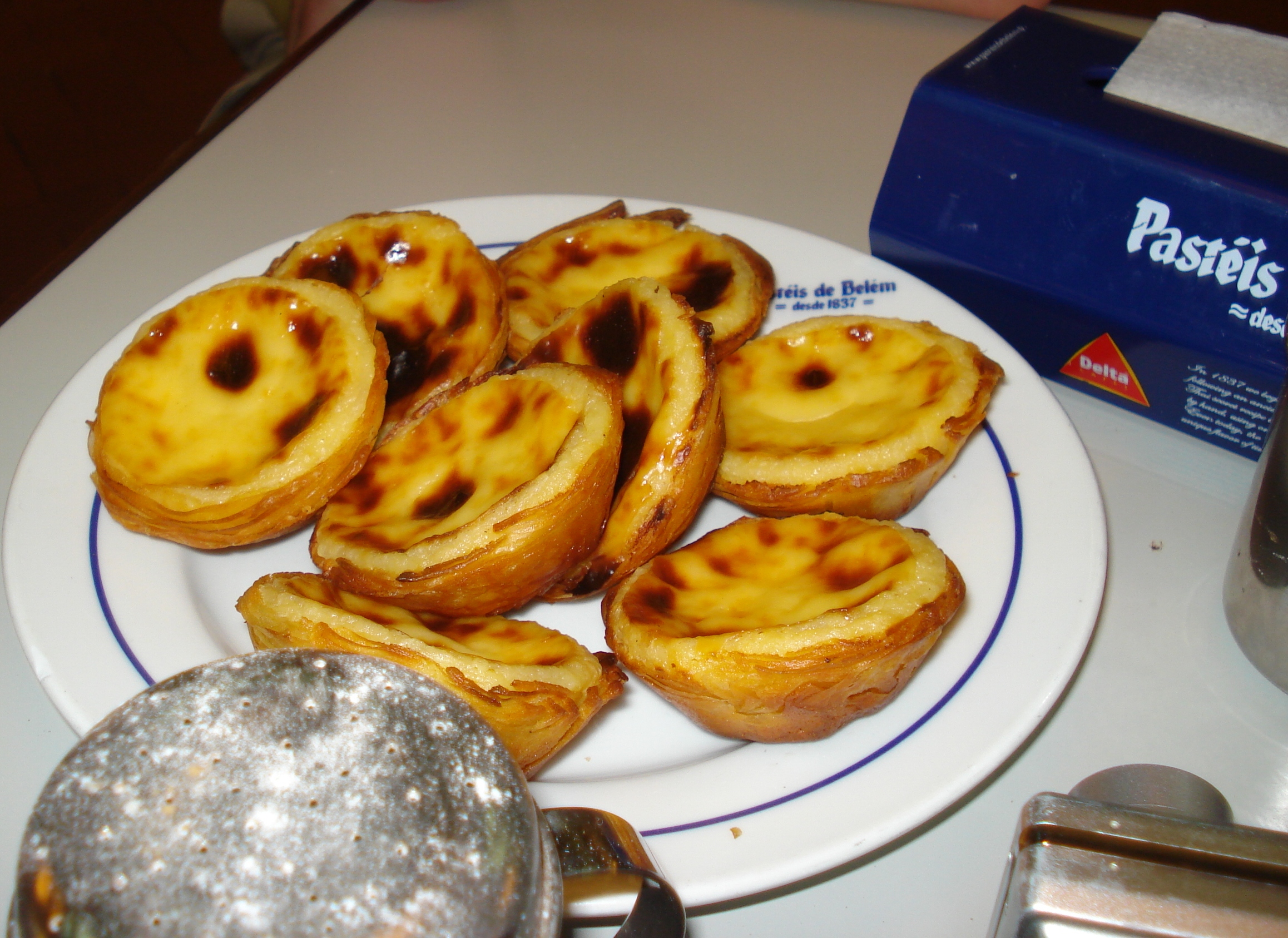
Visit Portugal links sardinhas assadas especially to Lisbon's Popular Saints festivities in June and to the summer season. That context matters. Sardines are not only a dish; in the right month they become part of the smell, smoke and street life of the city.
If you are in Lisbon in June, let them be part of the city you are actually visiting. If you are there in winter, do not force your trip to imitate a June food list. Lisbon has enough other fish, seafood and cod traditions to eat according to the season.
June and summer trips.
the seasonal experience, not only the plate.
one of the best ways to eat Lisbon well is to stop pretending every food experience belongs equally to every month.
Fish and seafood · Give the sea a real meal
Lisbon's relationship with the Atlantic and the wider coastal region is central to its food identity. Visit Portugal points to grilled fish, fish soups, stews and seafood coming through coastal places such as Cascais, Sesimbra and Setúbal.
This is where the itinerary should slow down. Fish and seafood work badly as another fifteen-minute 'must eat'. Give the meal enough time to choose, share, ask what is good that day and let lunch or dinner become part of the journey.
If a day trip takes you to Cascais, Setúbal or the coast, this food pattern can move with the geography. You do not need to force every regional flavour into central Lisbon.
long lunches, coast-linked days and travellers who value food as an experience rather than fuel.
grilled fish, seafood, soups and regional preparations according to appetite and season.
the strongest food plan follows the geography of the trip instead of trying to eat the whole region in one neighbourhood.
Belém · Let one pastry belong to one place
Explore destination →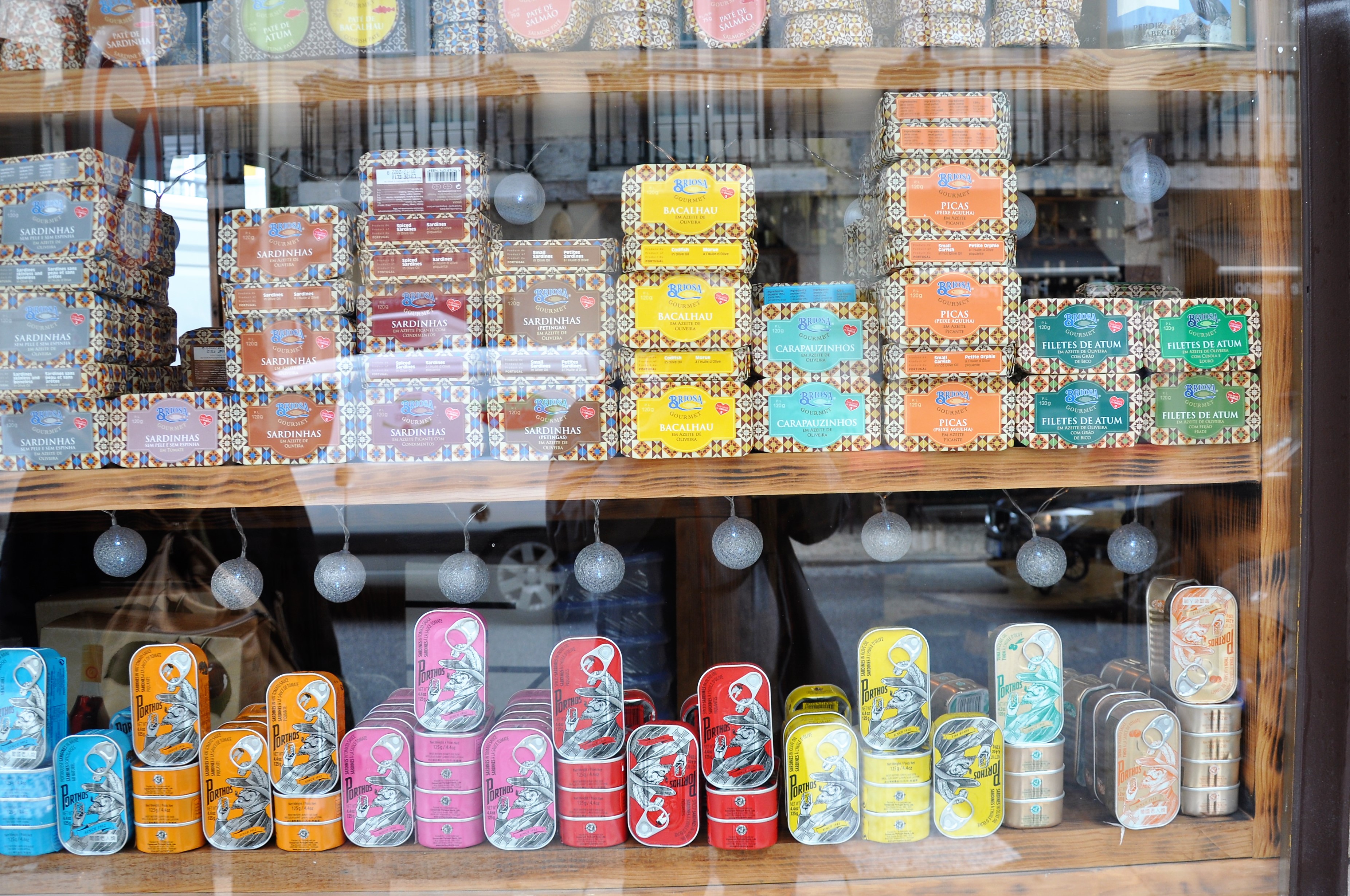
Belém is where Lisbon's most famous pastry acquires a different meaning.
Visit Lisboa traces Pastéis de Belém to 1837 and a recipe associated with the nearby Jerónimos monastery. That history is exactly why OREVYON would not treat the stop as a generic dessert recommendation.
Build it into the Belém chapter. See the river, architecture or museums, then let the pastry belong to that geography. You will still eat pastel de nata elsewhere in Lisbon; this is a different experience because the place is part of the story.
a Belém day, architecture and cultural trips.
the context as much as the pastry.
food becomes more memorable when it belongs to a place rather than to a list.
Mercado da Ribeira · Useful, but not your entire Lisbon food strategy
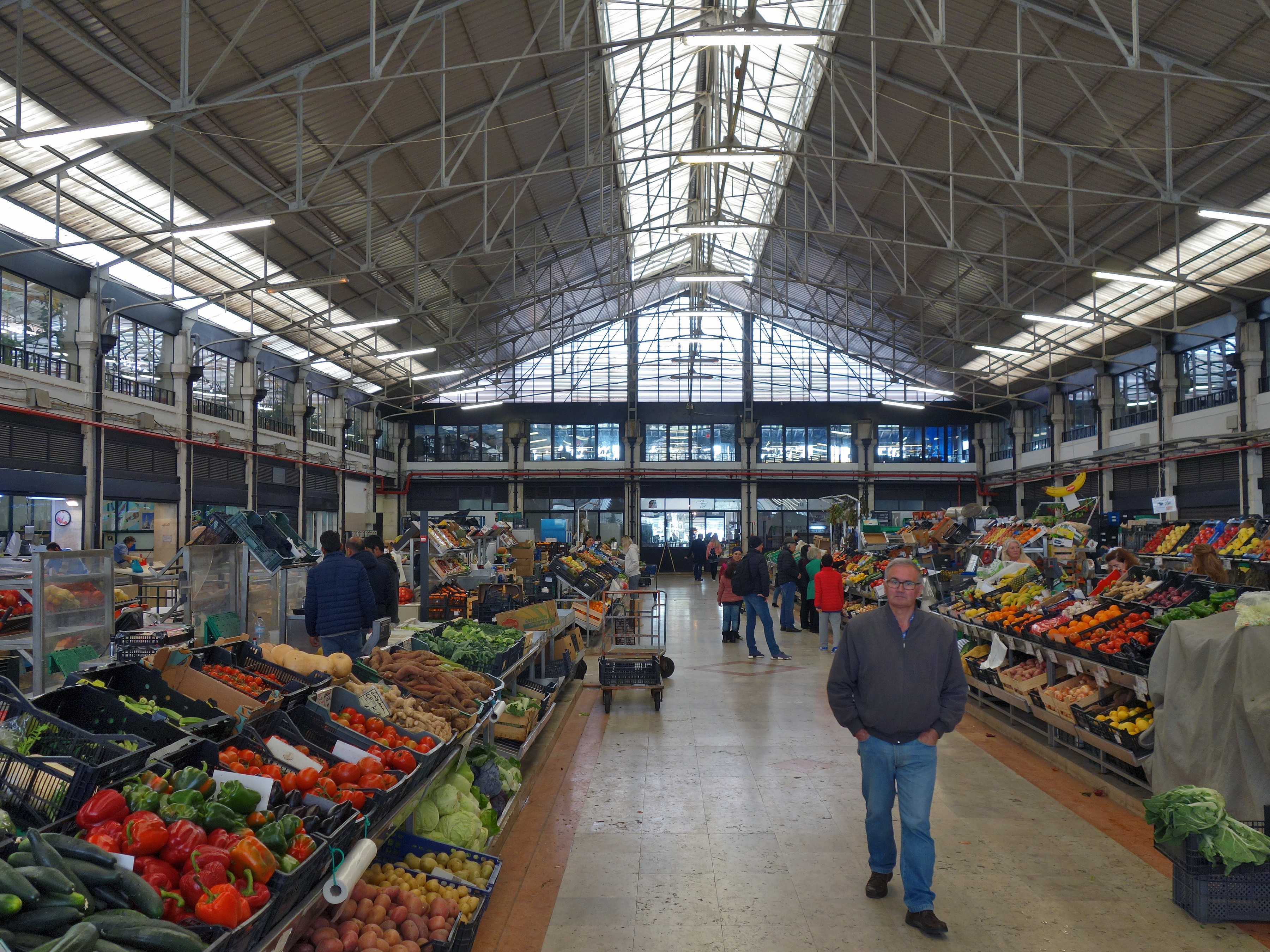
Mercado da Ribeira in Cais do Sodré is genuinely useful. Visit Lisboa currently describes it as one of the city's main food courts, spanning traditional dishes, newer concepts and bakeries.
That makes it excellent when a group wants different things, when you want to sample several styles in one place, or when the market fits naturally into a Cais do Sodré evening.
But convenience is not the same as completeness. If every Lisbon meal happens inside one famous food hall, you lose the relationship between food and neighbourhood. Use the market as one tool in the trip, then keep eating elsewhere.
groups, flexible appetites, sampling and Cais do Sodré days.
concentration is convenient, but neighbourhood context is part of what makes Lisbon interesting.
use the market to widen the trip, not to replace it.
Conservas and historic shops · Food that can leave Lisbon with you
Not every food memory needs to be consumed at a restaurant table.
Visit Lisboa's Shops with History route includes canned sardines and other preserved fish among the traditional products still associated with historic Lisbon commerce. That makes conservas useful in a different way: they connect food, design, retail history and something you can actually take home.
This is also a good counterweight to souvenir shopping that has nothing to do with the place. A tin of fish, a traditional sweet or another food product can become part of the travel memory because it extends the meal beyond the trip.
Choose the neighbourhood according to the meal
Lisbon food planning gets stronger when you stop asking for one 'best restaurant area'.
Baixa / Chiado → useful when food needs to fit naturally into a central sightseeing day, with the widest flexibility around you.
Alfama / Mouraria → strongest when dinner should carry traditional atmosphere, old-Lisbon context or flow into a Fado evening.
Príncipe Real → strong for a more contemporary, lifestyle-led dinner and an evening that may continue locally.
Cais do Sodré → market sampling, casual group flexibility and food that can flow into a later night.
Belém → pastry, riverfront and a food stop that belongs to a cultural day rather than a full dining strategy.
Estrela / São Bento → useful when the goal is a slower neighbourhood dinner without adding another major movement across the city.
The anti-checklist rule
Do not make every meal carry the burden of being 'iconic'.
One meal can be the famous one. Another can be the convenient neighbourhood place that lets you stay longer in the part of Lisbon you already like. One lunch can be fish. Another can be a few petiscos and wine. One morning can be Pastéis de Belém. Another can simply be coffee and something warm near the hotel.
The trip becomes richer when food supports the rhythm instead of constantly interrupting it.
A simple OREVYON food pattern for Lisbon
- Morning → bica + pastelaria.
- One traditional lunch → bacalhau, grilled fish or another Portuguese classic.
- One long food-led meal → fish, seafood, petiscos or a more contemporary Portuguese dinner.
- One place-specific stop → Pastéis de Belém in Belém.
- One market or historic-shop moment → Mercado da Ribeira, conservas or another traditional product.
- At least one meal with no sightseeing immediately attached to it.
The OREVYON read
The best Lisbon food trip is not the one that eats the longest list.
It is the one that understands when food should be quick, when it should be seasonal, when it should belong to a neighbourhood and when it deserves to become the main event.
Eat Lisbon in layers. The city will make much more sense that way.