
Alentejo makes sense when space is treated as part of the experience rather than something to drive through. A first trip is strongest when you resist covering the whole region and instead choose one or two chapters: a historic base, countryside and wine, or the Atlantic coast. The region rewards travellers who prefer depth, long meals and landscape over a dense attraction count.
Give the region five to eight nights if you want its full rhythm
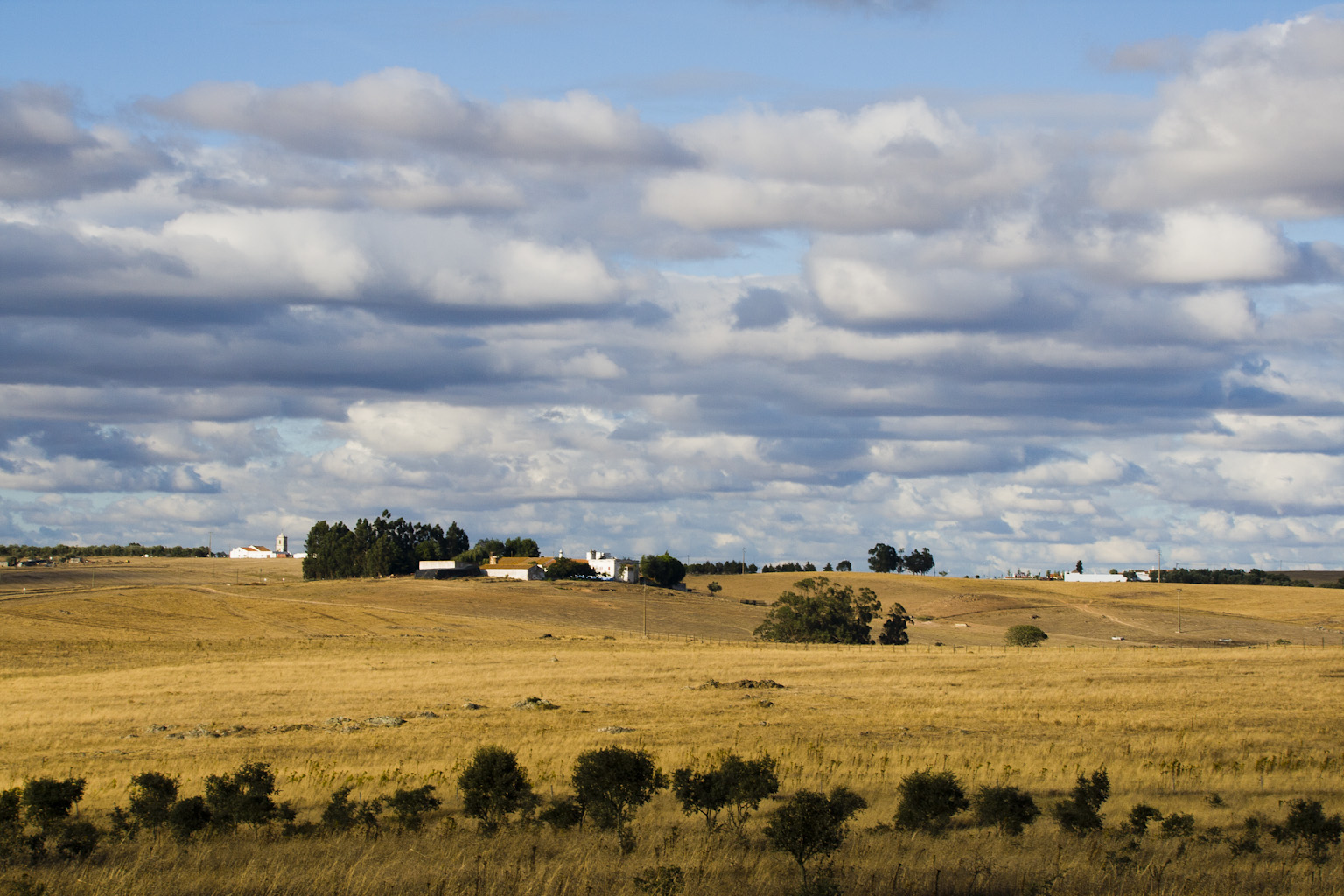
Five to eight nights is the most natural first-trip range when you want more than one side of Alentejo. Three or four nights can work if you focus tightly on Évora and nearby countryside, or on one coastal stretch. The danger is assuming that whitewashed towns, vineyards and Atlantic beaches sit close enough to combine casually; distance quickly turns a beautiful plan into a driving schedule.
Choose the base before the route
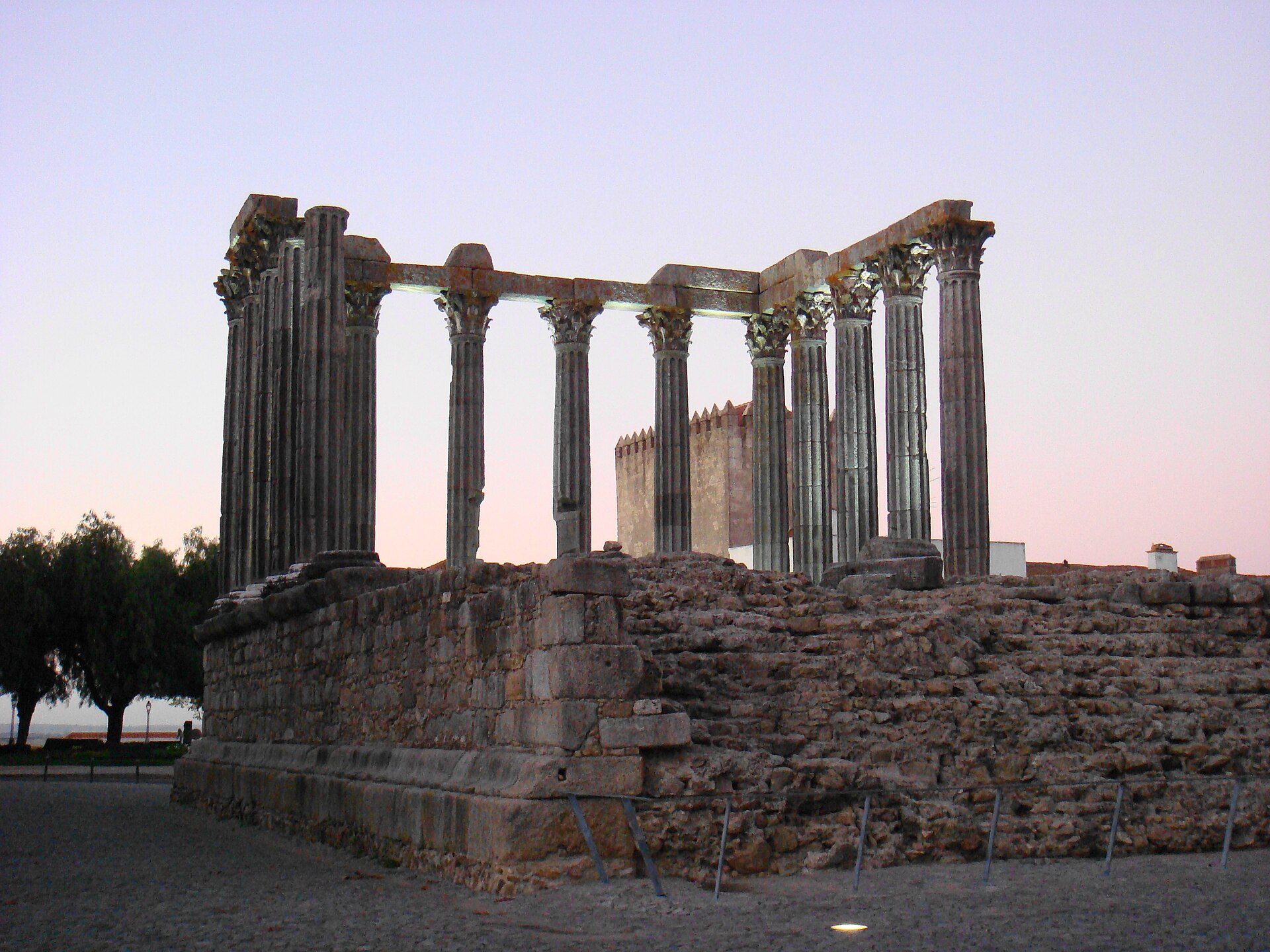
Évora is the clearest cultural anchor, with a walkable historic centre and enough restaurants to make evenings easy. Monsaraz and Reguengos shift the trip toward wine country, lake views and a slower rural rhythm. Estremoz and Vila Viçosa work for northern Alentejo and winery-led days. The coast deserves its own chapter when beaches, seafood and coastal walking are genuinely part of the trip rather than a detour.
Accept that a car unlocks the deeper region
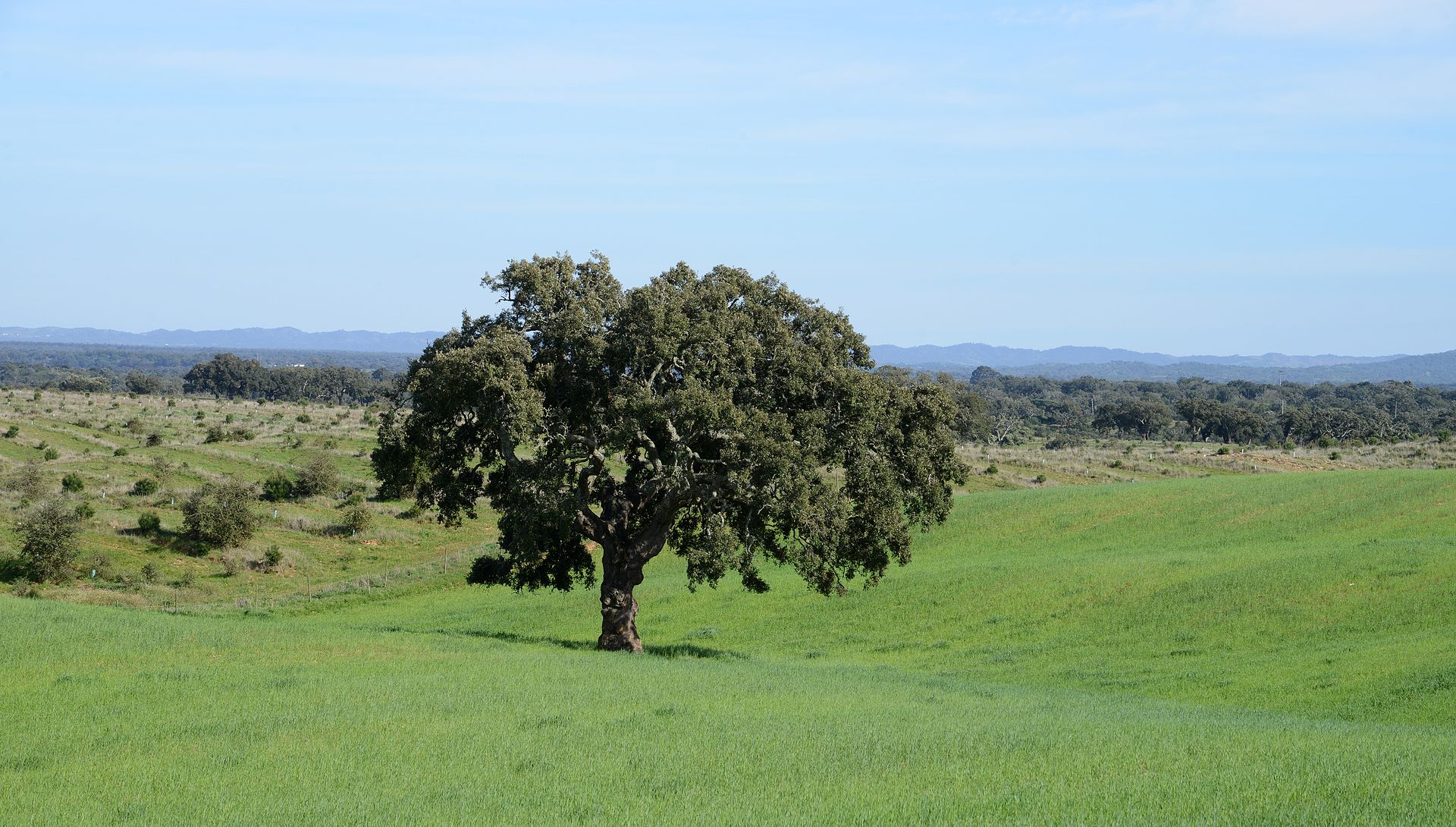
Évora itself can work without a car, but the wider Alentejo experience is more naturally self-drive. Vineyards, rural hotels, hill towns and the coast are dispersed. OREVYON would rather use a car selectively and keep the itinerary spacious than force a car-free plan that removes the very places that make the region distinctive.
Let food, wine and landscape become the activity
Alentejo is not simply a sequence of towns. Cork-oak landscapes, vineyards, olive groves, long lunches and regional wine are part of the reason to travel here. One countryside stay, one deliberate wine lunch and one slow afternoon can add more than squeezing in another distant stop.
Plan around heat, distance and the coast as a separate rhythm
Spring and autumn are especially natural for walking, wine and outdoor meals. In summer, hotter inland afternoons push the day toward earlier starts, longer lunches, pools and evenings. The Atlantic coast changes the trip again: add it because you want ocean days and walking, not because it happens to fit on the map.