
Lisbon and Porto are often compared as if Portugal were asking you to choose a winner. That is the wrong question.
They solve different kinds of city break. Lisbon spreads the trip across more neighbourhood modes, the Tagus, Belém, hills, Fado and easy regional extensions. Porto feels more concentrated around a compact historic core, the Douro, wine culture and a direct Atlantic edge.
OREVYON would choose between them by deciding what you want the trip to feel like from morning to night.
The short answer
- Choose Lisbon when you want a broader, more layered city break with several neighbourhood personalities and more ways to extend the trip.
- Choose Porto when you want a more compact city rhythm, a strong river identity and food-and-wine culture that can anchor the whole stay.
- Choose Lisbon for four or five nights when you want neighbourhood depth, Belém and perhaps one day trip without feeling rushed.
- Choose Porto for two or three nights when you want a coherent historic-city experience that still reaches the Atlantic.
- Choose both when Portugal itself is the trip and you have enough time to avoid turning the train into a packing exercise.
Scale · Lisbon asks you to choose zones; Porto lets you stay closer to one centre of gravity
Visit Porto describes its city centre as compact and structures the city into eight districts. That does not mean Porto is tiny; it means the historic and downtown experience can be held together relatively coherently.
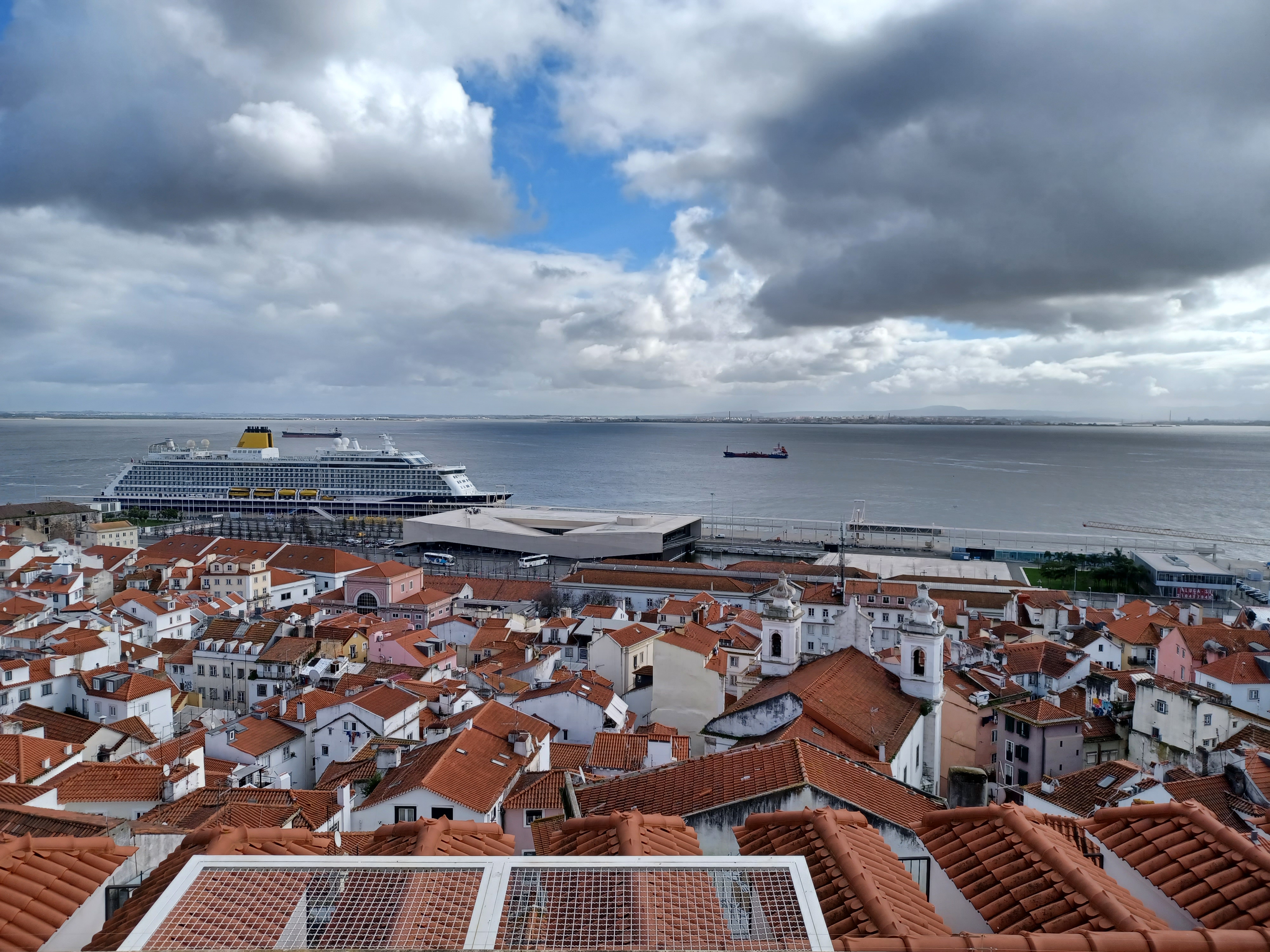
Lisbon behaves differently. Its experience stretches between multiple neighbourhoods and distinct zones: the historic hills, Baixa and Chiado, Príncipe Real, Estrela, Cais do Sodré and the western chapter of Belém all pull a trip in different directions.
That distinction matters more than population or map size. Porto often rewards staying in the same urban story longer. Lisbon rewards choosing which urban story you want next.
travellers who enjoy several different city modes inside one stay.
travellers who like a strong central narrative and less repeated cross-city movement.
choose the scale of the trip, not the fame of the city.
Historic atmosphere · Porto concentrates it; Lisbon layers it
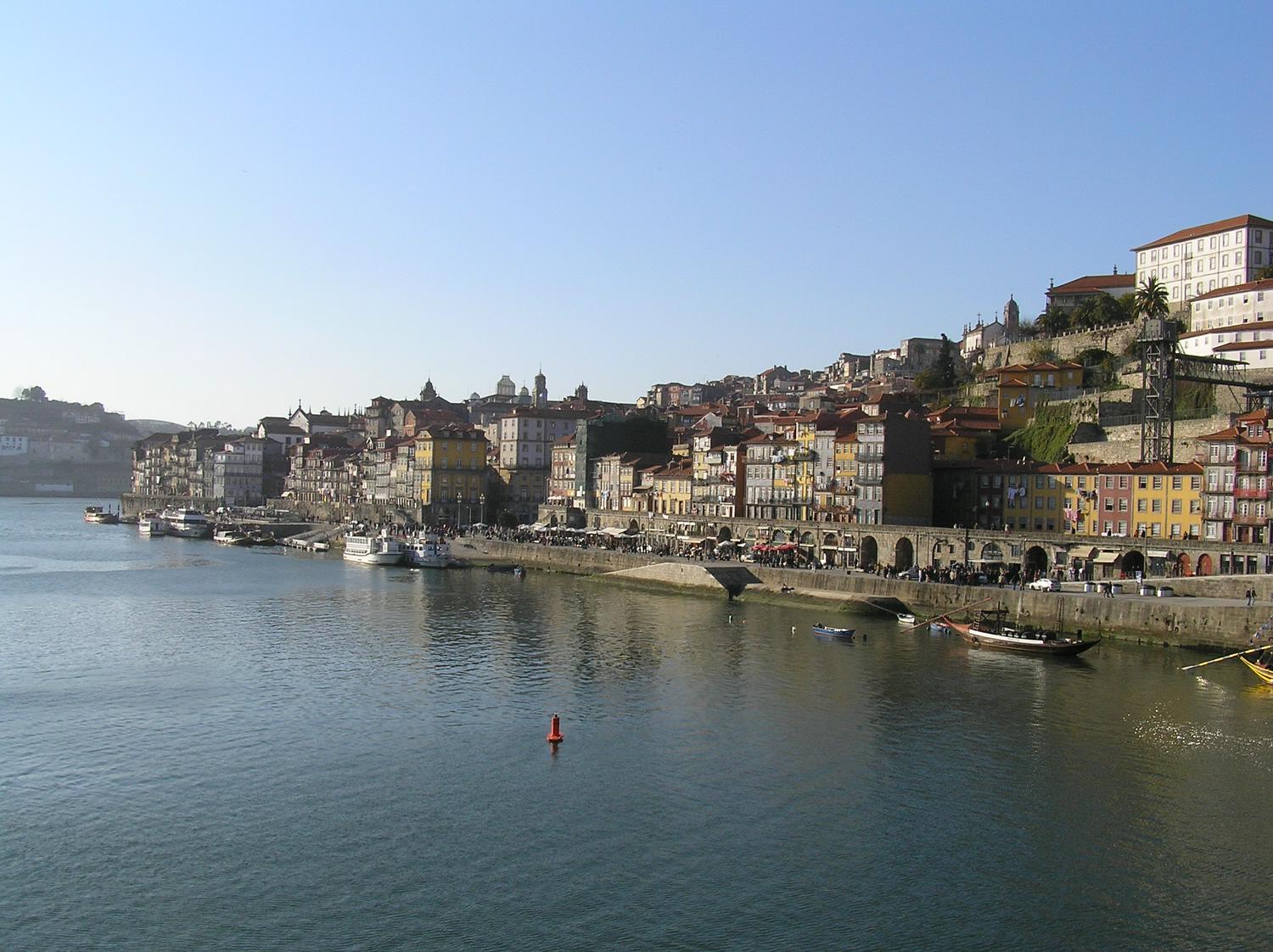
Porto's Historic District contains the city's highest concentration of historic attractions and includes the UNESCO-listed historic centres of Porto and Gaia. Ribeira, São Bento, the cathedral, Clérigos and the riverfront can form one connected historic chapter.
Lisbon's historical experience is more distributed. Alfama and Mouraria feel very different from Belém; Baixa and Chiado add another urban register; the hills and viewpoints repeatedly pull the traveller between street level and panorama.
Neither approach is more authentic. Porto can feel denser because the heritage story is geographically compressed. Lisbon can feel more varied because the historic city repeatedly changes neighbourhood language.
River and sea · The water means something different
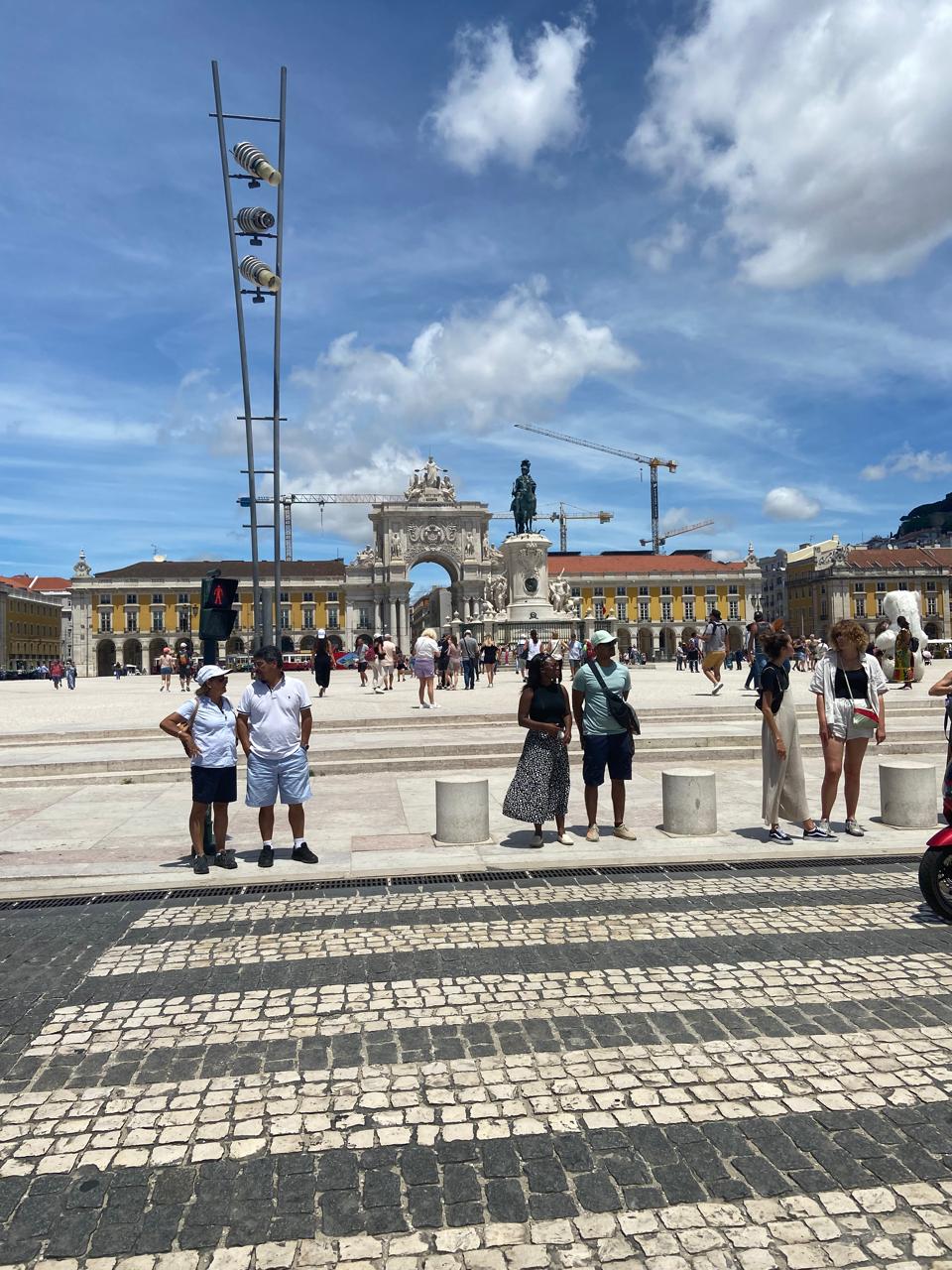
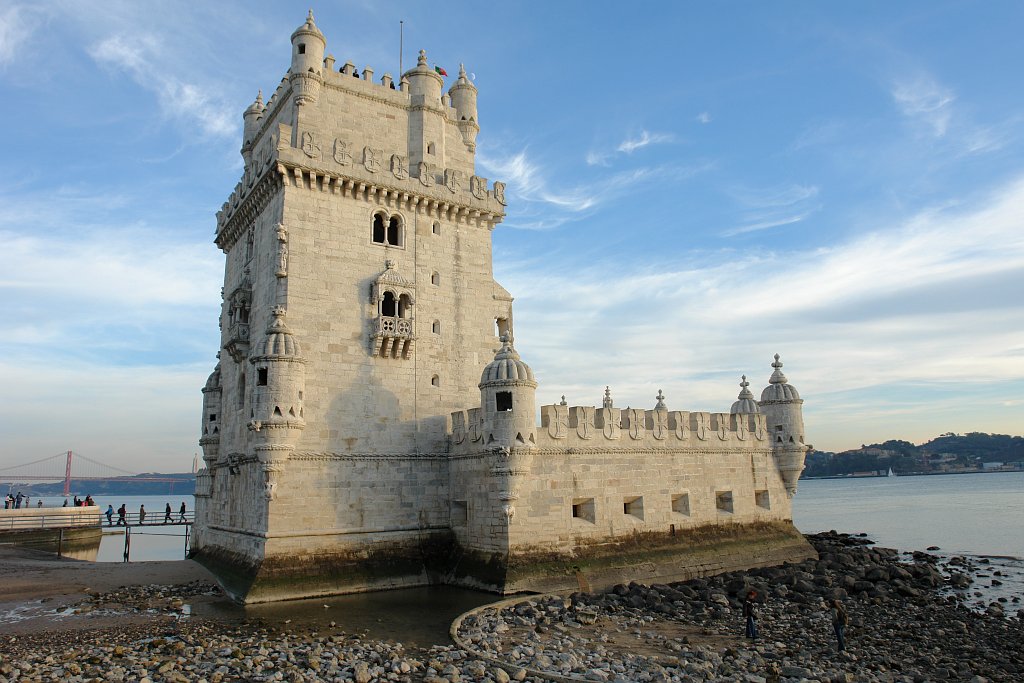
Lisbon is organised around the scale of the Tagus. The river gives the city light, breadth and long horizons, while Belém and the western side create a distinct riverside chapter. The wider Lisbon region then opens toward Atlantic beaches and places such as Cascais.
Porto feels more immediately shaped by the Douro valley and riverbanks. The river compresses the historic city around steep slopes before opening toward Foz, where the Douro meets the Atlantic. Visit Porto's Atlantic District then continues through beaches and seafront areas toward Matosinhos.
If you want water to feel monumental and spacious, Lisbon has a particular strength. If you want river, wine landscape and Atlantic edge to feel like one continuous story, Porto has a very different logic.
Food and wine · Lisbon is broader; Porto can make wine the spine of the trip

Lisbon is excellent for a food-led trip because its eating changes with the neighbourhood: pastelaria mornings, bacalhau, fish and seafood, market culture, Belém, contemporary dining and Fado evenings all occupy different parts of the city.
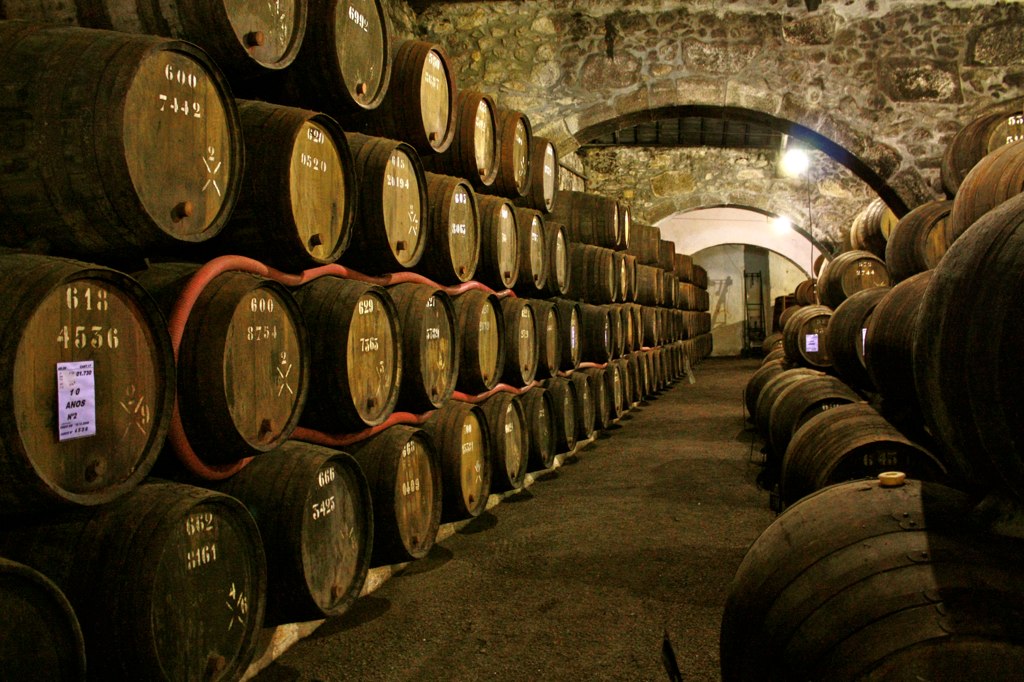
Porto can make food and wine feel more structurally central. Visit Porto explicitly links the city with Port and Douro wines, wine tourism and markets such as Bolhão, while the traditional cellars across the river make wine a visible part of the urban landscape.
That does not make Porto the food city and Lisbon the non-wine city. The useful distinction is emphasis. Porto is particularly strong when wine culture is one of the reasons for travelling; Lisbon is particularly strong when food should move with a larger neighbourhood itinerary.
varied neighbourhood eating, fish, seafood, pastries, Fado-linked evenings.
markets, northern food traditions, Port and Douro wine culture.
choose the city whose food story matches how central food is to the trip.
Evenings · Lisbon offers more modes; Porto can feel more contained
Lisbon has several clearly different evening patterns: Alfama for Fado and intimacy, Príncipe Real for dinner-led neighbourhood life, Chiado for culture, Bairro Alto for street energy and Cais do Sodré for a later night.
Porto's evening can stay closer to the historic and downtown core, then expand toward Cedofeita, Boavista or the Atlantic side depending on the traveller. The city still has multiple districts, but the night often feels easier to hold together geographically.
Choose Lisbon if the evening itself should change character several times during the stay. Choose Porto if you prefer to settle into a smaller number of areas and repeat them.
Coast access · Porto brings the Atlantic into the city more directly
Visit Porto's Atlantic District includes Foz and Matosinhos Sul, beaches, promenades and Parque da Cidade. That means a Porto stay can move from historic riverfront to Atlantic seafront without the coast feeling like a separate day trip.
Lisbon has excellent access to the coast through the wider region, especially toward Cascais, but the beach chapter feels more clearly like an extension beyond the central city experience.
For a short trip where you want city and sea to coexist without planning a full excursion, Porto has a particularly elegant shape. For a longer trip where you want a capital city plus separate coastal and regional chapters, Lisbon supports that expansion well.
How many nights?
Trip length changes the comparison more than most city-versus-city articles admit.
2 nights → Porto usually fits the time more naturally; Lisbon will force harder choices.
3 nights → Porto can feel complete at a first-pass level; Lisbon can work well if you stay focused and skip major extensions.
4 nights → Lisbon starts gaining real depth; Porto can add Foz, Gaia or a slower rhythm.
5 nights → Lisbon can comfortably hold neighbourhood depth plus Belém or one day trip; Porto can begin opening toward the Douro or another northern extension.
7+ nights in Portugal → combining both becomes far more attractive than treating them as rivals.
First trip to Portugal · Choose the introduction you want
Lisbon gives the broader capital-city introduction: more neighbourhood types, more obvious extensions and a larger range of day-to-night modes.
Porto gives a more concentrated introduction: historic centre, Douro, Gaia, wine, Atlantic edge and a strong northern identity within a tighter urban frame.
If you are the traveller who wants to feel you have 'done more', Lisbon will usually create more possible branches. If you are the traveller who values coherence and returning to the same streets at a different hour, Porto can be the more satisfying shape.
What if you want both?
You do not need to turn this comparison into a permanent choice. CP currently operates long-distance services on the Lisbon–North corridor serving Porto, so the two cities can be combined by rail.
The question is whether your total trip has enough breathing room. With five days in Portugal, splitting the trip can make both cities feel abbreviated. With a week or more, the contrast becomes part of the value: Lisbon first, Porto second — or the other way around — creates two clearly different city chapters without requiring a car.
Always recheck current CP timetables close to travel because schedules and operating conditions can change.
Choose by Taste
- I want the larger-feeling, more varied city break → Lisbon.
- I want a compact historic city with a strong river-and-wine identity → Porto.
- I want Fado, several distinct nightlife modes and broad neighbourhood choice → Lisbon.
- I want Port wine, Douro context and an Atlantic edge within the city → Porto.
- I have only two nights → lean Porto.
- I have four or five nights and want one city to keep unfolding → lean Lisbon.
- I have a week or more in Portugal → consider both instead of forcing a winner.
The OREVYON read
Lisbon and Porto are not substitutes.
Lisbon is stronger when the trip should keep opening into new neighbourhoods, extensions and day-to-night modes. Porto is stronger when the trip should feel compact, river-led and anchored by heritage, food and wine.
Choose the shape of city break you want. The right city becomes much easier after that.
