
Winter Ljubljana works because the city does not need long daylight to remain coherent. The river, compact centre, cafés, food and cultural interiors sit close enough together that darker hours become atmosphere rather than logistical loss. OREVYON sees winter as a good fit when intimacy matters more than outdoor abundance.
Short daylight suits a small capital

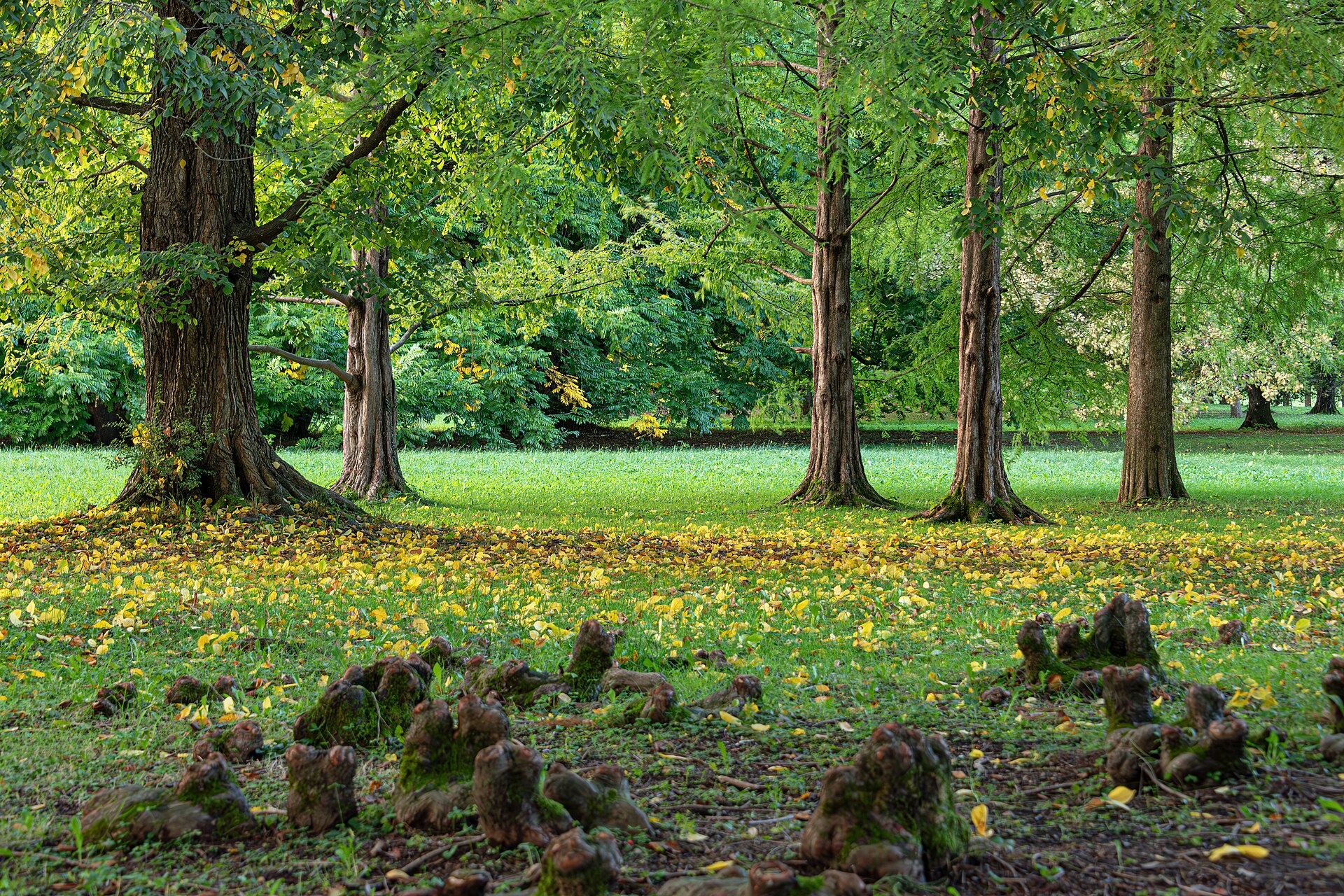
Use the brighter hours for walking, Tivoli and outdoor architecture, then let the centre contract around cafés, food and culture. Unlike a sprawling city, Ljubljana does not demand long transfers that consume the limited daylight.
The river becomes an evening spine
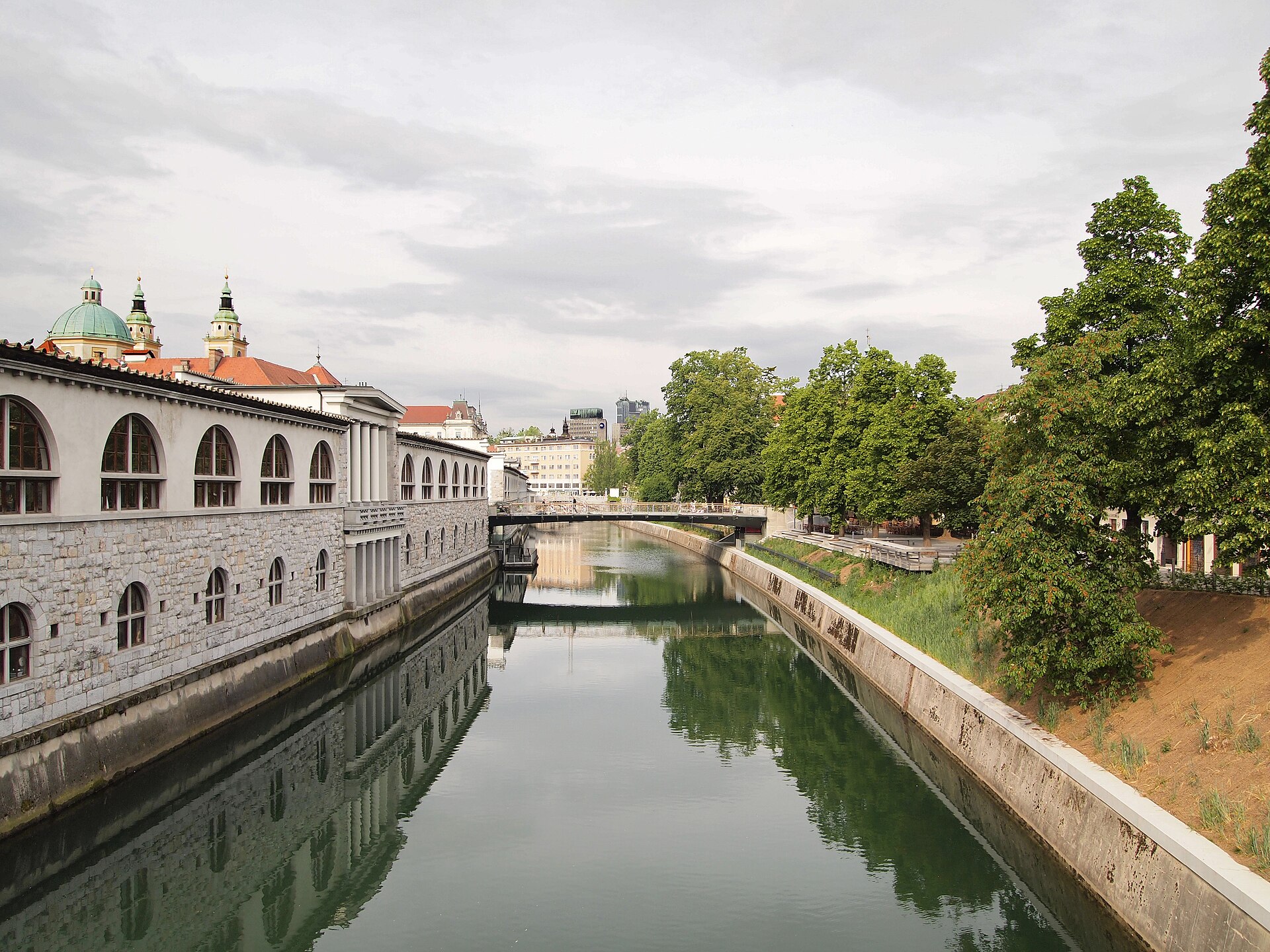
After dark, the river and bridges organise the centre naturally. Walking the same stretch at a different hour adds more than chasing another sight, especially when festive lighting or winter events add temporary atmosphere.
Food and cafés become structural rather than optional
Longer café stops, market visits and a deliberate dinner carry more of the day in winter. The city's food depth is compact enough to support this without turning every meal into a reservation project.
December can be livelier than the city's usual rhythm

Festive periods can make the centre more animated and crowded than the quiet-Ljubljana stereotype suggests. That can be attractive, but travellers seeking maximum calm should not assume every winter week feels the same.
Choose winter for intimacy, not for a checklist
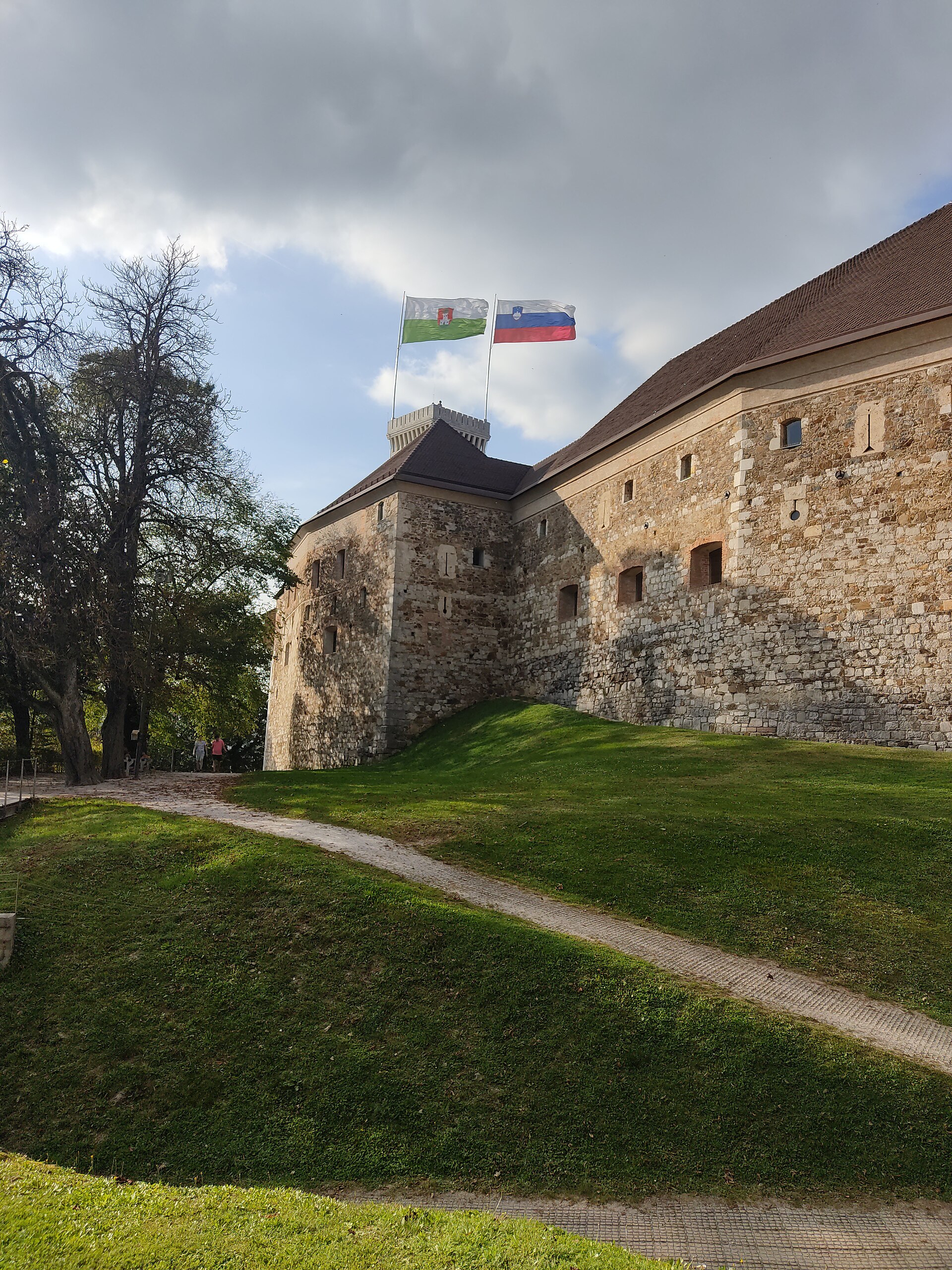
Winter is strongest when river atmosphere, cafés, architecture and slower evenings sound sufficient. If your ideal Ljubljana depends on terraces, cycling and long green-space days, spring or early autumn will fit better.