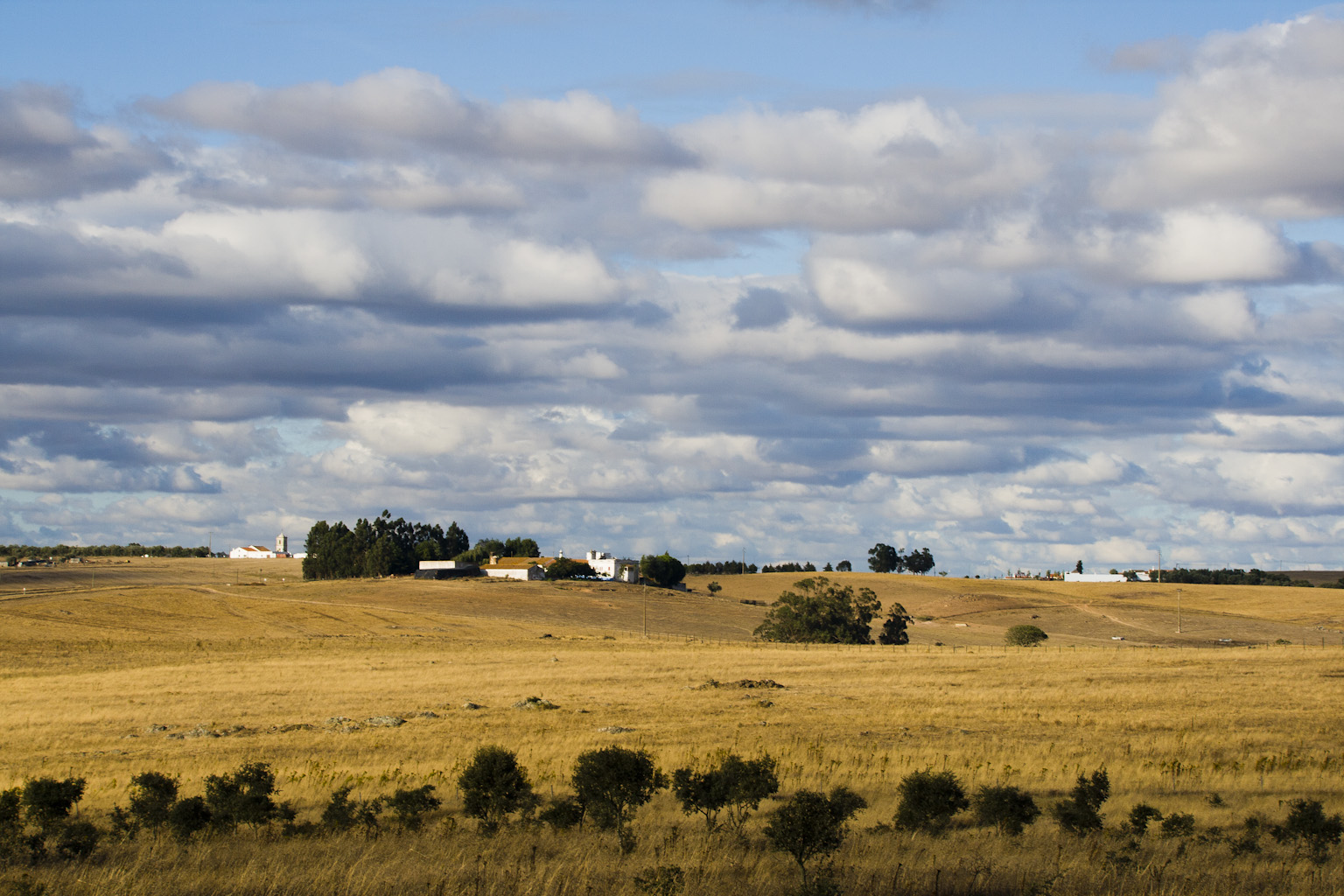
Landscape-Led Road Trips — Routes Where the Drive Is Part of the Place
Six destinations where road movement can deepen the journey when the route follows terrain and rhythm instead of maximising distance.
Read next → OREVYON
Travel worlds built around one strong idea, feeling, landscape or way of travelling.
24 published
Six destinations where road movement can deepen the journey when the route follows terrain and rhythm instead of maximising distance.
Read next →
Six cities where informal eating, markets and everyday food culture make street-level exploration part of the journey.
Read next →
Coastal places where fewer bases, longer meals and repeat walks often create more value than a fast shoreline checklist.
Read next →
Cities where autumn can shift the balance toward walking, neighbourhood depth, culture and a more considered urban rhythm.
Read next →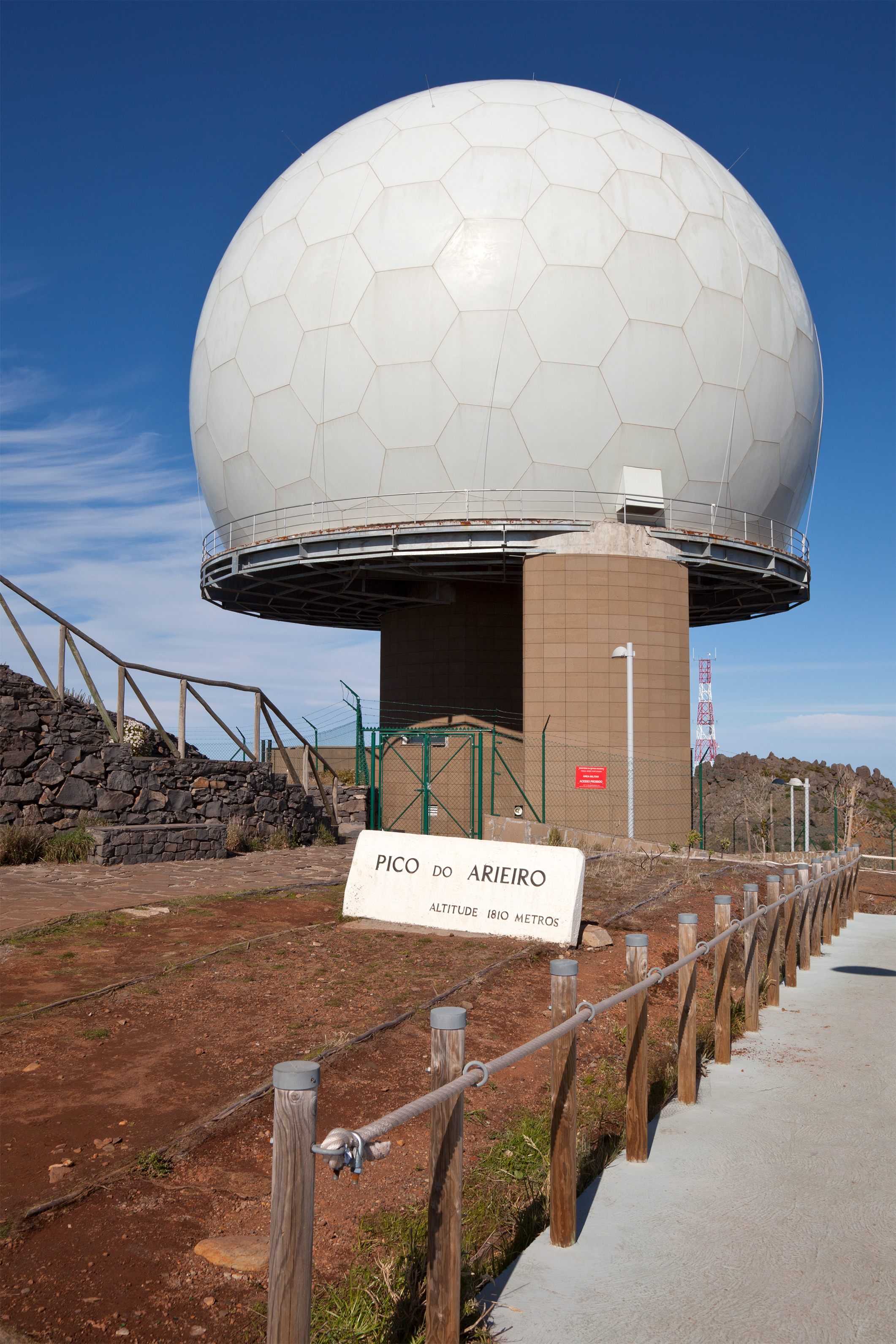
Four destinations where geology is not background scenery but a force that shapes coast, elevation, movement and local identity.
Read next →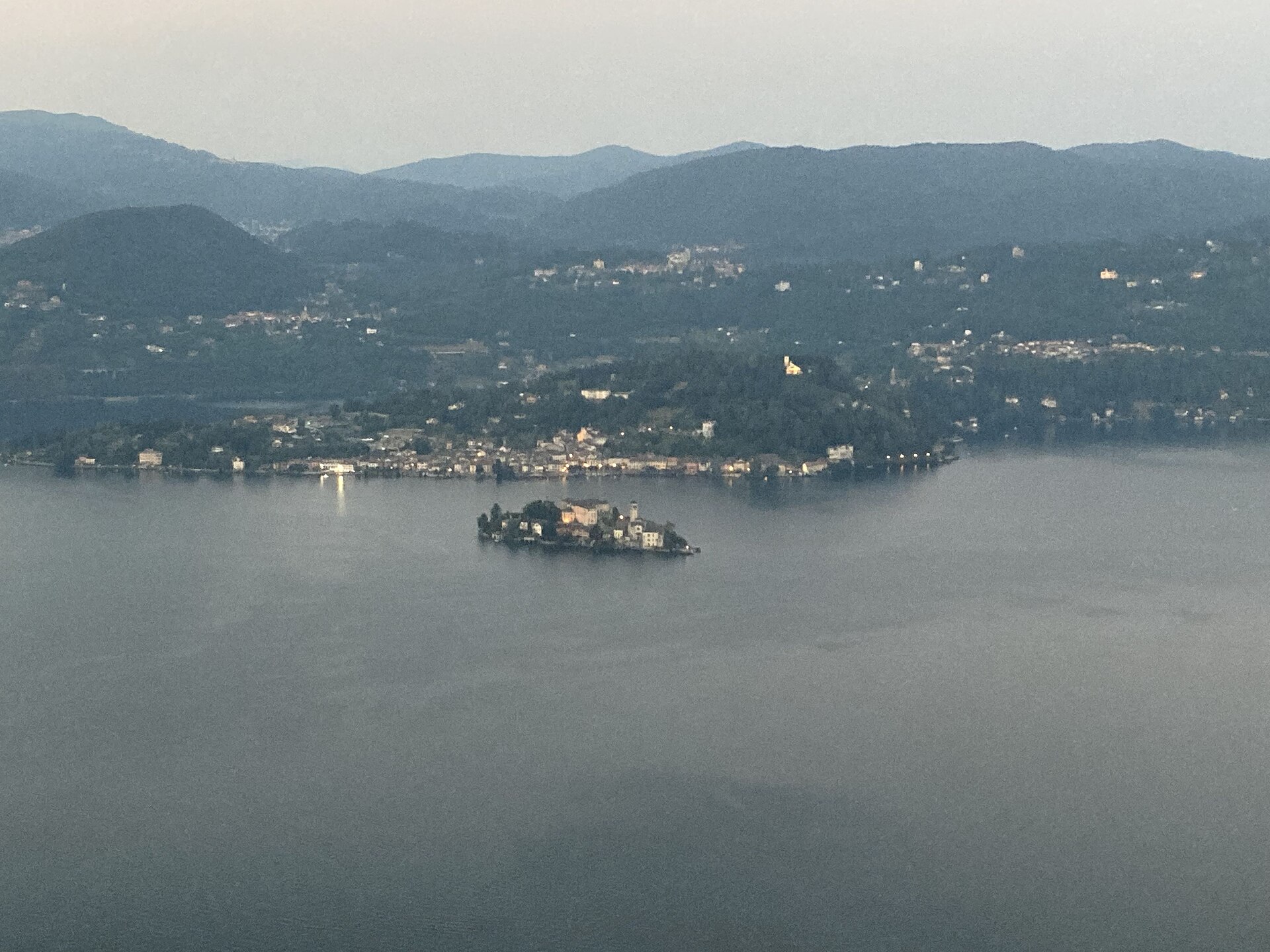
Water-led destinations where the strongest experience often comes from space, slow movement and lower agenda density.
Read next →
Cities where parks, mountains, coast or green movement can become a genuine second chapter of the trip.
Read next →
Cities where built form and everyday street life work together, making walking part of the cultural experience.
Read next →
Large cities with enough contrast, neighbourhood depth and day-to-day variety to reward a week or more.
Read next →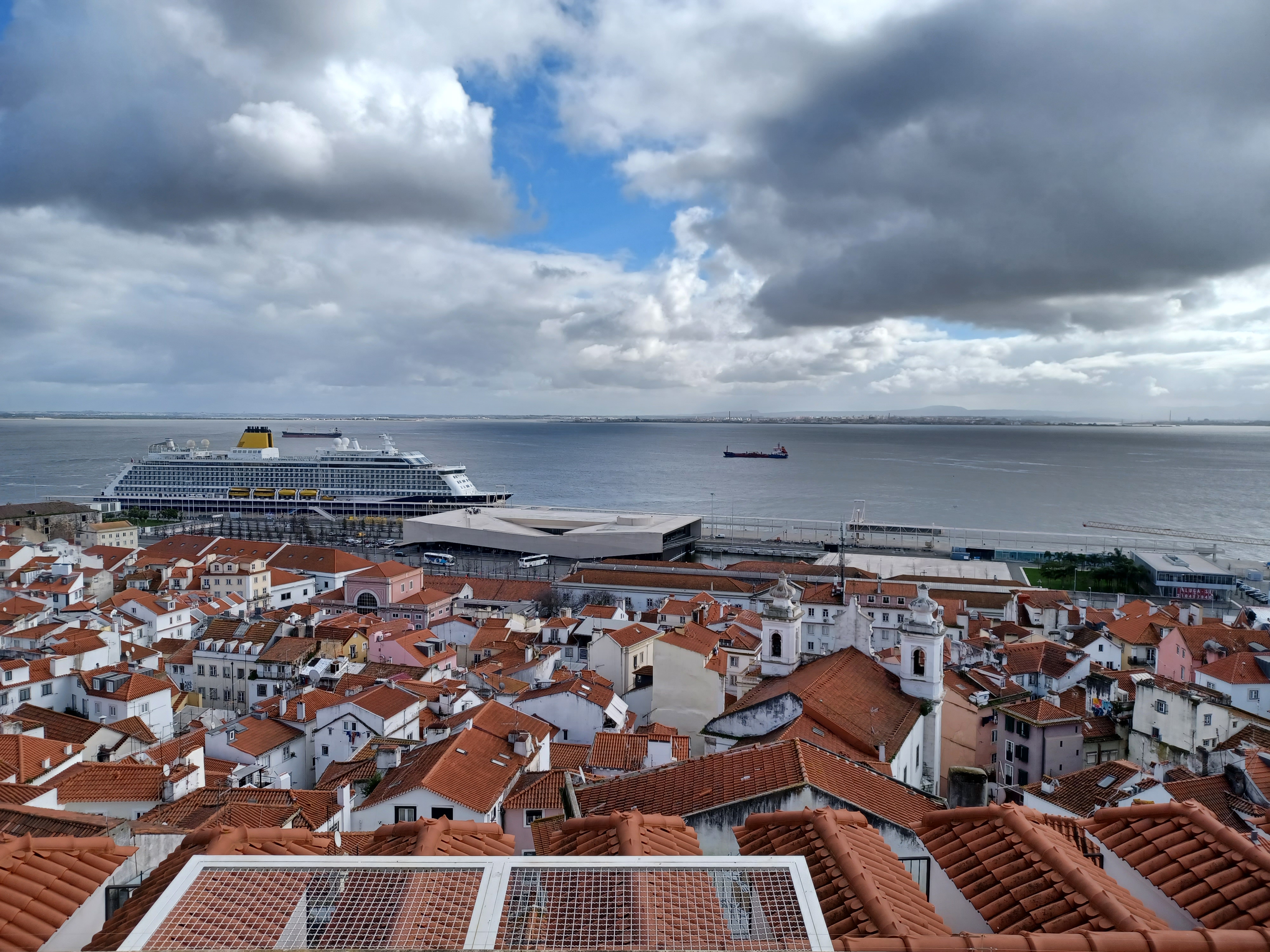
Cities with enough neighbourhood, food and cultural depth to reward five nights without turning the stay into filler.
Read next →
Six places where meals, markets and regional food culture can structure the trip rather than simply fill the gaps between sights.
Read next →
Journeys where water is not scenery but the thing that shapes movement, pace and the structure of the trip.
Read next →Coastal destinations where food, architecture, neighbourhoods and local culture matter as much as the shoreline.
Read next →Six cities where the strongest trip comes from reading neighbourhoods as distinct worlds instead of racing between headline sights.
Read next →
Shoulder season only works when a destination gains something from fewer people, milder movement or stronger local rhythm. These places do more than become cheaper outside peak summer.
Read next →
A car is not always freedom. In the right destination it is another object to park, insure and think about. These trips become cleaner when rail, metro, ferries, walking and local transit carry the structure.
Read next →These islands justify the crossing because the trip does not end at the beach. Geology, food, villages, walking and enough stay depth turn them into complete journeys rather than sunny interludes.
Read next →
Some destinations are not merely good places to eat; food changes why you go, where you stay and how you structure the day. This collection treats eating as travel intelligence rather than a restaurant appendix.
Read next →Five cities where evening is not an afterthought but a second reading of the destination — through ferries, food, neighbourhoods, light and streets that change after dinner.
Read next →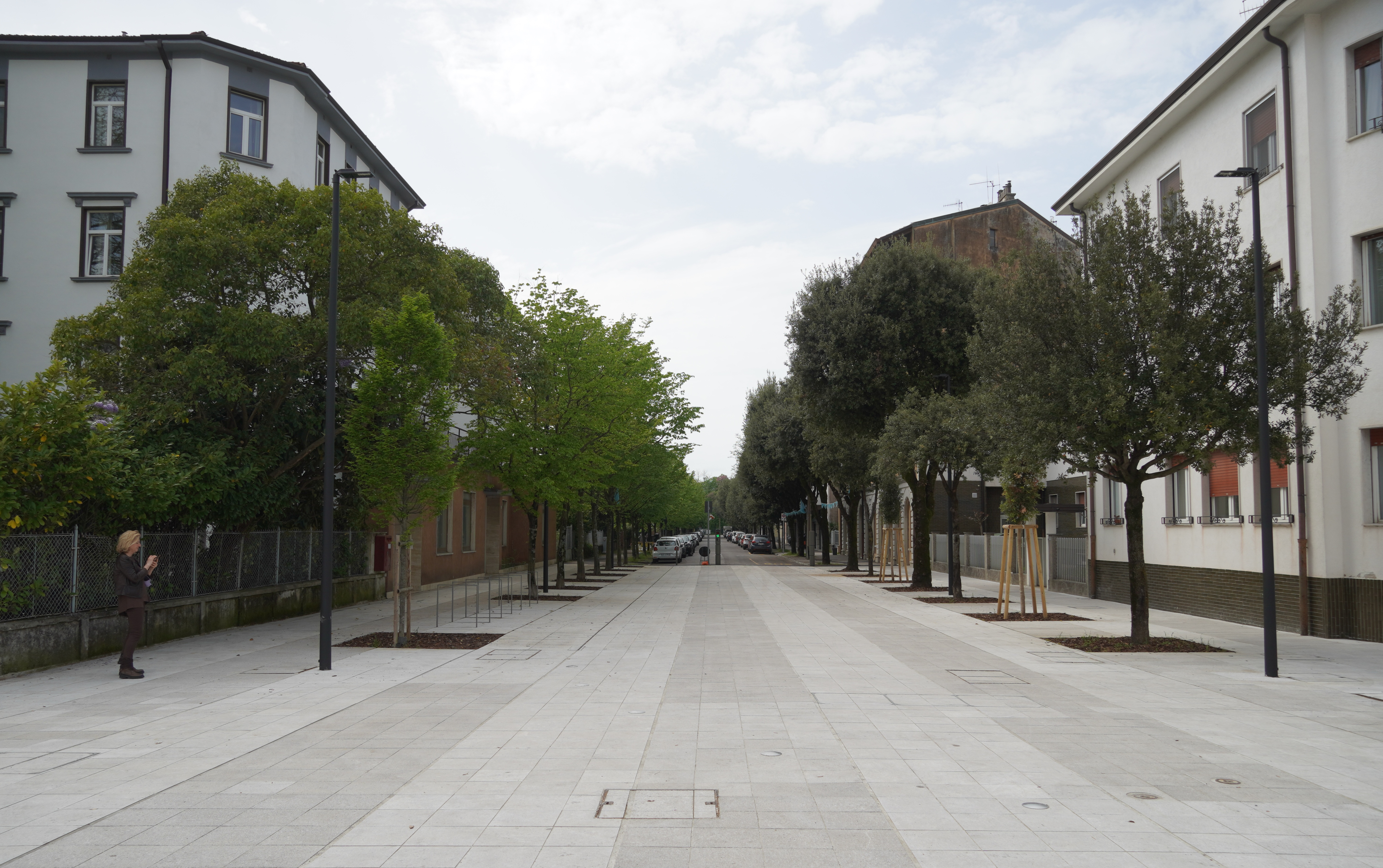
Six European places where a national border shapes the destination itself — from shared lakes and twin cities to enclaves and river canyons.
Read next →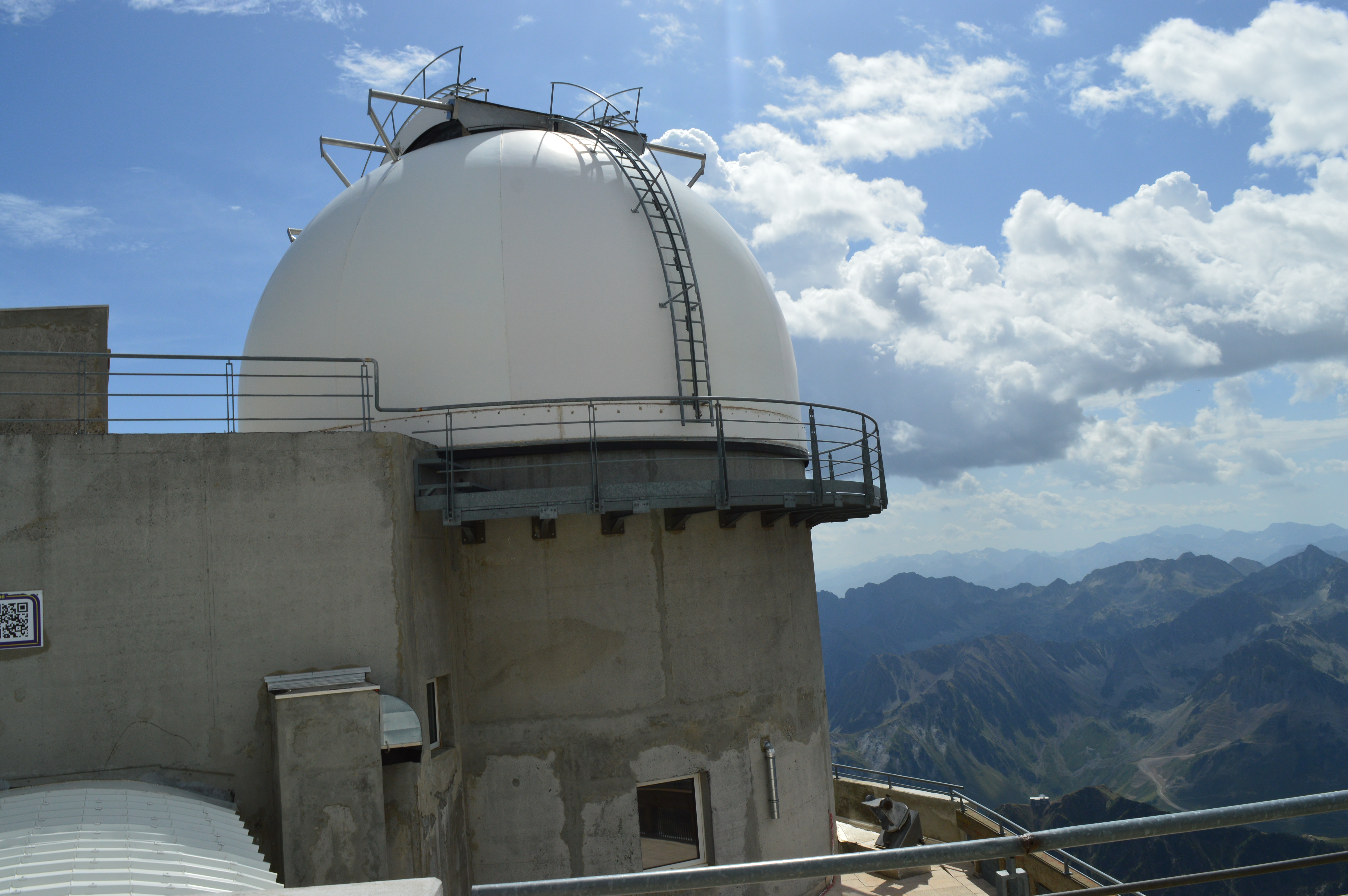
Six stays where altitude, exposure and the way up are inseparable from the night itself.
Read next →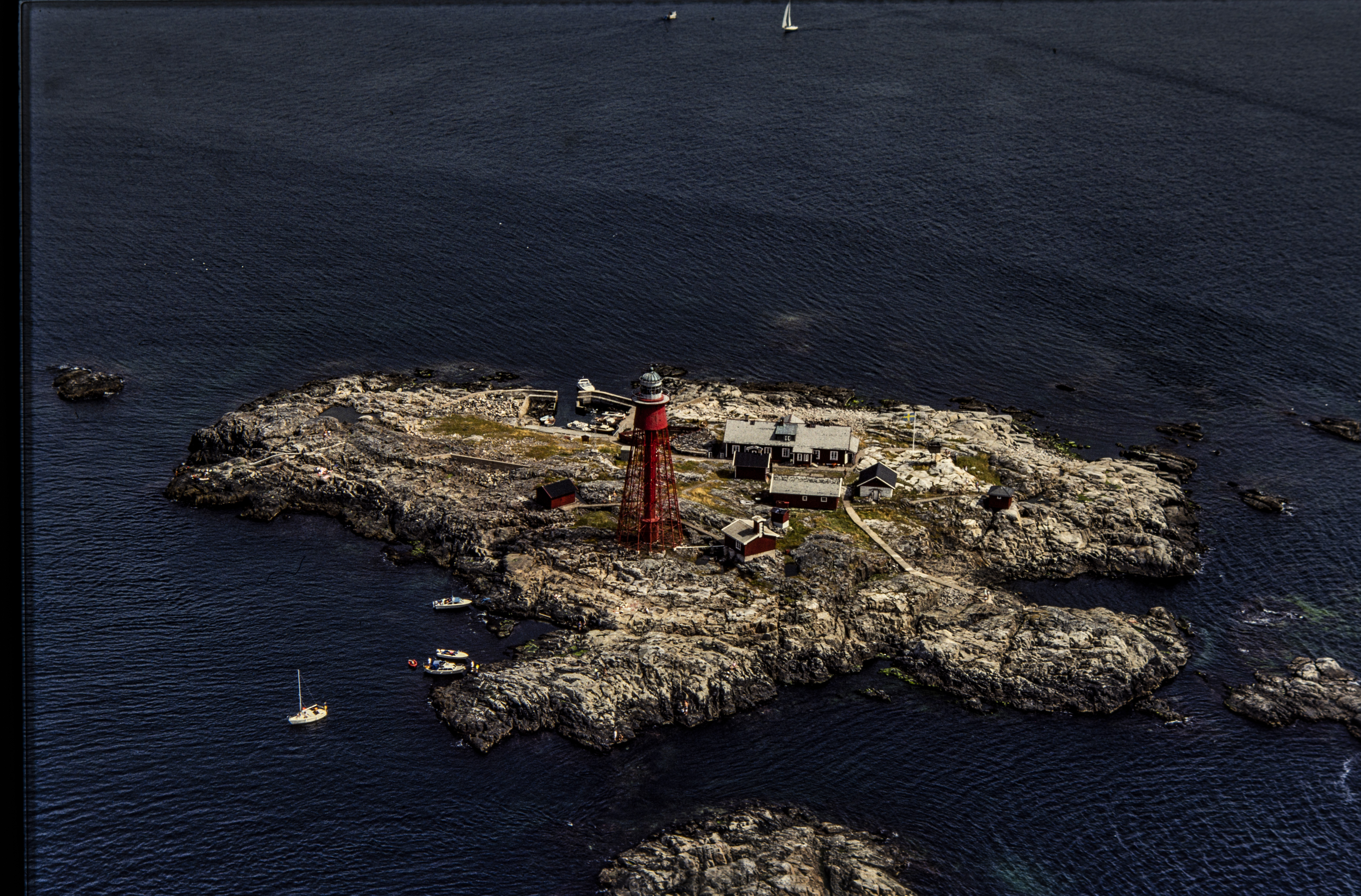
Six lighthouse stays where the building, the island and the journey required to reach it are inseparable from the experience.
Read next →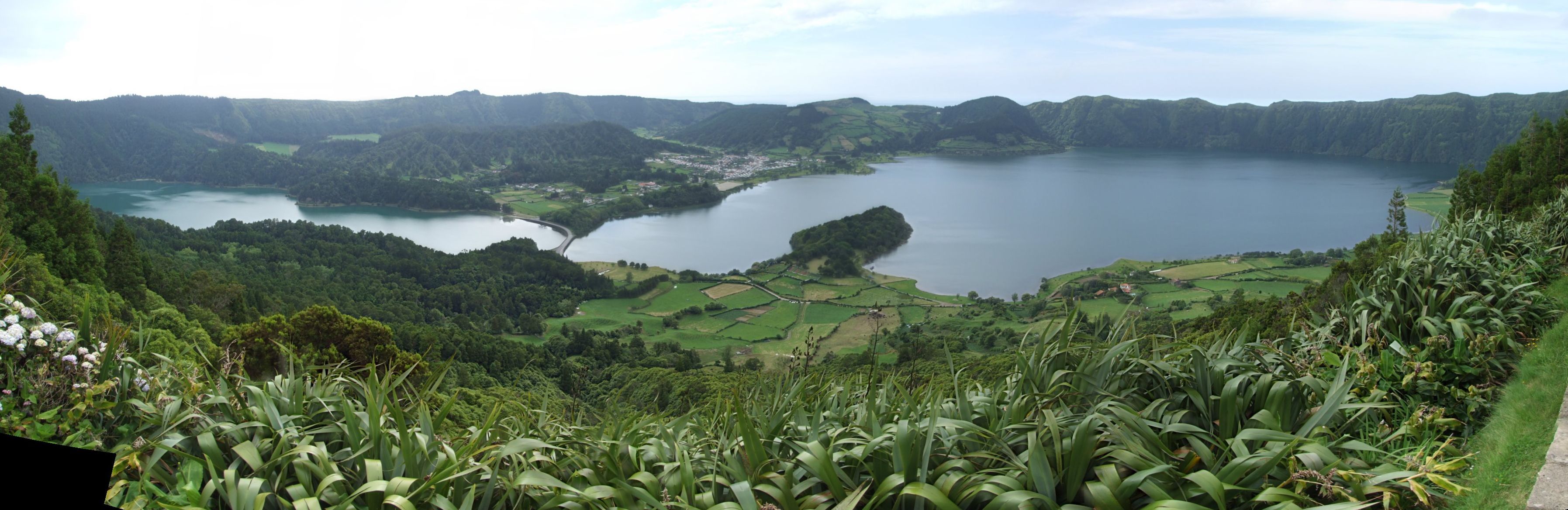
Two Atlantic islands, two very different travel rhythms. OREVYON connects São Miguel and Madeira through volcanic landscape, walking, weather flexibility and the kind of stay depth that rewards a full week rather than a checklist.
Read next →Three southern European escapes that reward a slower daily rhythm: Menorca for coast, Alentejo for space and Valle d’Itria for food, white towns and countryside stays.
Read next →