
Shoulder season only works when a destination gains something from fewer people, milder movement or stronger local rhythm. These places do more than become cheaper outside peak summer.
The OREVYON lens
The question is not whether a place is open outside peak season. It is whether the core travel value survives while a major friction — heat, crowds, road pressure or compressed beach demand — gets weaker.
Milos
Explore destination →
Milos benefits when the famous coast has more breathing room. Late spring and early autumn preserve beach and boat potential while making villages, road movement and a slower island rhythm easier to combine.
Alentejo
Explore destination →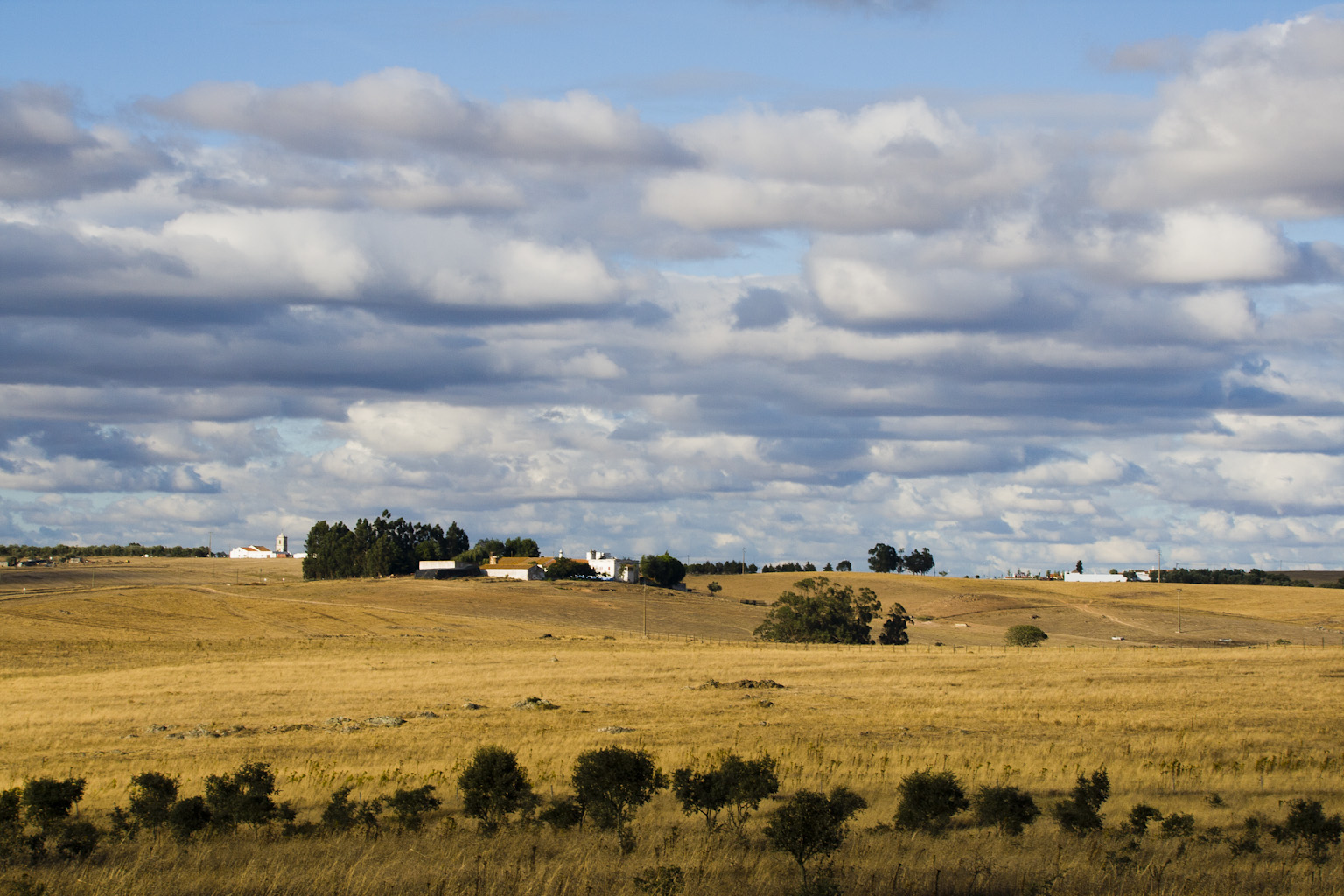
Alentejo becomes easier to inhabit when inland heat softens. Spring and autumn support wine, walking, historic towns and long countryside days without forcing the itinerary around hot afternoons.
Menorca
Explore destination →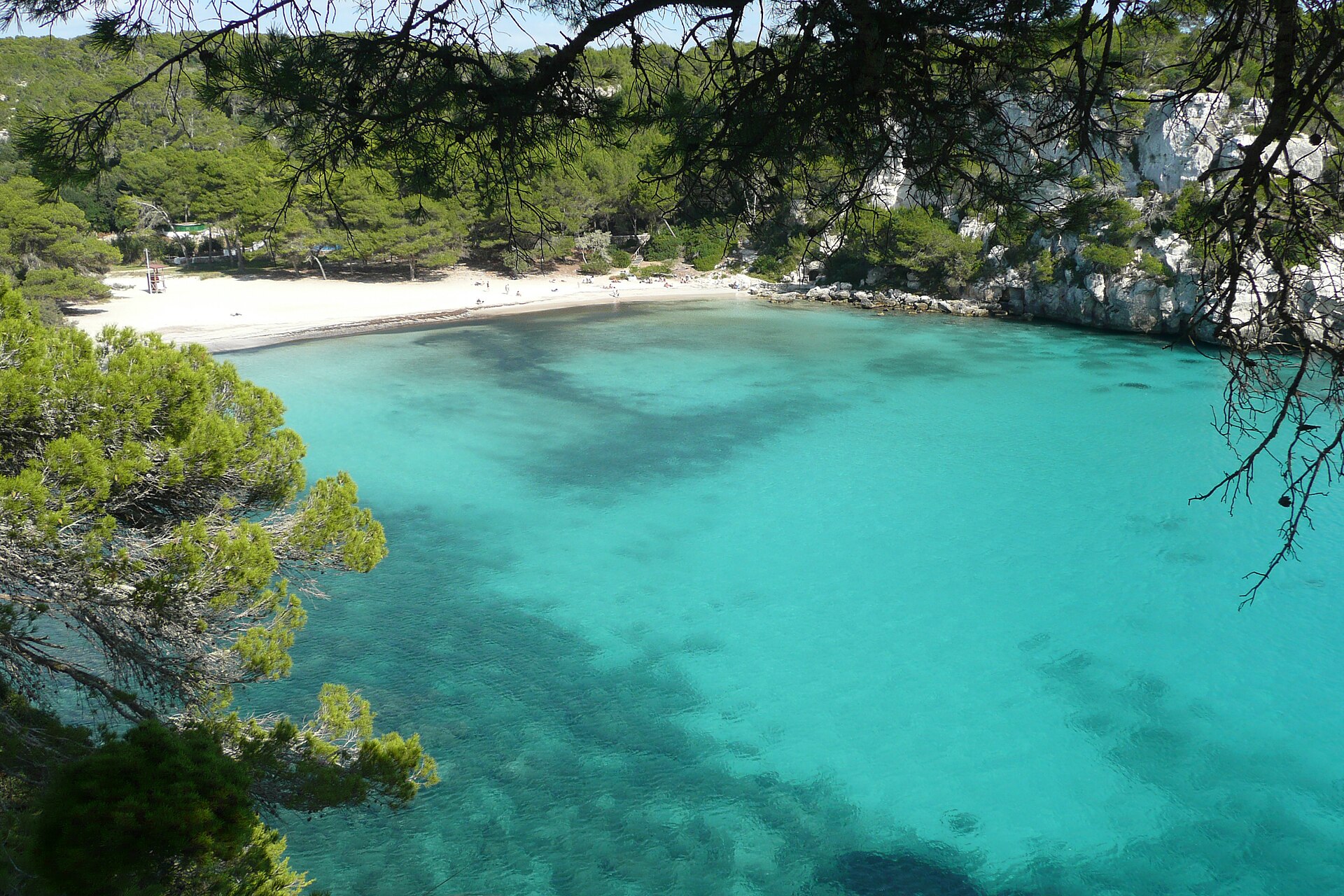
Menorca gains value when the island can be read beyond the busiest beach logic. Walking, Ciutadella, food and protected landscapes take more space once peak-summer pressure recedes.
Lake Orta
Explore destination →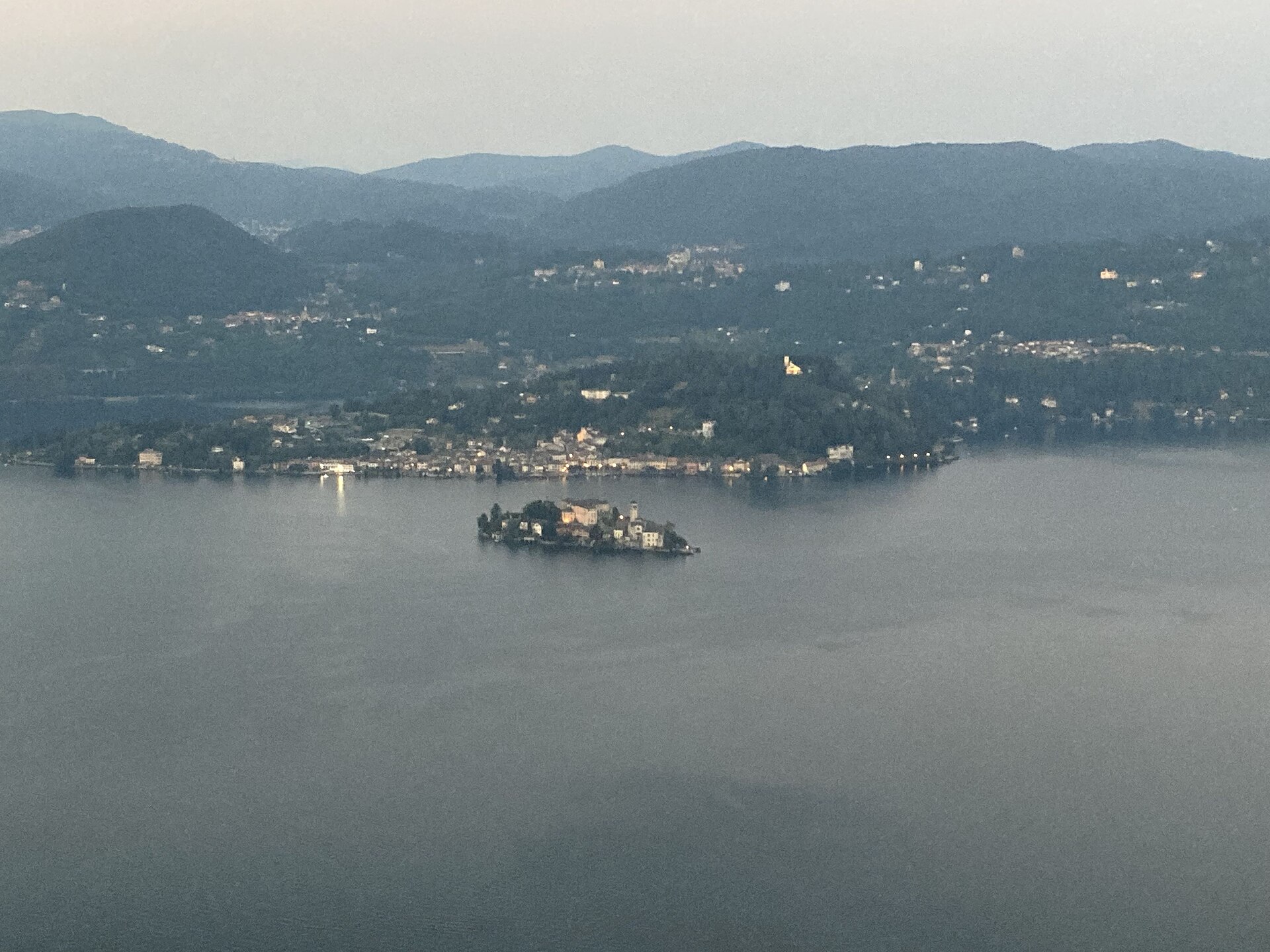
Lake Orta is strong when calm is the product. Shoulder season reinforces the compact, romantic lake rhythm and makes walking, boats and small-town time feel more central than visitor density.
Kyoto
Explore destination →
Kyoto is the cautionary example: its most celebrated shoulder-like seasons can also be peak crowd periods. The lesson is that calendar labels are less useful than actual crowd patterns and time-of-day strategy.
Madeira
Explore destination →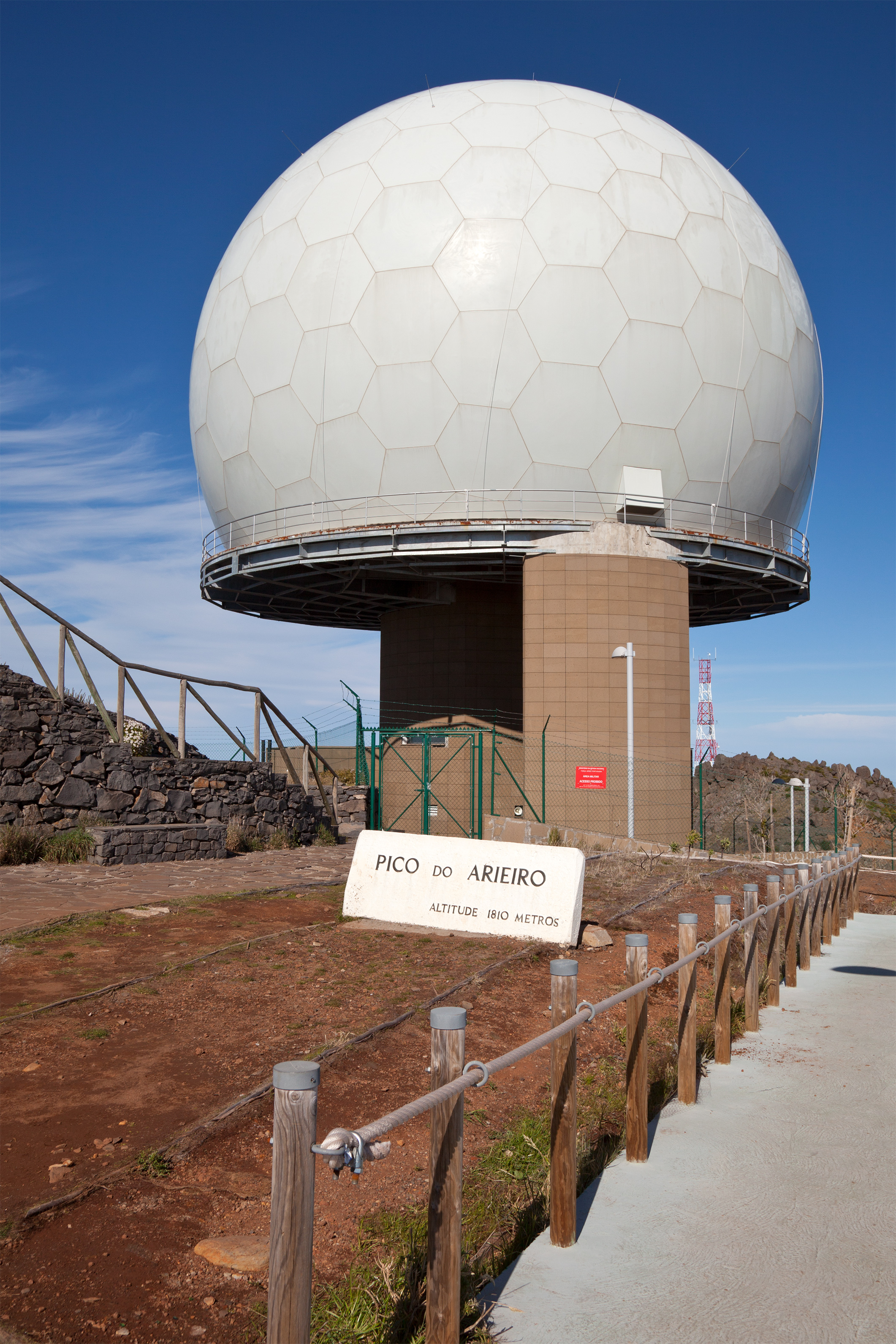
Madeira benefits from flexibility more than from one perfect month. When conditions are milder and traveller pressure lower, altitude, walking and weather-led day ordering become easier to use without turning the island into a viewpoint race.
How to use this
Choose shoulder season when it removes the friction you personally dislike without removing the reason you want the destination. Ask OREVYON to compare exact dates, daylight, weather pattern and crowd profile rather than relying on the label alone.