
Tokyo vs Kyoto — Which One Fits Your Trip?
Tokyo or Kyoto? Compare urban scale, heritage depth, daily rhythm and crowd friction rather than looking for a universal winner.
Read / explore → OREVYONAI DISCOVERY HOUSE
Browse our complete collection of stories, guides, collections and destinations — a growing world of insight, inspiration and intelligent discovery.
CURIOSITY
TAKES YOU
FURTHER
No search required: every published story is here to browse.
Tokyo or Kyoto? Compare urban scale, heritage depth, daily rhythm and crowd friction rather than looking for a universal winner.
Read / explore →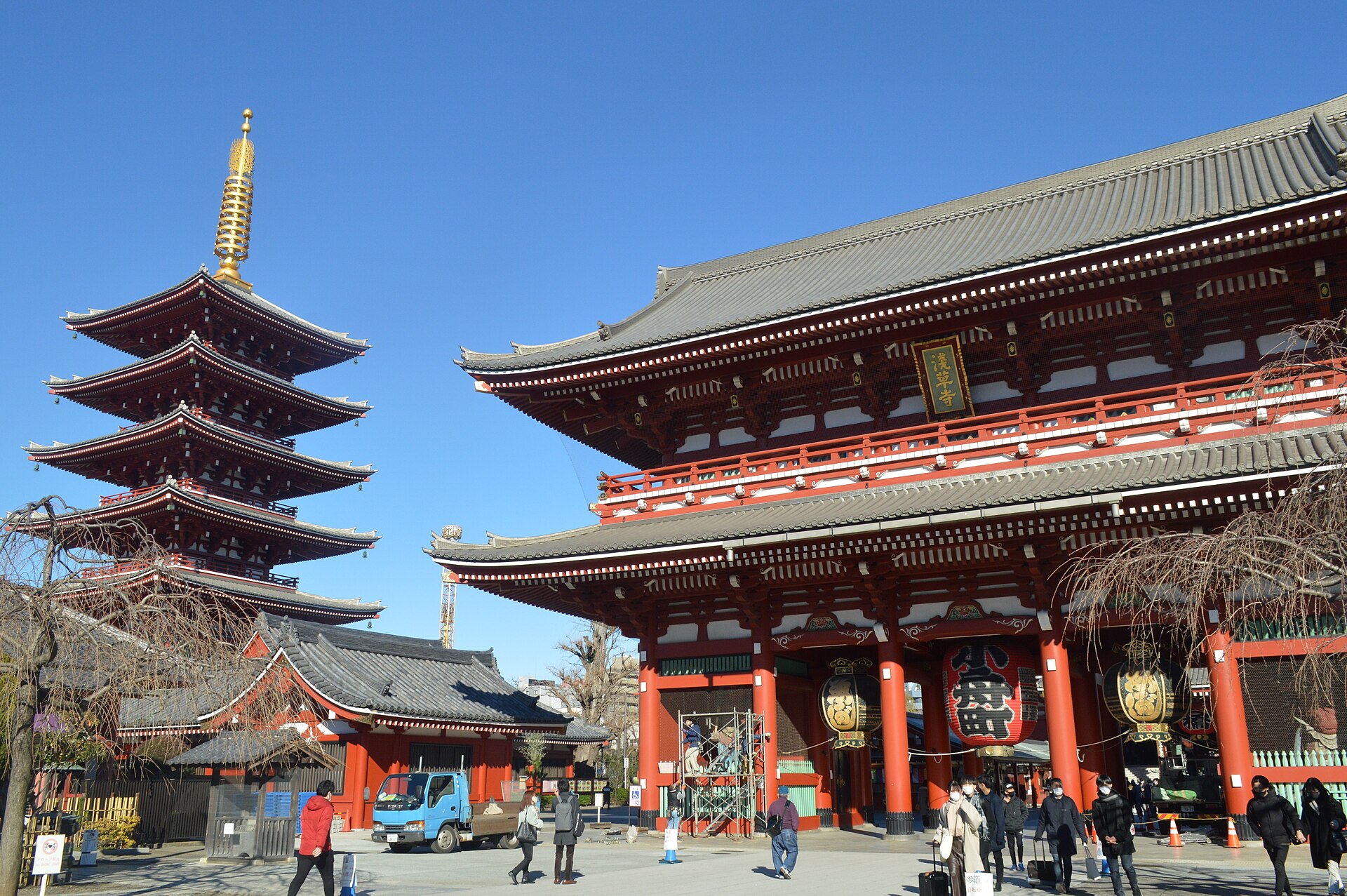
Tokyo is one of the strongest large-city trips without a car when you use rail, subway, buses and walking to build district-based days.
Read / explore →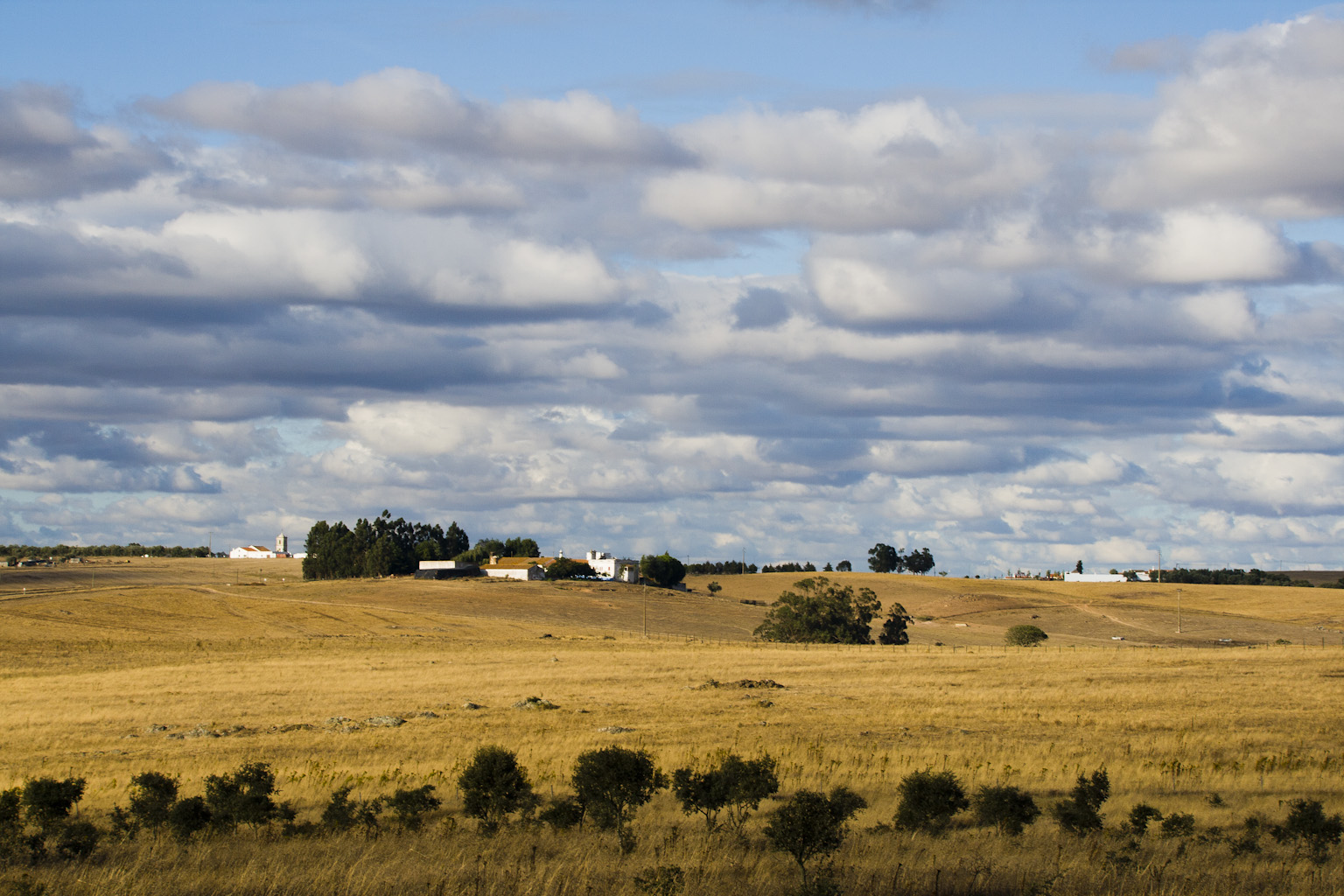
Where you stay in Alentejo determines whether the trip feels cultural, wine-led, rural or Atlantic; choose the regional chapter before the hotel.
Read / explore →
Where you stay in Istanbul changes the trip: compare the historic peninsula, Beyoğlu/Galata and Kadıköy by rhythm and movement.
Read / explore →
Where you stay in Kyoto determines how easily heritage, evenings and transport fit together; choose the district before choosing the hotel.
Read / explore →
Where you stay in Milos changes the trip: Adamas prioritises convenience, Pollonia a quieter seaside rhythm, and Plaka/Trypiti hill-village atmosphere.
Read / explore →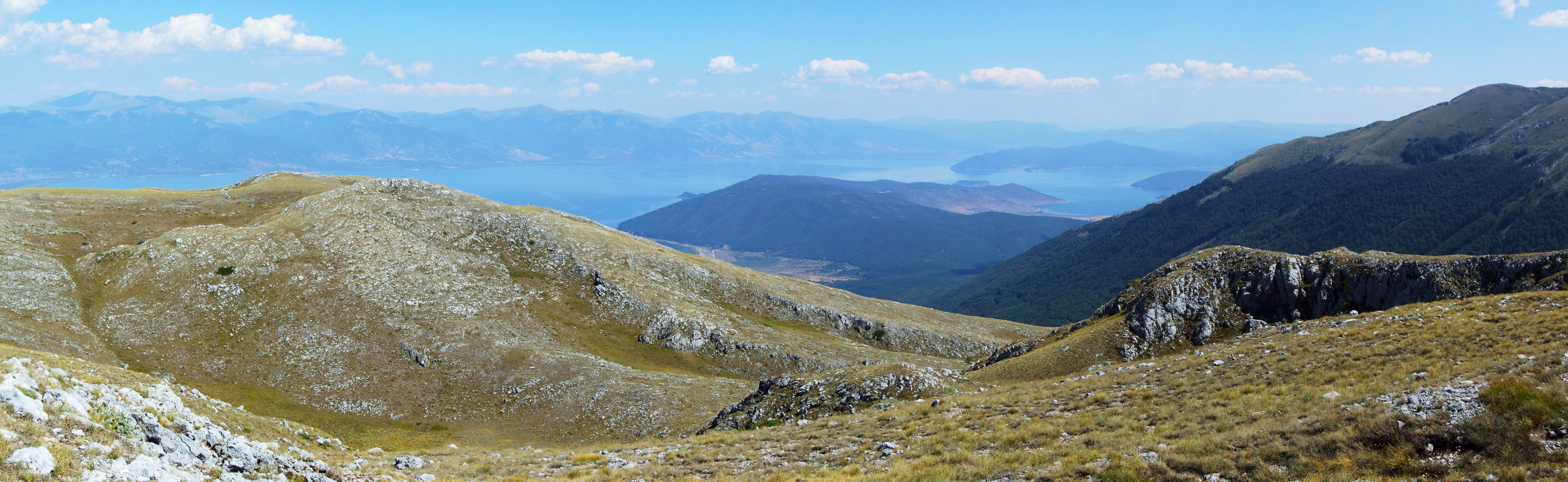
Where you stay in Prespa determines the whole Journey: Greek Prespa is the strongest all-round base, Brajčino favours mountain-village depth, and Pustec opens the Albanian side.
Read / explore →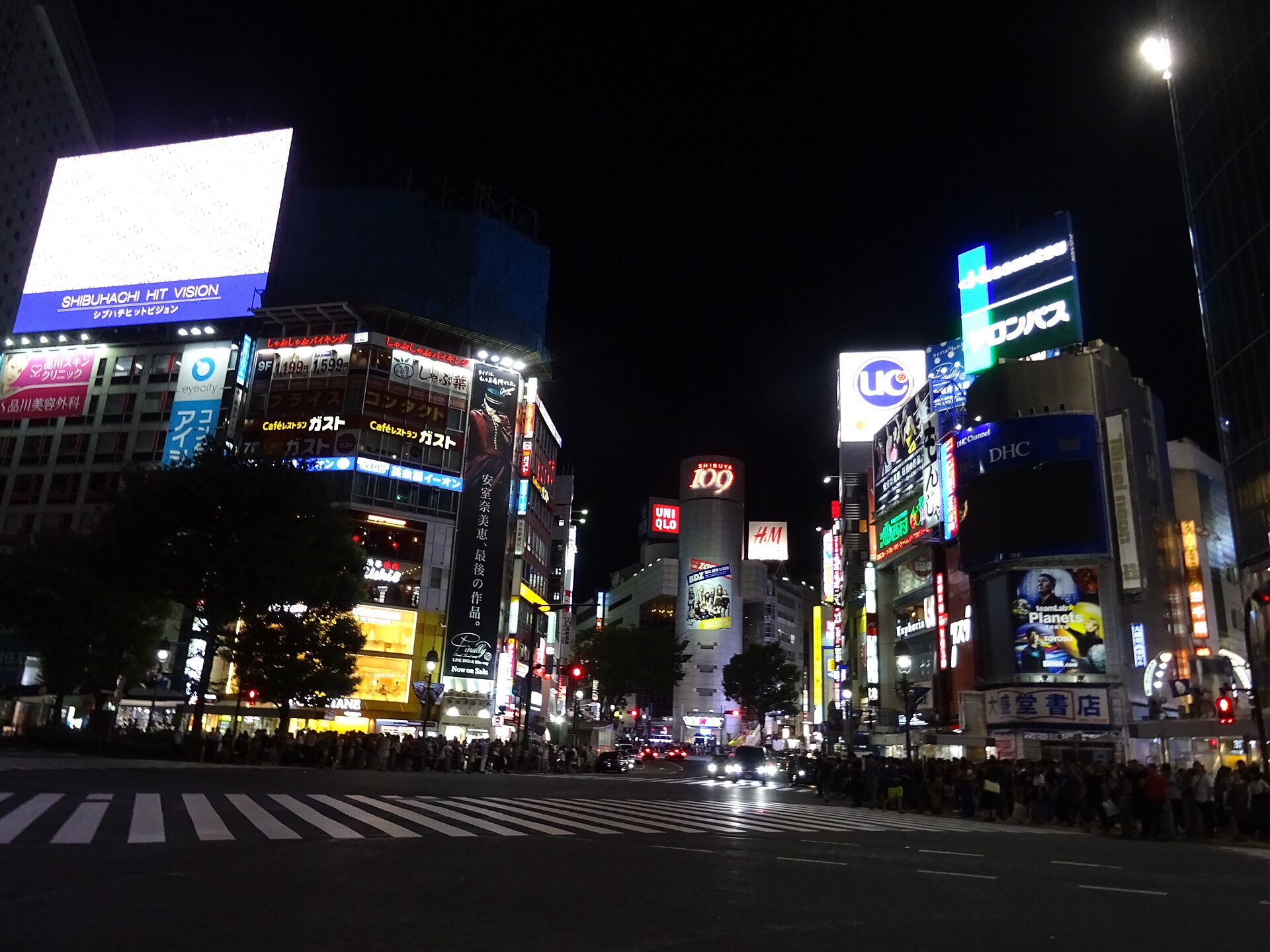
Where you stay in Tokyo changes the whole trip: choose between high-energy west Tokyo, older east-side character or a polished central rail base.
Read / explore →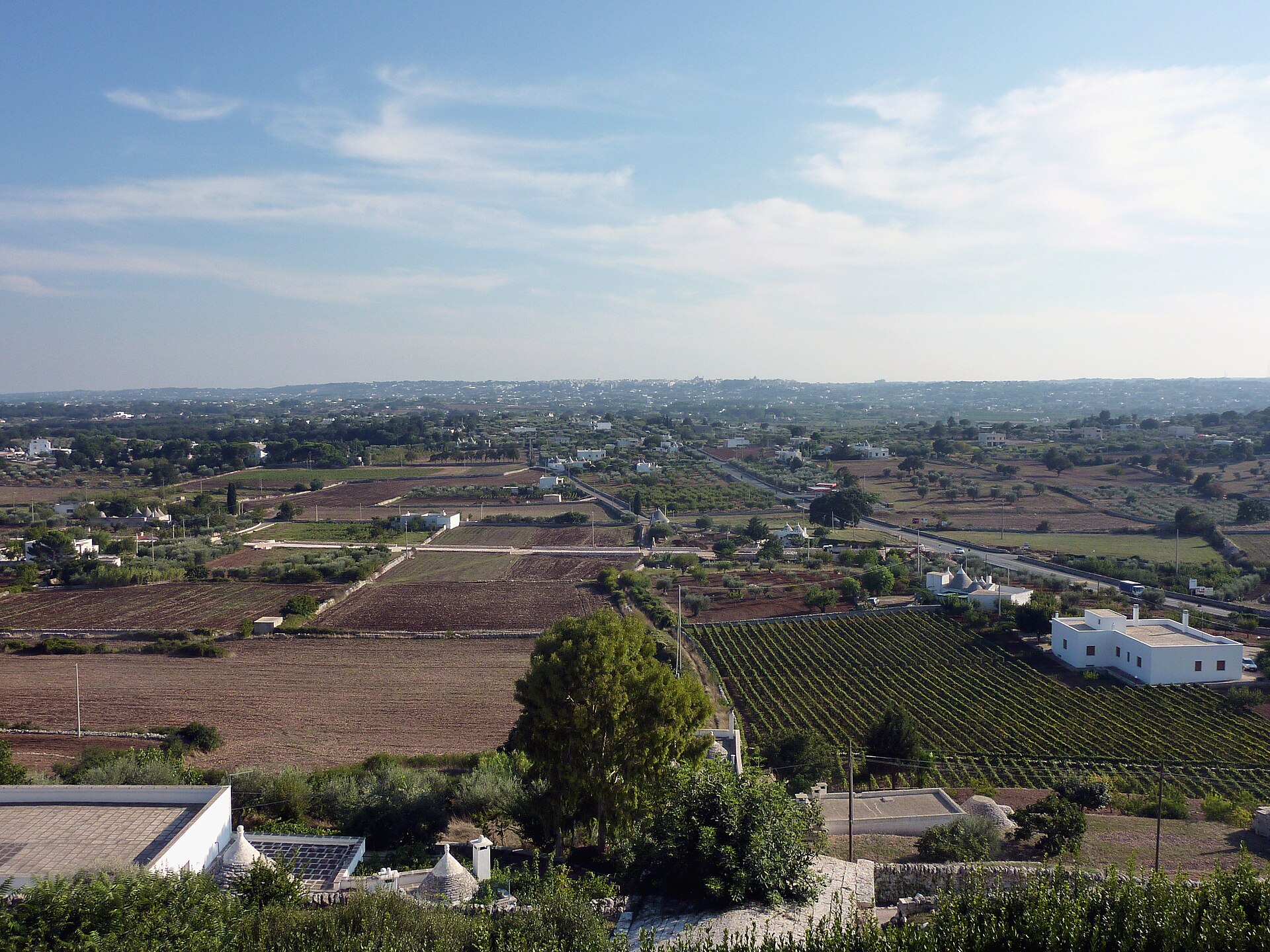
Valle d’Itria and Salento offer different Puglia trips: inland white towns, trulli and masserie versus a larger southern peninsula shaped more strongly by coast, Lecce and beach geography.
Read / explore →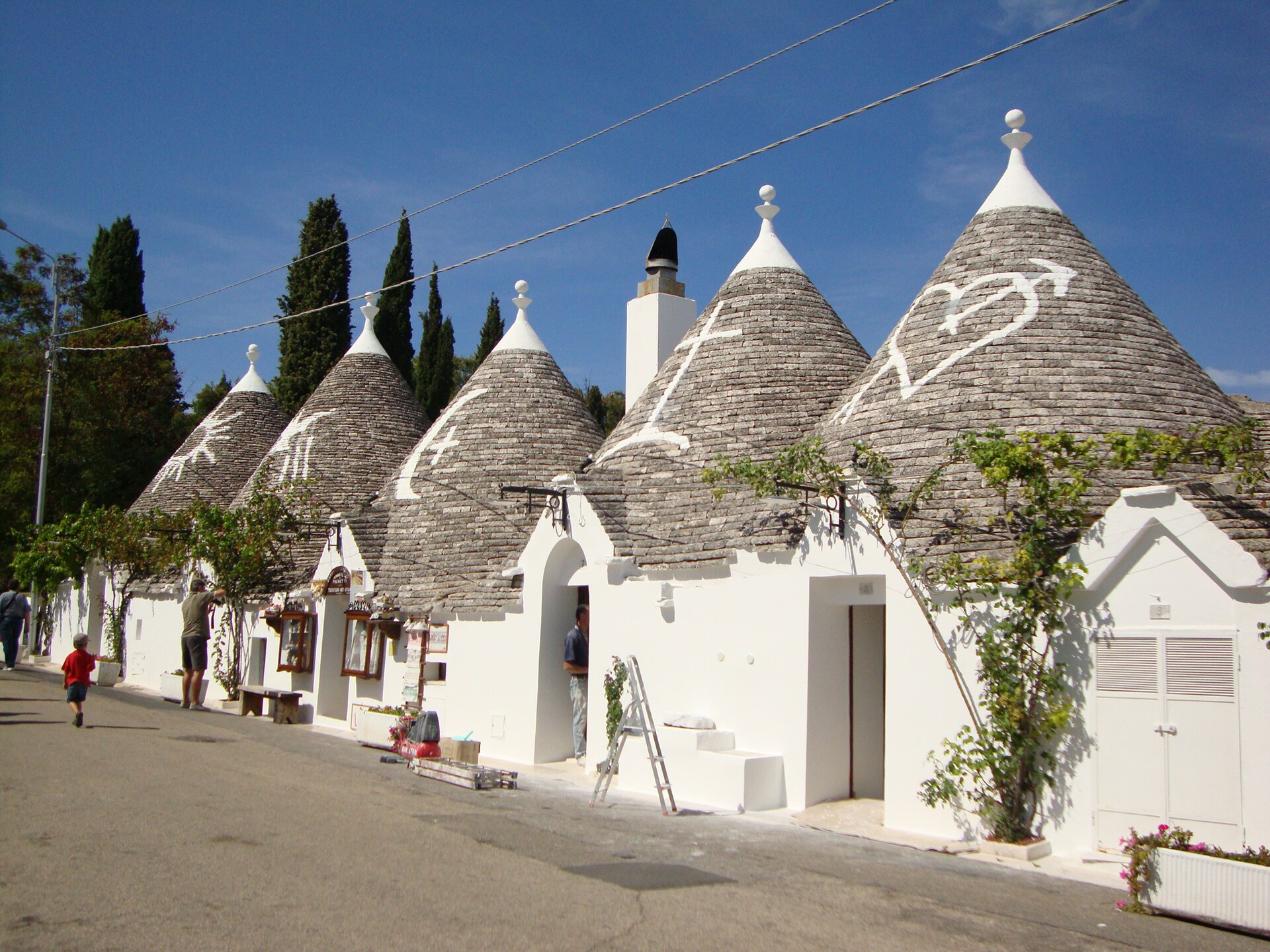
Valle d’Itria is strongest when food follows place: Cisternino’s fornelli and bombette, Martina Franca capocollo, Locorotondo wine and countryside meals rather than a generic Puglia…
Read / explore →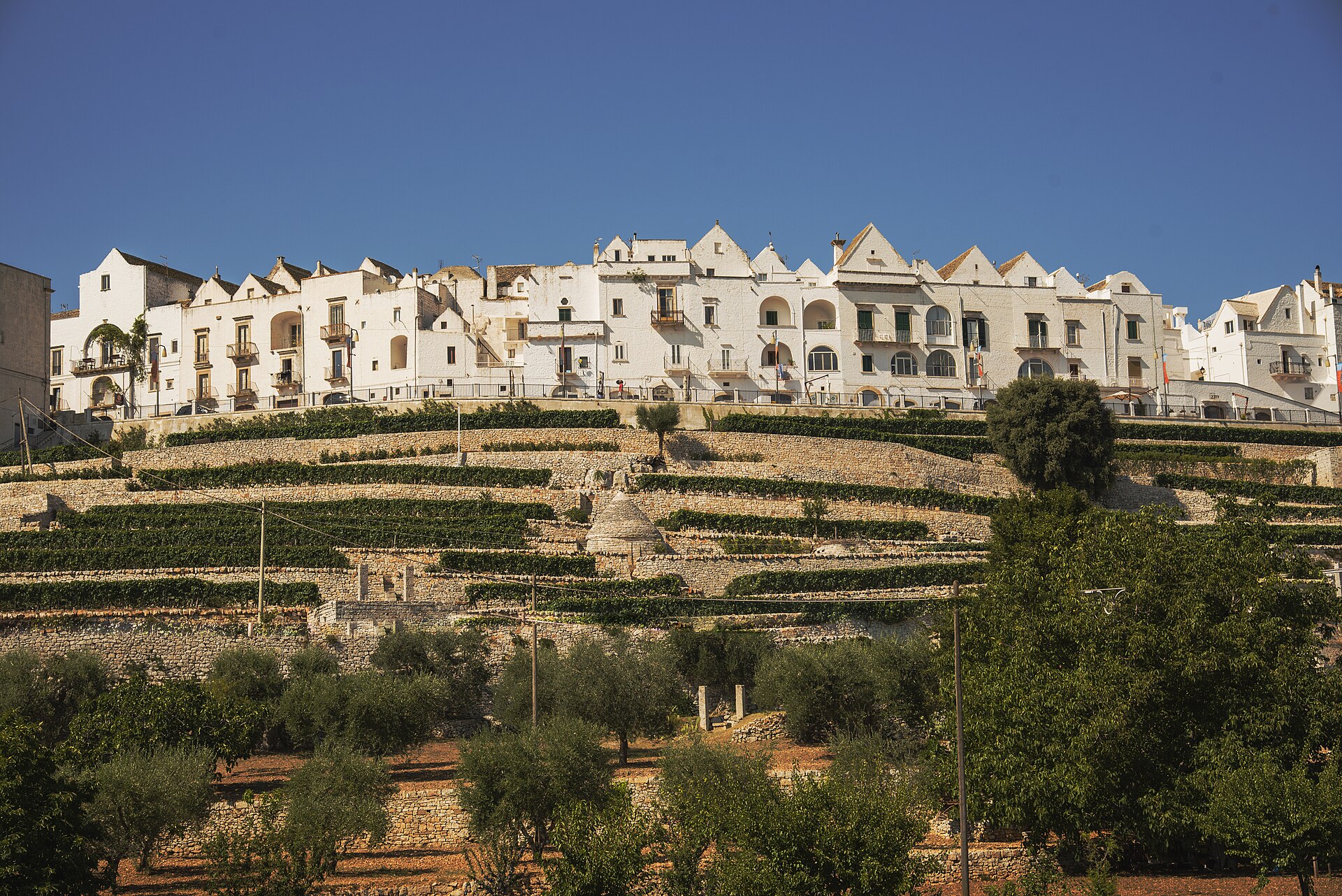
The trulli of Alberobello are only the most visible part of a wider Valle d’Itria landscape shaped by dry-stone construction, rural buildings, olive groves and masserie.
Read / explore →
Late spring and early autumn shift Valle d’Itria toward walking, outdoor meals and countryside stays without making peak-summer heat the organising force of every day.
Read / explore →
Five days gives Valle d’Itria enough room for one strong base, Alberobello, Locorotondo, Martina Franca, Cisternino and a real countryside layer without turning the trip into a village race.
Read / explore →Valle d’Itria can be travelled without a car if you narrow the radius around connected towns such as Alberobello, Locorotondo and Martina Franca. Rural freedom is the main trade-off.
Read / explore →Locorotondo, Cisternino, Martina Franca and the countryside create very different Valle d’Itria trips. Choose the base by evening rhythm, mobility and how much the stay itself should matter.
Read / explore →Valle d’Itria changes with heat, daylight, outdoor dining and visitor pressure: late spring and early autumn usually give the broadest balance, while summer brings peak energy.
Read / explore →A first Valle d’Itria trip works best when you choose one strong base, resist town collecting, and understand how trulli, masserie, food and countryside fit together.
Read / explore →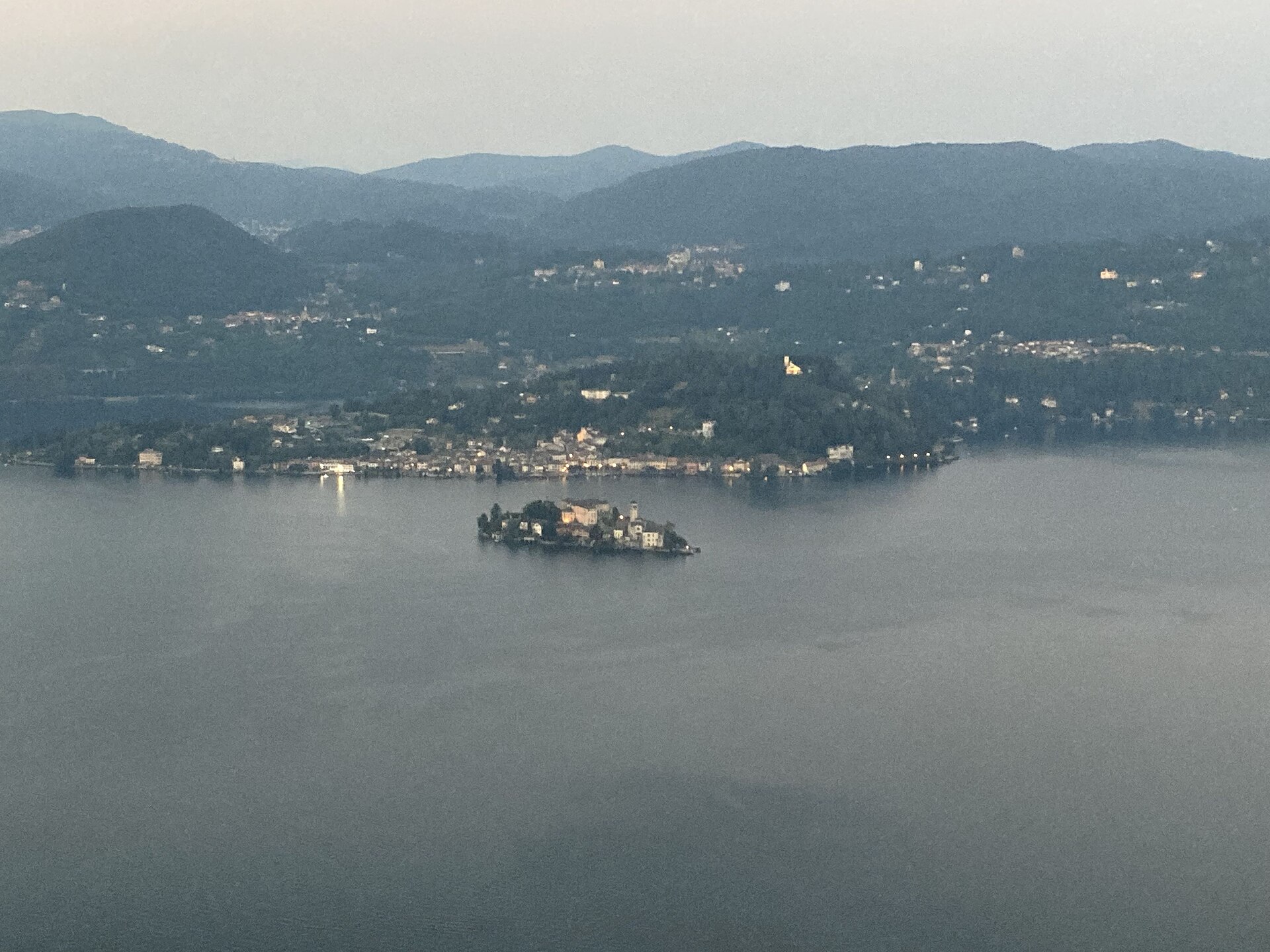
Lake Orta works differently by season: spring and autumn favour walking and calm, summer expands boat life and swimming, while winter becomes a quieter village-led escape.
Read / explore →
Lake Orta food works best when freshwater fish, Piedmontese cooking, local cheese, long lunches and the geography of small lakeside towns shape the day.
Read / explore →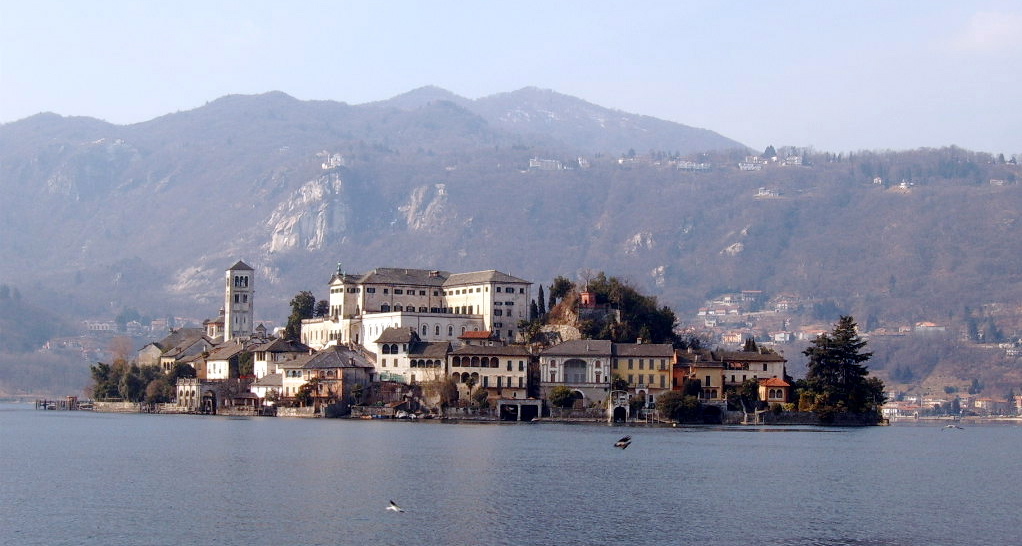
Lake Orta becomes more than a pretty lake through two places facing each other: the quiet island of San Giulio and the wooded UNESCO chapels of Sacro Monte.
Read / explore →
A first Lake Orta trip works best when you understand how small the lake is, how much Orta itself carries the stay and why boats, Sacro Monte and quiet repetition matter.
Read / explore →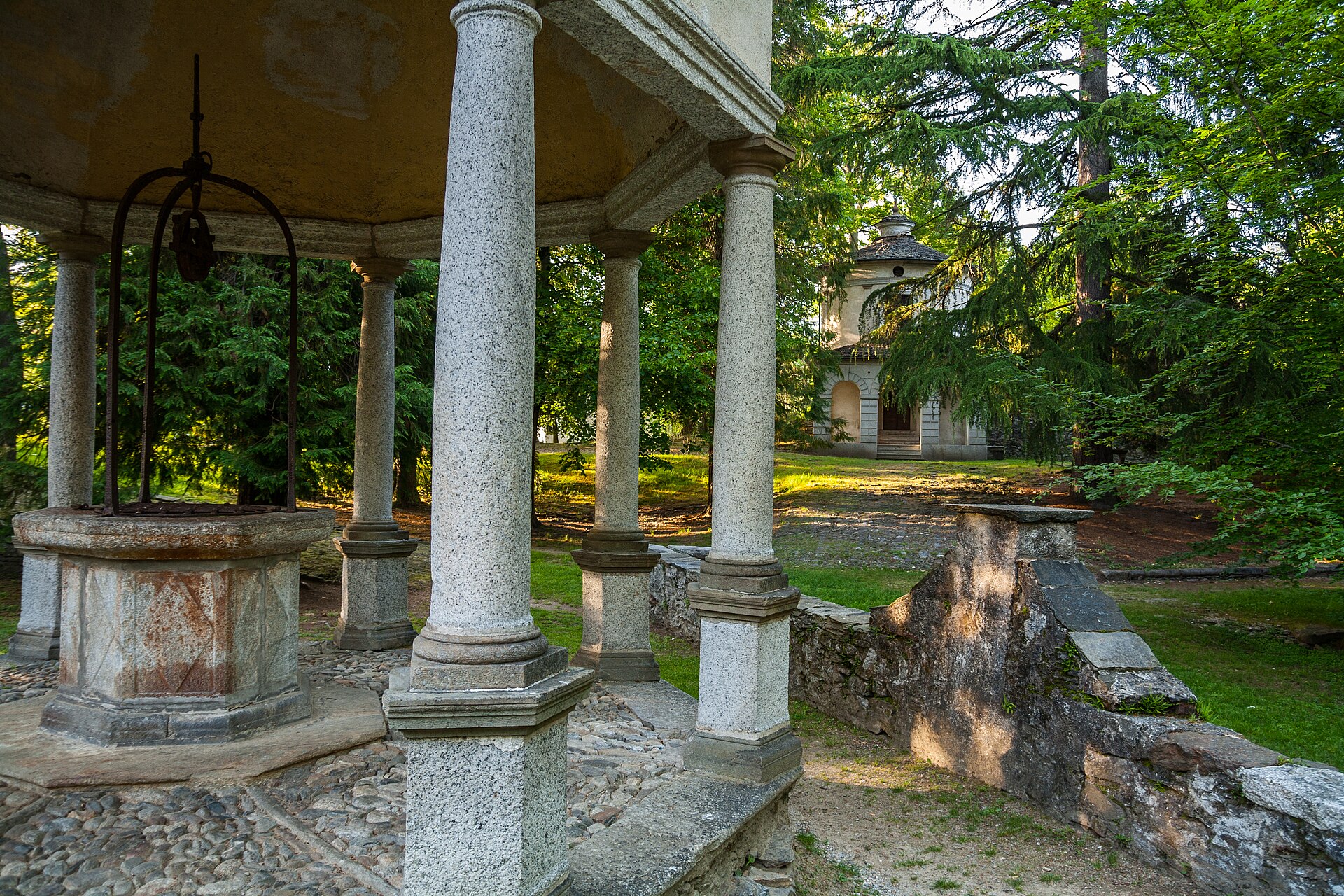
Three days is enough to understand Lake Orta when Orta San Giulio, Isola San Giulio, Sacro Monte and one wider-lake day are allowed to breathe.
Read / explore →Autumn shifts Lake Orta away from pure lake leisure toward walking, woodland colour, food and quieter villages, while seasonal boat patterns make planning more deliberate.
Read / explore →Lake Orta and Lake Como offer very different lake trips: Orta is compact, intimate and easy to edit; Como brings more towns, transport layers, villas and geographic scale.
Read / explore →