
A car is unnecessary for the core Tokyo experience. The city has an extensive public-transport network using rail, subway, buses and water buses, and IC cards support smooth movement across much of that system. The real challenge is not access but scale: a poor route can still waste time even when transport is excellent.
Rail and subway should carry the main structure

Tokyo's network makes it possible to base the entire city stay around public transport. Use rail or subway for larger movements, then explore on foot once you reach the district. That combination preserves both speed and neighbourhood depth.
Walking belongs inside districts, not across the whole metropolis
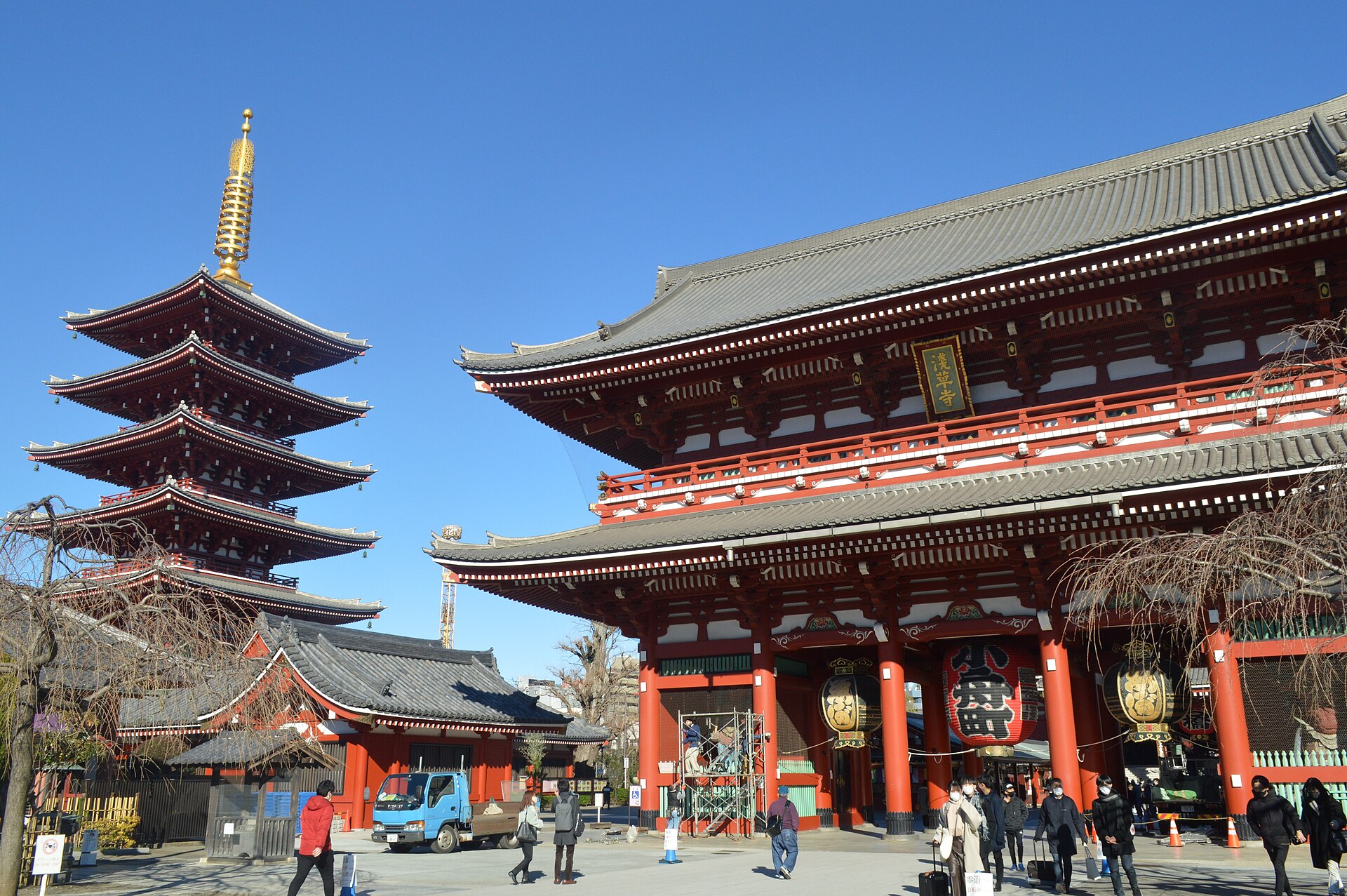
Tokyo rewards walking, but only when the geography makes sense. Build one part of the day around neighbouring places rather than treating the entire city as one continuous pedestrian zone. This is where official district-based itineraries are useful as a planning model.
A car solves very little inside the core city
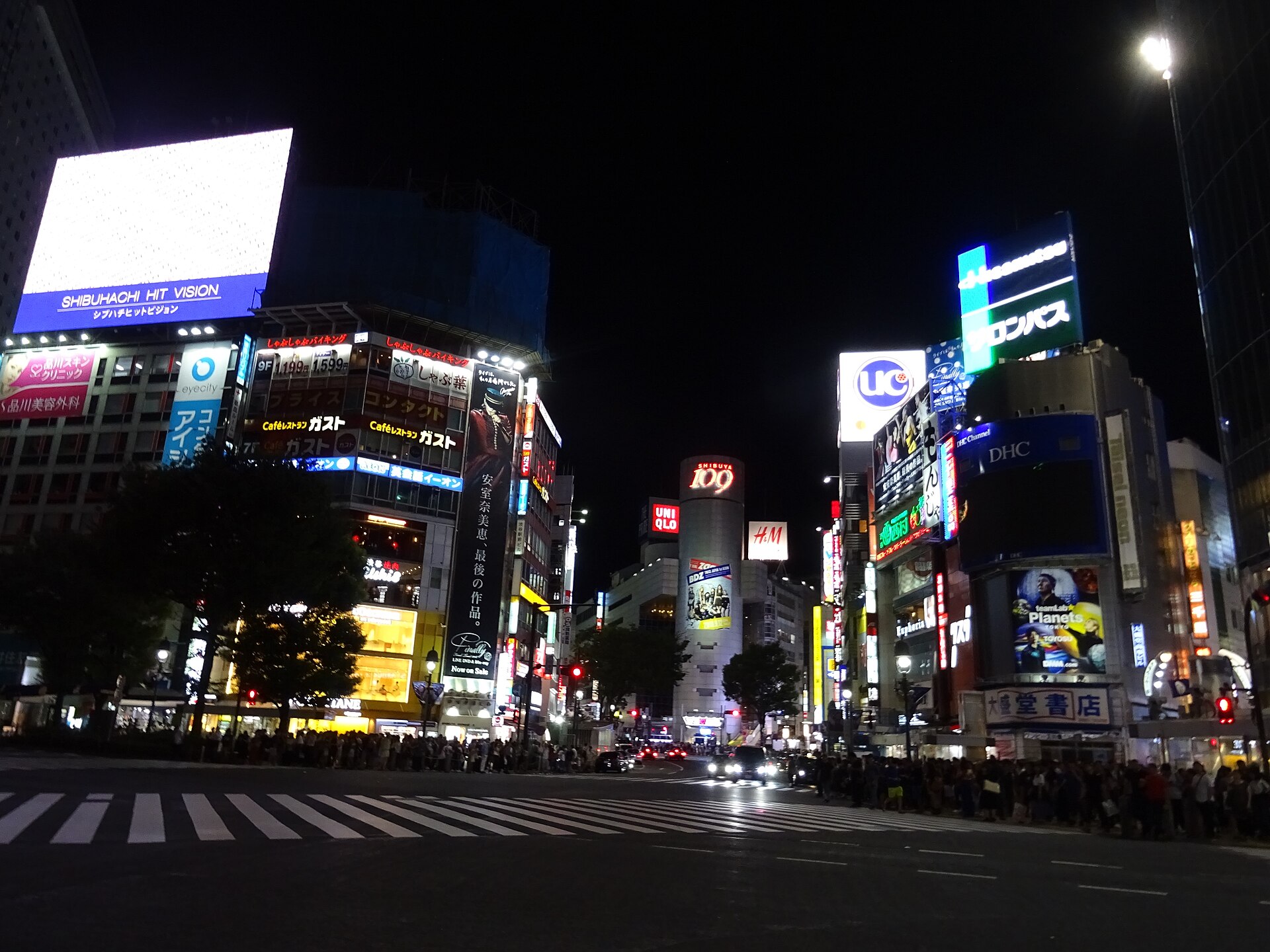
Driving rarely improves a first Tokyo stay because public transport already reaches the main districts efficiently. A car only becomes worth considering when your Journey extends well beyond the dense urban network and private mobility genuinely opens something the city system does not.
Transfer count matters more than route novelty
The network offers many valid ways to reach the same area, but the cleverest-looking route is not always the calmest. Prefer simple chains with fewer transfers, especially on long days. The goal is not to master every line; it is to make transport disappear into the trip.
Build each half-day around one direction
Tokyo becomes much easier when you stop bouncing between distant districts. Keep morning and afternoon geographically coherent, then use one major movement to shift the evening if needed. That structure keeps the scale exciting instead of exhausting.