
Kyoto's bases create very different daily rhythms. Gion and Higashiyama favour immediate heritage atmosphere, downtown and Kawaramachi keep dining and evenings easy, Kyoto Station prioritises transport, and Arashiyama gives the western edge more weight. OREVYON would choose the district based on the days you want to repeat, not on hotel score alone.
Gion and Higashiyama: strongest for historic atmosphere

This area suits travellers who want eastern Kyoto and heritage streets close to the start and end of the day. The benefit is atmosphere and proximity; the trade-off is that visitor pressure can be high and considerate movement through residential streets matters.
Downtown and Kawaramachi: best all-round evening balance
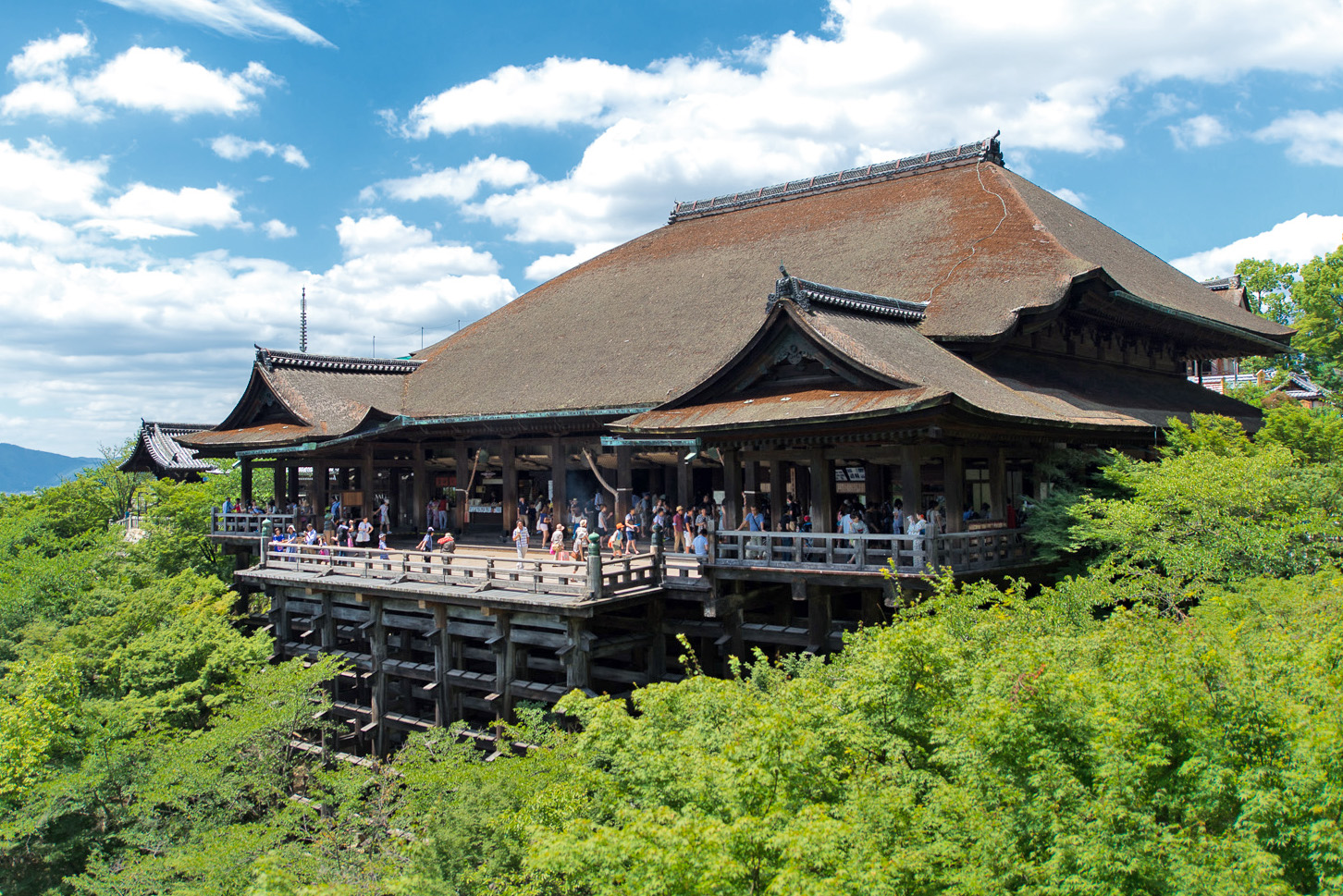
A central downtown base works well when restaurants, shopping and evening movement should remain easy after cultural sightseeing. It also creates a practical midpoint between eastern districts and wider transport connections.
Kyoto Station: strongest for transport efficiency
Explore destination →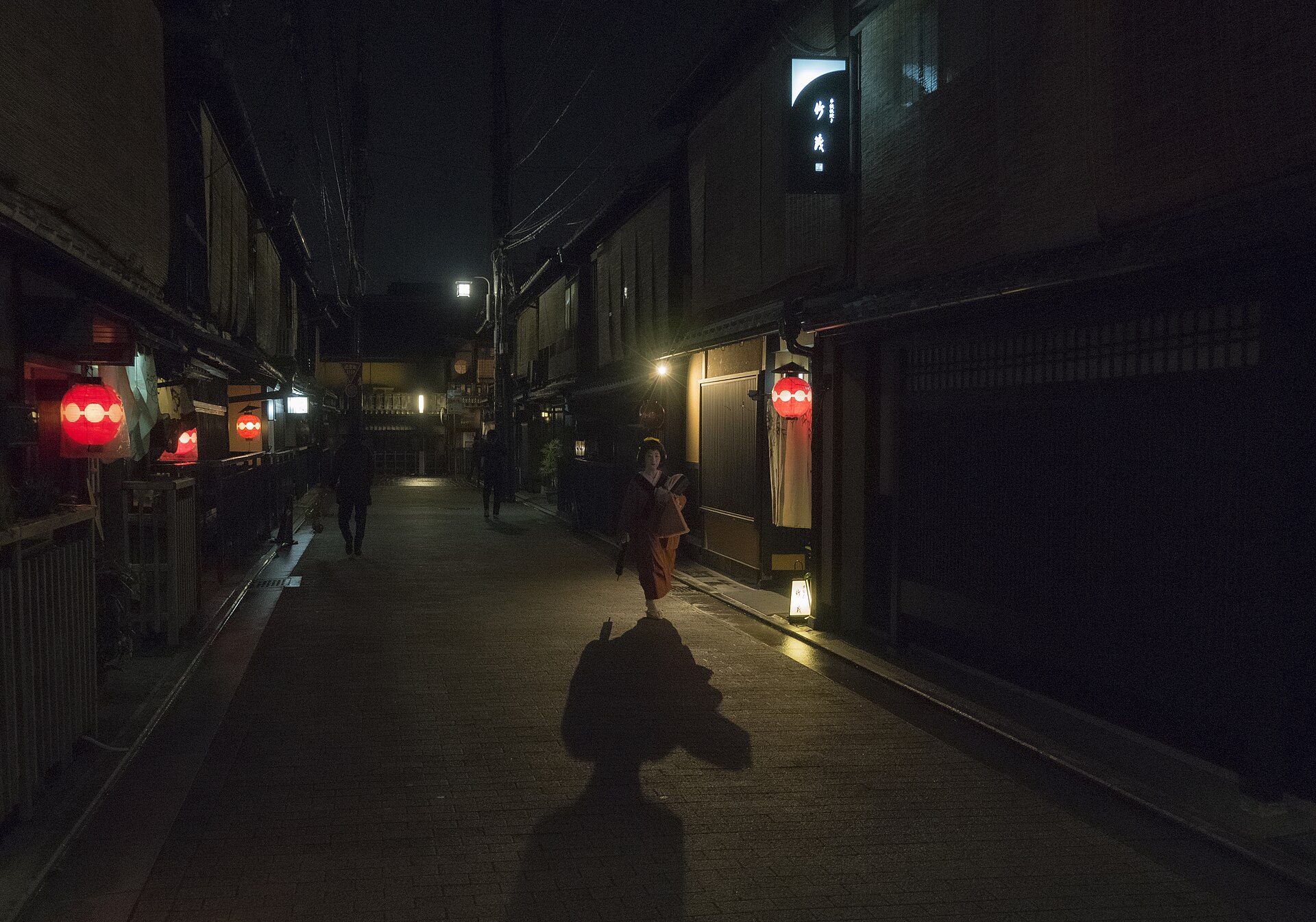
The station area is useful when rail connections, day trips or efficient movement matter more than waking up inside Kyoto's most atmospheric streets. It is a pragmatic base that can reduce friction on travel-heavy itineraries.
Arashiyama: choose it only if the western edge is part of the stay
Arashiyama can create a quieter-feeling base and makes sense when the western side should be more than a day trip. It is less compelling if most of your priorities sit far across the city and every day begins with a long transfer.
One strong base is usually enough
With five to seven nights, a single well-chosen base is normally calmer than changing hotels. A split stay is only worthwhile when it intentionally opens a second travel rhythm. The best base is the one that makes mornings and evenings feel right, not merely central.