
Valle d’Itria changes with heat, daylight, outdoor dining and visitor pressure: late spring and early autumn usually give the broadest balance, while summer brings peak energy.
Late spring · The valley opens up
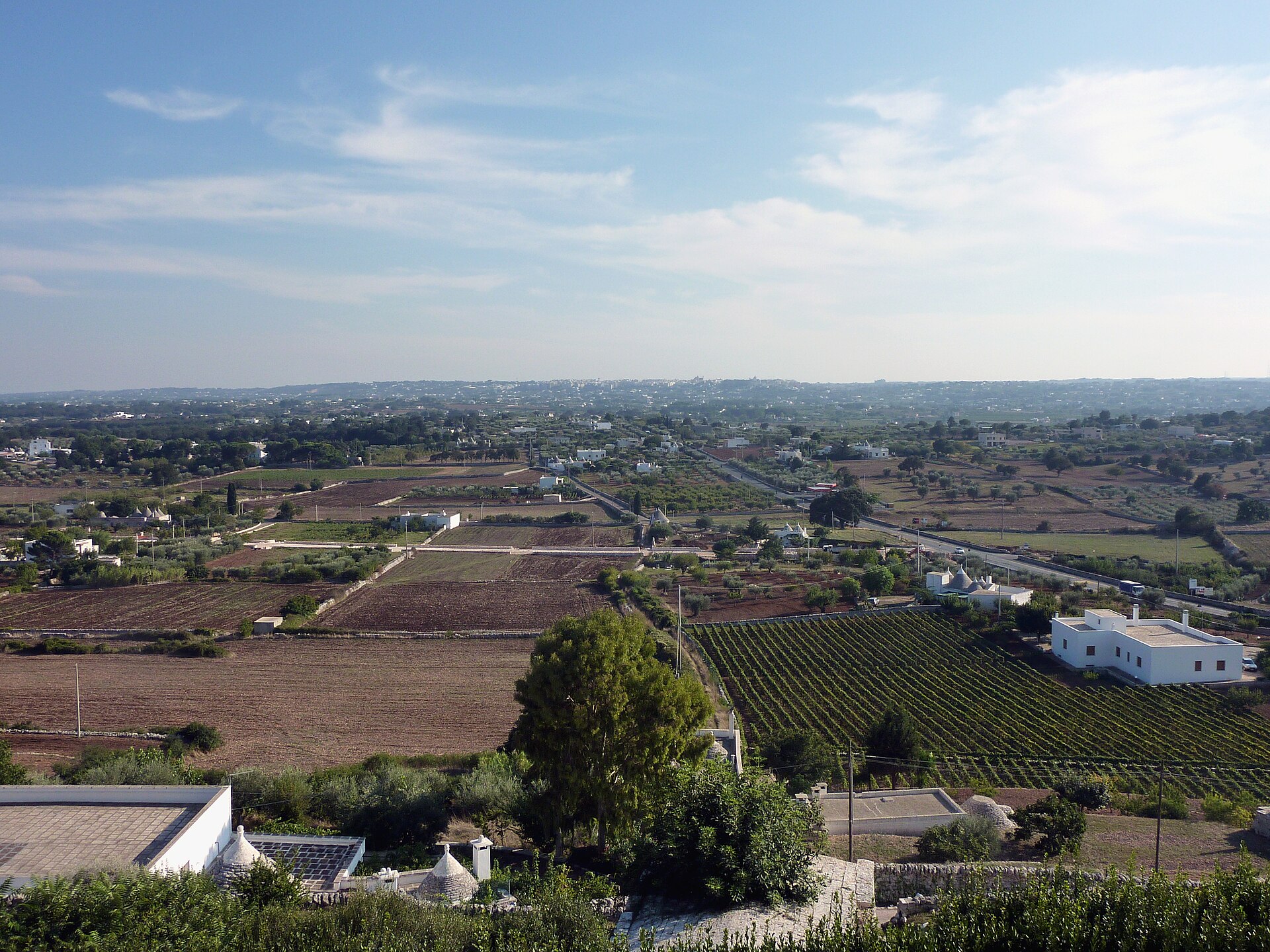
Longer days, green countryside and comfortable town-to-town exploring make late spring a strong all-round period for walking, food and rural stays.
Summer · Maximum energy, more heat
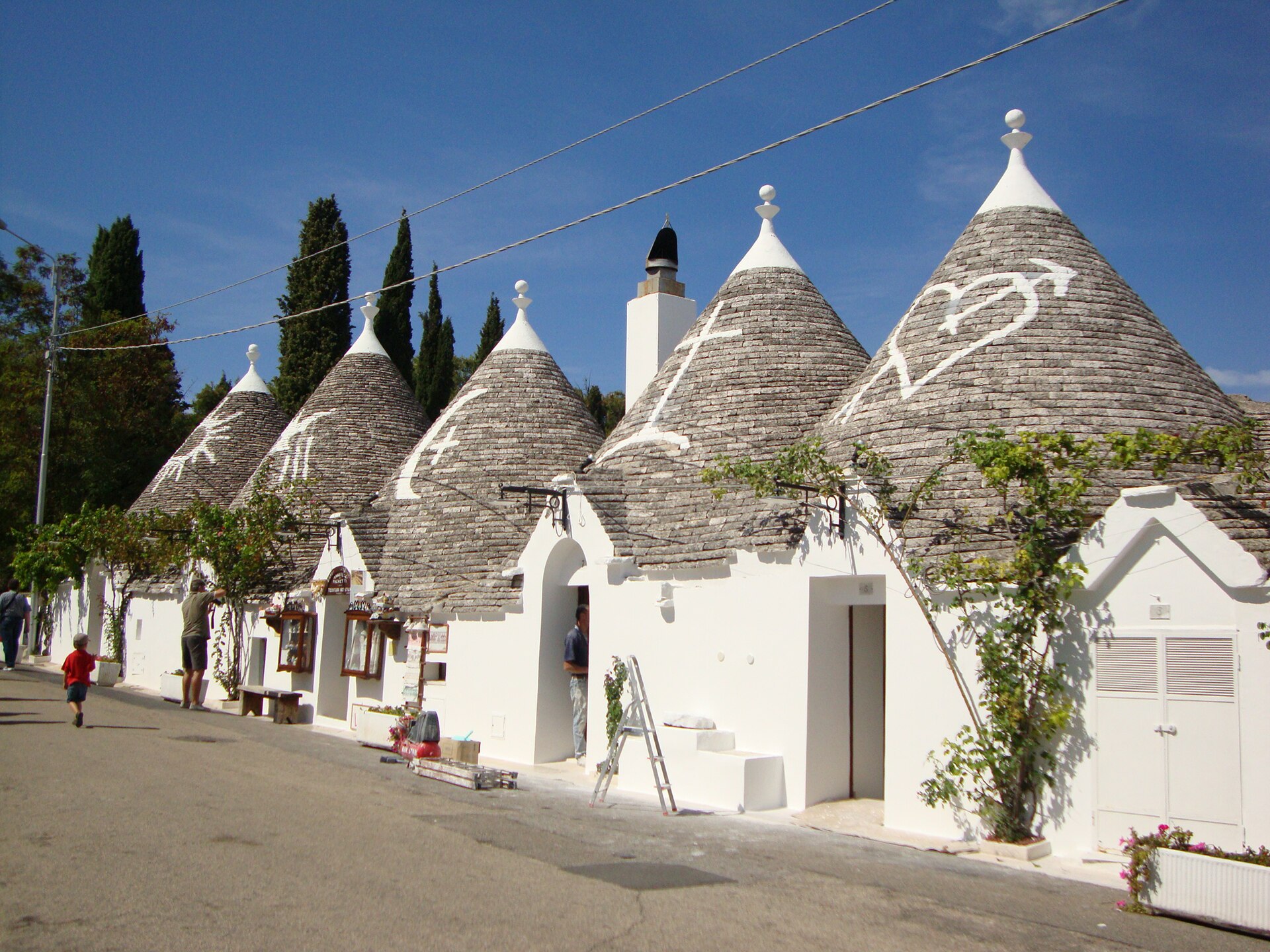
Summer brings long evenings and fuller town life, but also stronger heat and visitor pressure in famous places such as Alberobello. Midday pacing matters more.
Early autumn · Food and countryside regain weight
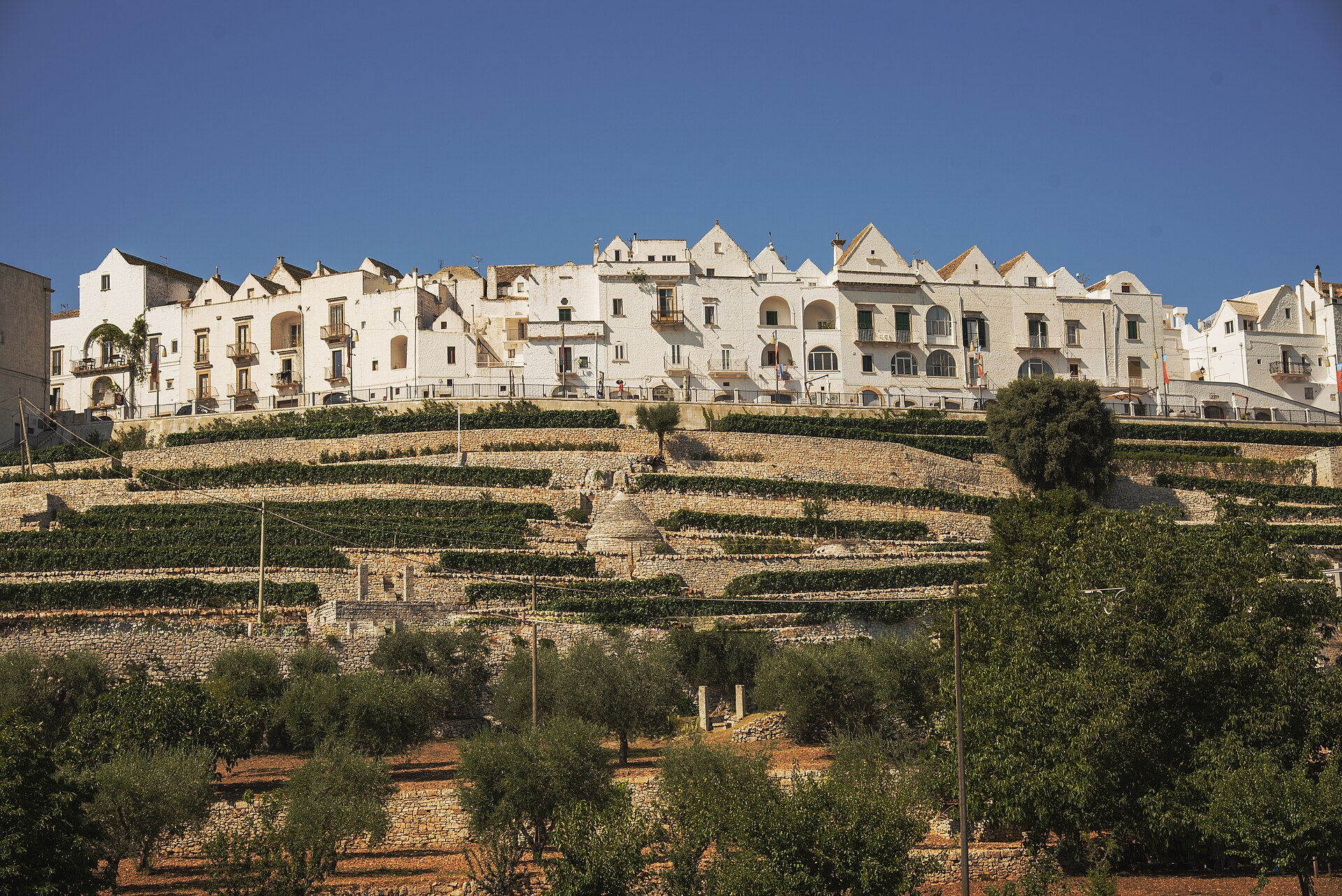
September and early autumn keep outdoor life strong while the trip can shift away from peak-season intensity toward meals, villages and the rural landscape.
Winter · A smaller, more local trip

Winter can still suit architecture, food and quiet town stays, but the region becomes less about long outdoor days and more dependent on opening patterns and weather.
The OREVYON choice

Choose late spring or early autumn for the widest balance; choose summer when long evenings and peak atmosphere matter more than heat and crowd avoidance.