
The trulli of Alberobello are only the most visible part of a wider Valle d’Itria landscape shaped by dry-stone construction, rural buildings, olive groves and masserie.
Trulli extend beyond Alberobello
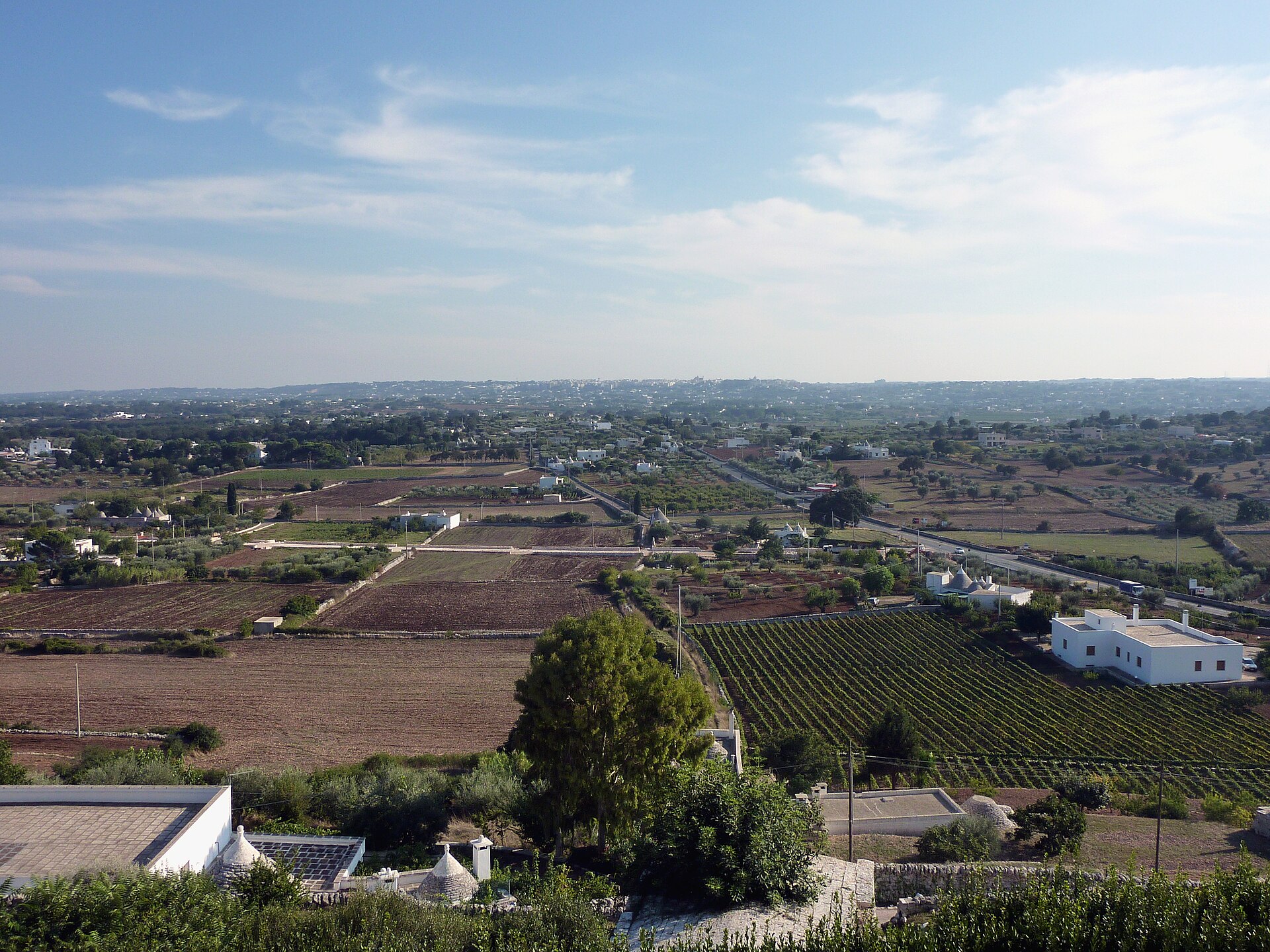
UNESCO notes that rural trulli are found across the Itria Valley, while Alberobello contains the highest concentration and best-preserved urban ensembles.
Alberobello explains the building tradition at scale
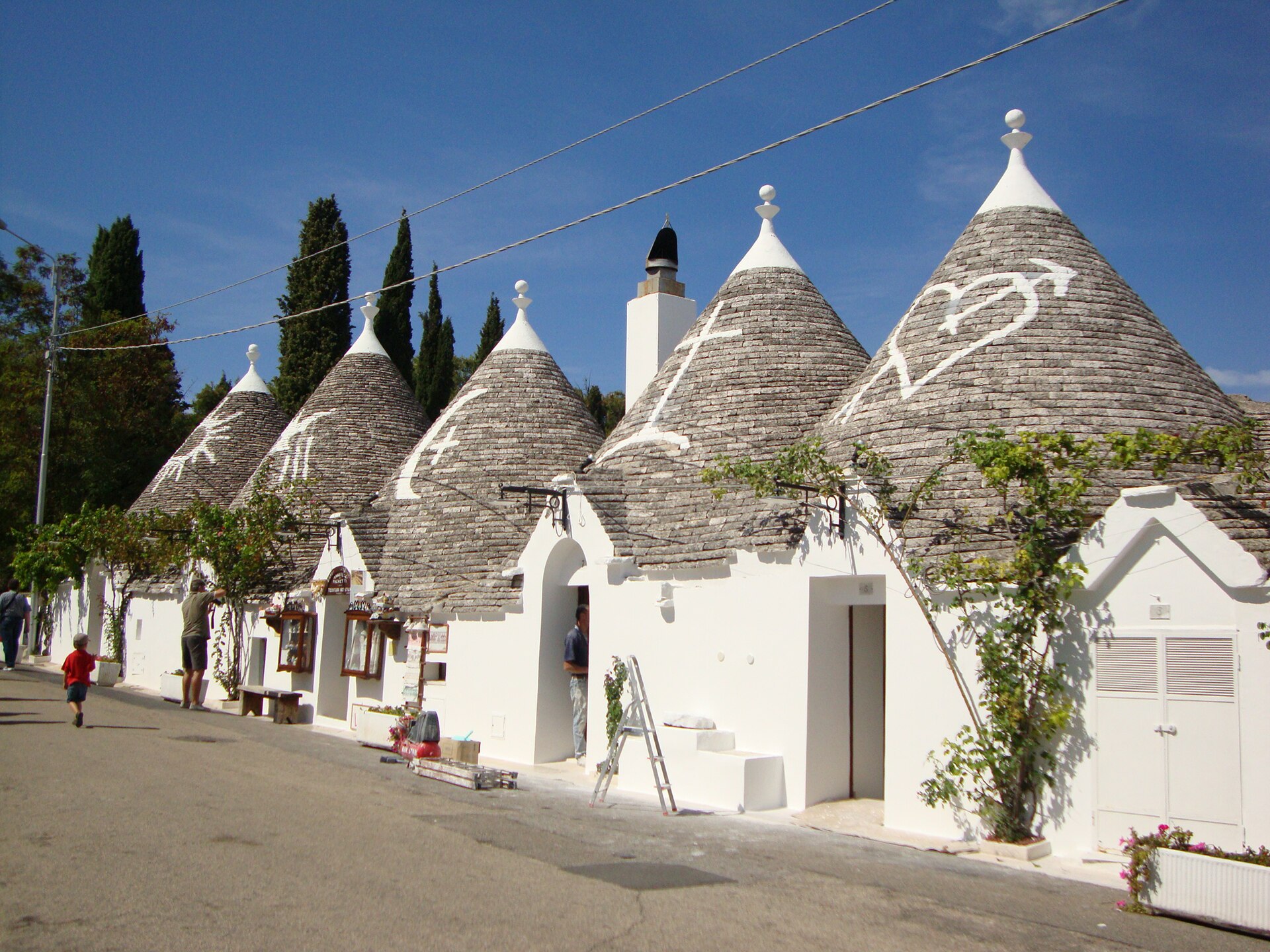
Rione Monti and Aia Piccola make the dry-stone construction legible as an entire urban landscape. That concentration is exactly why the town matters.
Masserie tell a different rural story
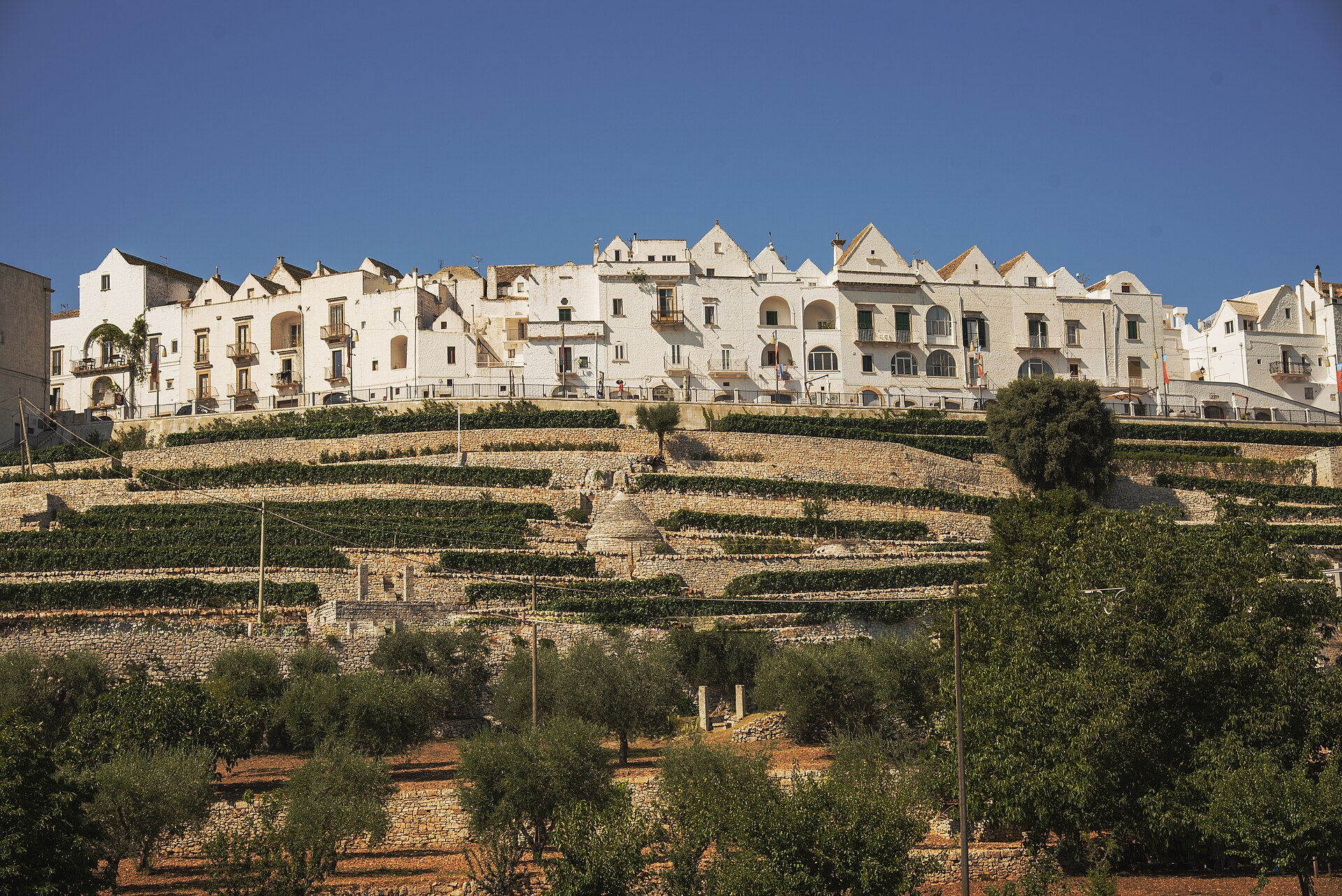
Masserie add the agricultural layer: larger farm complexes tied to land, food production and countryside life rather than the compact vernacular form of the trullo.
Stay in the landscape, not only beside it

A trullo or masseria stay can make morning light, dry-stone walls, olive groves and the return drive part of the travel experience instead of background scenery.
The OREVYON read

Use Alberobello to understand concentration and craft; use the wider valley to understand how architecture, agriculture and daily life belong to the same landscape.