
Tokyo is too large for hotel choice to be separated from trip design. A strong property in the wrong district can quietly create unnecessary transfers every day. For a first visit, OREVYON would choose the area based on evening rhythm and daily geography before comparing individual hotels.
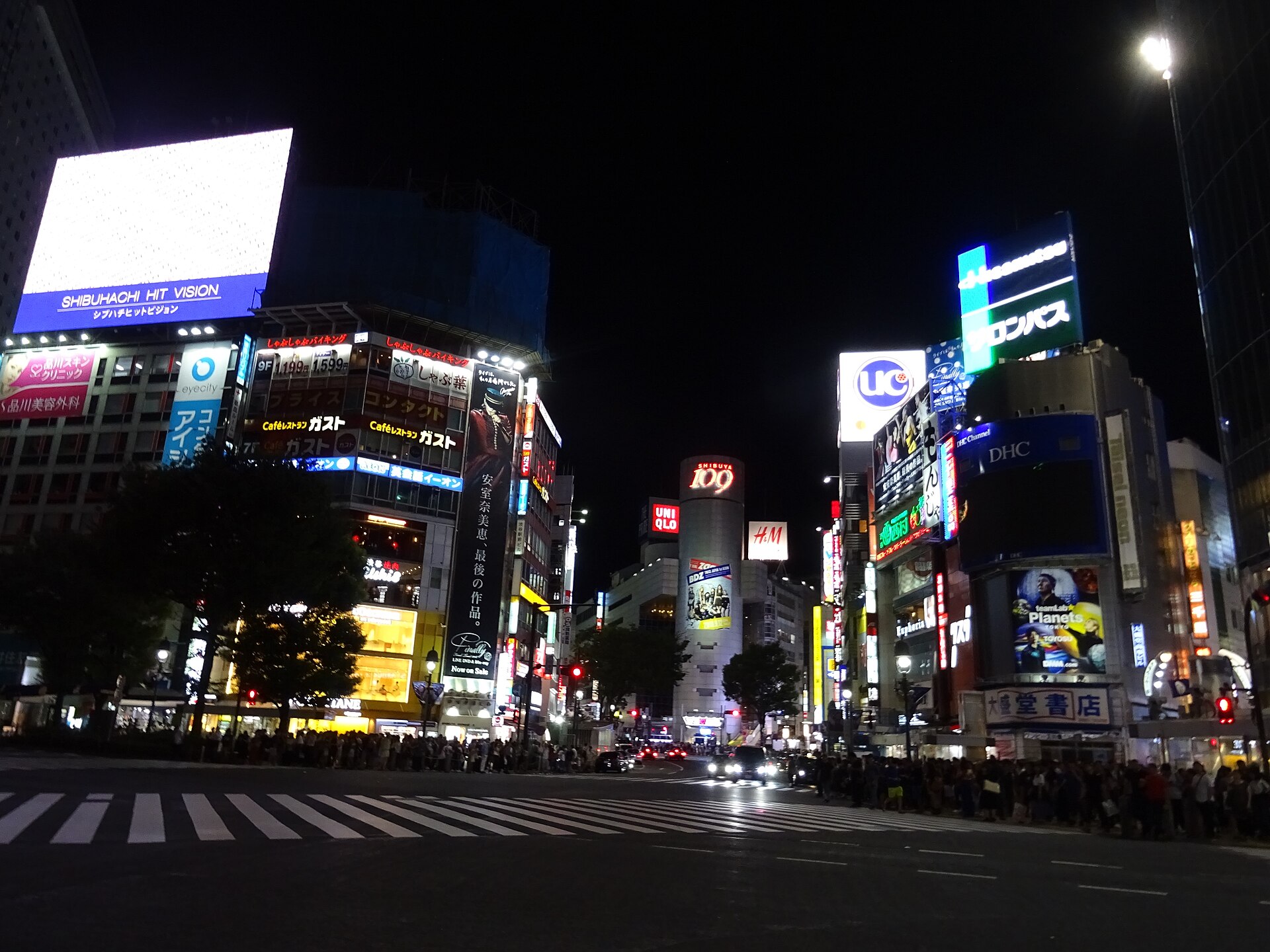
Shinjuku and Shibuya: energy, access and late urban rhythm

These western districts suit travellers who want major transport hubs, dense evenings and easy access to high-energy parts of the city. They work especially well when you want the city to feel active after dinner rather than winding down early.
Ueno and Asakusa: a different texture of Tokyo
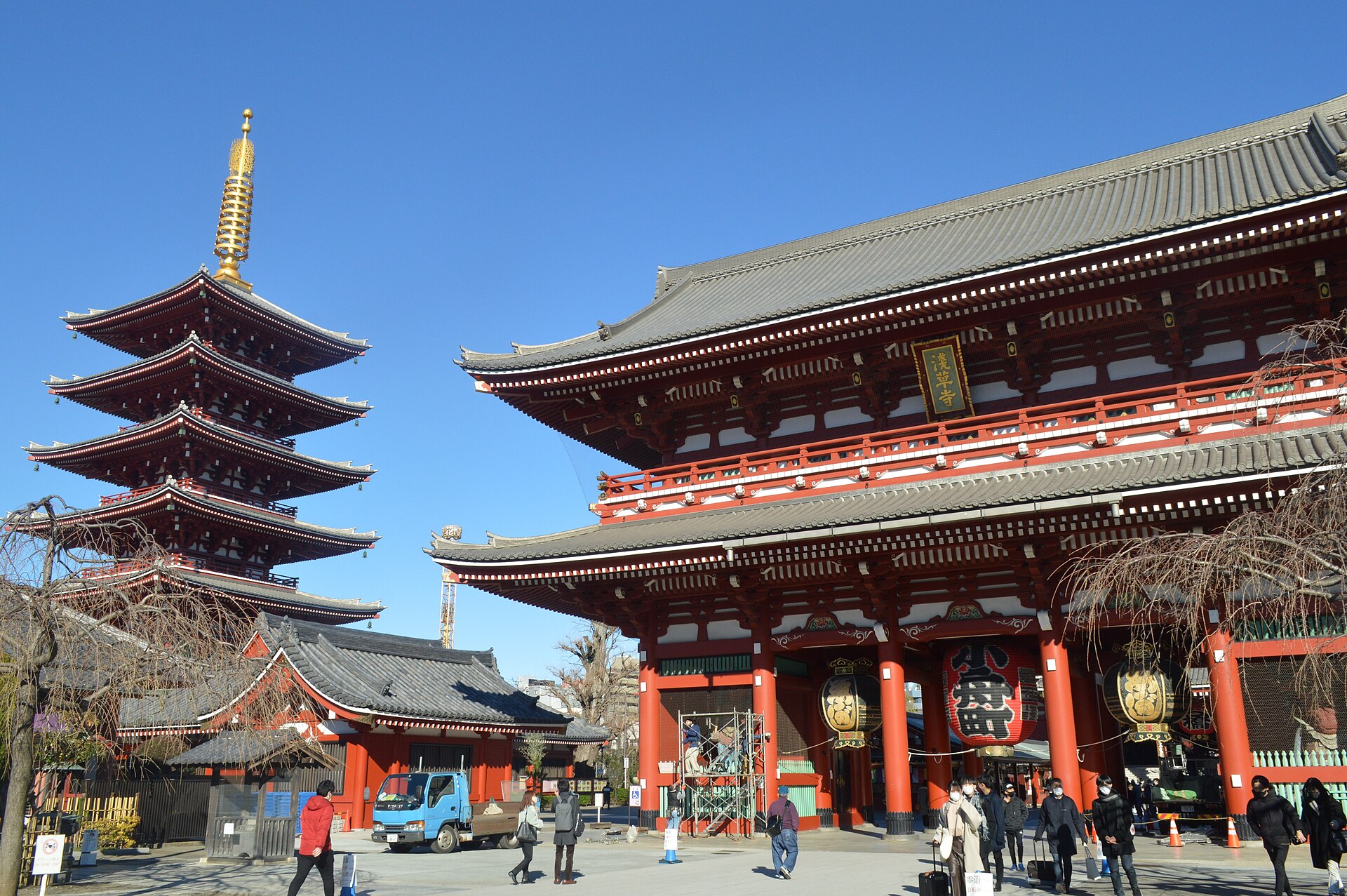
The east side can provide a more layered first impression built around older urban character, museums and neighbourhood streets. It is a useful counterweight for travellers who want culture and local texture to matter as much as nightlife or shopping.
Ginza and Marunouchi: polished and highly connected
A central base around Ginza or Marunouchi suits travellers who value strong rail access, a more refined streetscape and straightforward movement to multiple parts of the city. The trade-off is that the atmosphere may feel more polished and businesslike than neighbourhood-led.
One strong base is usually enough
For a five- to eight-night stay, one well-chosen base is usually calmer than changing hotels. Split stays only become useful when you deliberately want two very different versions of Tokyo, not simply because the city is large.
Use your evenings as the deciding test
Ask where you want to be at 21:30 after a full day. If you want intense city energy, weight Shinjuku or Shibuya. If you want older urban texture, look east. If you want polished centrality and rail convenience, weight Ginza or Marunouchi. The best base makes your best days easier.