
Tokyo and Kyoto answer different travel questions. Tokyo is a vast metropolis built around neighbourhood variety, transit, food and contemporary urban layering. Kyoto is a historic cultural city where temples, gardens, craft, seasonal rituals and neighbourhood depth define the experience. The right choice depends on the trip you want, not on which city has the longer highlights list.
Choose Tokyo for scale, variety and urban energy

Tokyo suits travellers who want several different city worlds in one stay: high-energy districts, major museums, design, food and multiple distinct evenings. Its strength is range, but that range creates more decision-making and cross-city planning.
Choose Kyoto for heritage, gardens and slower cultural depth
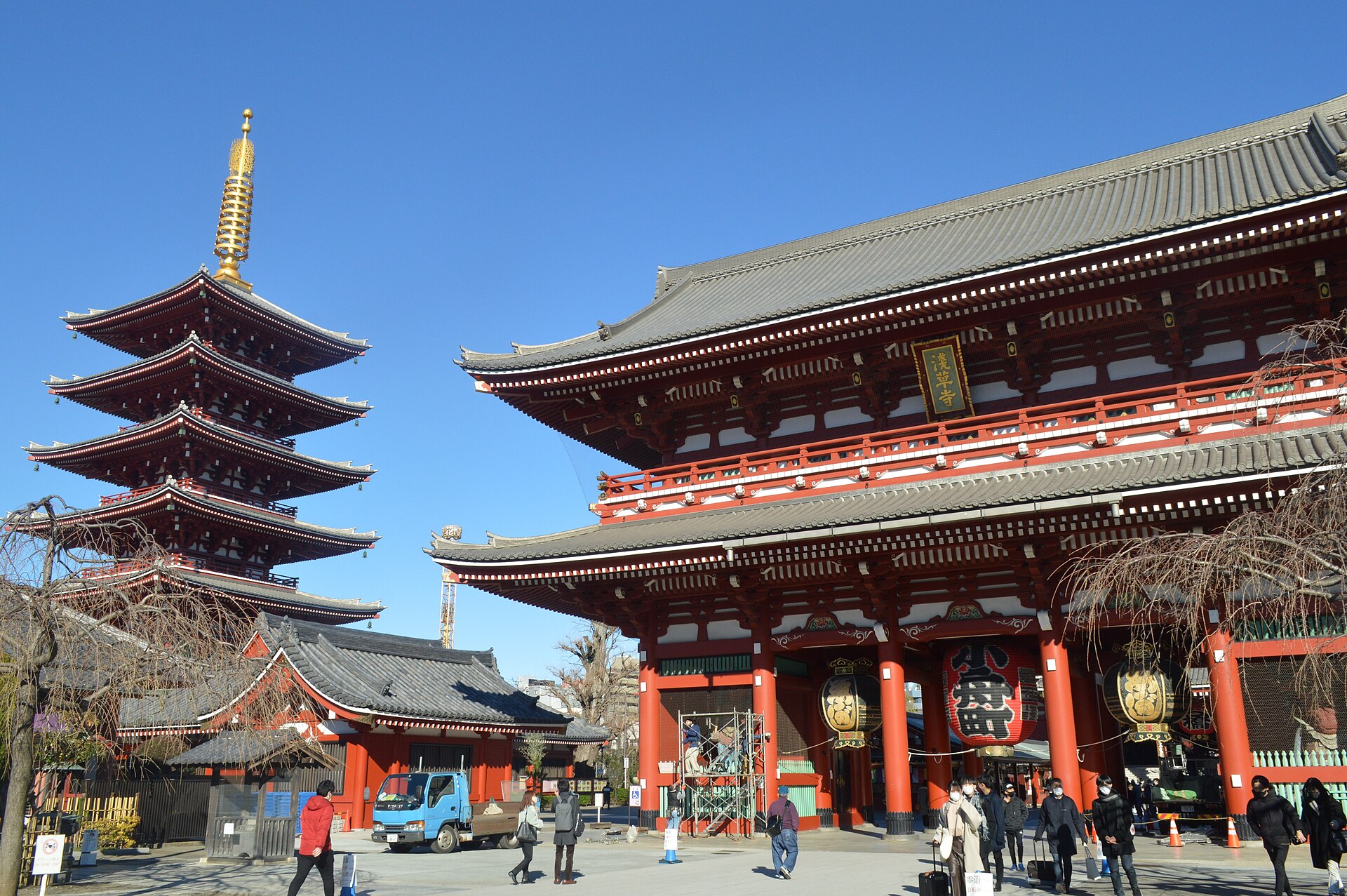
Kyoto fits travellers who want temples, gardens, historic streets, craft traditions and seasonal rituals to carry more of the trip. It is smaller in scale but can still feel crowded and requires thoughtful timing around major sites.
Both work well without a car, but the mobility feels different
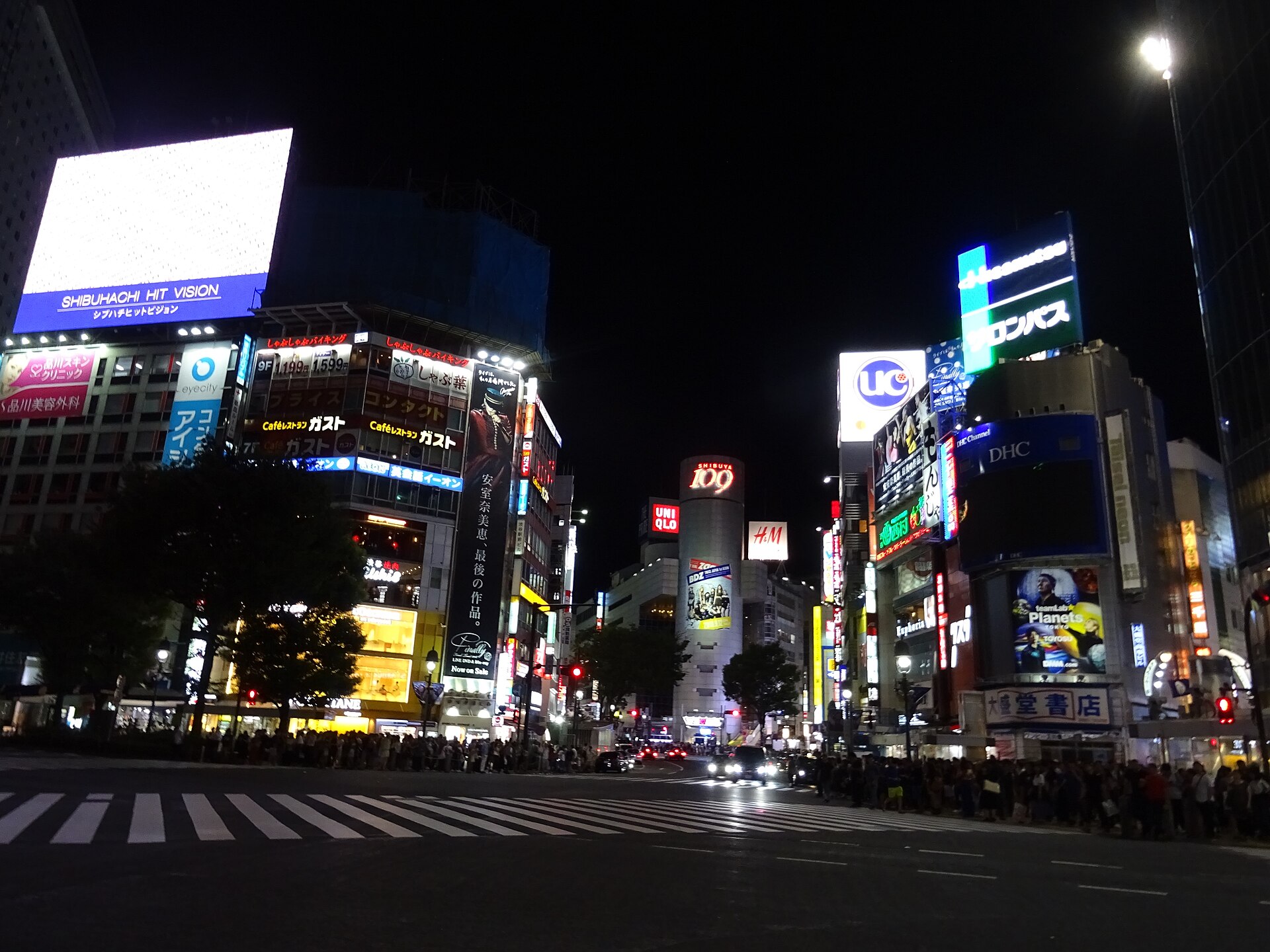
Tokyo relies heavily on rail and subway across a vast urban network. Kyoto combines walking, rail, subway, buses and cycling across more distinct cultural zones. In Tokyo, the challenge is scale; in Kyoto, the challenge is crowd concentration and slower corridors.
Compare evening and food rhythm
Tokyo offers exceptional food depth and many distinct evening styles across districts. Kyoto also has meaningful food and evening depth, but its strongest identity remains tied more closely to heritage, local ritual and neighbourhood atmosphere. Neither is 'better' in the abstract; they allocate your time differently.
Let your available nights decide more than popularity
If you have enough time, the two cities complement one another. If you must choose, compare your preferred pace, cultural priorities, crowd tolerance and appetite for urban scale. Ask OREVYON to weigh the choice against your Taste Profile rather than collapsing it into a generic ranking.