
Valle d’Itria and Salento offer different Puglia trips: inland white towns, trulli and masserie versus a larger southern peninsula shaped more strongly by coast, Lecce and beach geography.
The core difference
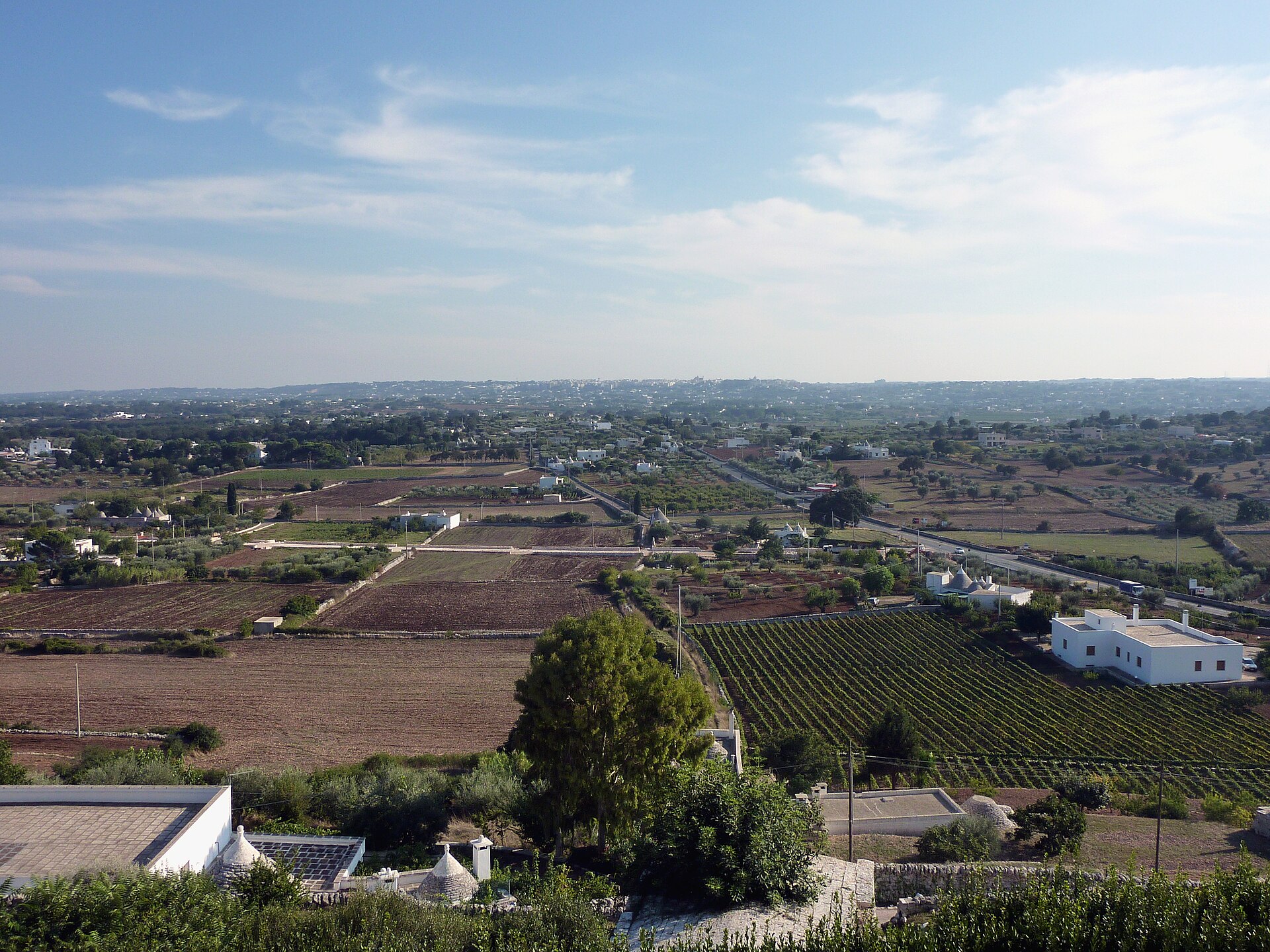
Valle d’Itria is compact and inland-led, built around white towns, trulli, countryside and short drives. Salento is a larger southern peninsula where coast and sea shape the trip much more strongly.
Towns and architecture
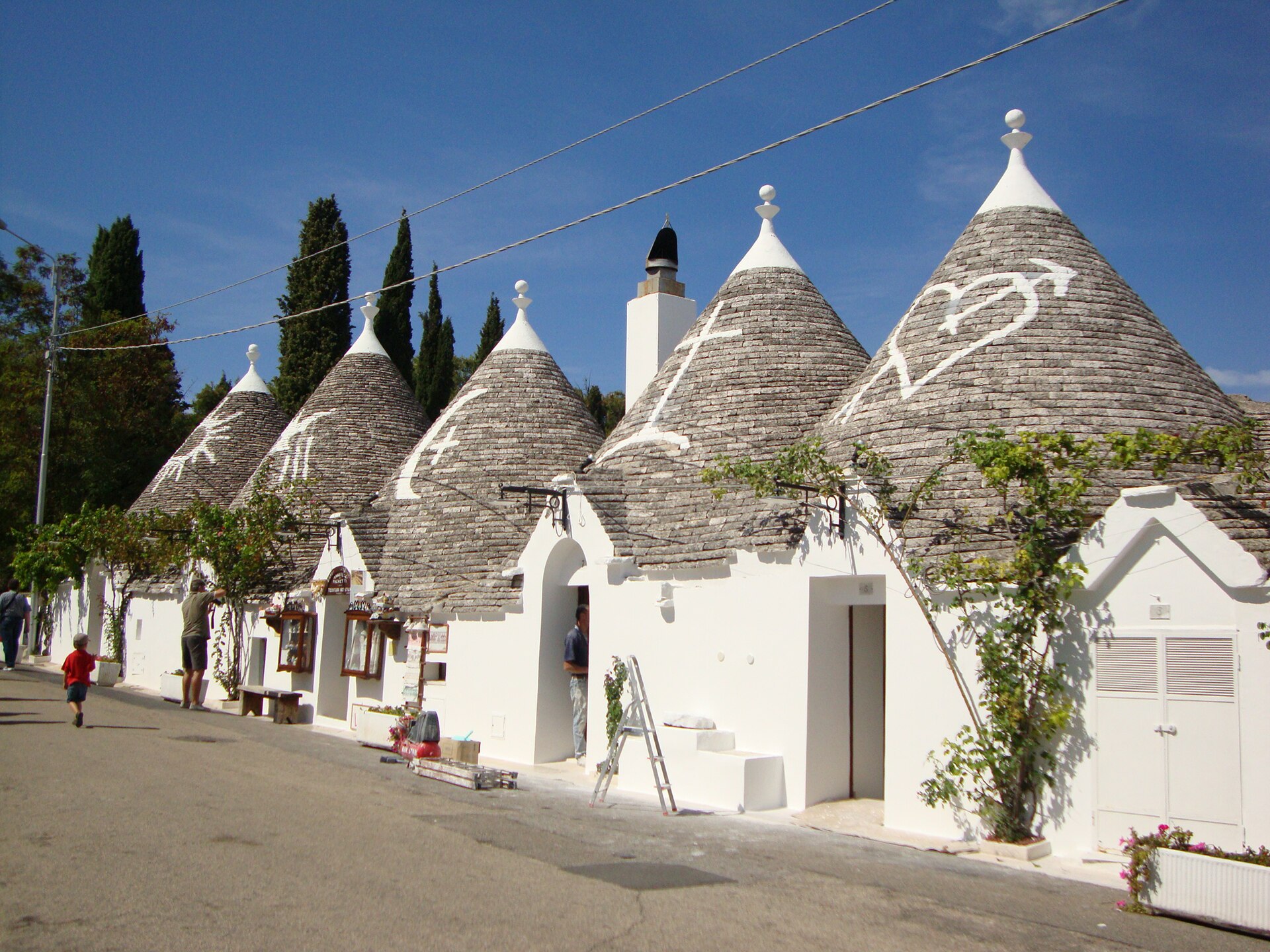
Valle d’Itria centres on places such as Locorotondo, Cisternino, Martina Franca and Alberobello. Salento adds Lecce’s Baroque scale alongside smaller inland towns and coastal settlements.
Coast versus countryside
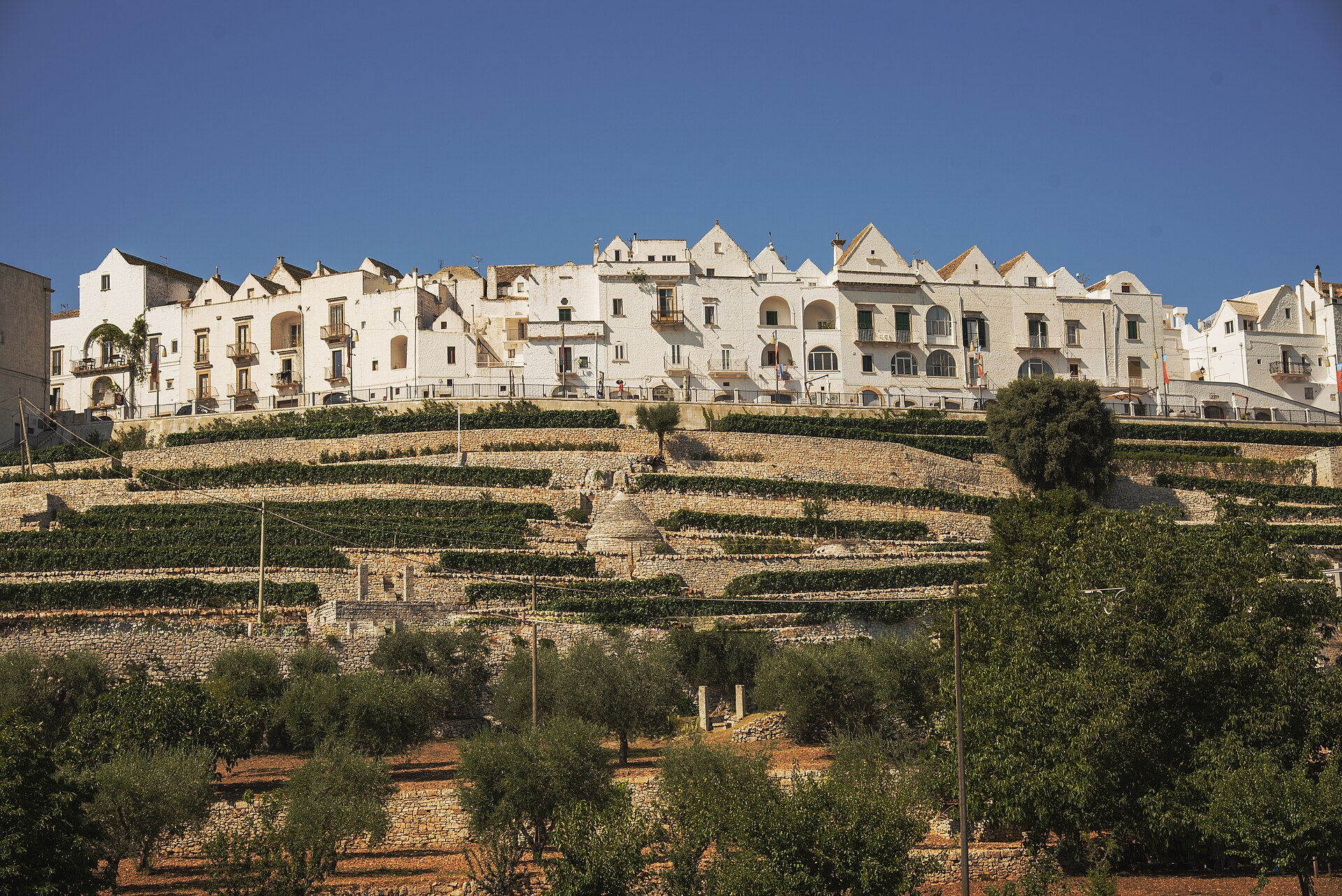
Choose Valle d’Itria when the countryside itself should carry the stay. Choose Salento when beaches, coves and a two-coast geography are essential parts of the itinerary.
Mobility and trip shape

Both regions reward a car for depth, but Valle d’Itria’s core is tighter. Salento generally asks for more distance when you combine Lecce with Adriatic and Ionian coastlines.
The OREVYON choice

Pick Valle d’Itria for a compact, food-and-countryside-led trip; pick Salento when sea, Lecce and a broader southern Puglia road trip matter more. Combining both works best when you have enough nights not to compress either.