
Valle d’Itria is strongest when food follows place: Cisternino’s fornelli and bombette, Martina Franca capocollo, Locorotondo wine and countryside meals rather than a generic Puglia checklist.
Cisternino · Let the fornelli lead
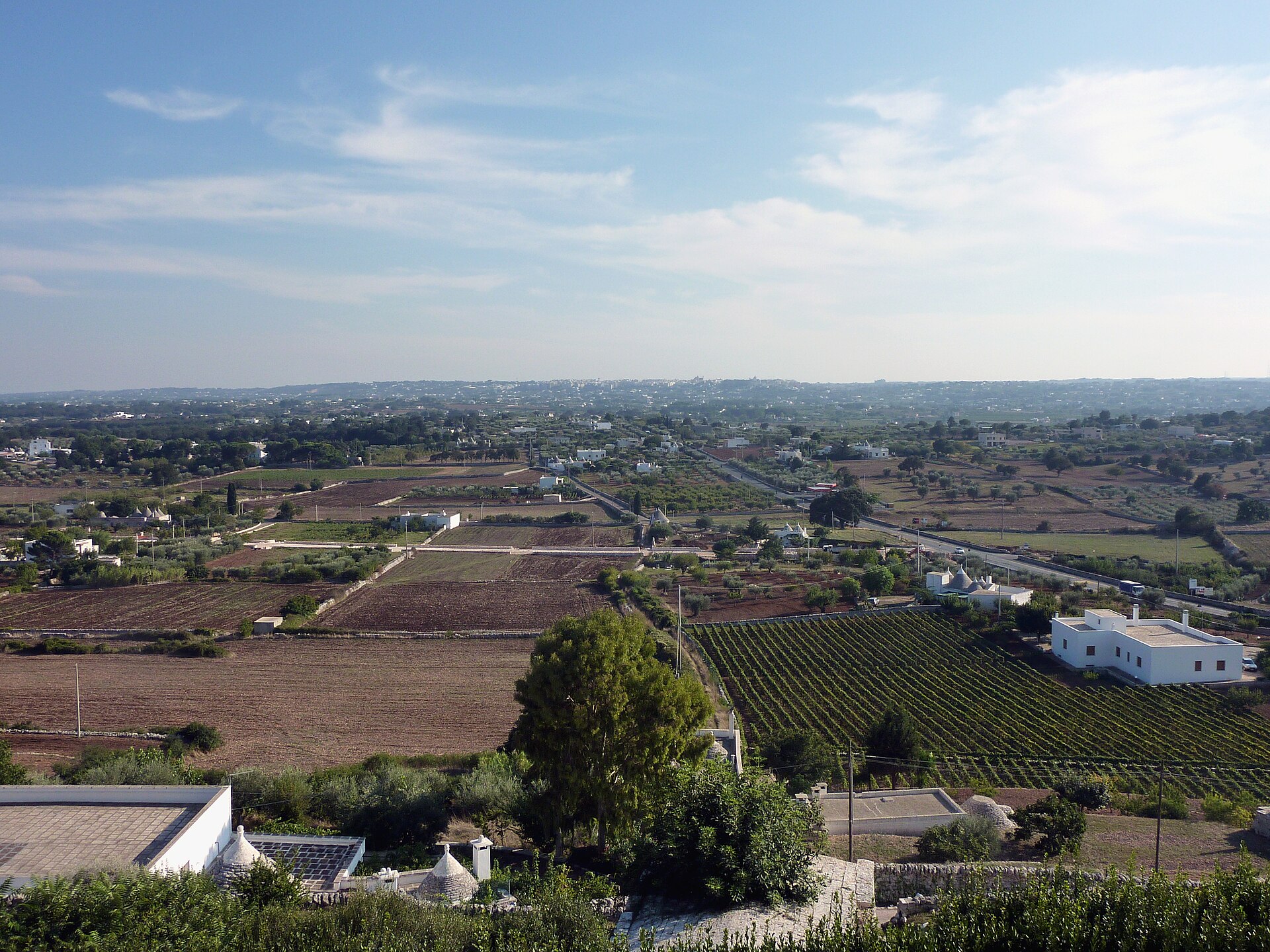
Cisternino is closely associated with fornelli pronti: butcher-shop grills where meats such as bombette, rolls and offal are chosen and cooked, making dinner part of the town’s identity.
Martina Franca · Capocollo gives the place a signature
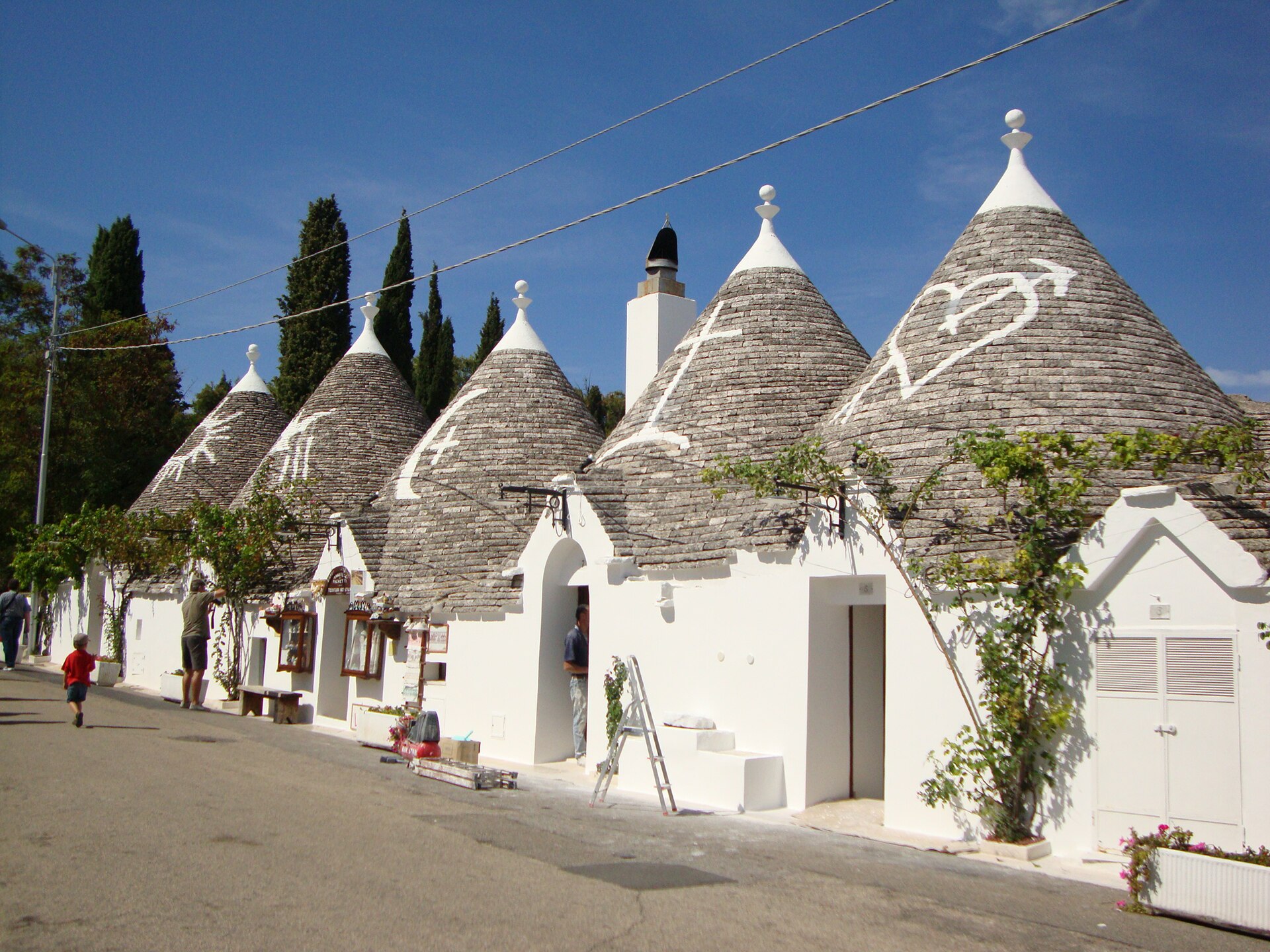
Capocollo di Martina Franca carries a strong local cured-meat identity and sits naturally beside the town’s architecture and wine culture.
Locorotondo · Wine belongs to the landscape
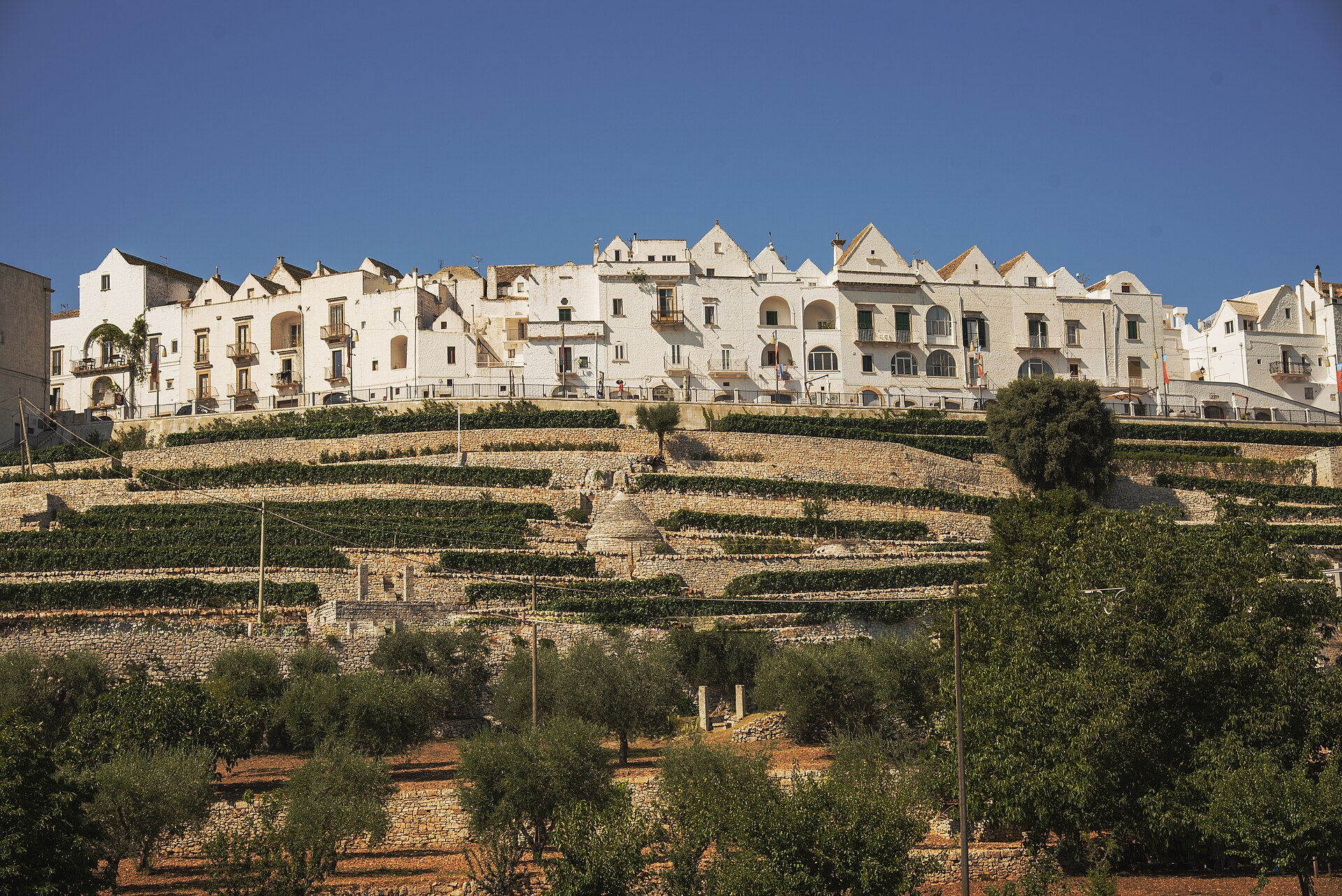
Locorotondo DOC gives the white town another layer beyond views and architecture, linking the surrounding vineyards to the pace of a meal.
Countryside meals · Do not rush the agricultural layer

Masserie, olive oil, local produce and long lunches make more sense when they are treated as part of the itinerary rather than fuel between towns.
The OREVYON food rule

Eat by place: grill in Cisternino, understand capocollo around Martina Franca, notice wine around Locorotondo and leave enough time for the countryside table to slow the day down.