
Late spring and early autumn shift Valle d’Itria toward walking, outdoor meals and countryside stays without making peak-summer heat the organising force of every day.
Late spring · Green, long and flexible
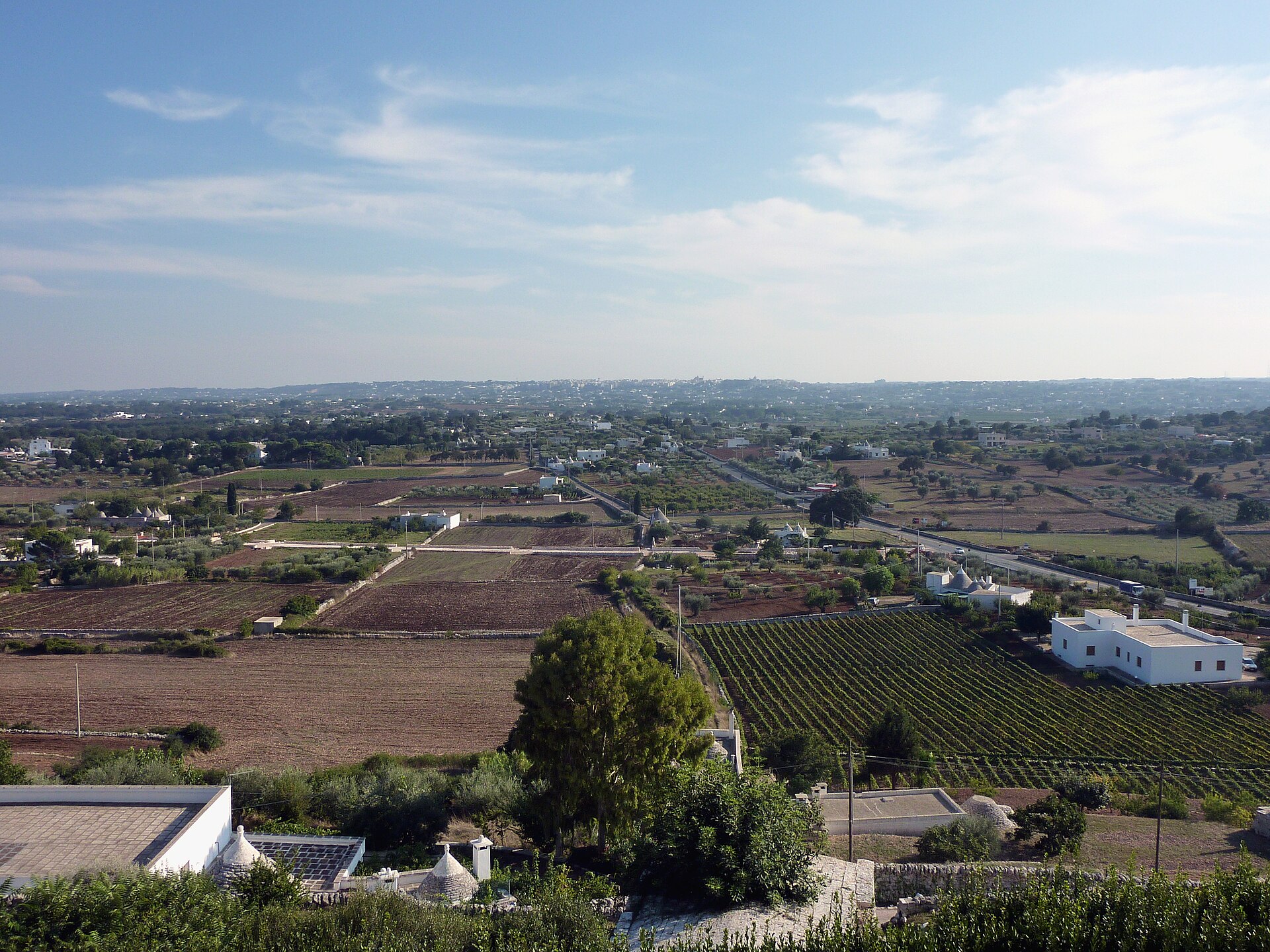
Late spring supports walking, town wandering and countryside lunches without making heat the dominant planning problem of the day.
Early autumn · Warmth with more breathing room
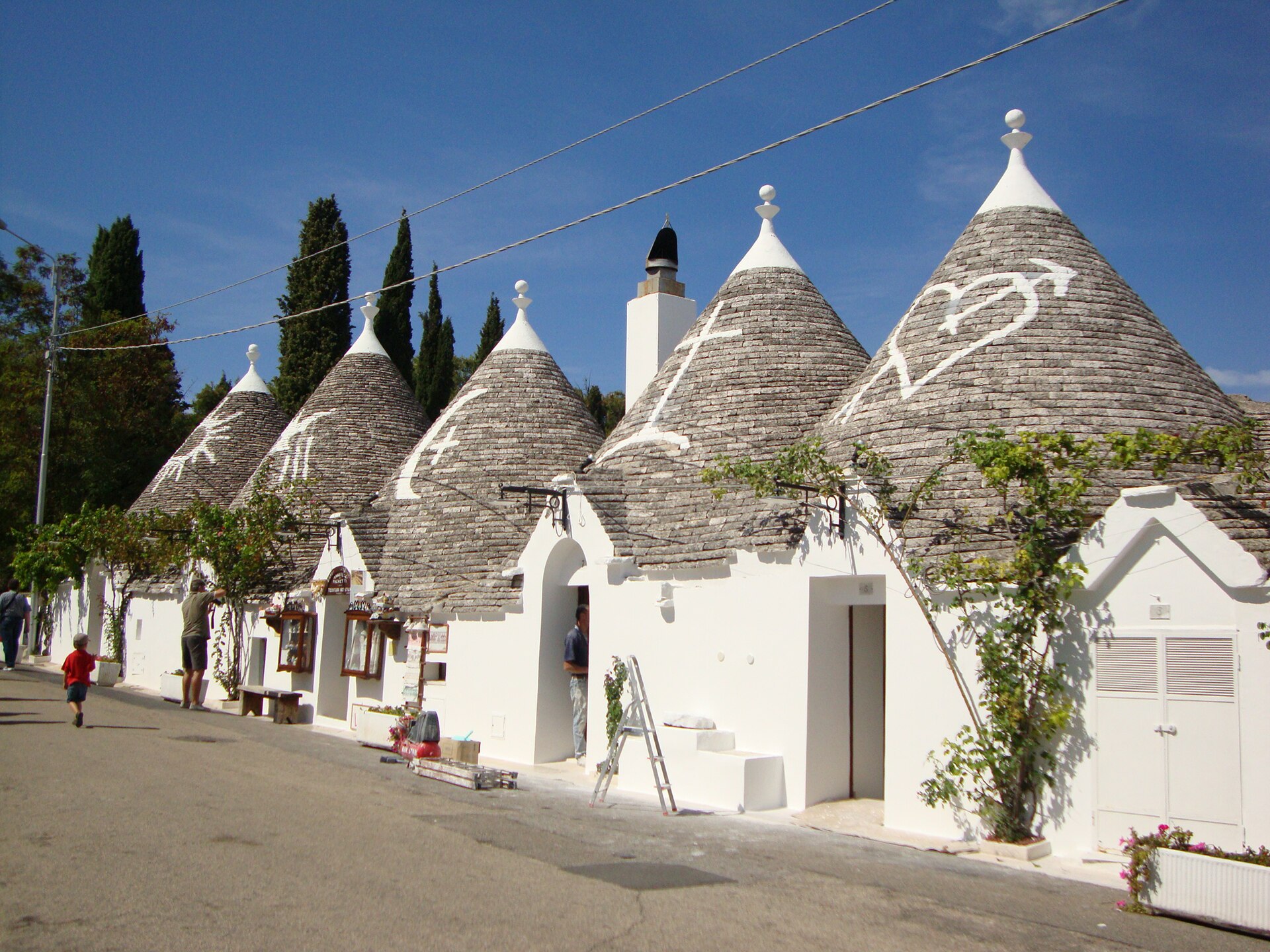
Early autumn keeps much of the outdoor rhythm while food, wine and evenings can take more weight as peak holiday intensity starts to ease.
Why the countryside matters more
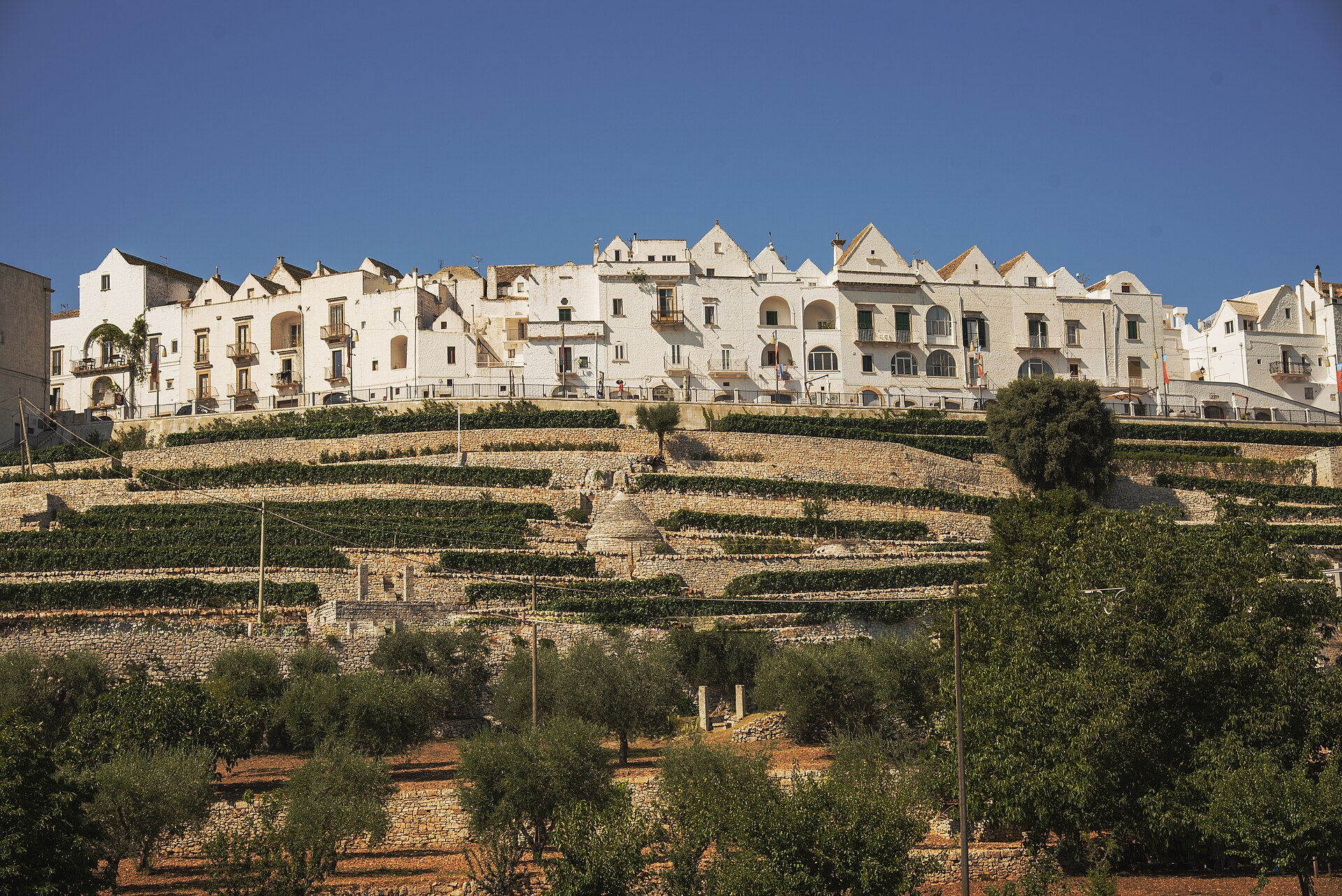
In shoulder season a masseria, trullo stay, cycle route or olive-grove drive feels less like empty time between attractions and more like the core of the trip.
Famous towns still need timing

Alberobello remains a major draw outside July and August. Early or later visits still create a different experience from arriving in the middle of the busiest flow.
The OREVYON choice

Use late spring when green landscape and long days matter most; use early autumn when you want warmth, food and a slightly more settled rhythm.