
A first Valle d’Itria trip works best when you choose one strong base, resist town collecting, and understand how trulli, masserie, food and countryside fit together.
Think region, not attraction list
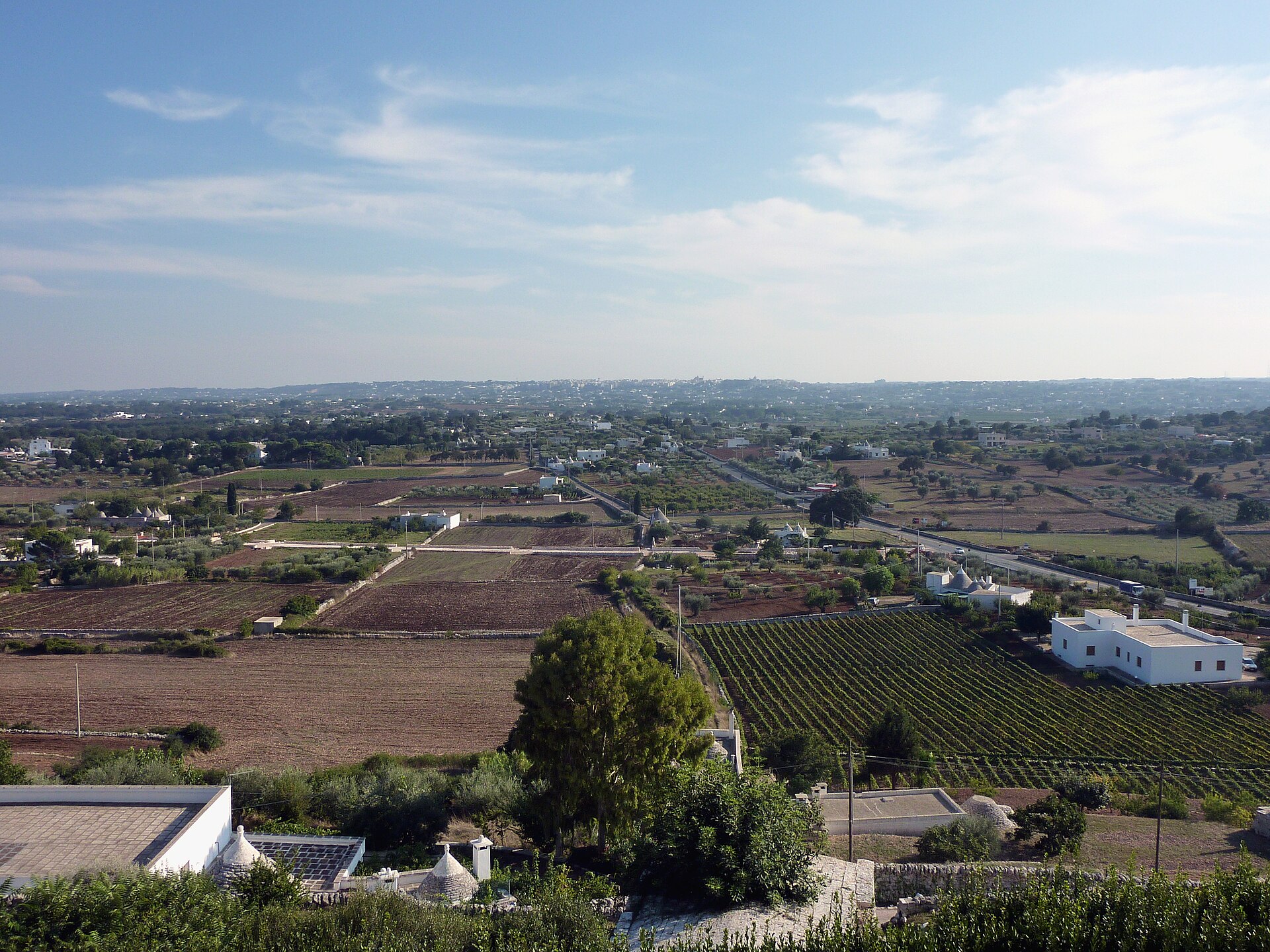
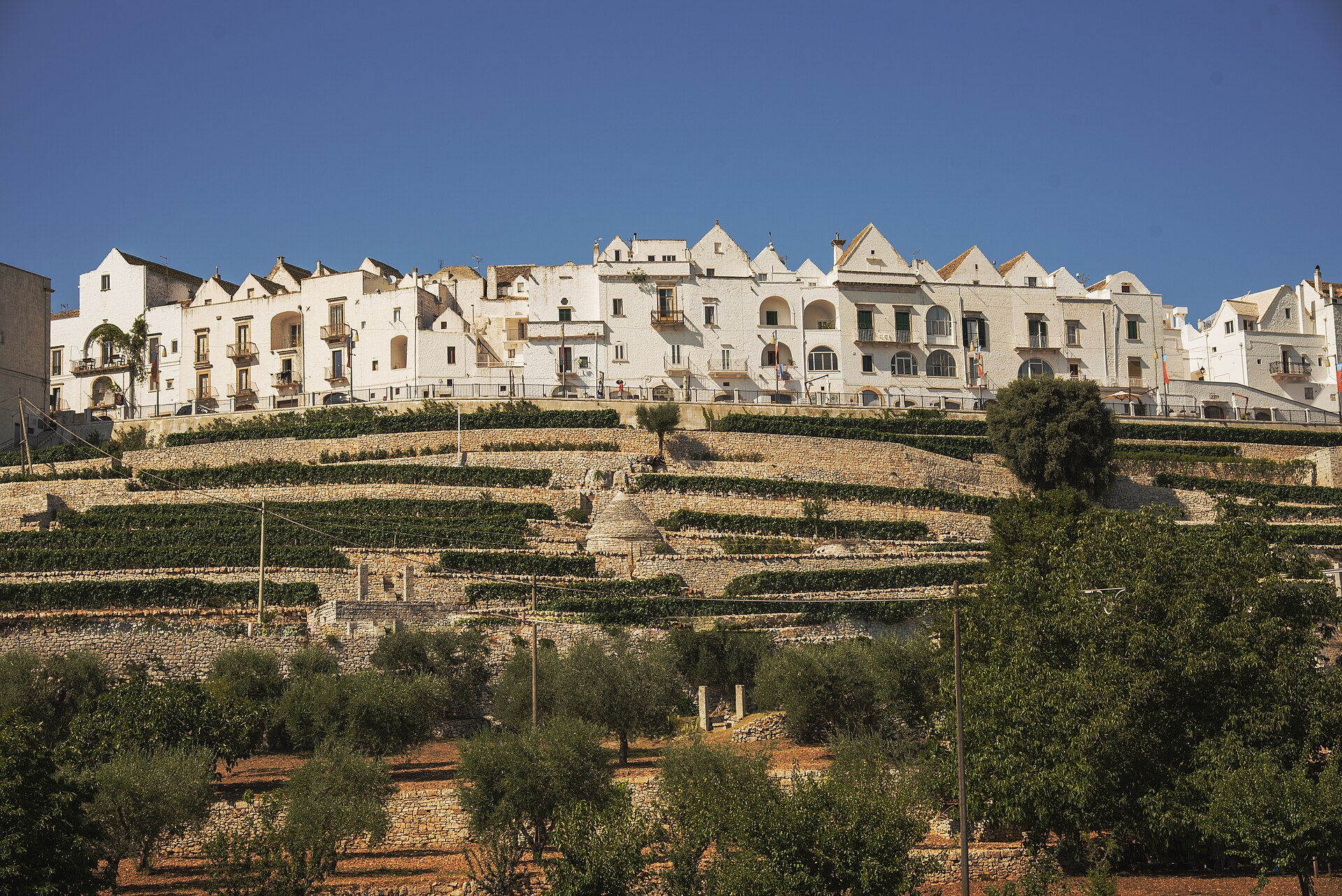
Valle d’Itria is a landscape rather than a single sight. Locorotondo, Cisternino, Martina Franca, Alberobello and the countryside work best as connected layers, not as a same-day checklist.
Choose the base before the route
A compact town base gives easy evenings; a masseria or trullo gives countryside immersion. The right base removes far more friction than adding another stop.
Alberobello is a chapter, not the whole story
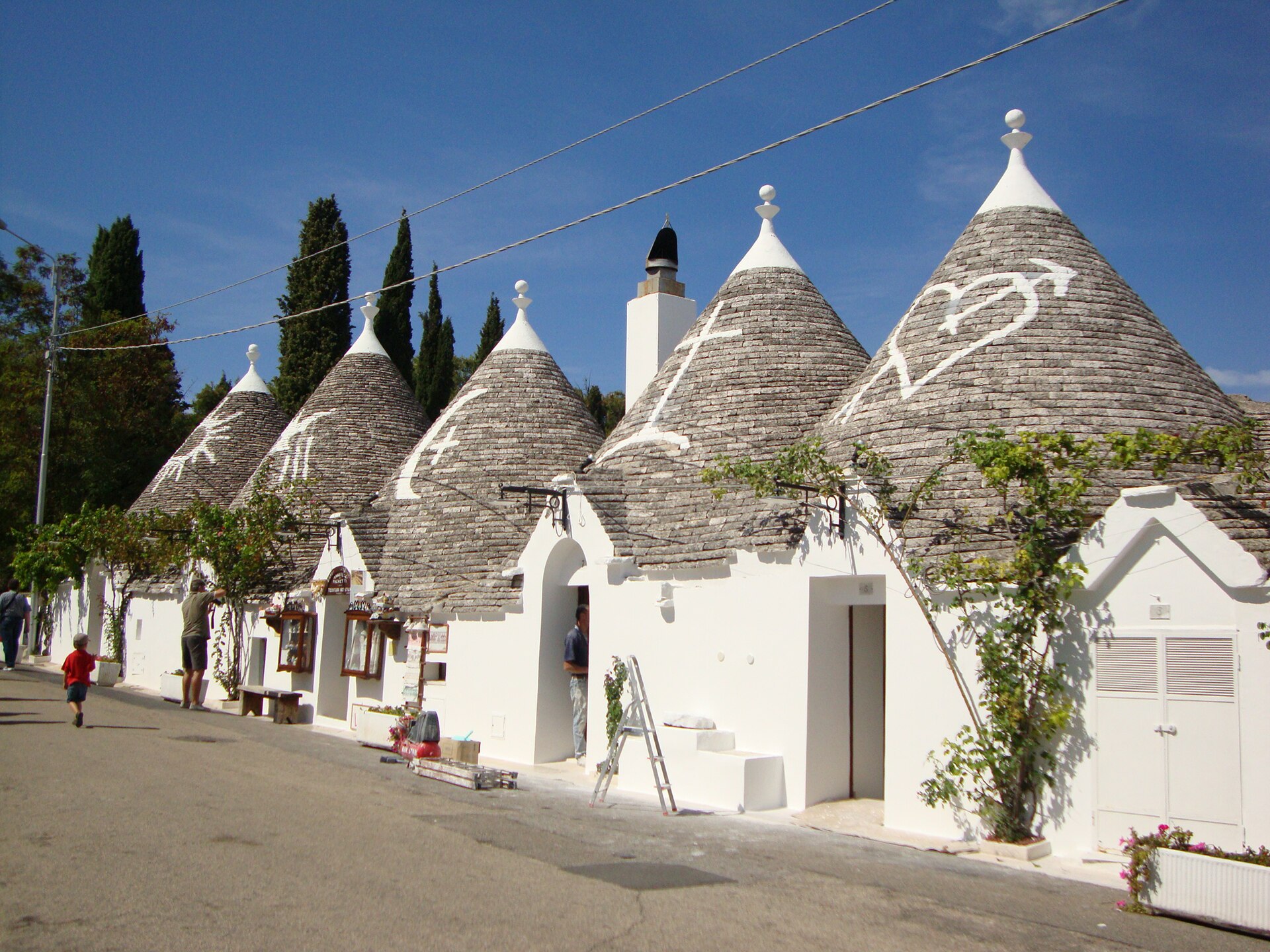
UNESCO-listed Alberobello is the valley’s clearest concentration of trulli, but the architecture and rural landscape extend far beyond its busiest streets.
A car changes the trip — but it is not mandatory

Self-drive gives the greatest freedom for rural stays and small roads. A narrower car-free version can still work around Martina Franca, Locorotondo and Alberobello using rail and bus links.
The OREVYON first-trip shape

Four to six nights with one strong base, three or four carefully chosen towns, one countryside layer and long food stops usually creates more depth than trying to cover all of central Puglia.