
Valle d’Itria can be travelled without a car if you narrow the radius around connected towns such as Alberobello, Locorotondo and Martina Franca. Rural freedom is the main trade-off.
What works without a car
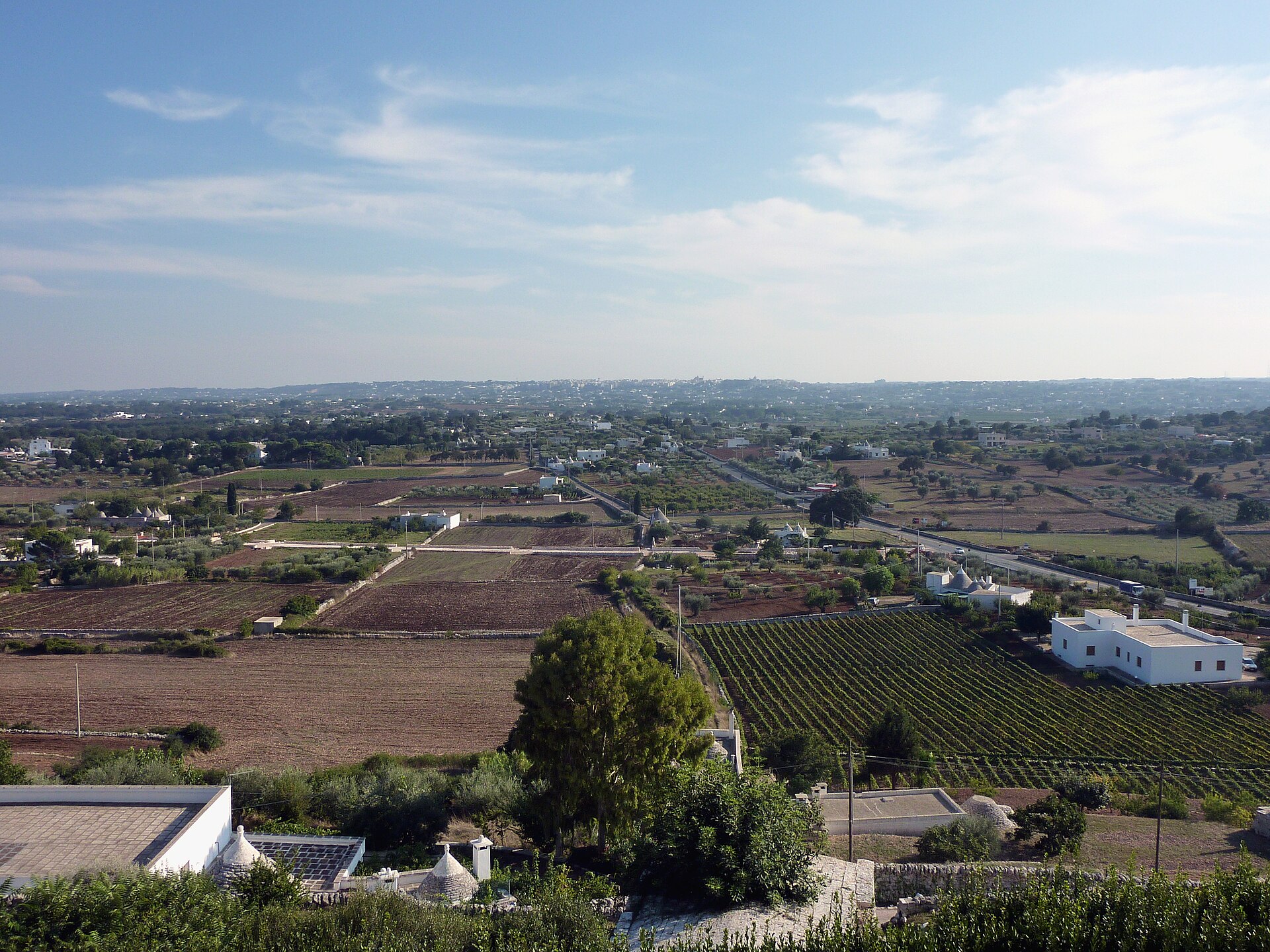
The core towns are not isolated islands. Public transport can support a focused trip when you accept that timetables shape the day and rural addresses may remain awkward.
Use Bari and the Trulli corridor deliberately
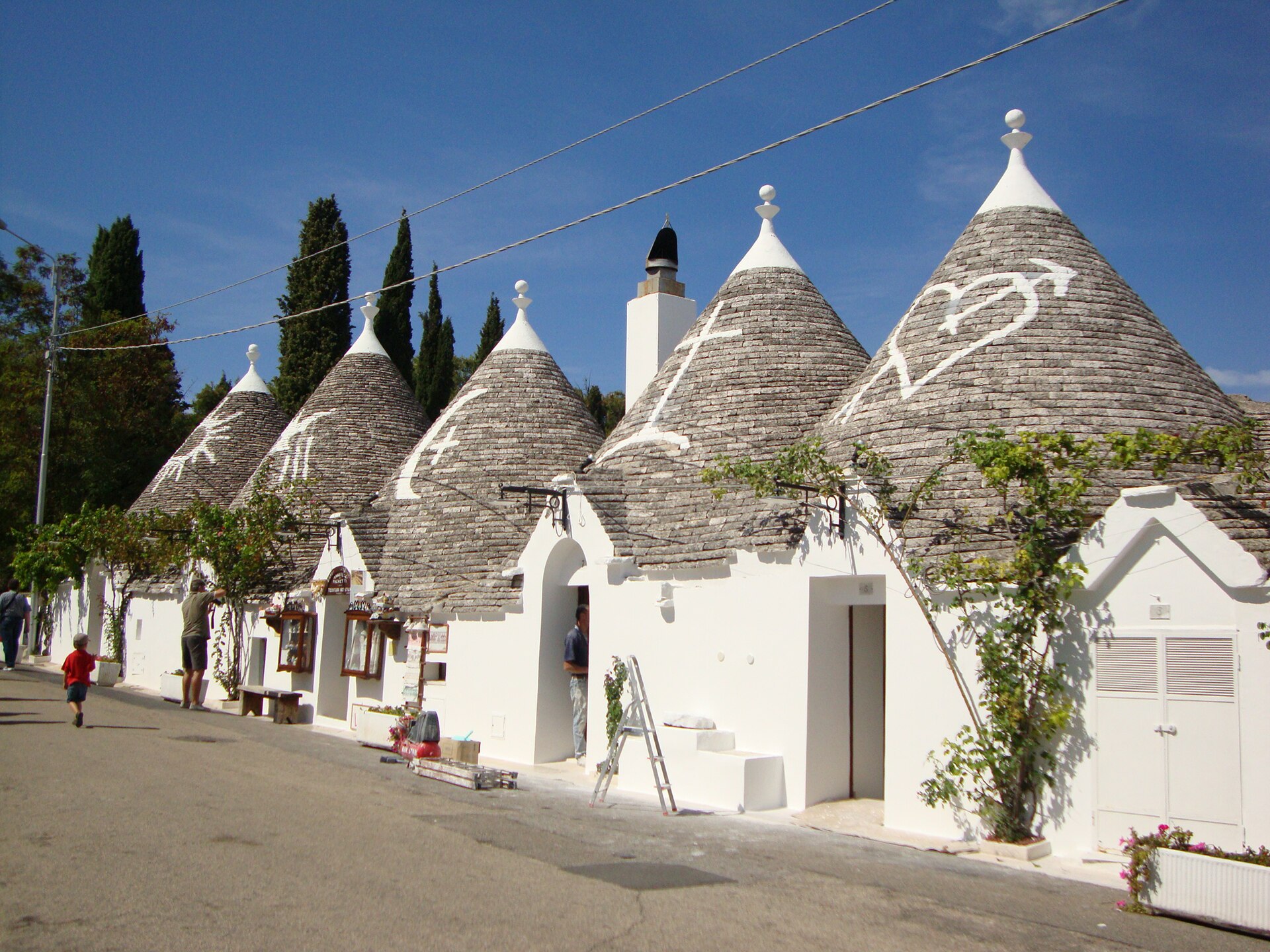
Trenitalia’s Trulli Link connects Bari with Alberobello, Locorotondo and Martina Franca through integrated regional train and bus travel, giving a practical car-free entry into the valley.
Build around walkable town centres
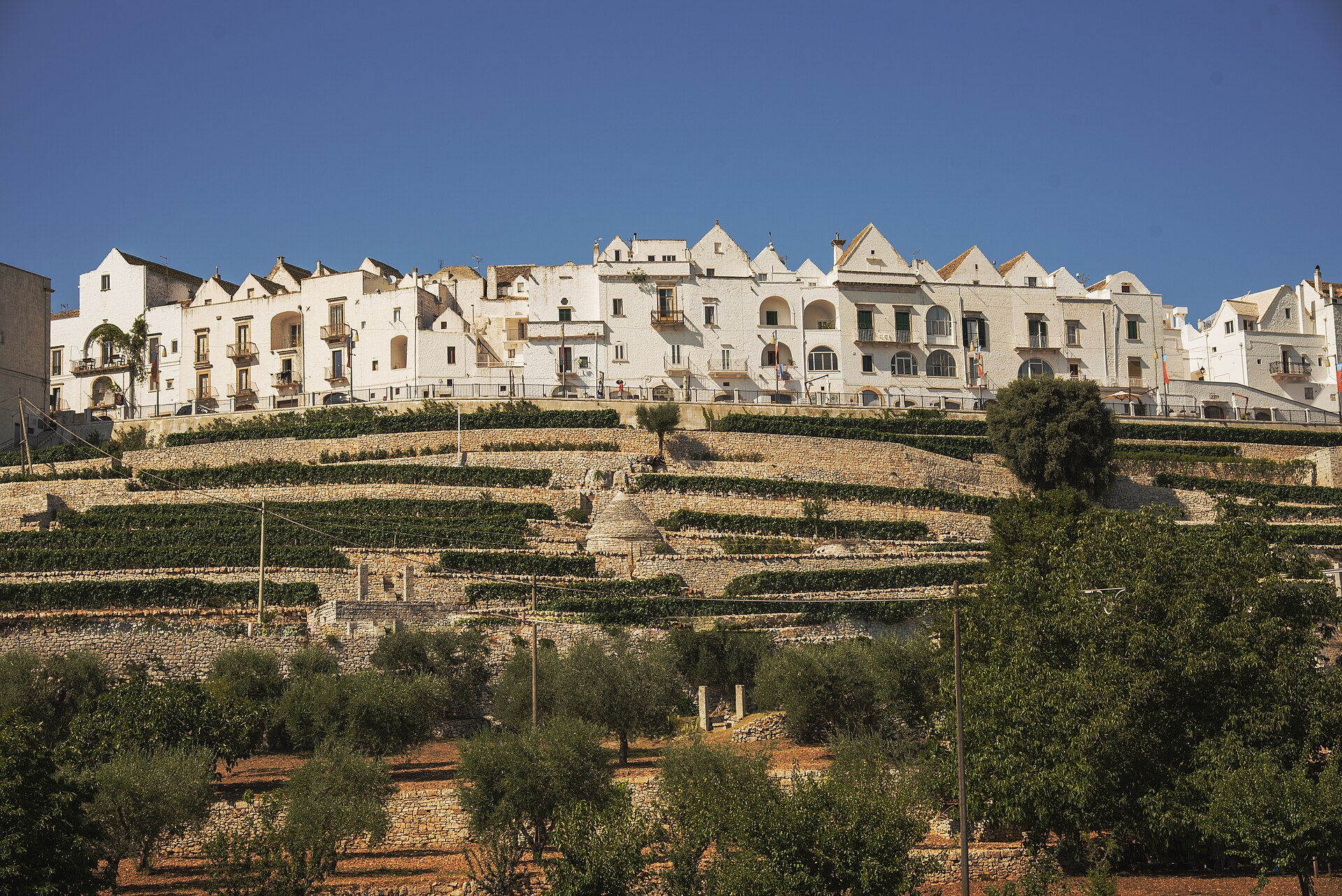
Once in Locorotondo, Alberobello or Martina Franca, the historic cores reward walking. The challenge is not the centre itself but moving between rural stays, farms and scattered countryside stops.
What you lose without a car

A car gives easier access to masserie, olive-grove roads, spontaneous lunch stops and combinations that do not line up neatly with public transport.
The OREVYON car-free version

Base in a connected town, keep daily plans narrow, use public transport for the main town-to-town spine and treat the missing rural freedom as a conscious trade rather than a planning failure.