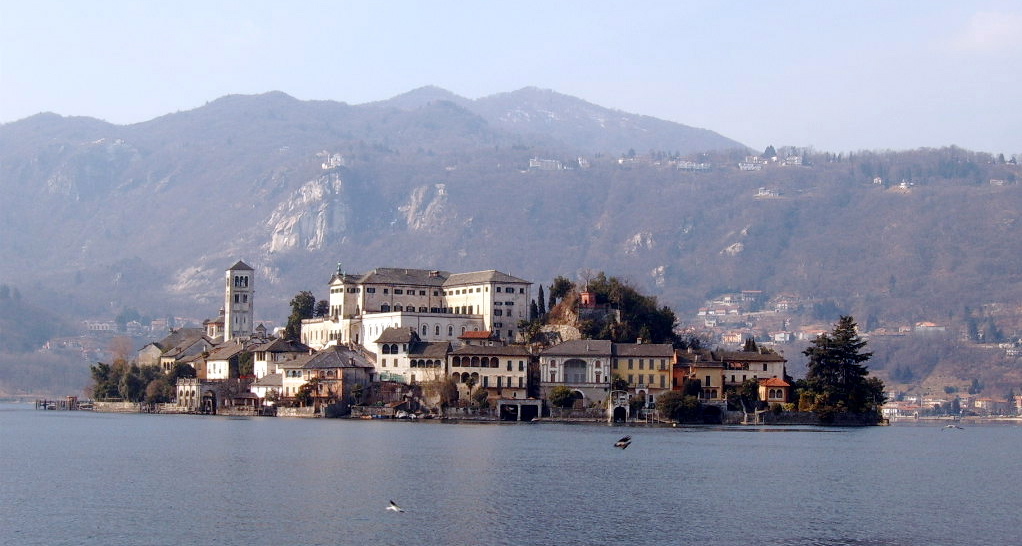
Lake Orta Without a Car — Train, Boat & Walking
Lake Orta can work without a car when you base carefully around Orta, Pettenasco or Omegna and use trains, boats and walking. Wider shore flexibility remains more seasonal.
Read / explore → OREVYONAI DISCOVERY HOUSE
Browse our complete collection of stories, guides, collections and destinations — a growing world of insight, inspiration and intelligent discovery.
CURIOSITY
TAKES YOU
FURTHER
No search required: every published story is here to browse.
Lake Orta can work without a car when you base carefully around Orta, Pettenasco or Omegna and use trains, boats and walking. Wider shore flexibility remains more seasonal.
Read / explore →
Your Lake Orta base changes the trip more than the lake’s size suggests: Orta San Giulio gives atmosphere, Pettenasco gives lakeside calm and Omegna adds practical town depth.
Read / explore →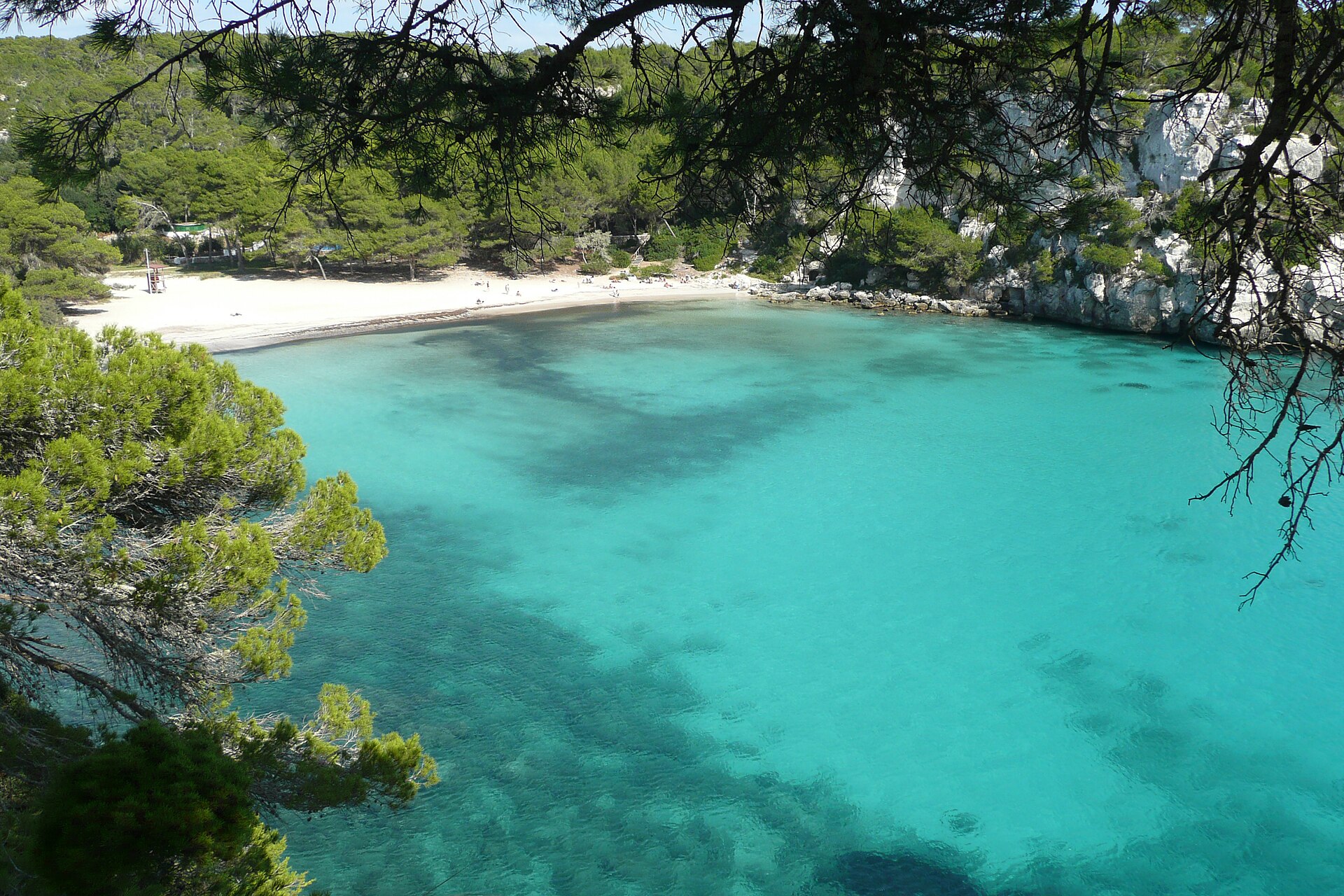
The best time for Menorca depends on whether you want warm-water beach days, quieter coves, Camí de Cavalls walking or an island that has returned to its normal rhythm.
Read / explore →
Menorca’s food identity goes well beyond one lobster dish. Mahón-Menorca cheese, local farms, markets, seafood and simple island cooking can structure the trip.
Read / explore →
A first Menorca trip gets better when you understand its north-south coast contrast, base choice, cove access, slower rhythm and why trying to see every beach usually works against the…
Read / explore →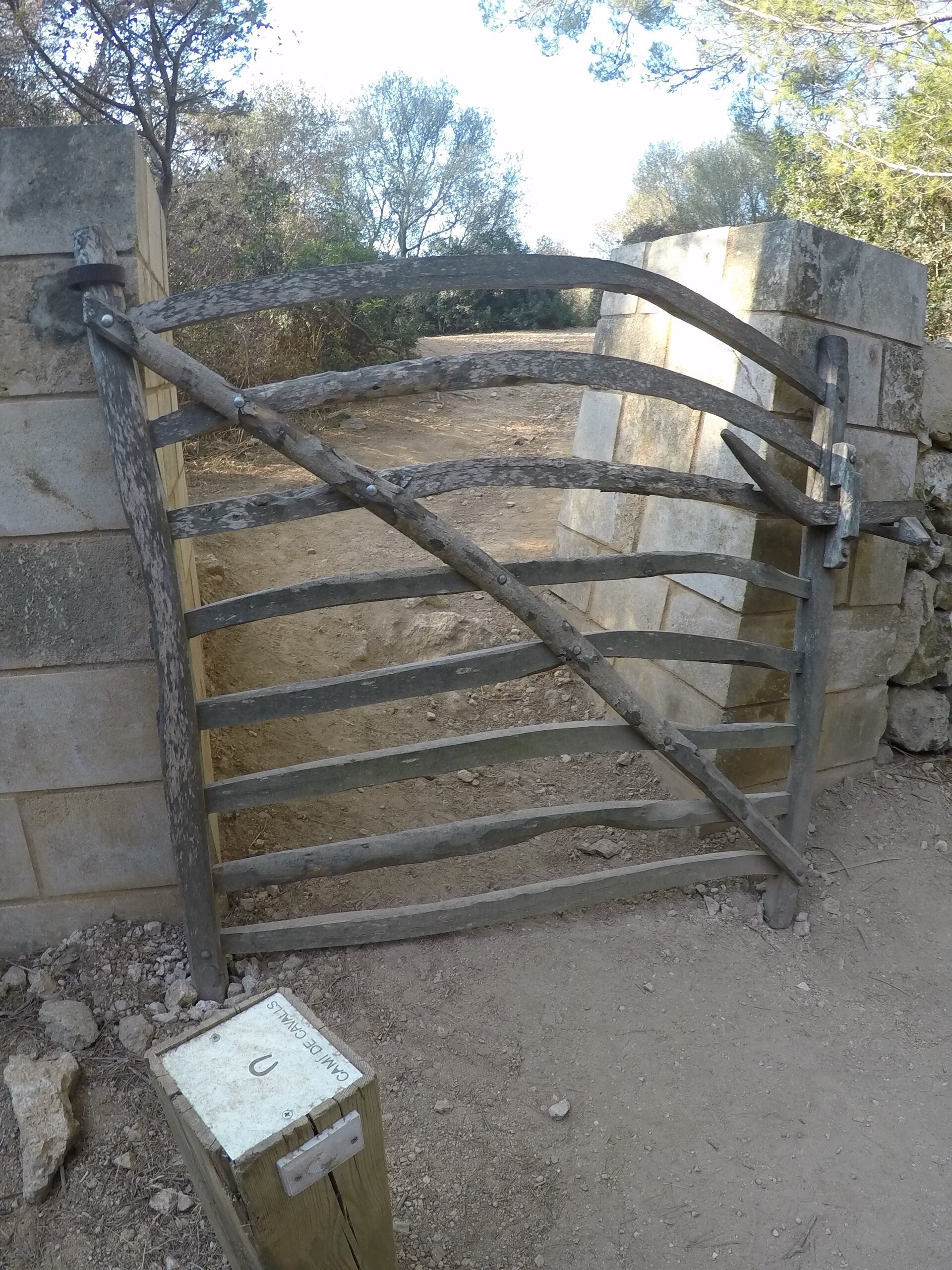
Five days is enough for a strong Menorca trip when you divide the island by coast, base and travel rhythm rather than trying to collect every famous beach.
Read / explore →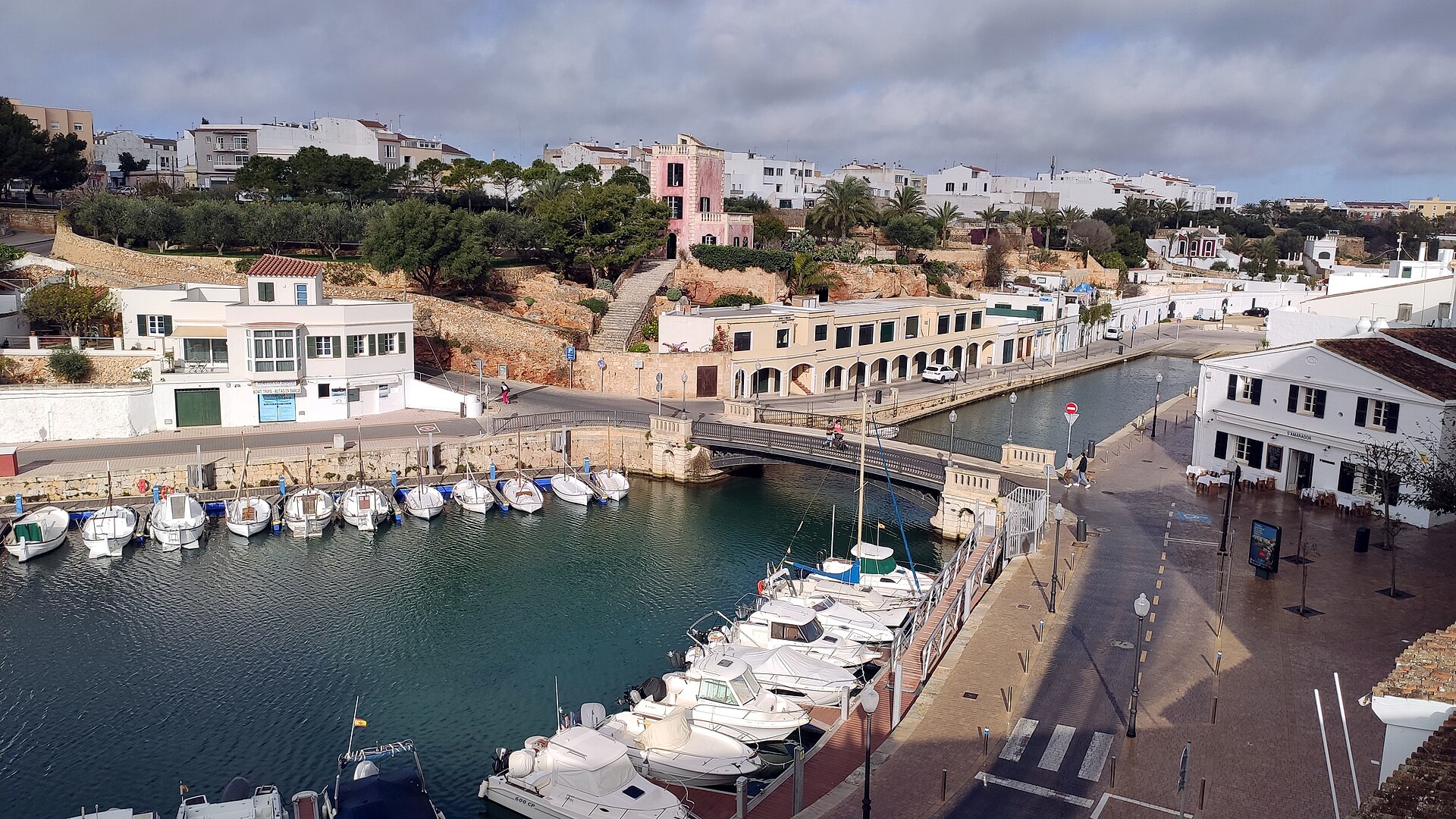
Late spring and early autumn reveal a different Menorca: better walking, softer roads, more space at the coast and more reason to notice food, towns and landscape beyond the beach.
Read / explore →
The best Menorca cove is not automatically the most famous. South versus north, walking access, exposure and crowd pressure should decide where your beach day goes.
Read / explore →Menorca and Mallorca share a Mediterranean setting but offer very different scale and depth: Menorca is smaller and quieter; Mallorca adds Palma, mountains and far more geographic variety.
Read / explore →Menorca can work without a car if your trip is built around towns, selected bus-linked areas, walking and cycling.
Read / explore →Where you stay in Menorca determines evenings, driving time and how often the coast becomes a transfer. Ciutadella, Maó and coastal bases create very different trips.
Read / explore →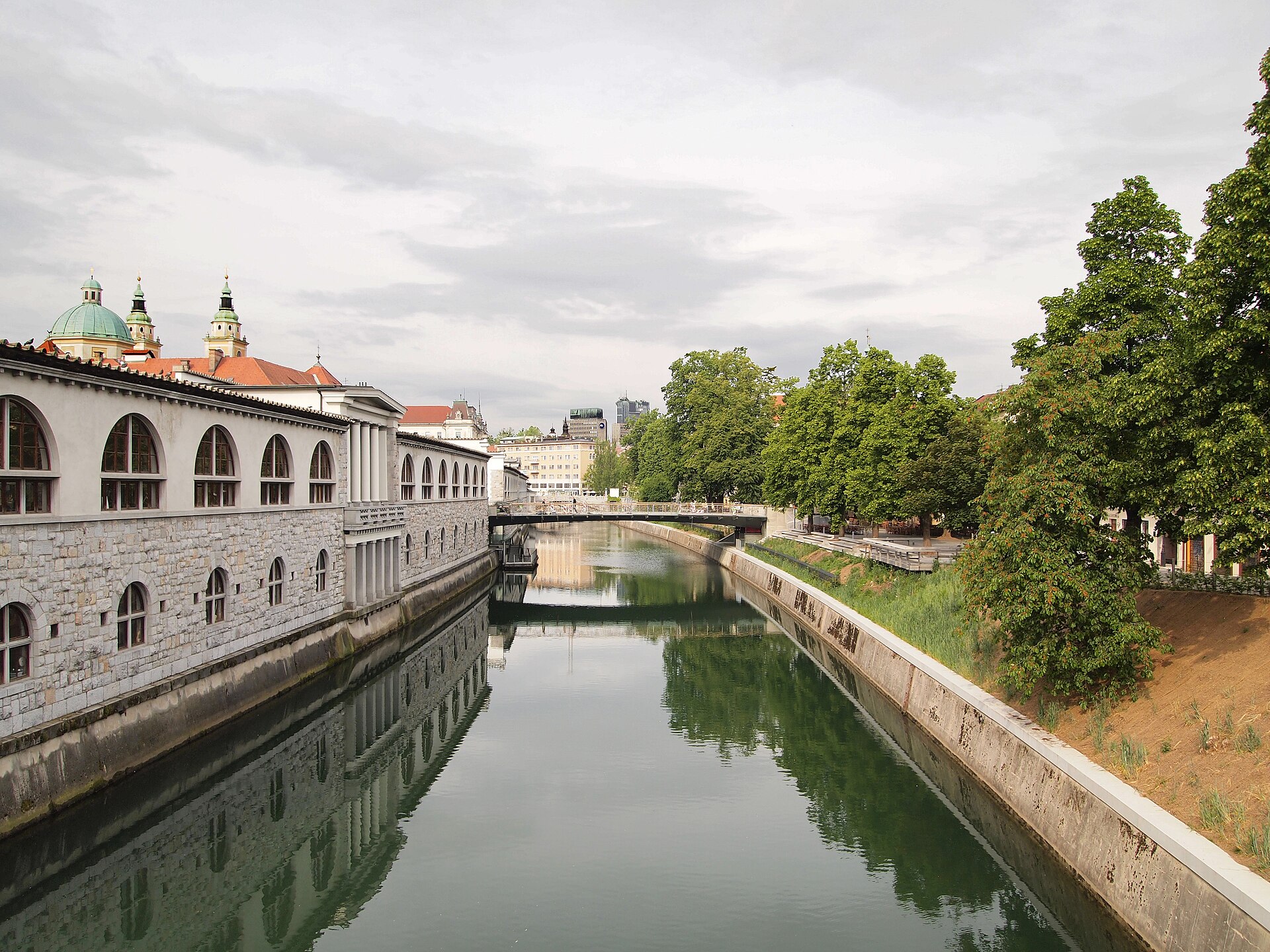
The best time for Ljubljana depends less on attraction access than on terrace weather, green space, river life and whether you want a lively or intimate version of the city.
Read / explore →
Ljubljana's food identity works best when Central Market, Slovenian regional traditions, casual city stops and one deliberate dinner share the trip instead of competing for it.
Read / explore →
A first Ljubljana trip becomes easier once you understand that its strength is proportion: compact scale, pedestrian streets, river life, Plečnik architecture, food and green space fit…
Read / explore →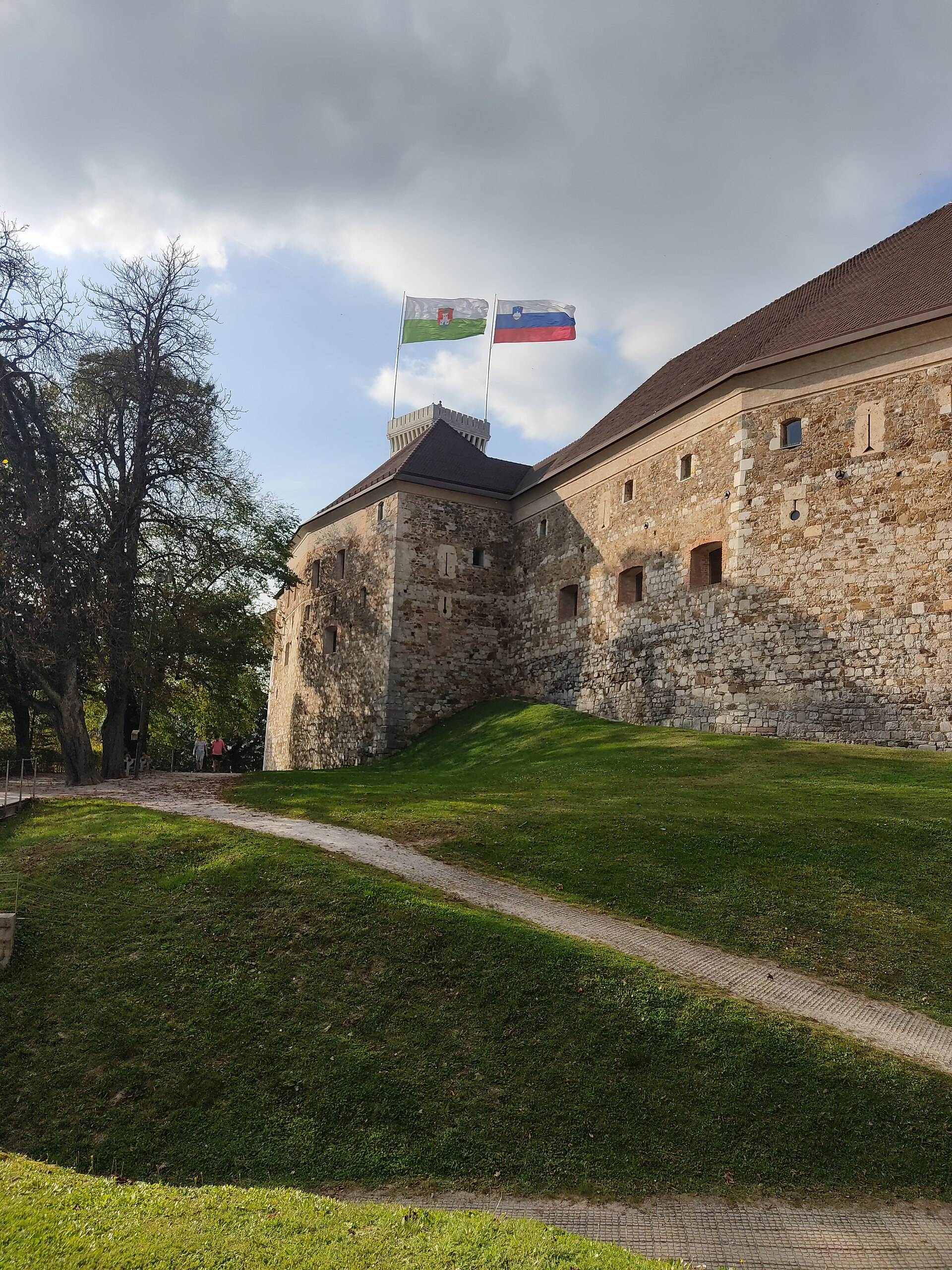
Three days lets Ljubljana breathe: one day for river and old town, one for Plečnik, market and neighbourhood life, and one for Tivoli, culture and a slower edge beyond the postcard centre.
Read / explore →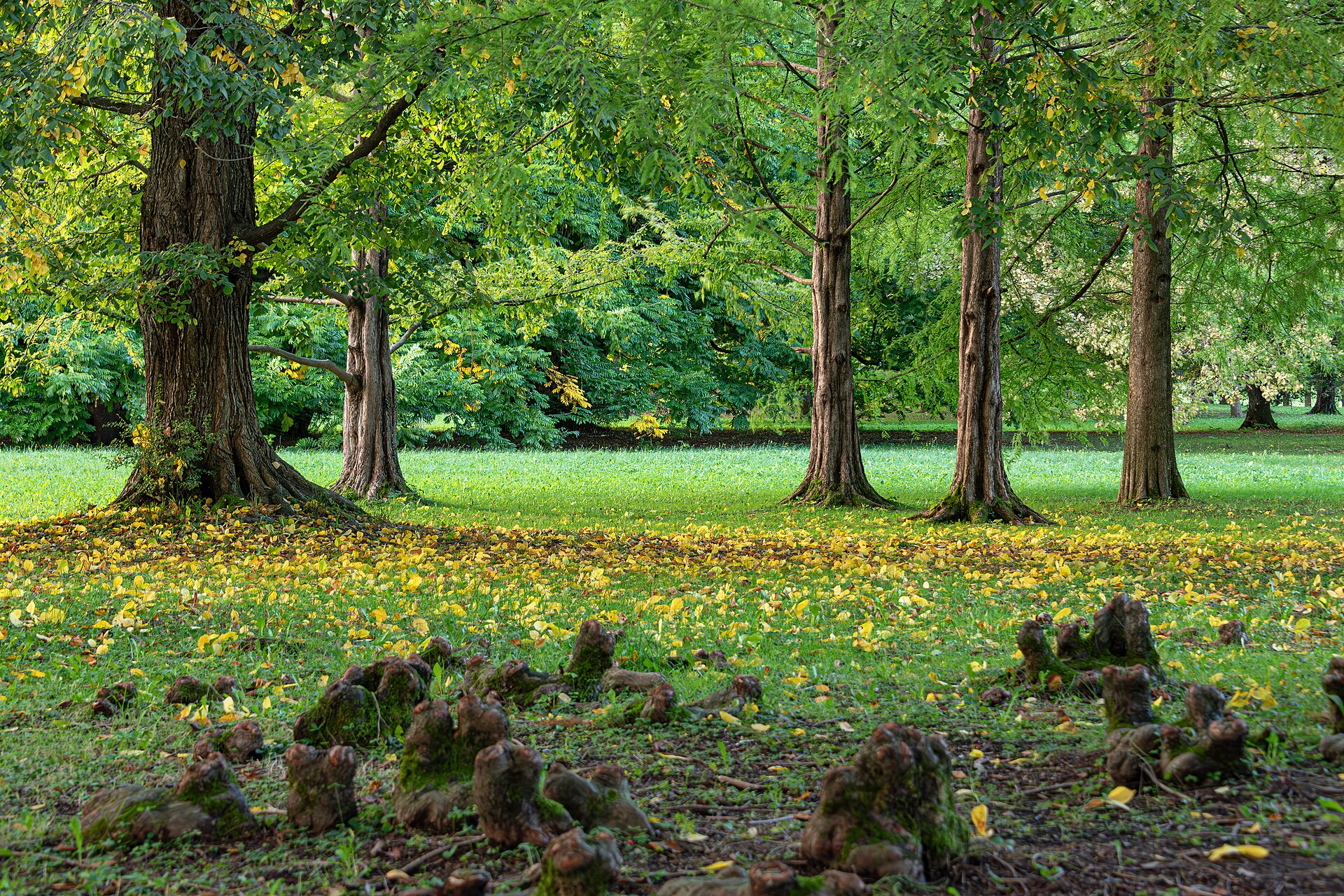
Winter compresses Ljubljana around river lights, cafés, food, culture and festive public space. Its small scale becomes an advantage when daylight is short.
Read / explore →
Ljubljana and Zagreb are close regional capitals with very different scales: Ljubljana is compact, river-led and easy to inhabit; Zagreb offers a larger urban canvas, broader cultural depth…
Read / explore →Ljubljana is one of Europe's easiest capitals without a car. A pedestrian-friendly centre, short distances, cycling and light public transport make private driving unnecessary for the city…
Read / explore →The best way to understand Plečnik's Ljubljana is not building by building. Bridges, market structures, river edges and public space form one connected urban idea.
Read / explore →Where you stay in Ljubljana changes atmosphere more than access. Old Town and the river maximise immediacy; the centre is practical; Trnovo/Krakovo and Tivoli create quieter versions of the…
Read / explore →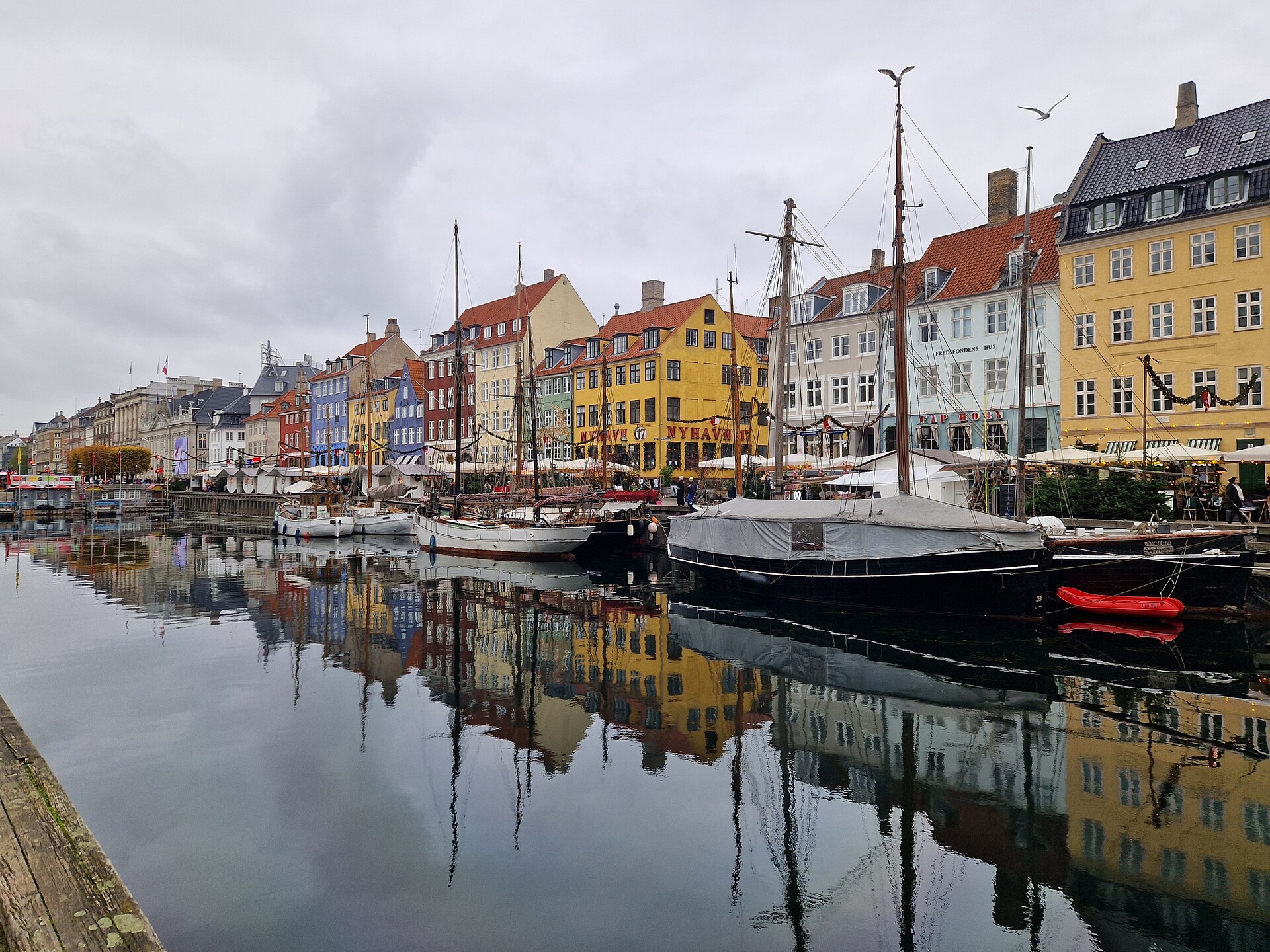
The best time for Copenhagen depends on whether you want long outdoor evenings, easy cycling, winter atmosphere or quieter shoulder-season neighbourhood life.
Read / explore →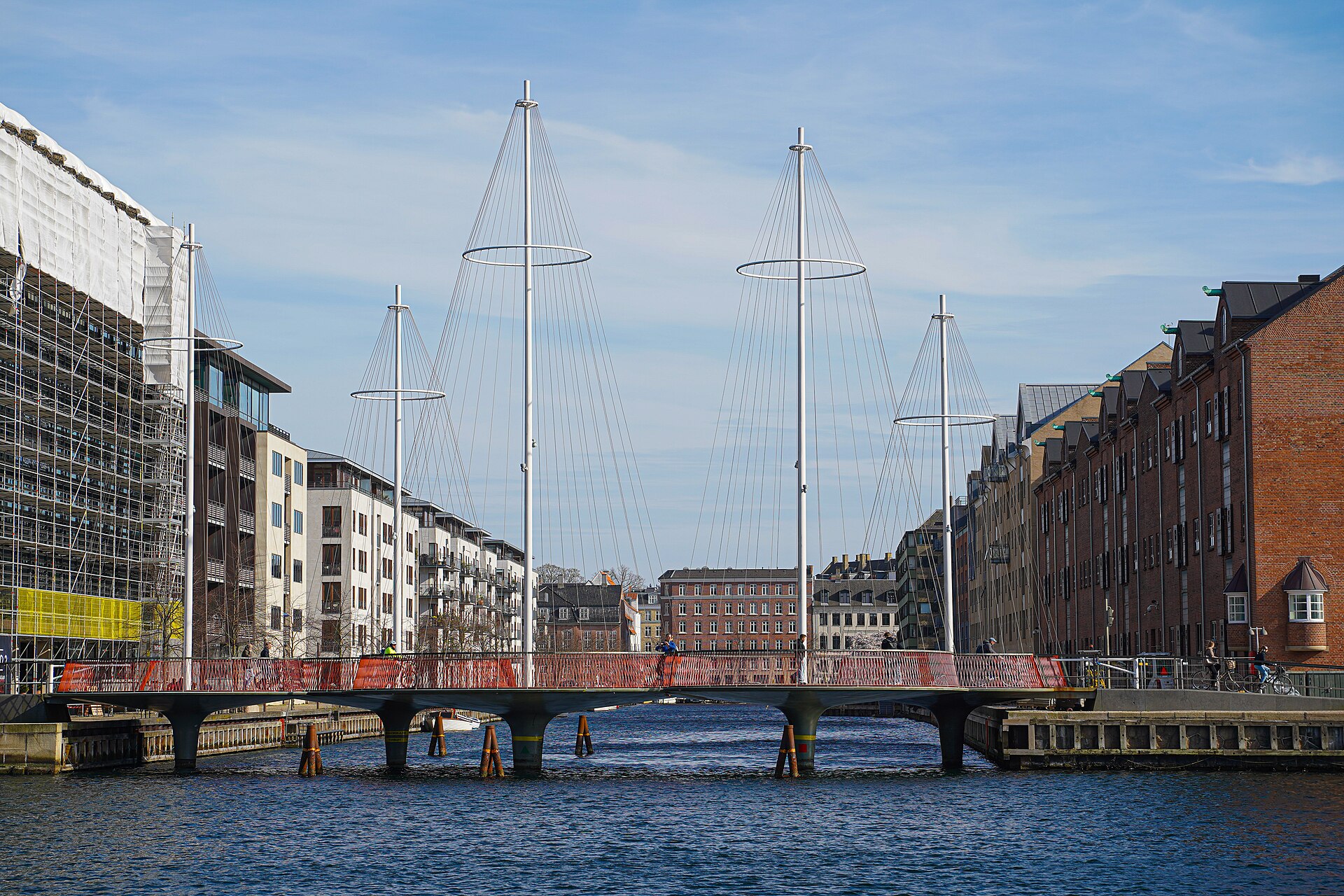
Copenhagen's design identity is easiest to understand outside a showroom. Bridges, harbour edges, cycling routes, parks and public space show how the city is built to be used.
Read / explore →
A first Copenhagen trip becomes easier once you understand that the city's main strength is not a list of sights but how compact neighbourhoods, cycling, metro, harbour and food fit…
Read / explore →
Three days is enough for a strong first Copenhagen trip when harbour, historic centre, food, design and neighbourhoods are grouped instead of chased as separate sights.
Read / explore →