
Copenhagen changes less by attraction availability than by light, temperature and how much of the day you want to spend outside. OREVYON reads the seasons through movement: late spring and early autumn support walking and cycling best, summer gives the longest evenings, and winter moves more of the trip indoors toward food, design, museums and neighbourhood atmosphere.
Late spring is the cleanest all-round fit

Longer days, milder conditions and strong outdoor mobility make late spring particularly easy for a first visit. The harbour, cycling, parks and neighbourhood walking all become natural parts of the day without requiring peak-summer intensity.
Summer is strongest when the evening matters

Summer extends the city into the evening. Waterfront time, outdoor dining and neighbourhood movement become more valuable simply because daylight lasts longer. The trade-off is higher visitor pressure around central sights such as Nyhavn and seasonal attractions.
Early autumn keeps the city highly usable
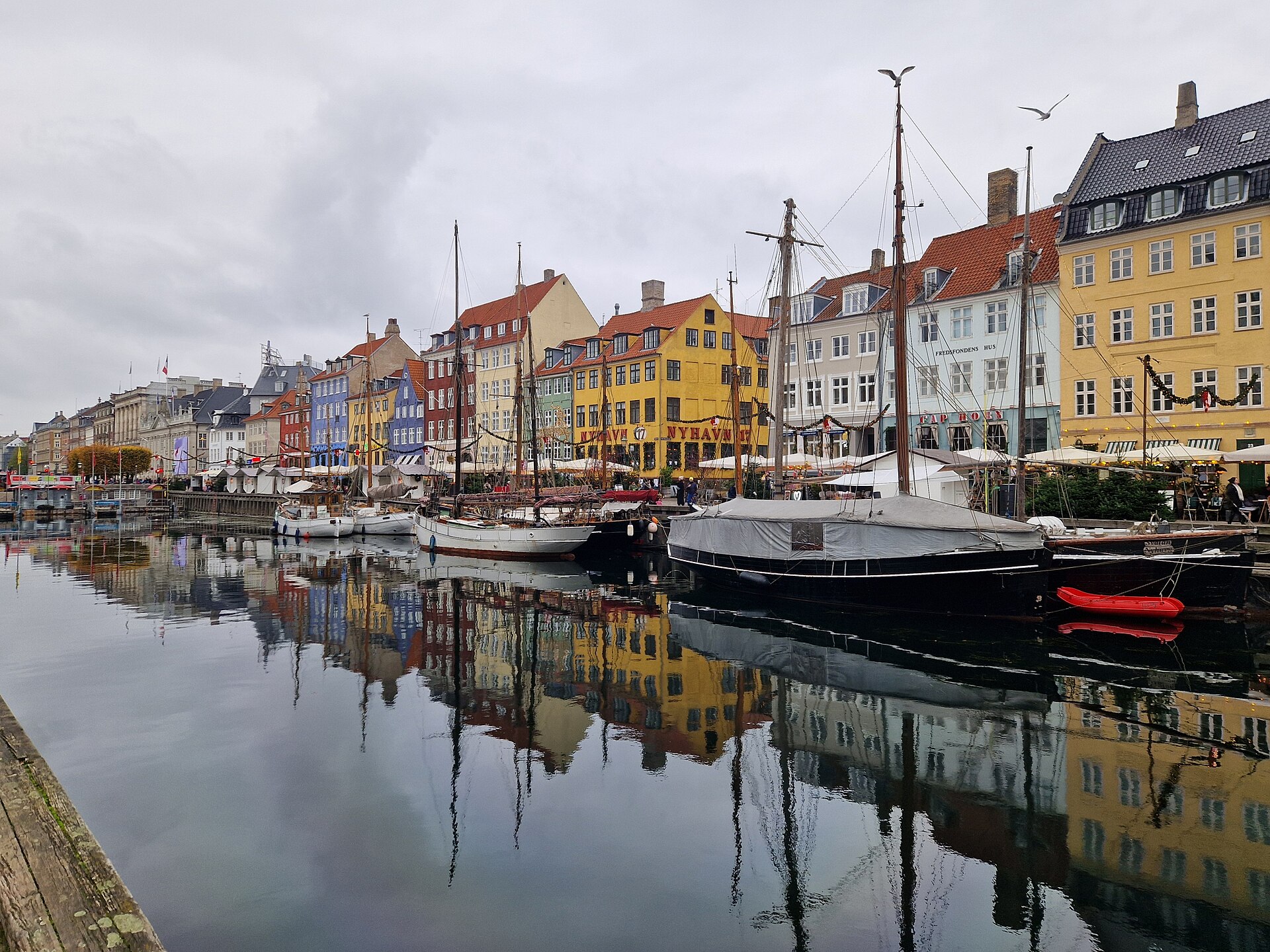
Early autumn preserves much of Copenhagen's walkability and cycling value while reducing some peak pressure. It is an especially good fit for food-led and design-led trips where being outside still matters, but the itinerary does not depend on long summer nights.
Winter is not a weaker Copenhagen — it is a different one
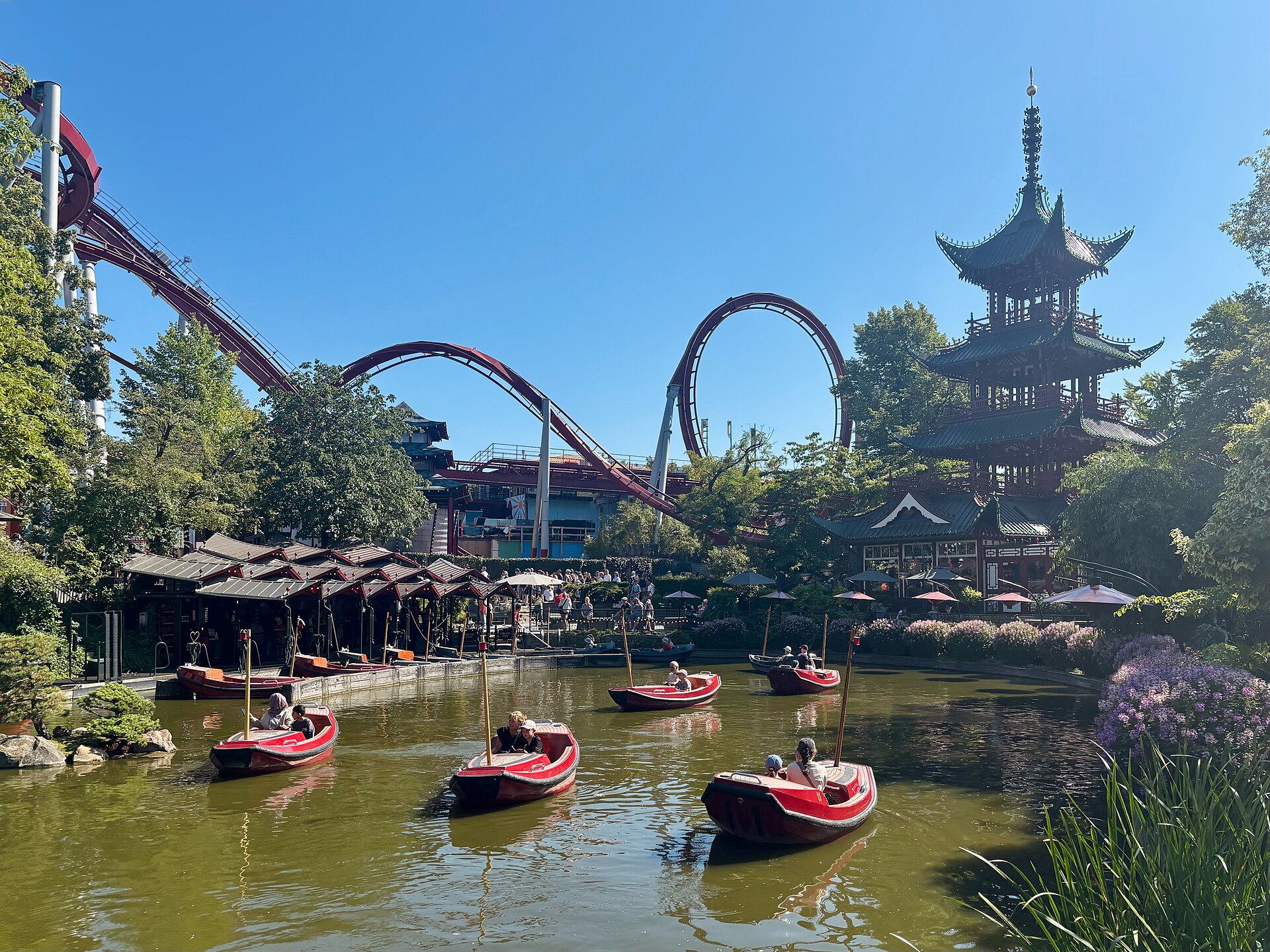
Shorter days make the trip more interior-led. Museums, bakeries, markets, design, restaurants and neighbourhood bars take more space, while outdoor movement becomes more deliberate. Travellers who enjoy atmosphere and urban interiors can find this version of the city particularly coherent.
Choose the season by how you want to move
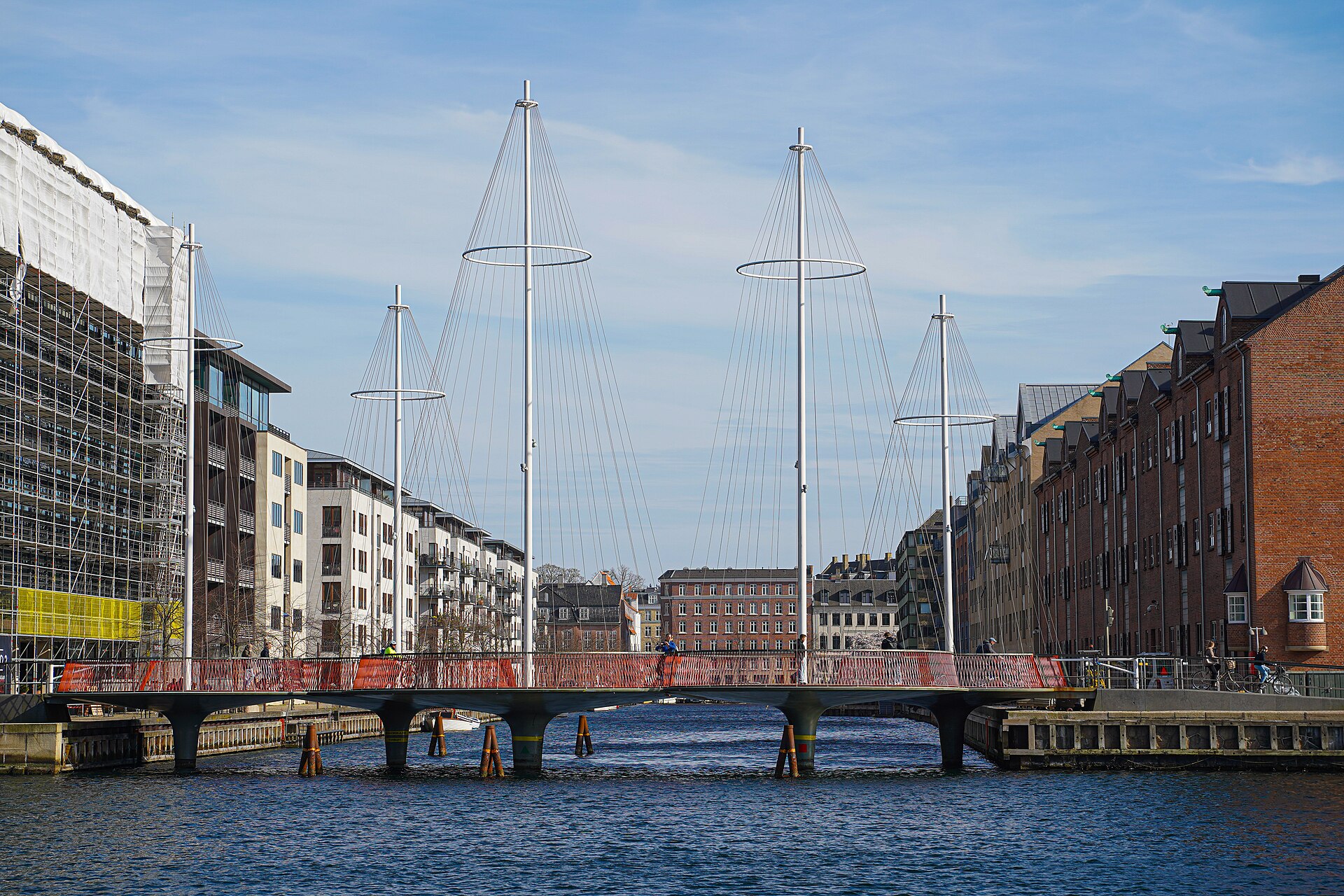
Pick late spring or early autumn for the broadest walking-and-cycling fit, summer for long evenings, and winter when food, design and indoor culture can carry more of the trip. Copenhagen remains highly usable year-round; the rhythm changes more than the destination itself.