
Ljubljana changes gently rather than dramatically with the seasons. The historic centre remains compact and usable, but light, terraces, parks and river life shift the city's rhythm. OREVYON sees spring and early autumn as the easiest all-round periods, summer as the most outdoor-led, and winter as a more intimate café-and-culture version of the same human-scale capital.
Spring is the cleanest all-round fit

Milder days make walking, cycling, Tivoli and riverside time easy without needing summer energy. The city feels green and open, and the compact centre means even mixed weather rarely breaks the trip. For a first visit, this balance is hard to beat.
Summer moves more of Ljubljana outdoors
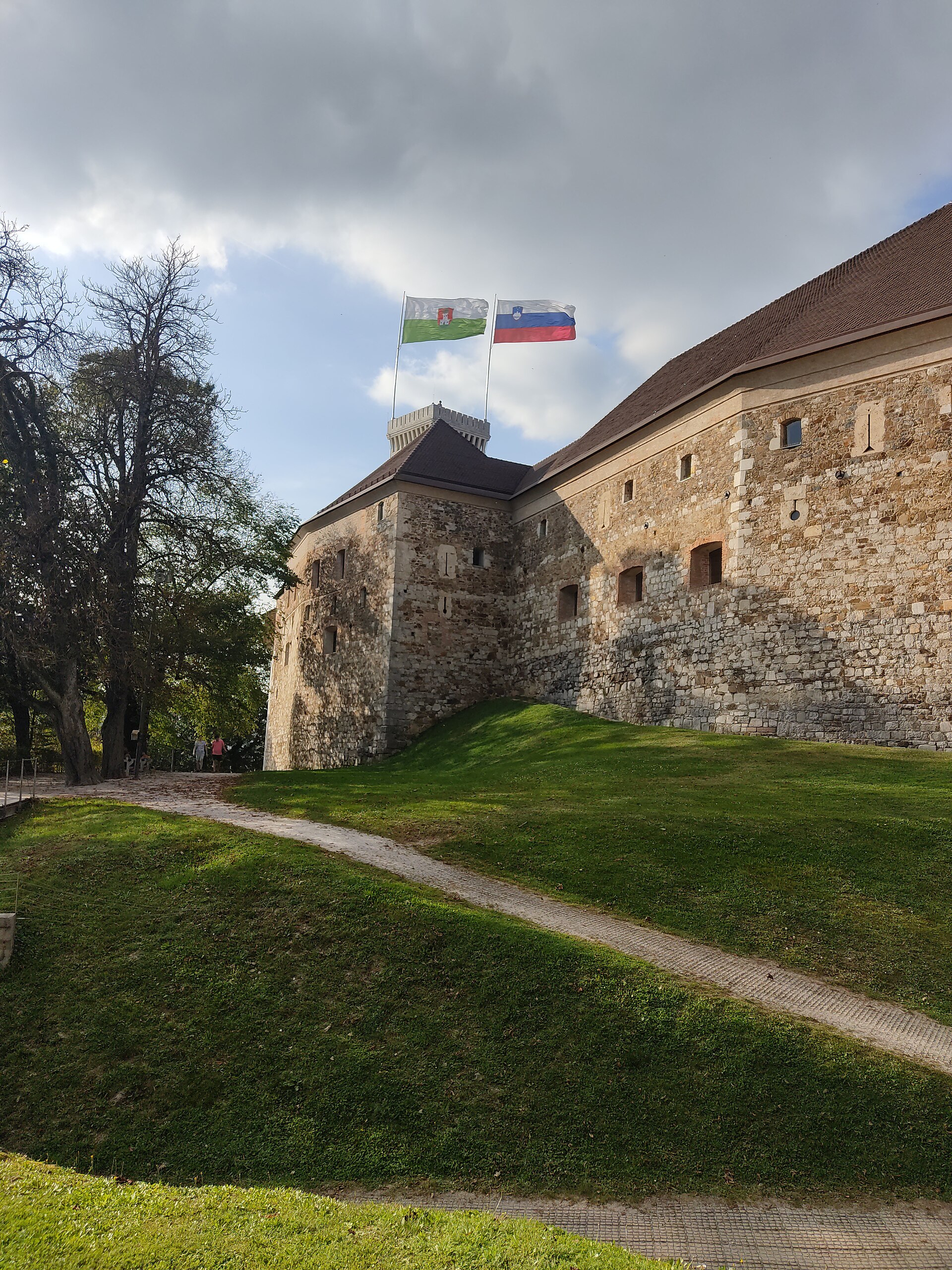
Longer evenings pull cafés, terraces and river life into the foreground. That can make the city feel more animated than its size suggests. The trade-off is livelier visitor pressure and a less quiet version of the centre, especially on busy weekends.
Early autumn keeps the city calm and highly walkable
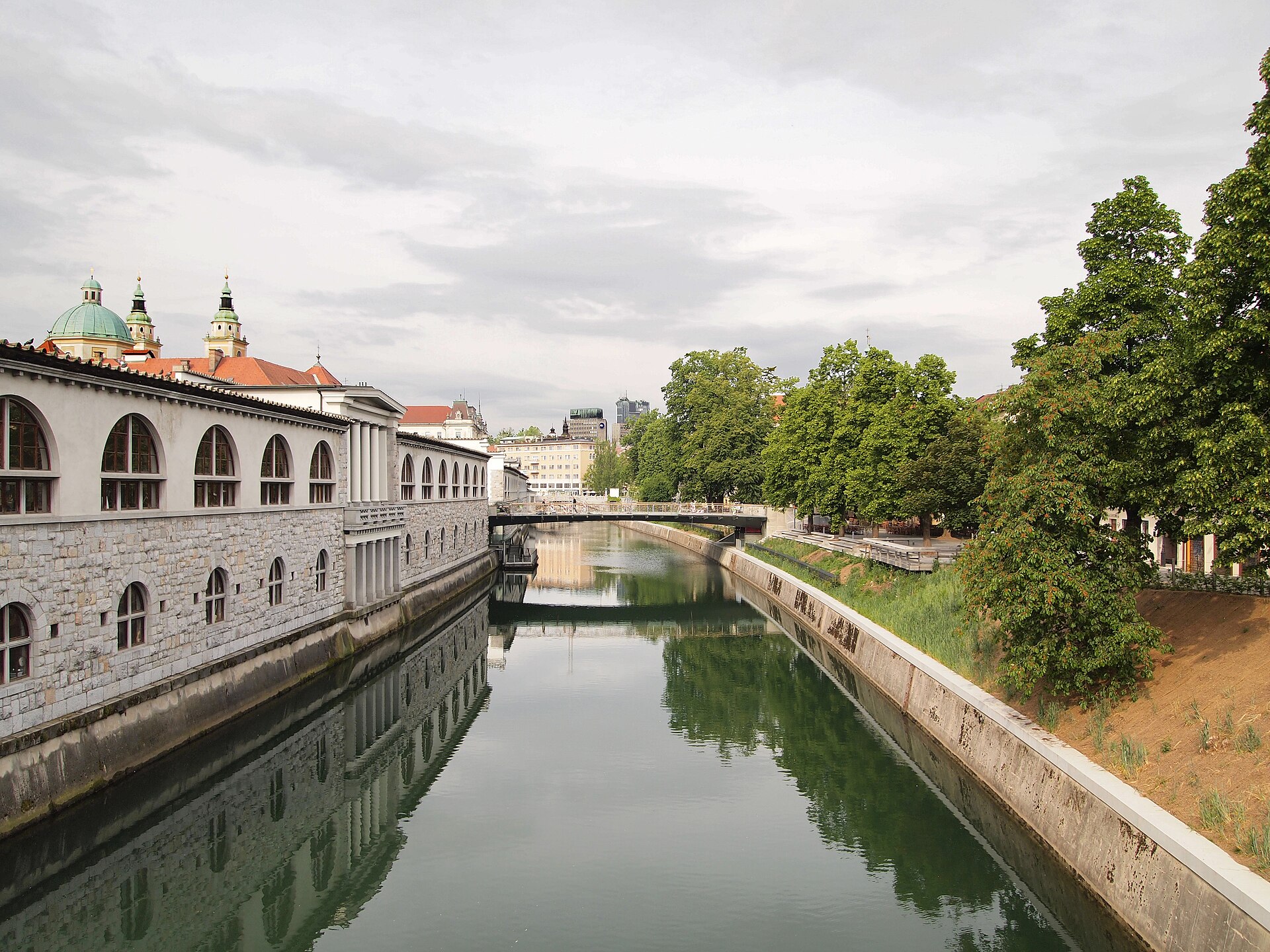
Early autumn retains outdoor value while lowering some summer intensity. It is particularly strong for travellers who want architecture, food, markets and parks in one easy city break without needing every evening to feel busy.
Winter compresses the city into its most intimate form
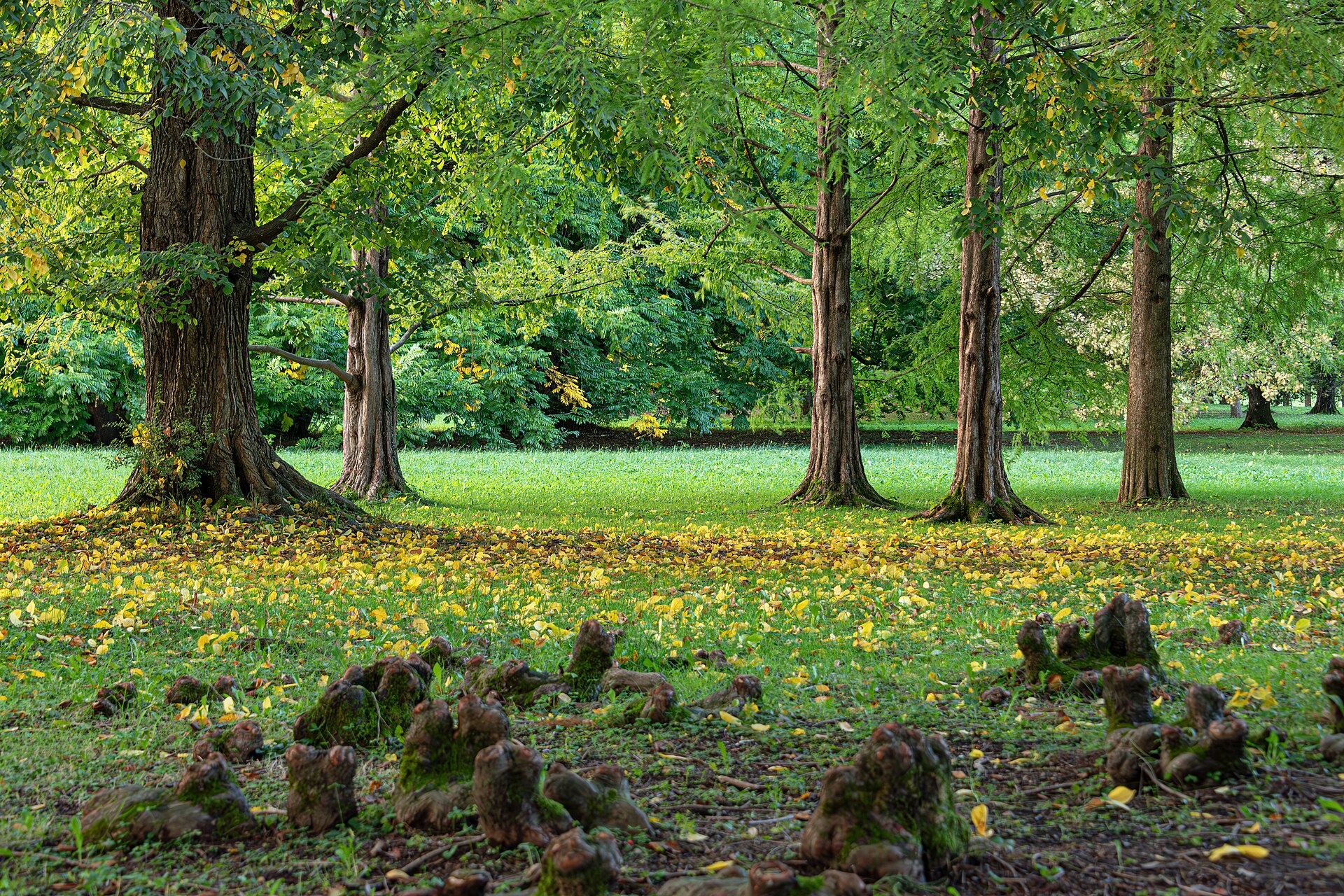
Shorter days shift attention toward cafés, food, culture and the river after dark. December events can make the centre livelier, but outside the busiest festive periods Ljubljana becomes especially atmospheric because its scale works with winter rather than against it.
Choose the season by how social you want the streets to feel

Choose spring or early autumn for the broadest fit, summer for outdoor evenings and winter for intimacy. Ljubljana rarely becomes difficult; the useful decision is how much of the trip you want to happen outside versus around food, culture and cafés.