
Copenhagen design is not only an object category. The deeper experience is urban: how a bridge shortens a route, how harbour space becomes social space, how cycling integrates with streets and how parks and waterfronts remain part of everyday movement. OREVYON would read design while moving through the city rather than isolating it inside shops and museums.
Start with the harbour as infrastructure
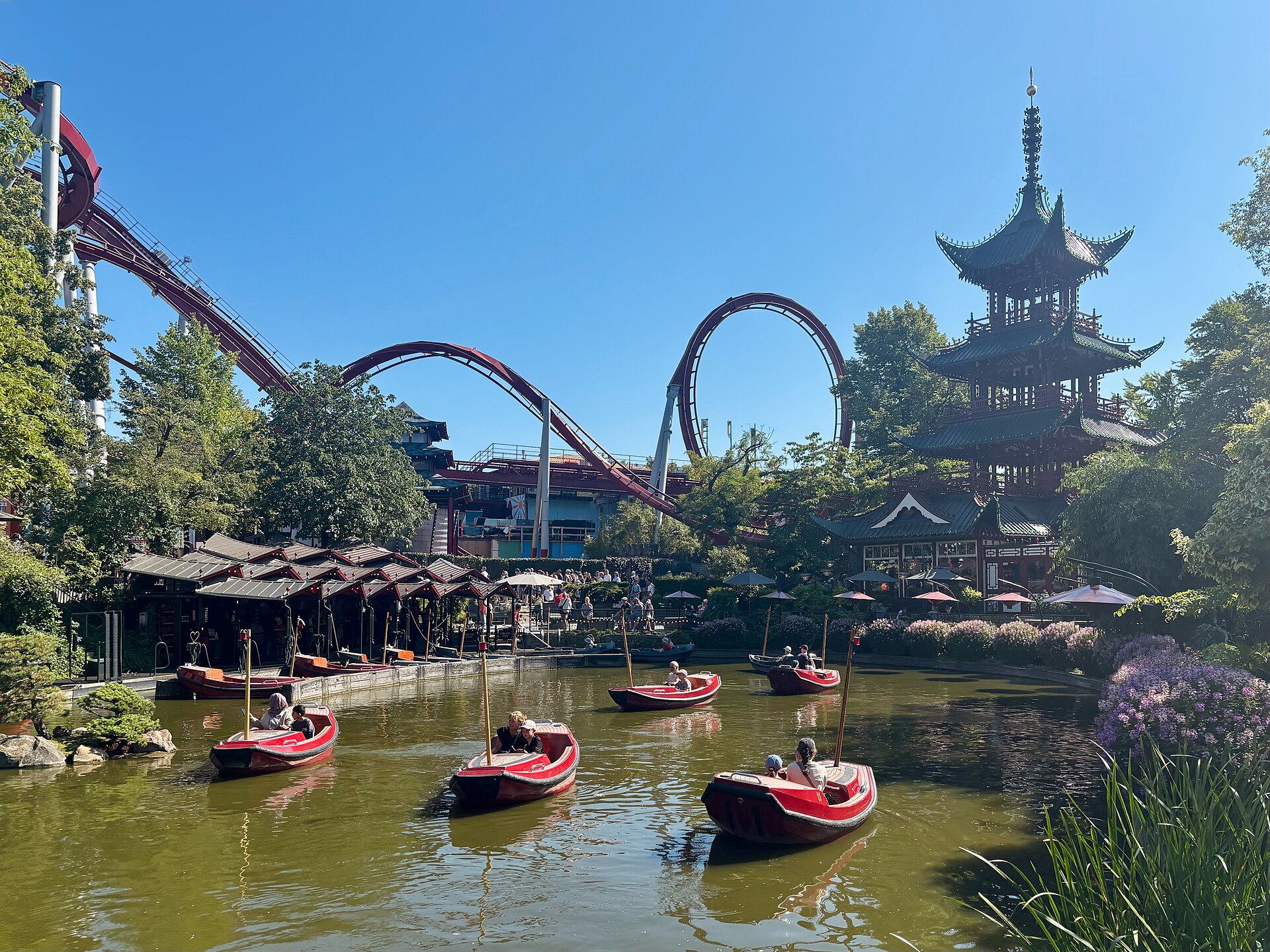
The waterfront is useful because it shows design at city scale. Bridges, walking routes and harbour edges connect districts while creating places to stop. The point is not one landmark structure but the way movement and public life reinforce one another.
Cycling reveals the design system from inside

Travelling by bike makes streets, intersections and distance feel different. You notice how mobility is organised because you are using the system rather than observing it. Even travellers who do not cycle can read this logic in the way public space is allocated.
Neighbourhoods show different design languages
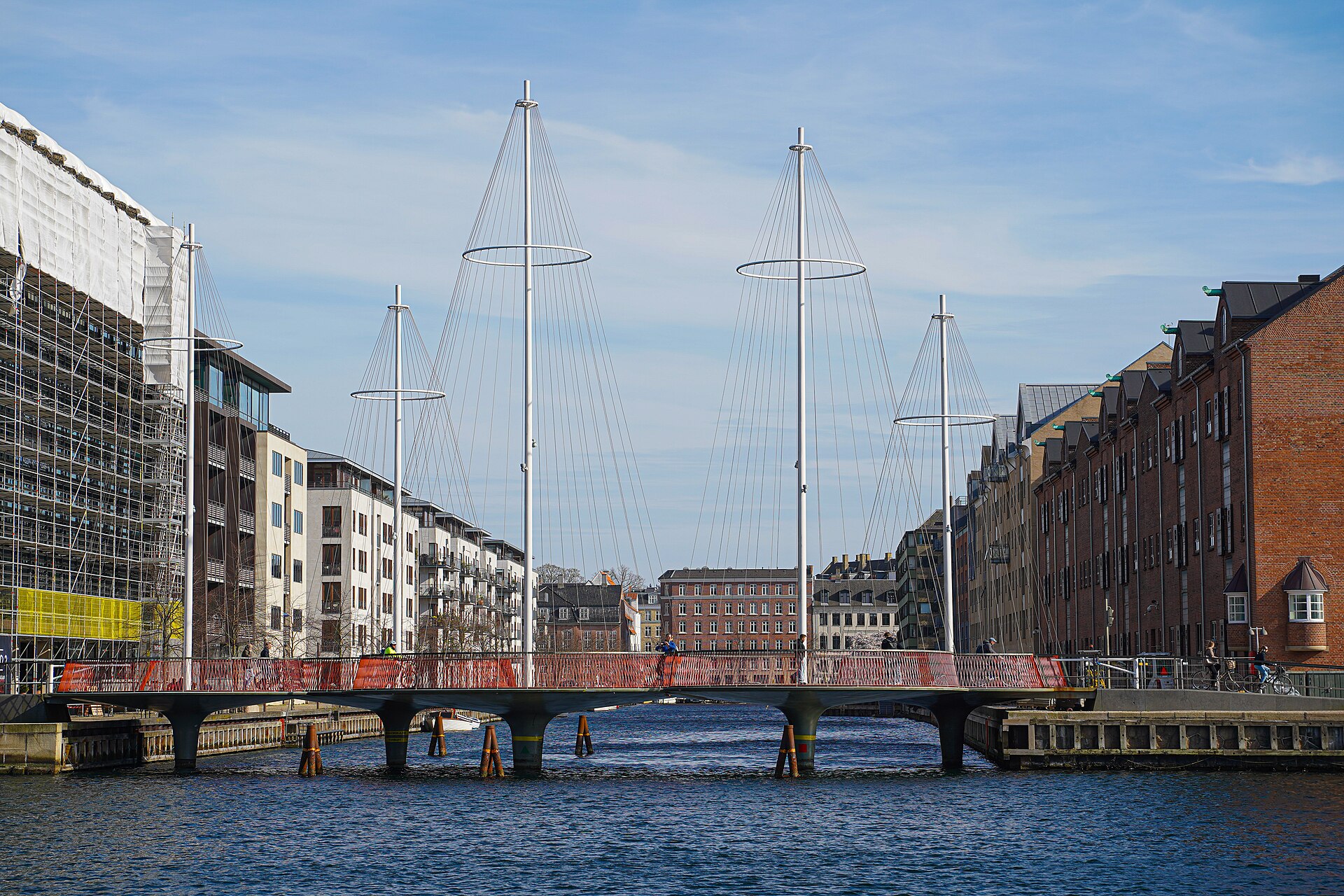
Indre By, Christianshavn, Vesterbro, Nørrebro and Frederiksberg each combine architecture, public space and daily life differently. Moving between them gives a richer design education than staying inside a single polished central district.
Parks and ordinary spaces matter as much as icons

A bench, square, playground, harbour edge or everyday street can explain Copenhagen's design culture more clearly than an isolated showroom. The useful question is whether a place is beautiful, but also whether it is easy and pleasant to use.
Build a design day around movement, not a museum list
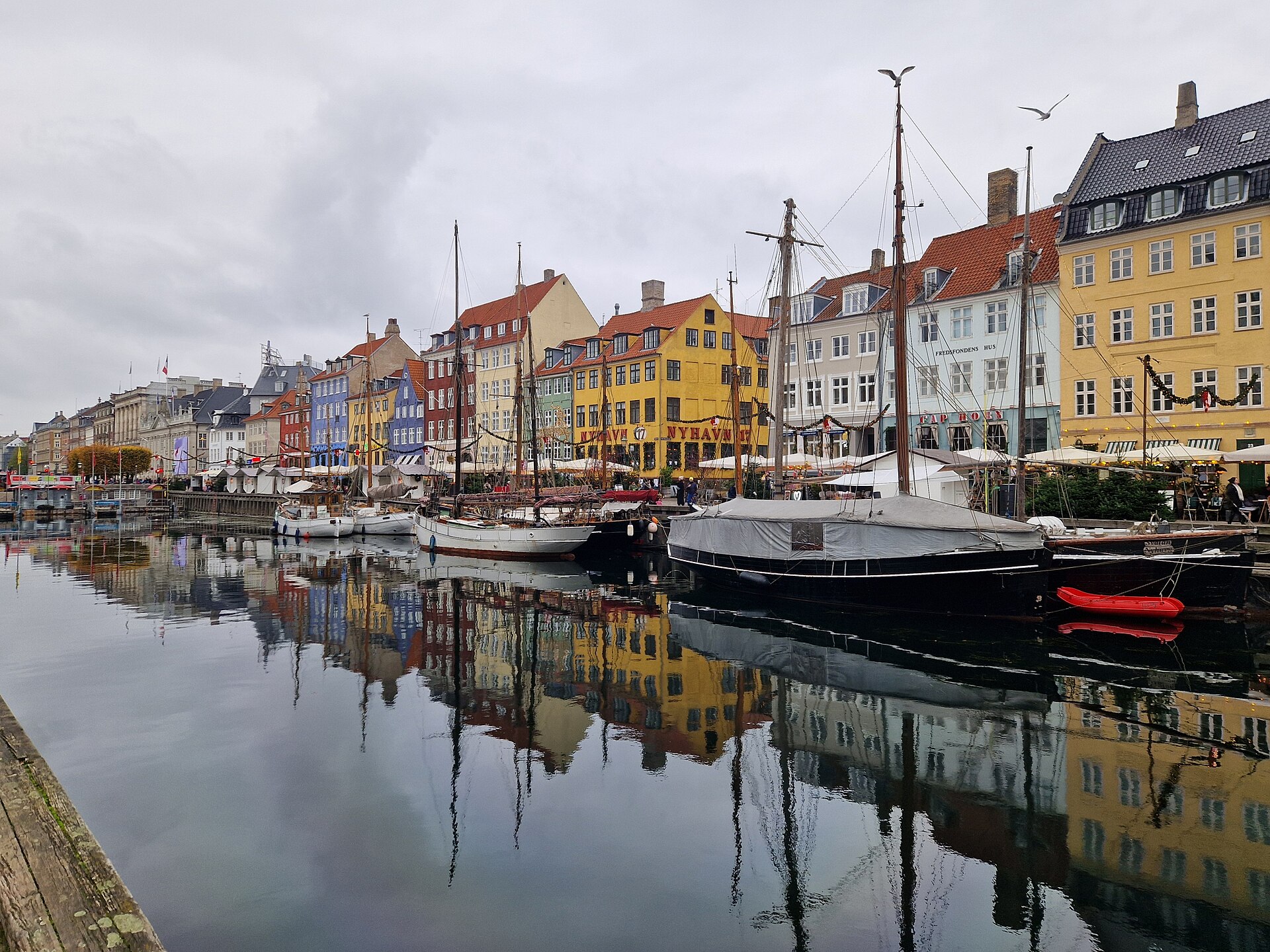
Choose a route that crosses several kinds of public space, then add architecture, food or a museum only where it deepens the same story. Copenhagen becomes most recognisable when design is experienced as the operating system of the city.