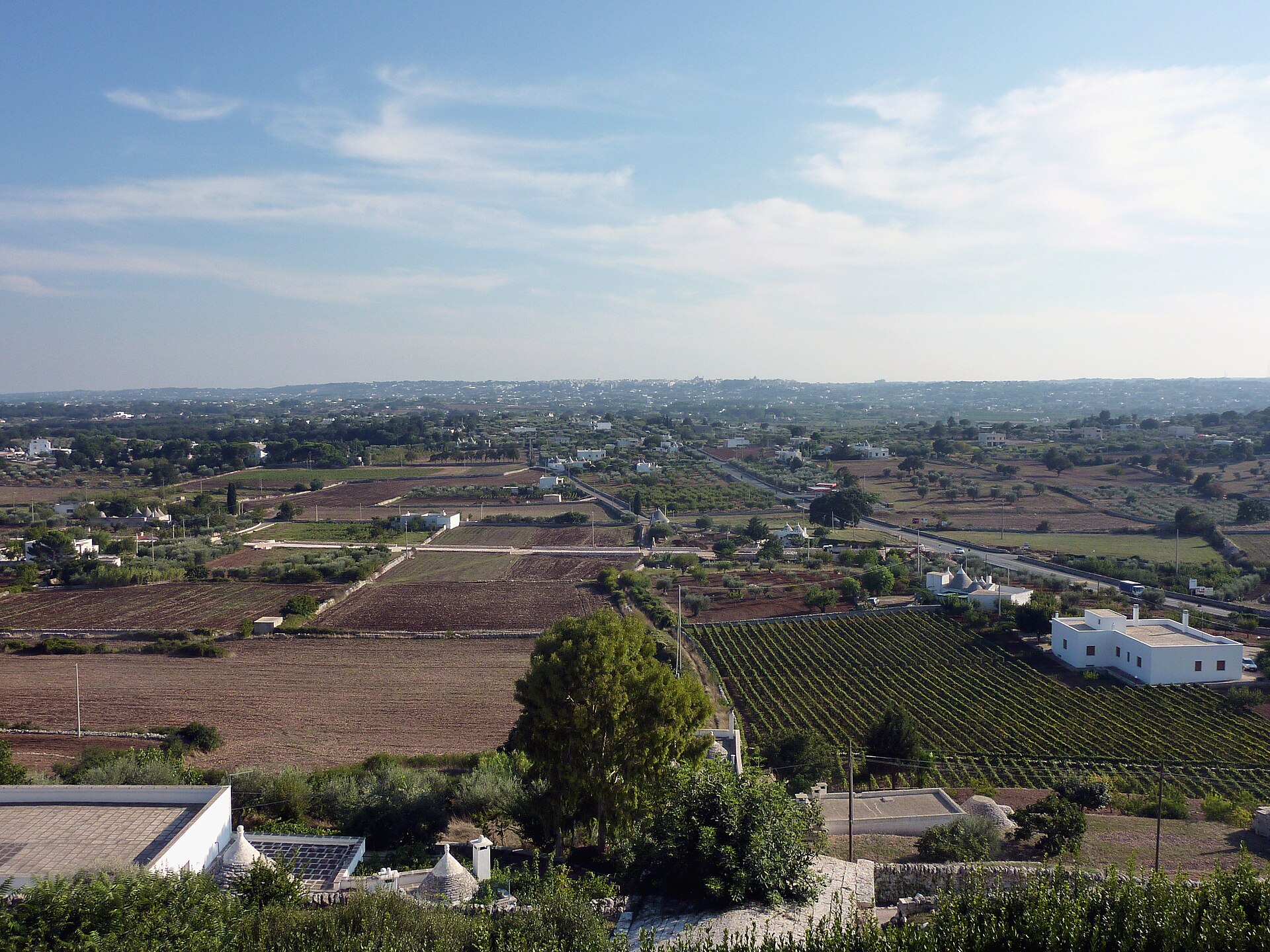
Valle d’Itria in Spring & Autumn — Puglia at a Slower Rhythm
Late spring and early autumn shift Valle d’Itria toward walking, outdoor meals and countryside stays without making peak-summer heat the organising force of every day.
Read / explore → OREVYONAI DISCOVERY HOUSE
Browse our complete collection of stories, guides, collections and destinations — a growing world of insight, inspiration and intelligent discovery.
CURIOSITY
TAKES YOU
FURTHER
No search required: every published story is here to browse.
Late spring and early autumn shift Valle d’Itria toward walking, outdoor meals and countryside stays without making peak-summer heat the organising force of every day.
Read / explore →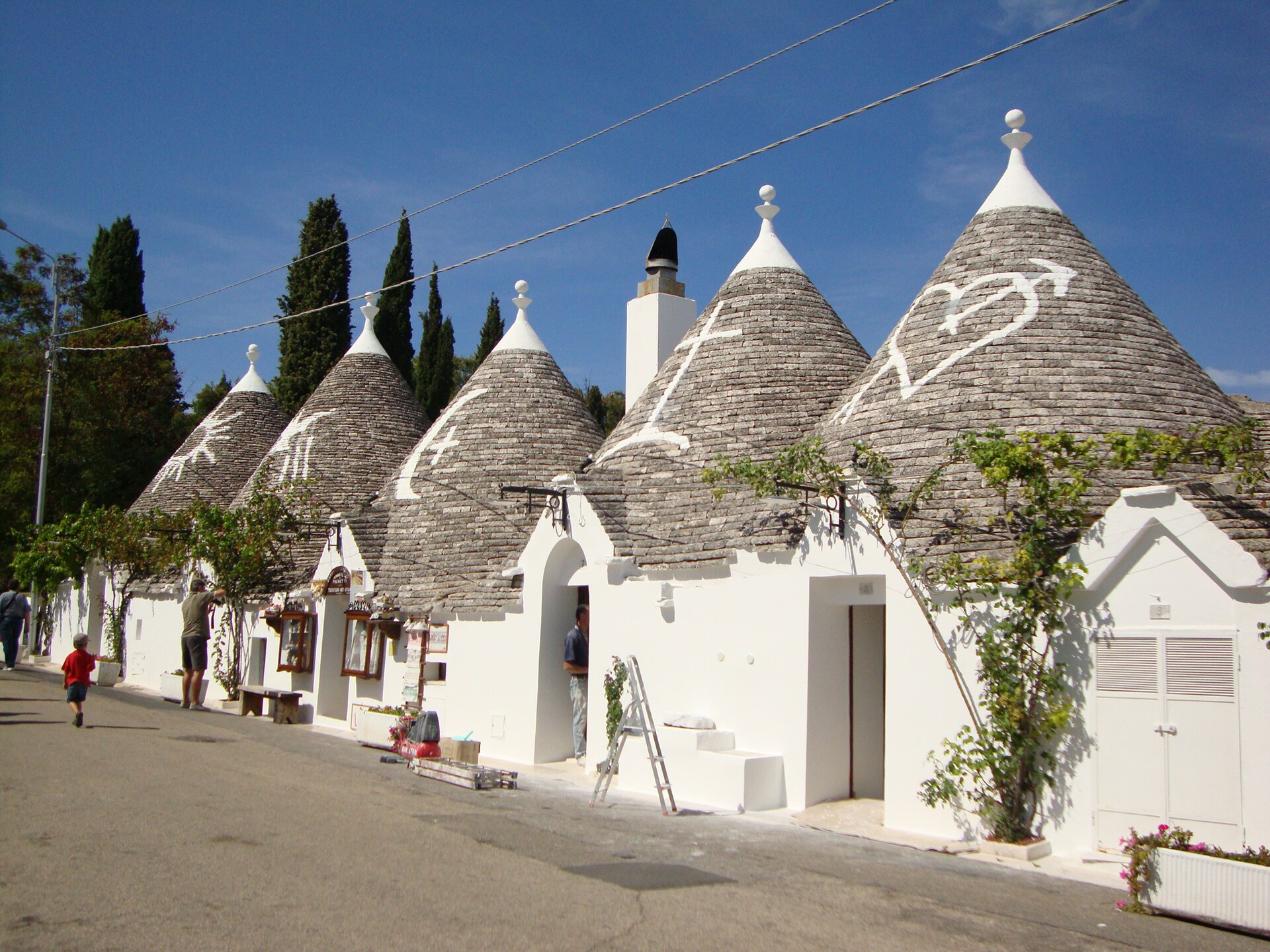
Five days gives Valle d’Itria enough room for one strong base, Alberobello, Locorotondo, Martina Franca, Cisternino and a real countryside layer without turning the trip into a village race.
Read / explore →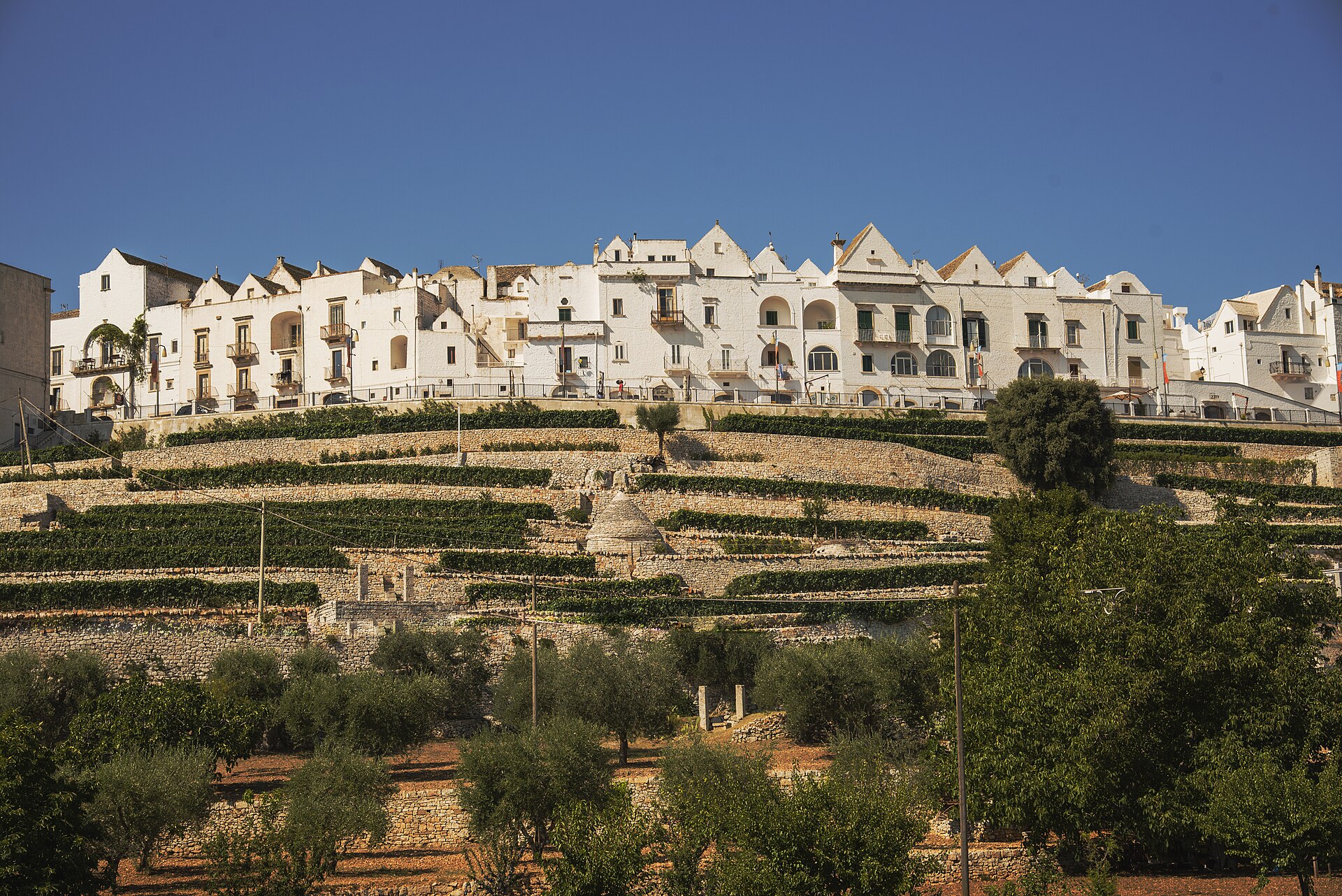
Valle d’Itria can be travelled without a car if you narrow the radius around connected towns such as Alberobello, Locorotondo and Martina Franca. Rural freedom is the main trade-off.
Read / explore →
Locorotondo, Cisternino, Martina Franca and the countryside create very different Valle d’Itria trips. Choose the base by evening rhythm, mobility and how much the stay itself should matter.
Read / explore →
Valle d’Itria changes with heat, daylight, outdoor dining and visitor pressure: late spring and early autumn usually give the broadest balance, while summer brings peak energy.
Read / explore →A first Valle d’Itria trip works best when you choose one strong base, resist town collecting, and understand how trulli, masserie, food and countryside fit together.
Read / explore →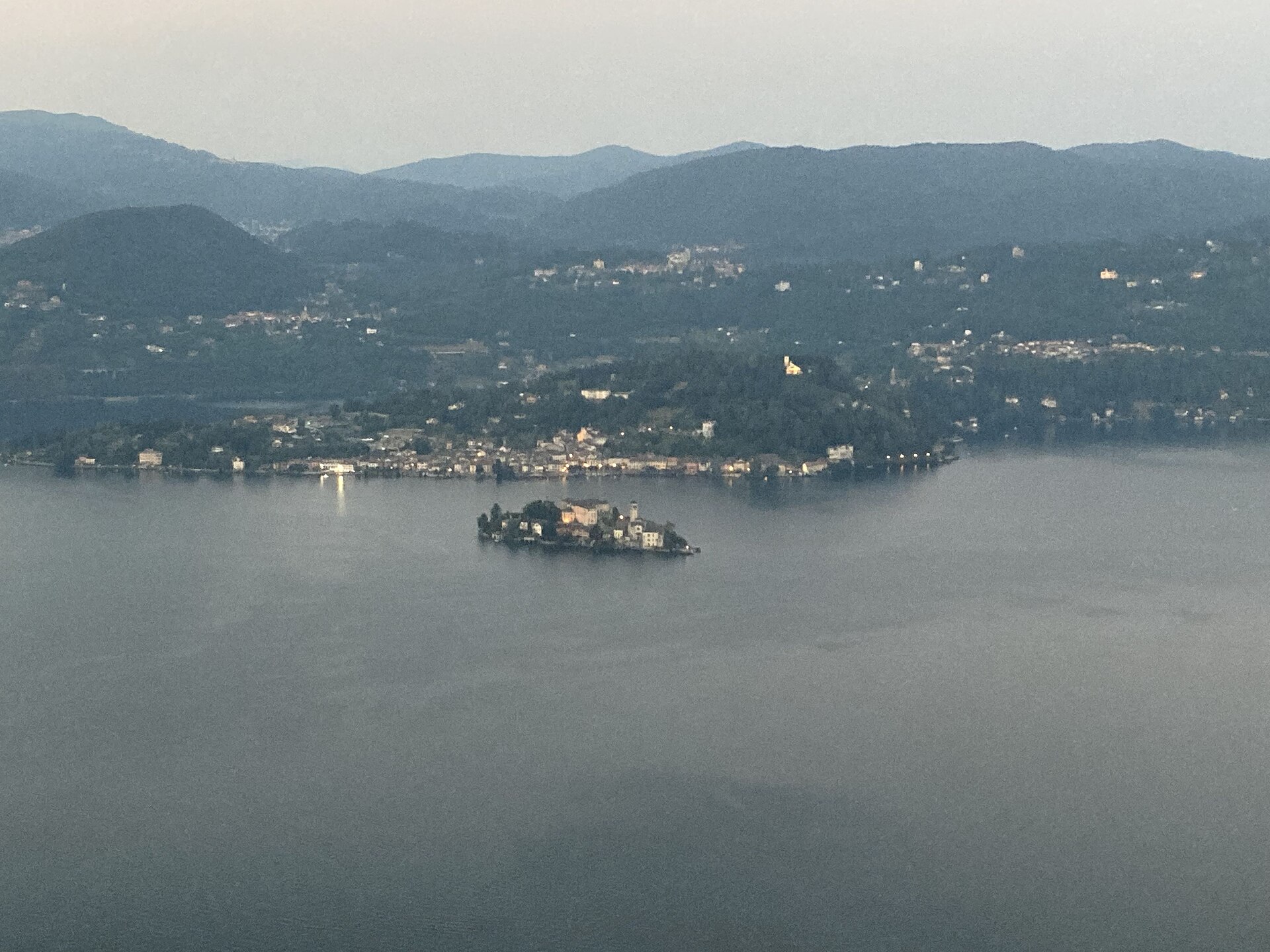
Lake Orta works differently by season: spring and autumn favour walking and calm, summer expands boat life and swimming, while winter becomes a quieter village-led escape.
Read / explore →
Lake Orta food works best when freshwater fish, Piedmontese cooking, local cheese, long lunches and the geography of small lakeside towns shape the day.
Read / explore →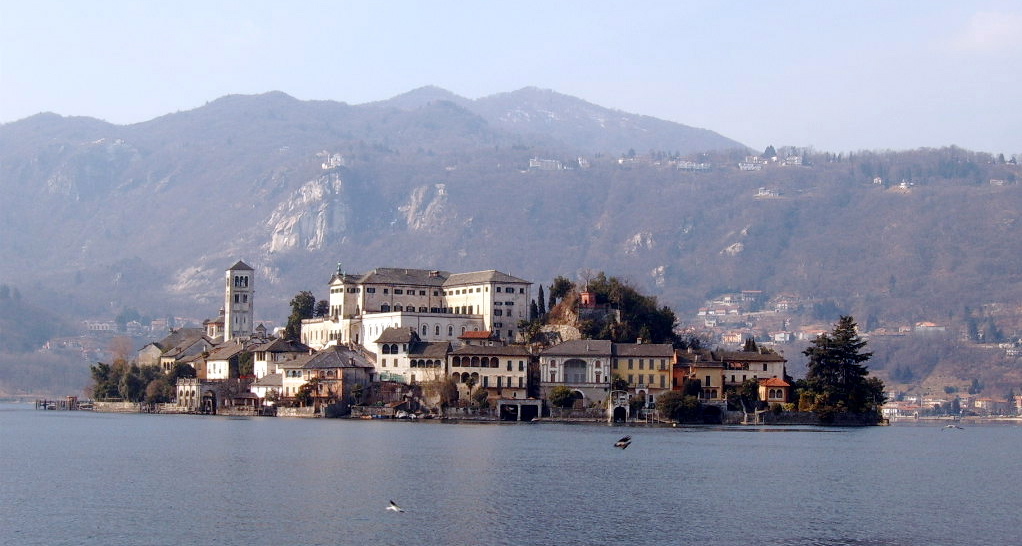
Lake Orta becomes more than a pretty lake through two places facing each other: the quiet island of San Giulio and the wooded UNESCO chapels of Sacro Monte.
Read / explore →
A first Lake Orta trip works best when you understand how small the lake is, how much Orta itself carries the stay and why boats, Sacro Monte and quiet repetition matter.
Read / explore →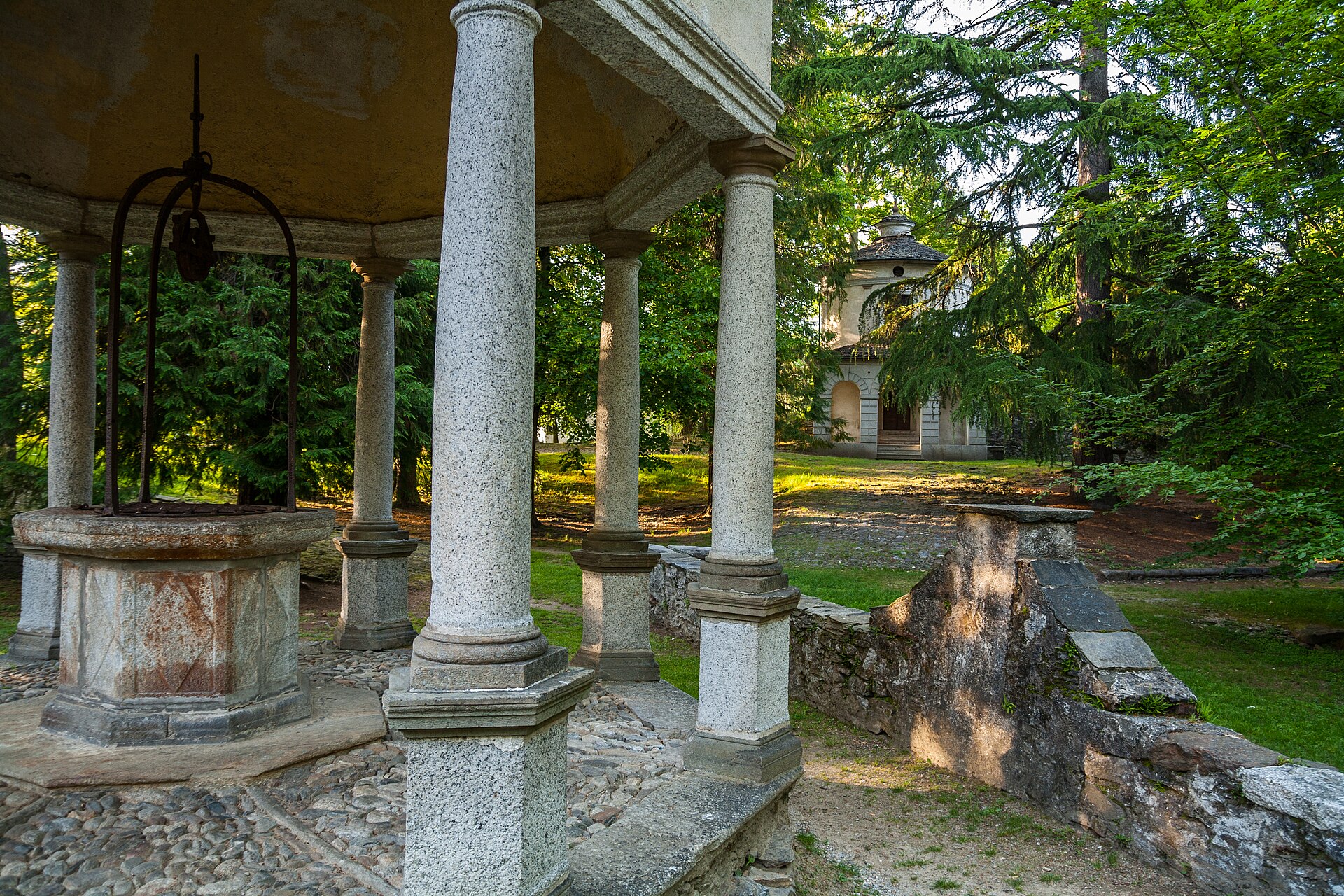
Three days is enough to understand Lake Orta when Orta San Giulio, Isola San Giulio, Sacro Monte and one wider-lake day are allowed to breathe.
Read / explore →Autumn shifts Lake Orta away from pure lake leisure toward walking, woodland colour, food and quieter villages, while seasonal boat patterns make planning more deliberate.
Read / explore →Lake Orta and Lake Como offer very different lake trips: Orta is compact, intimate and easy to edit; Como brings more towns, transport layers, villas and geographic scale.
Read / explore →Lake Orta can work without a car when you base carefully around Orta, Pettenasco or Omegna and use trains, boats and walking. Wider shore flexibility remains more seasonal.
Read / explore →Your Lake Orta base changes the trip more than the lake’s size suggests: Orta San Giulio gives atmosphere, Pettenasco gives lakeside calm and Omegna adds practical town depth.
Read / explore →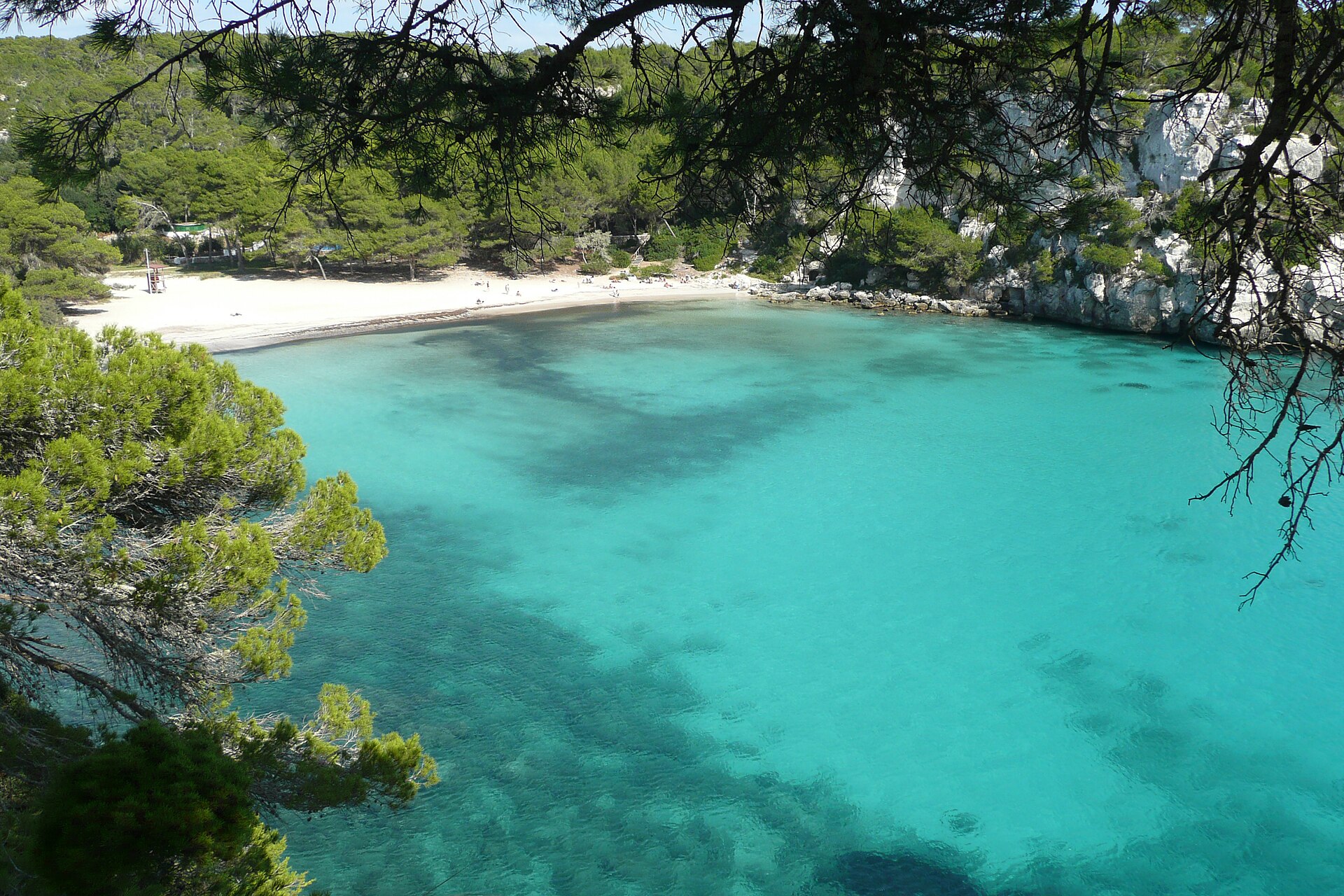
The best time for Menorca depends on whether you want warm-water beach days, quieter coves, Camí de Cavalls walking or an island that has returned to its normal rhythm.
Read / explore →
Menorca’s food identity goes well beyond one lobster dish. Mahón-Menorca cheese, local farms, markets, seafood and simple island cooking can structure the trip.
Read / explore →
A first Menorca trip gets better when you understand its north-south coast contrast, base choice, cove access, slower rhythm and why trying to see every beach usually works against the…
Read / explore →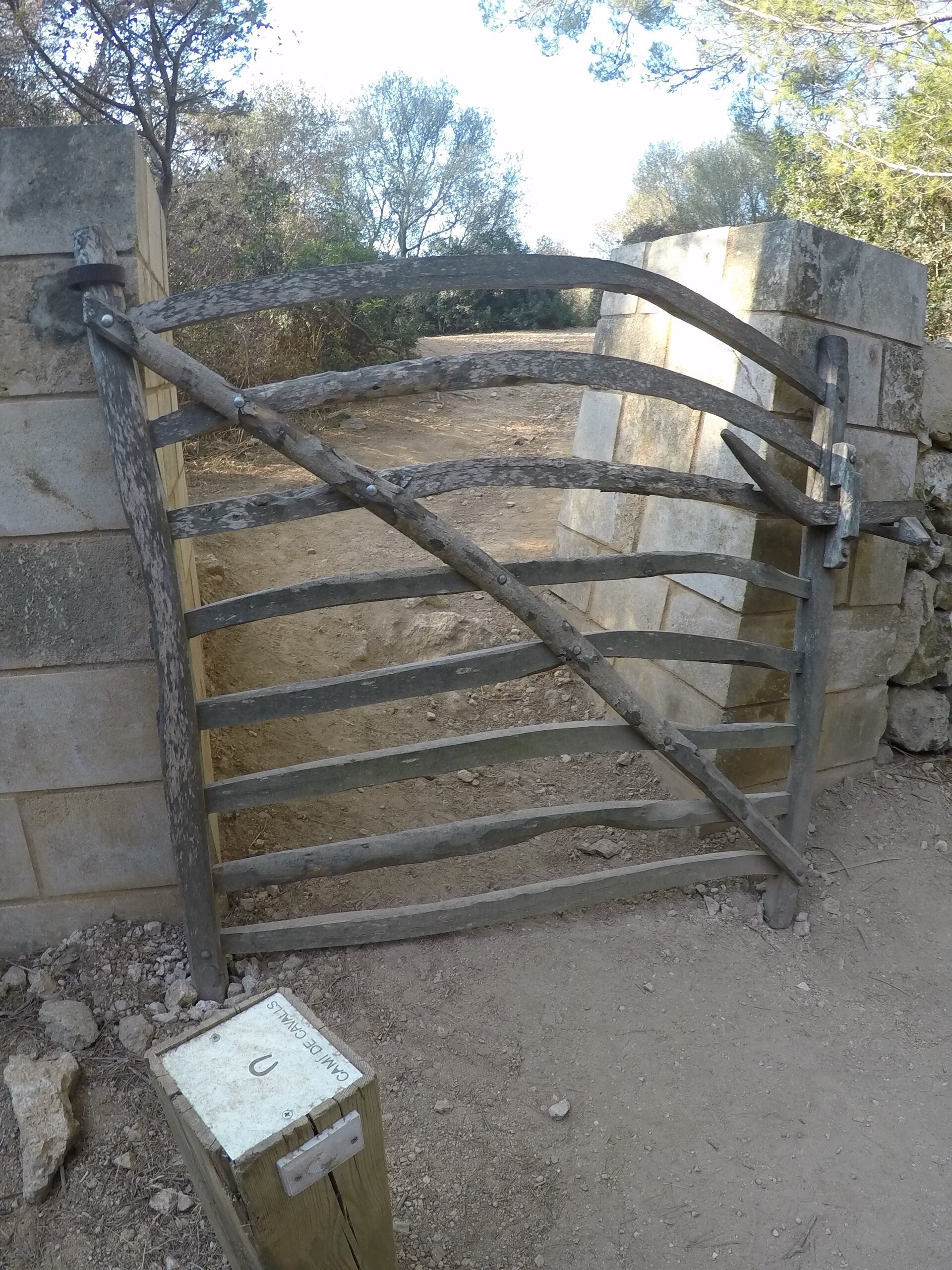
Five days is enough for a strong Menorca trip when you divide the island by coast, base and travel rhythm rather than trying to collect every famous beach.
Read / explore →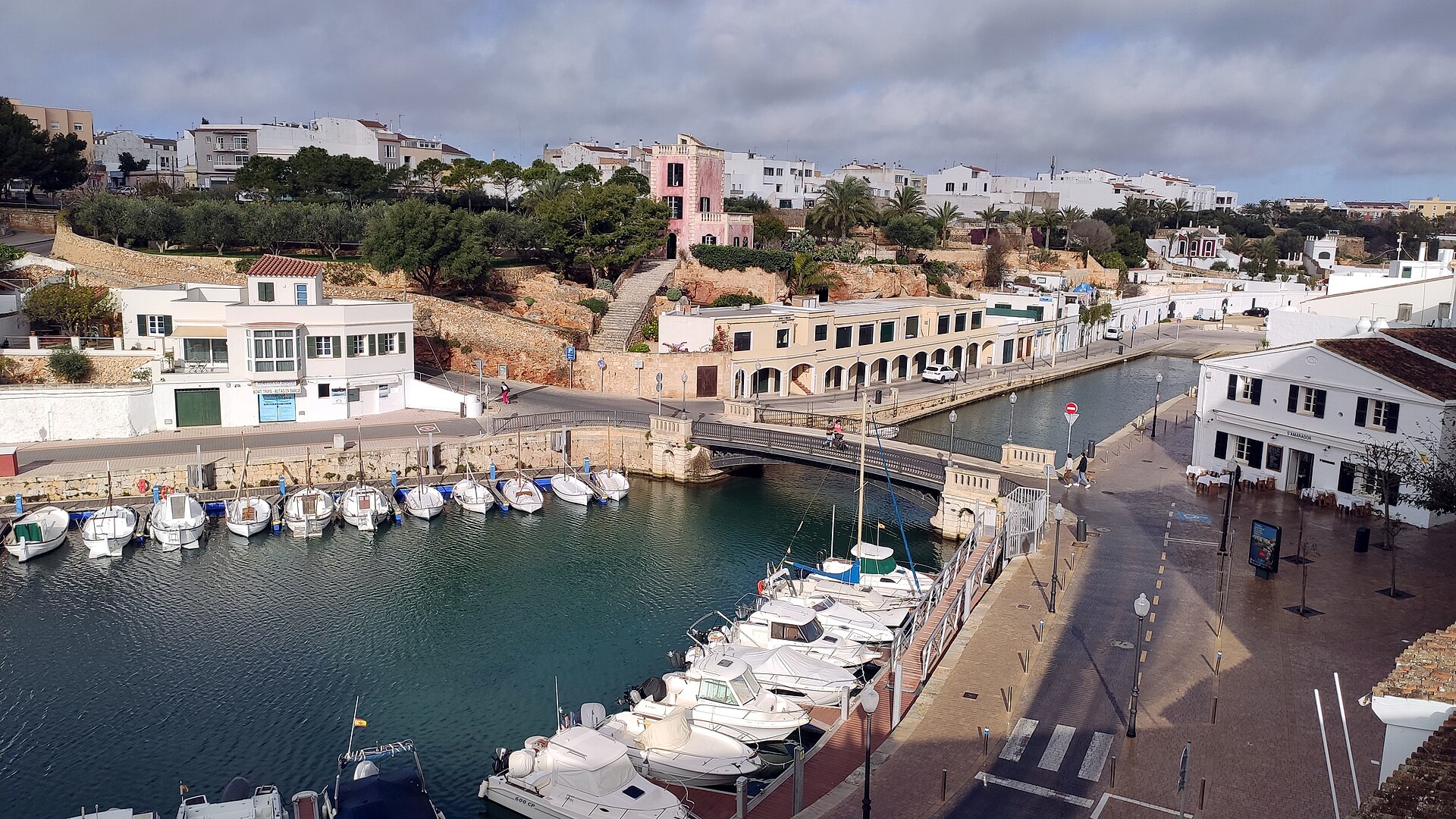
Late spring and early autumn reveal a different Menorca: better walking, softer roads, more space at the coast and more reason to notice food, towns and landscape beyond the beach.
Read / explore →
The best Menorca cove is not automatically the most famous. South versus north, walking access, exposure and crowd pressure should decide where your beach day goes.
Read / explore →Menorca and Mallorca share a Mediterranean setting but offer very different scale and depth: Menorca is smaller and quieter; Mallorca adds Palma, mountains and far more geographic variety.
Read / explore →Menorca can work without a car if your trip is built around towns, selected bus-linked areas, walking and cycling.
Read / explore →Where you stay in Menorca determines evenings, driving time and how often the coast becomes a transfer. Ciutadella, Maó and coastal bases create very different trips.
Read / explore →