
Cádiz: Atlantic old-town calm with a lively dining edge
A compact coastal city where historic streets, beaches, and seafood culture come together naturally.
Read / explore → OREVYONAI DISCOVERY HOUSE
Browse our complete collection of stories, guides, collections and destinations — a growing world of insight, inspiration and intelligent discovery.
CURIOSITY
TAKES YOU
FURTHER
No search required: every published story is here to browse.
A compact coastal city where historic streets, beaches, and seafood culture come together naturally.
Read / explore →
A compact Andalusian city where the Alhambra, old quarters, and late dining create a rich short-stay rhythm.
Read / explore →
A remote Azorean island of waterfalls, crater lakes, and wind-shaped coastlines.
Read / explore →
Faial pairs crater landscapes, ocean air, and quiet harbor towns.
Read / explore →
Terceira pairs lava scenery, coastal viewpoints, and a historic center with an easygoing island pace.
Read / explore →
Pico is a remote Azorean island defined by volcanic slopes, marine life, and understated village life.
Read / explore →
A protected Portuguese coast of cliffs, surf and sparse villages.
Read / explore →
Serra da Estrela is Portugal’s highest mainland mountain region, known for granite ridges, glacial valleys, shepherd landscapes, and a calm, spacious feel.
Read / explore →
Óbidos offers cobbled lanes, whitewashed houses, and a contained historic atmosphere.
Read / explore →
Nazaré combines a traditional fishing town, a broad beach and a cliff-top surf landscape whose character changes dramatically with the Atlantic.
Read / explore →
Cascais combines a walkable seaside centre, Atlantic beaches and strong access to Lisbon and the Sintra coast without feeling like an extension of the capital.
Read / explore →
Sintra layers palaces, gardens, woodland and hilltop ruins into a destination that becomes much calmer once day visitors leave.
Read / explore →
Évora compresses two millennia of history into a compact, walkable city surrounded by the wide Alentejo landscape.
Read / explore →
Coimbra combines one of Europe’s oldest universities with steep historic streets, student traditions and a slower river-city rhythm.
Read / explore →
Minho combines Atlantic-green countryside, historic towns, river valleys and Vinho Verde into a slower version of northern Portugal.
Read / explore →
The Douro becomes much deeper when its river, quintas, vineyard villages and rail journey are experienced over several nights rather than as a rushed day trip.
Read / explore →
Mallorca pairs Mediterranean coastlines with cultural towns and mountain scenery.
Read / explore →
Barcelona rewards travellers who move beyond the icon checklist into markets, neighbourhoods, food, design and a city rhythm that changes from hill to sea.
Read / explore →
Seville pairs monumental heritage with narrow streets, courtyard hotels, and one of Spain’s most rewarding dining scenes.
Read / explore →
The Algarve combines scenic Atlantic coastline, relaxed resort towns, and strong seafood traditions.
Read / explore →
Porto is strongest when the Douro, steep neighbourhoods, tiled streets and food are treated as one connected rhythm rather than separate sights.
Read / explore →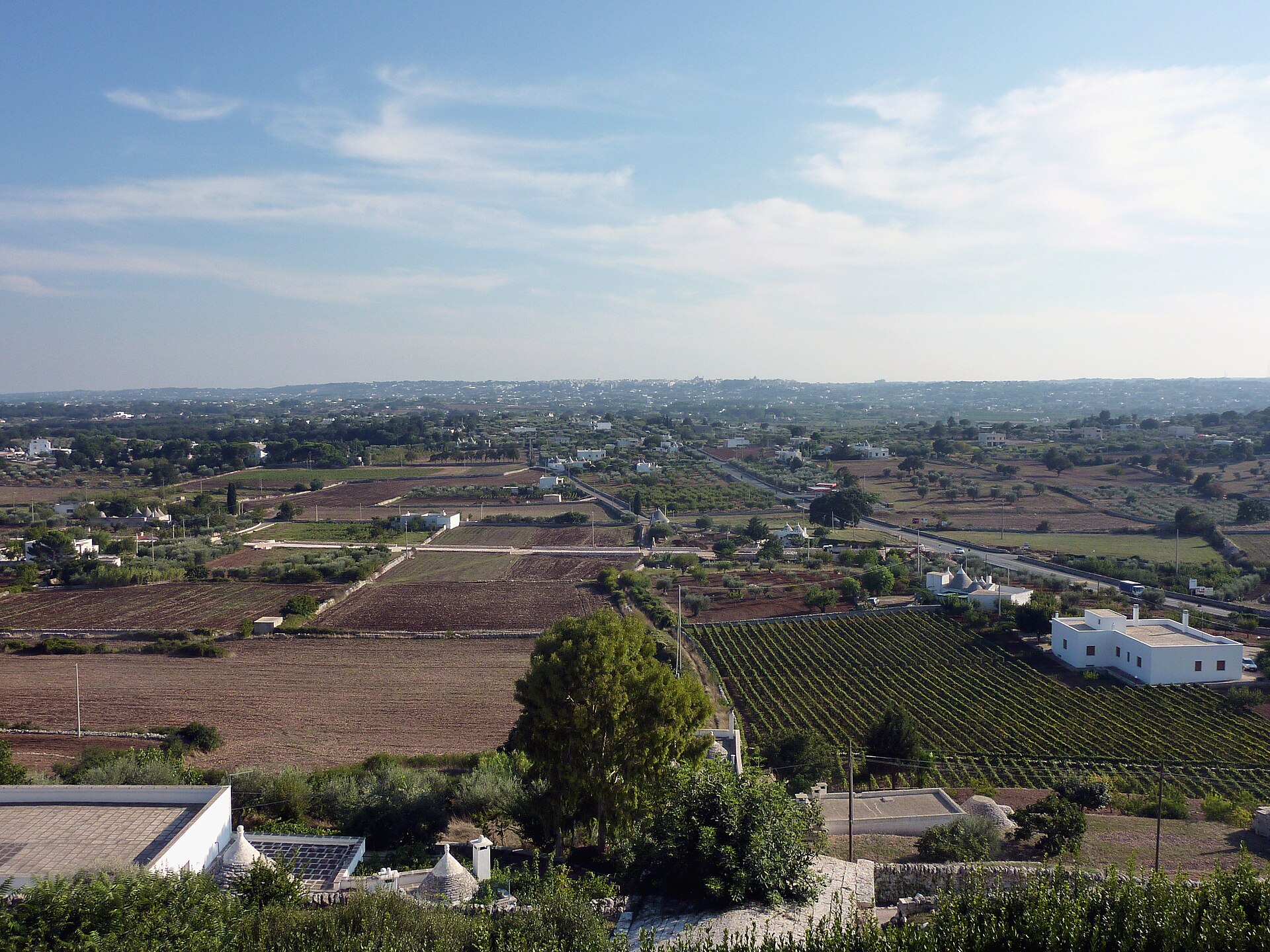
Valle d’Itria and Salento offer different Puglia trips: inland white towns, trulli and masserie versus a larger southern peninsula shaped more strongly by coast, Lecce and beach geography.
Read / explore →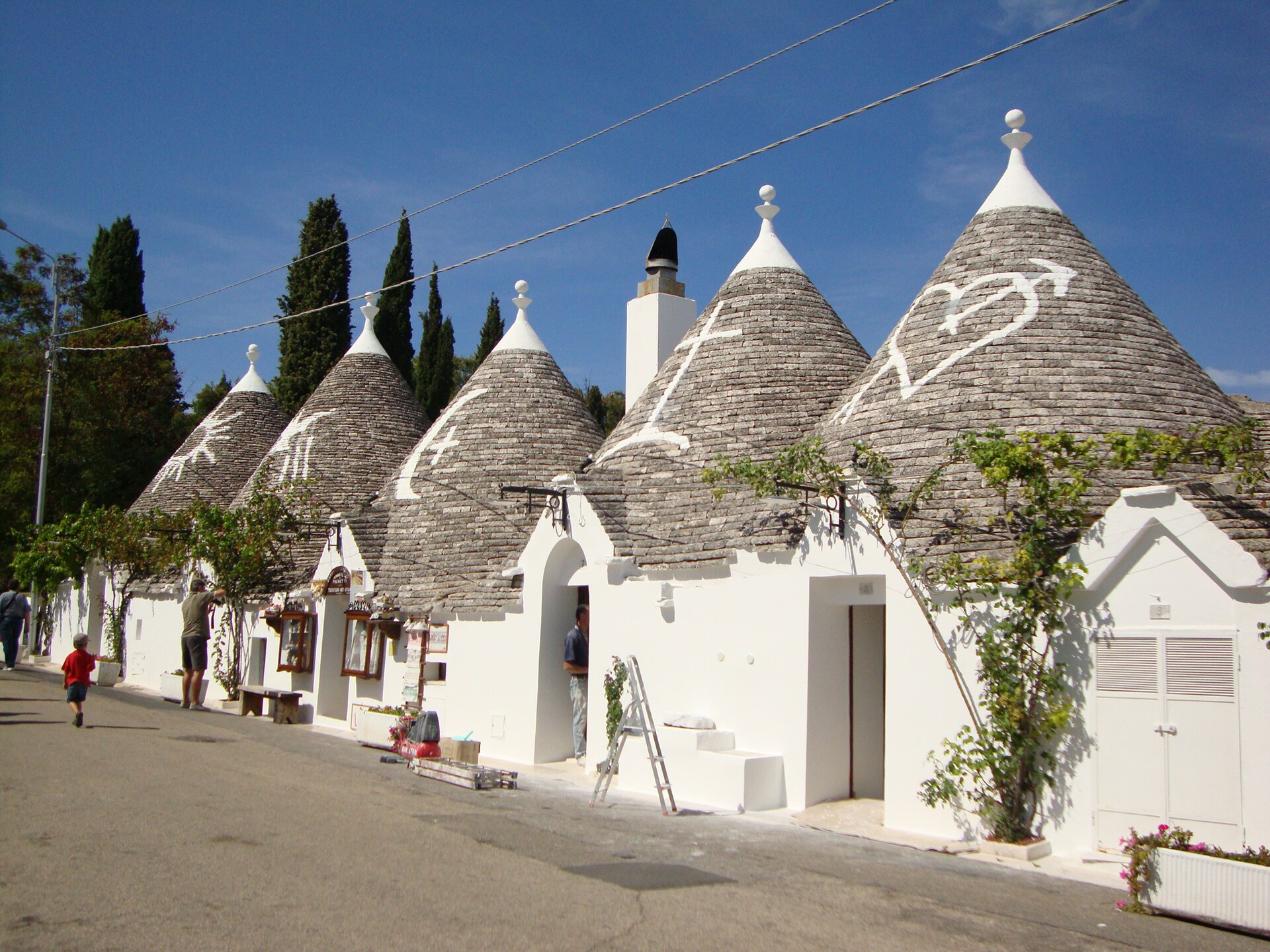
Valle d’Itria is strongest when food follows place: Cisternino’s fornelli and bombette, Martina Franca capocollo, Locorotondo wine and countryside meals rather than a generic Puglia…
Read / explore →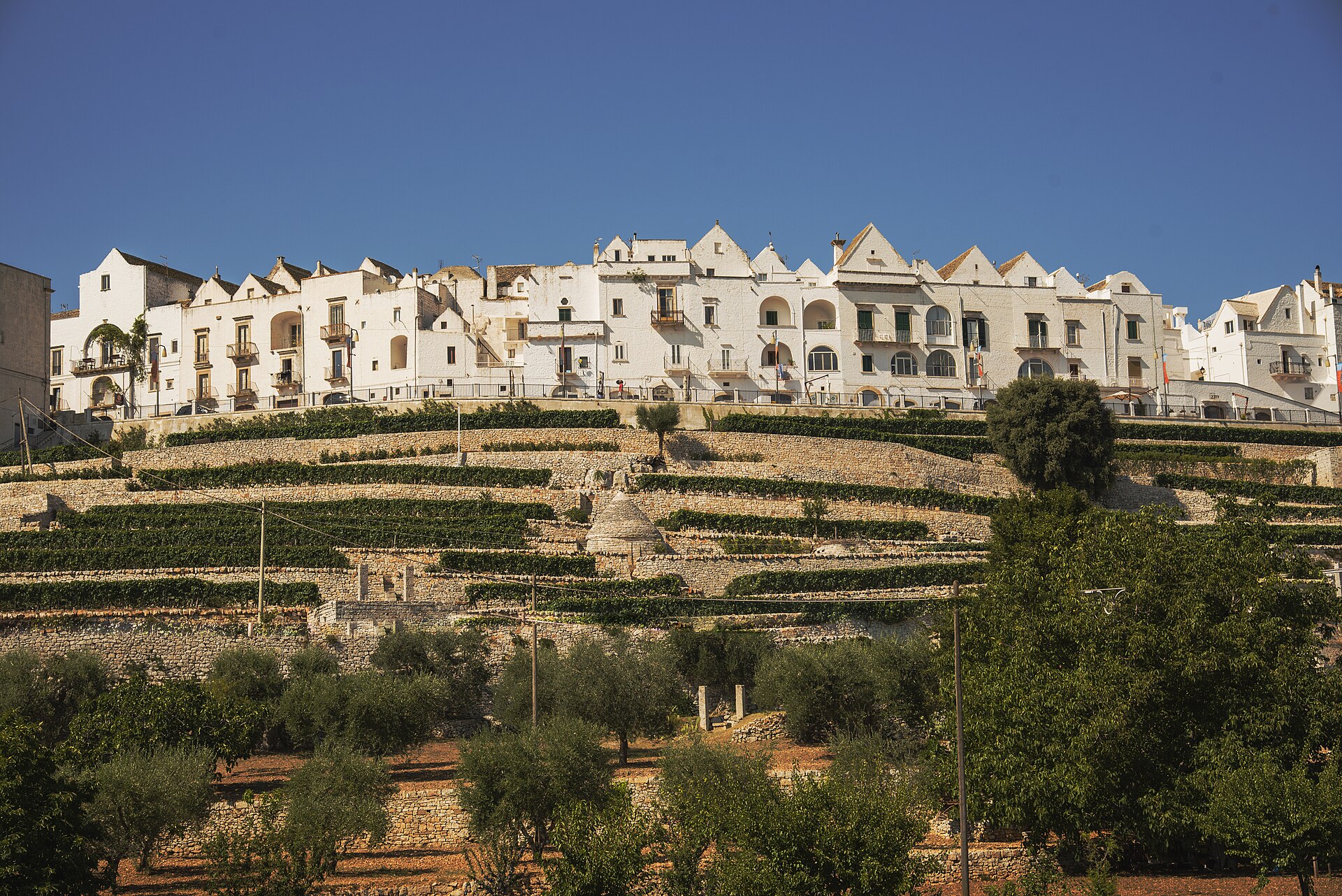
The trulli of Alberobello are only the most visible part of a wider Valle d’Itria landscape shaped by dry-stone construction, rural buildings, olive groves and masserie.
Read / explore →