
How to Eat Kyoto — What to Seek Out, Where & When
Eat Kyoto as part of its cultural rhythm: mix planned meals with local neighbourhood eating and let season, area and pace shape where food fits.
Read / explore → OREVYONAI DISCOVERY HOUSE
Browse our complete collection of stories, guides, collections and destinations — a growing world of insight, inspiration and intelligent discovery.
CURIOSITY
TAKES YOU
FURTHER
No search required: every published story is here to browse.
Eat Kyoto as part of its cultural rhythm: mix planned meals with local neighbourhood eating and let season, area and pace shape where food fits.
Read / explore →
Eat Milos through local products and island rhythm: pitarakia, cheeses, capers, tomato products and seafood belong inside beach and village days, not on a separate list.
Read / explore →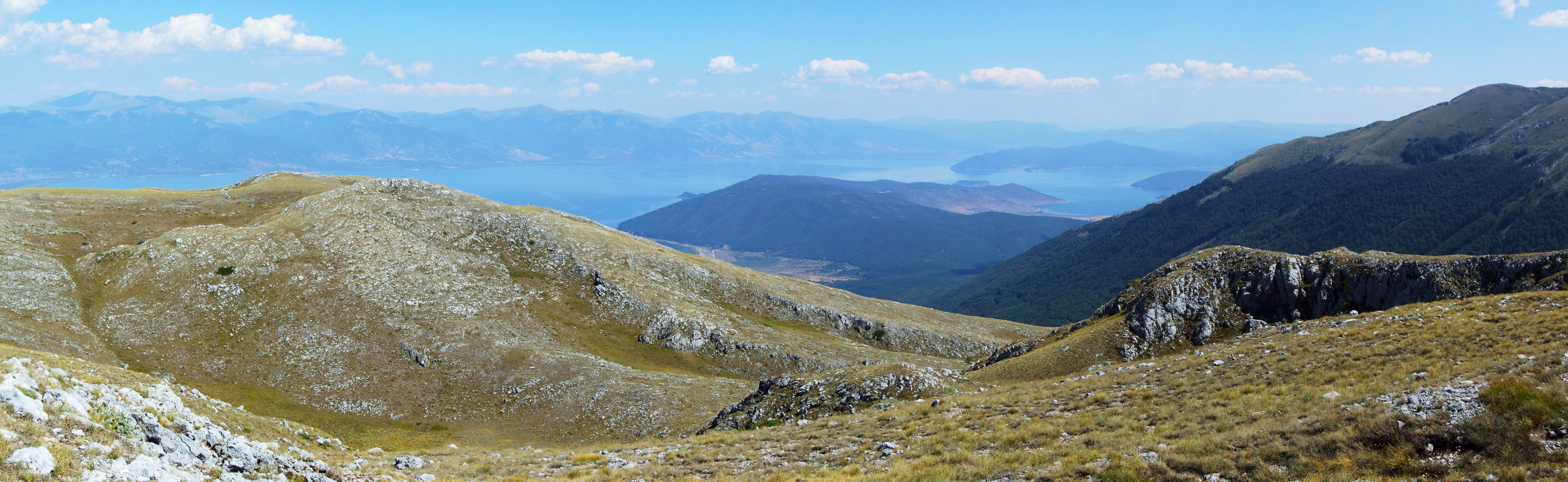
Eat Prespa through the basin itself: lake fish, Prespa gigantes beans, Florina peppers and village cooking work best as part of slow local days.
Read / explore →
Eat Tokyo by district and rhythm: mix specialist counters, casual local meals, markets and destination dining without letting reservations break the route.
Read / explore →
In Istanbul the ferry is more than transport: it is one of the clearest ways to understand the Bosphorus, the city's scale and its two shores.
Read / explore →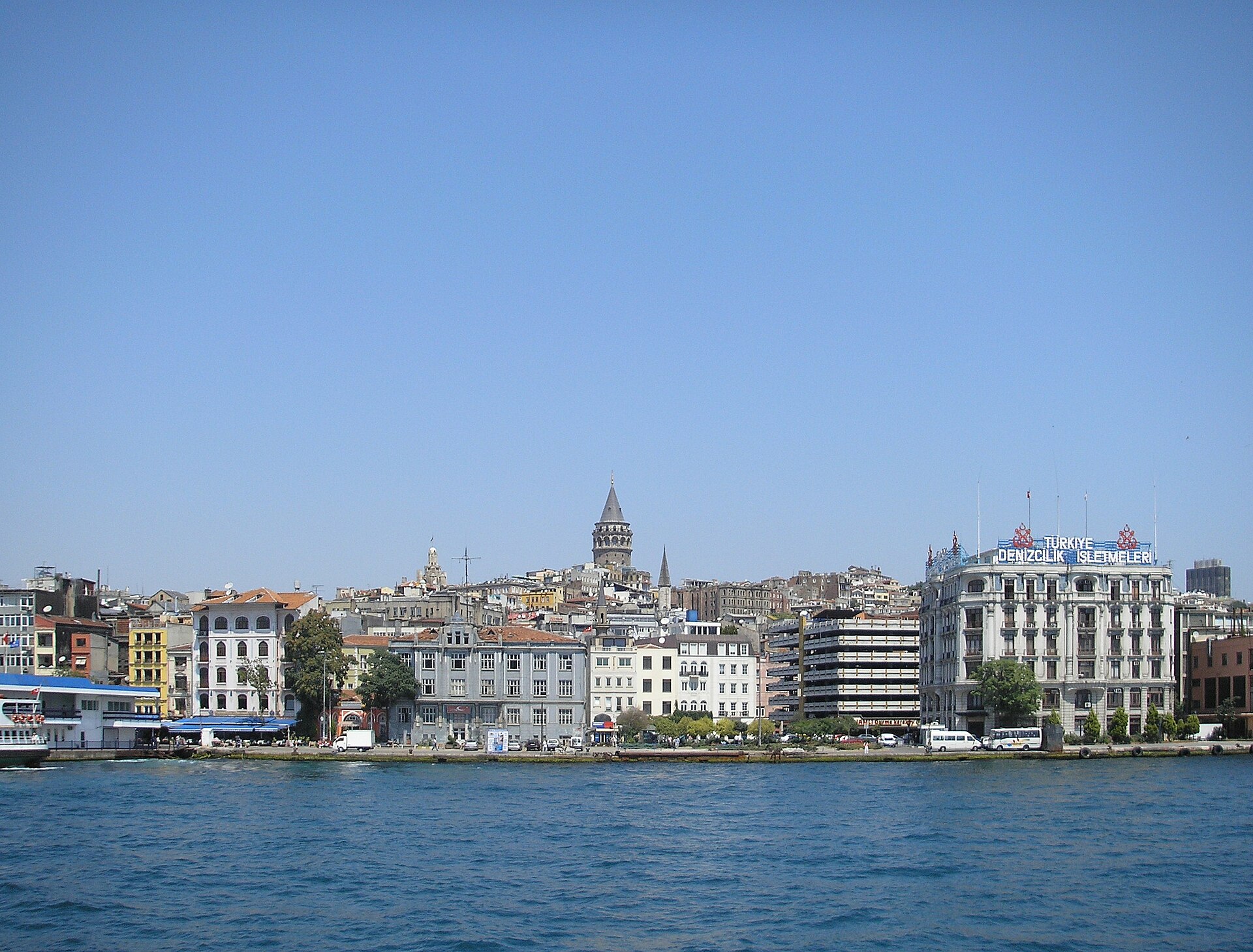
First time in Istanbul? Build the trip around neighbourhoods, ferries and a realistic pace rather than a monument checklist.
Read / explore →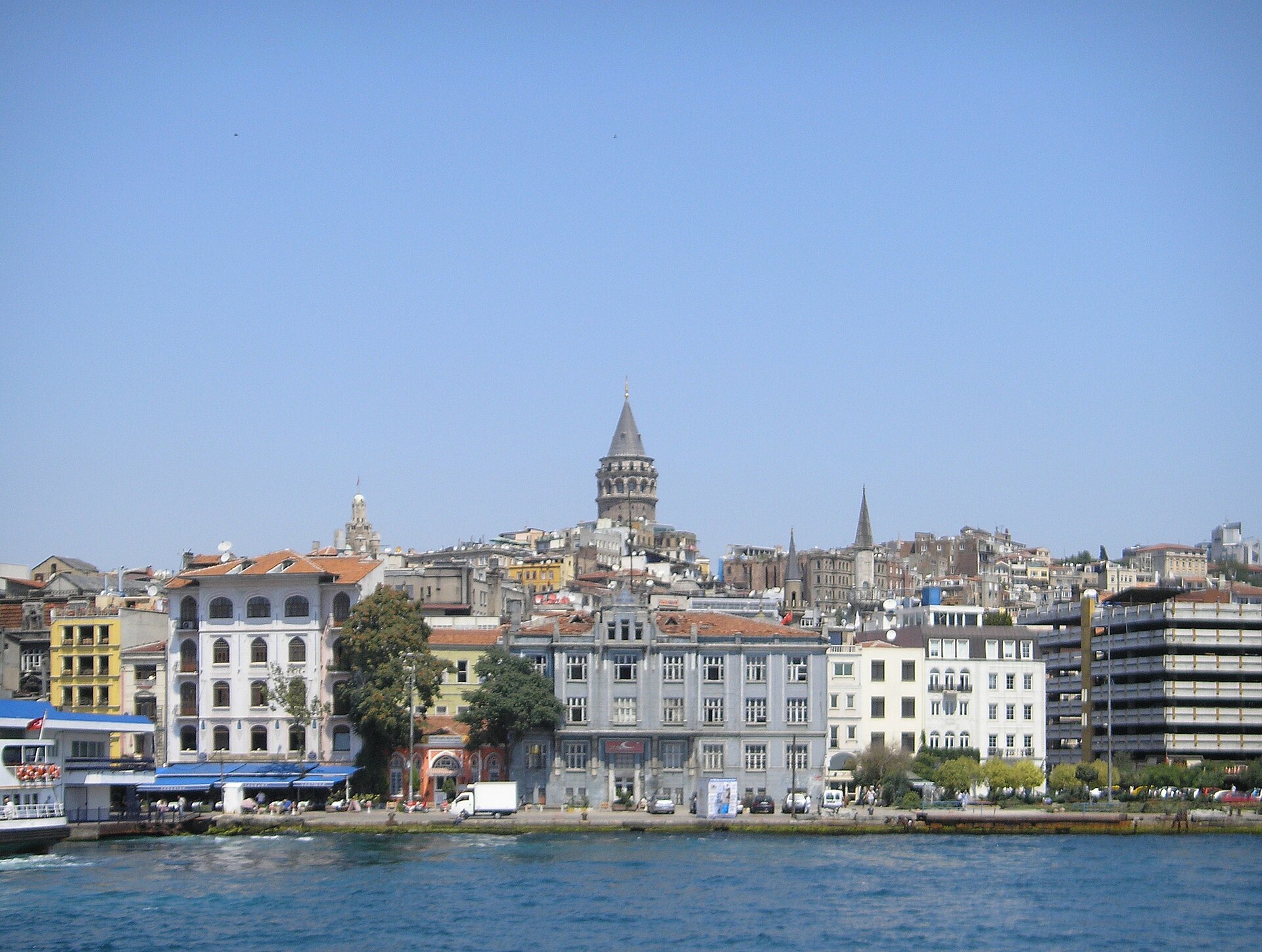
A four-day Istanbul route built around coherent districts, Bosphorus movement and enough space for food and spontaneity.
Read / explore →Istanbul or Athens? Compare scale, daily rhythm, transport and the kind of city break you actually want rather than looking for a universal winner.
Read / explore →Istanbul works exceptionally well without a car when you combine metro, tram, Marmaray, ferries and neighbourhood-based days.
Read / explore →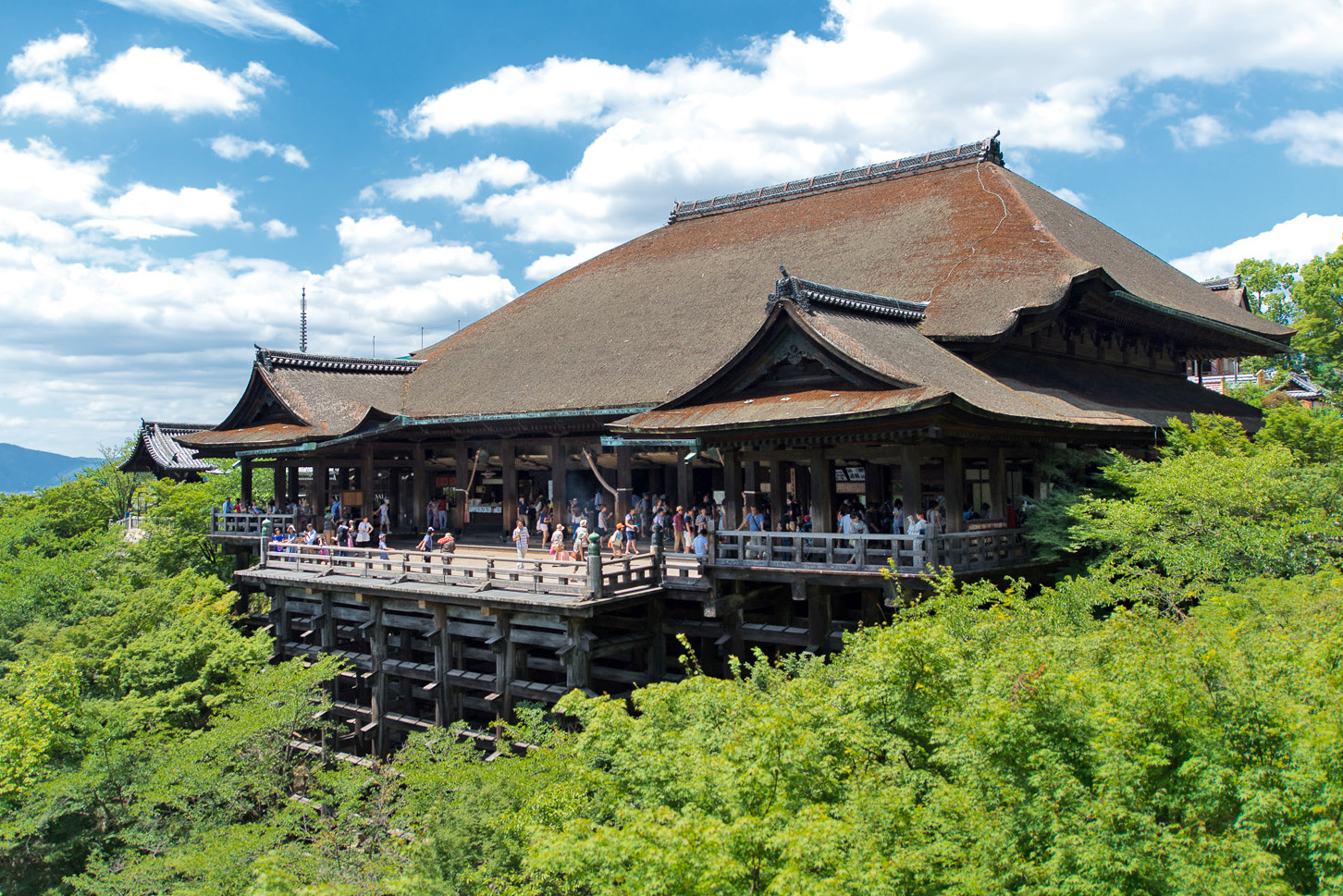
Kyoto changes dramatically outside peak hours: early mornings, later evenings and quieter outer areas can matter more than adding another famous sight.
Read / explore →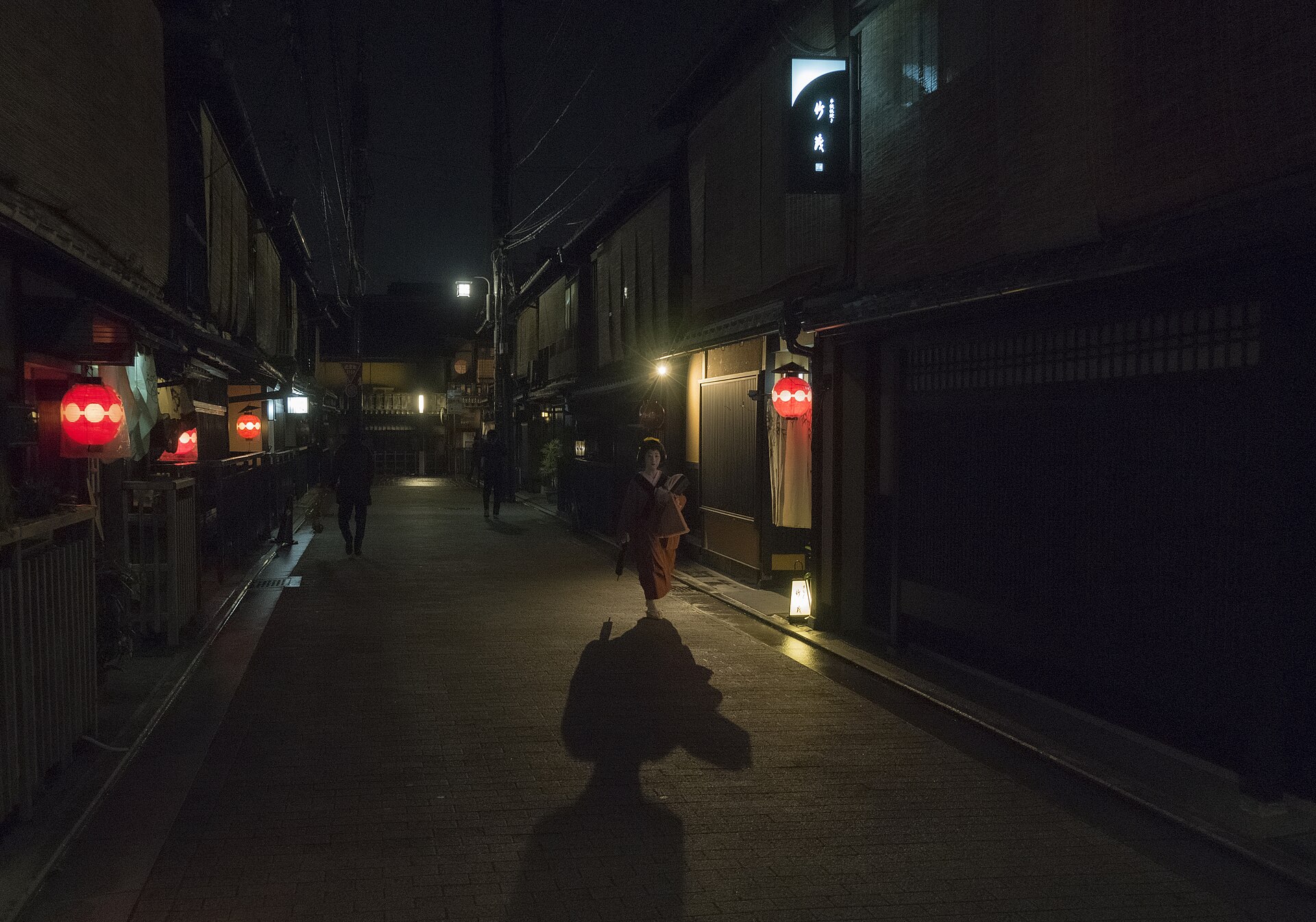
First time in Kyoto? Build around areas and timing, not a temple checklist, and leave space for neighbourhoods, gardens, food and local routine.
Read / explore →A four-day Kyoto route built around distinct areas, quieter timing and enough space for gardens, food and neighbourhood life between the headline heritage.
Read / explore →Kyoto or Tokyo? Compare heritage depth, urban scale, mobility and crowd patterns rather than asking which city is universally better.
Read / explore →Kyoto works very well without a car when you combine walking, rail, subway, buses and cycling with area-based days and careful peak-time planning.
Read / explore →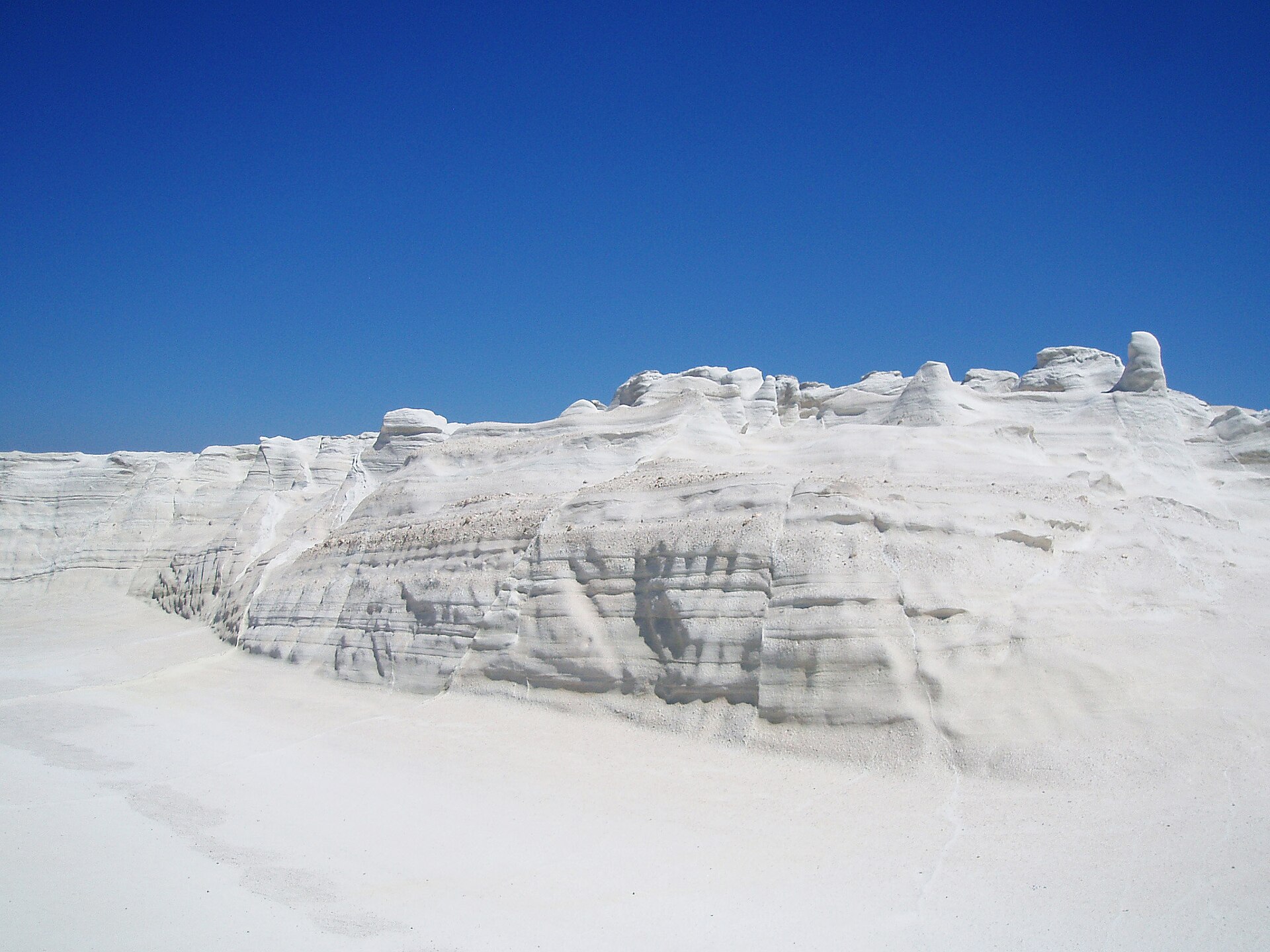
Milos makes most sense from the water: its volcanic coastline, Kleftiko and changing rock forms explain why a boat day is a core part of the island.
Read / explore →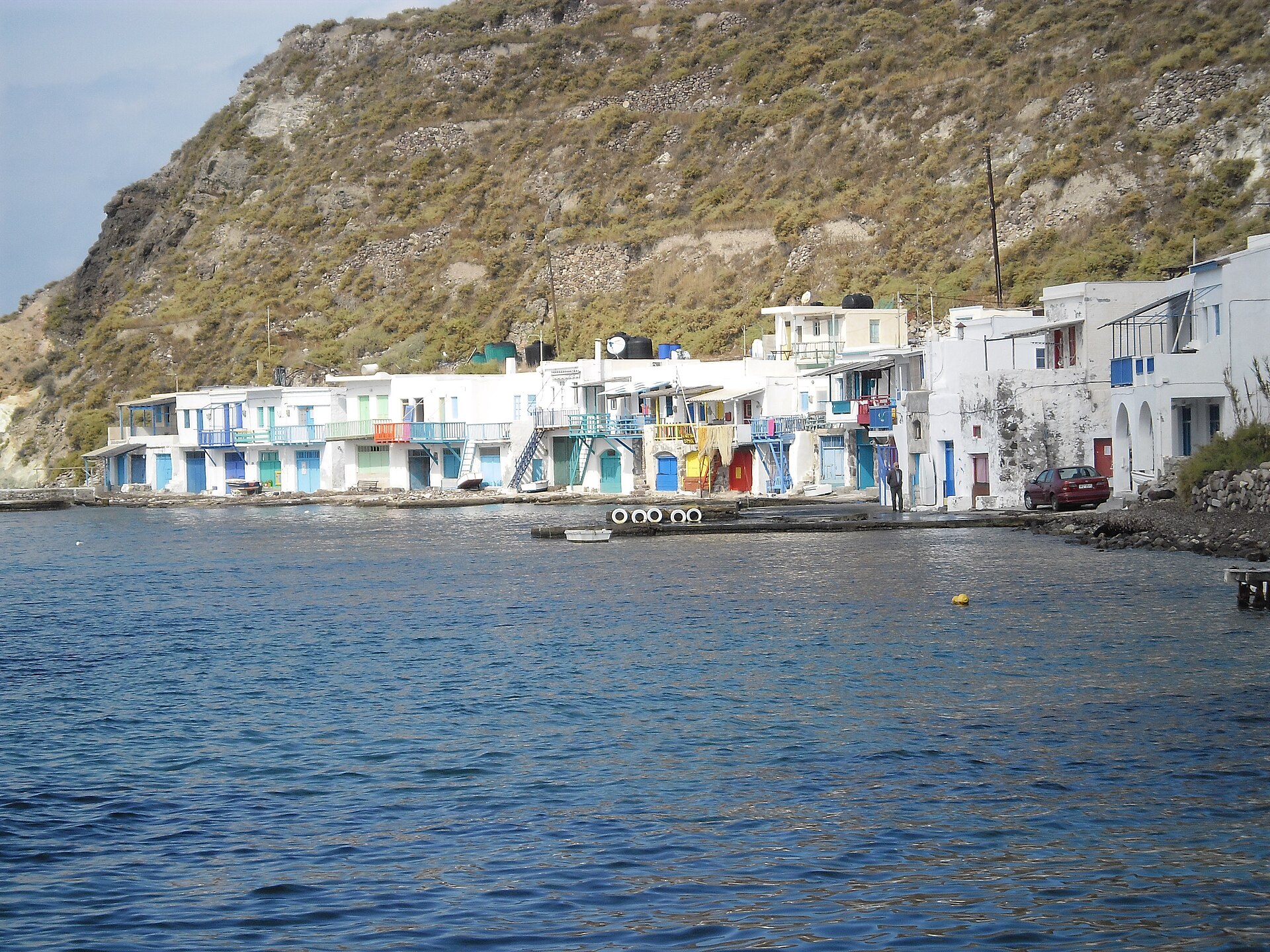
First time in Milos? Give the island four to six nights, choose the right base and balance volcanic beaches with villages and a day on the water.
Read / explore →A five-day Milos route built around volcanic coast, villages, one flexible boat day and enough space for weather and slower island rhythm.
Read / explore →Milos or Paros? Compare volcanic landscape, beach style, mobility and evening rhythm rather than asking which Cycladic island is universally better.
Read / explore →Milos can be explored without driving only with a narrower plan; a car or scooter adds significant flexibility for beaches, villages and changing conditions.
Read / explore →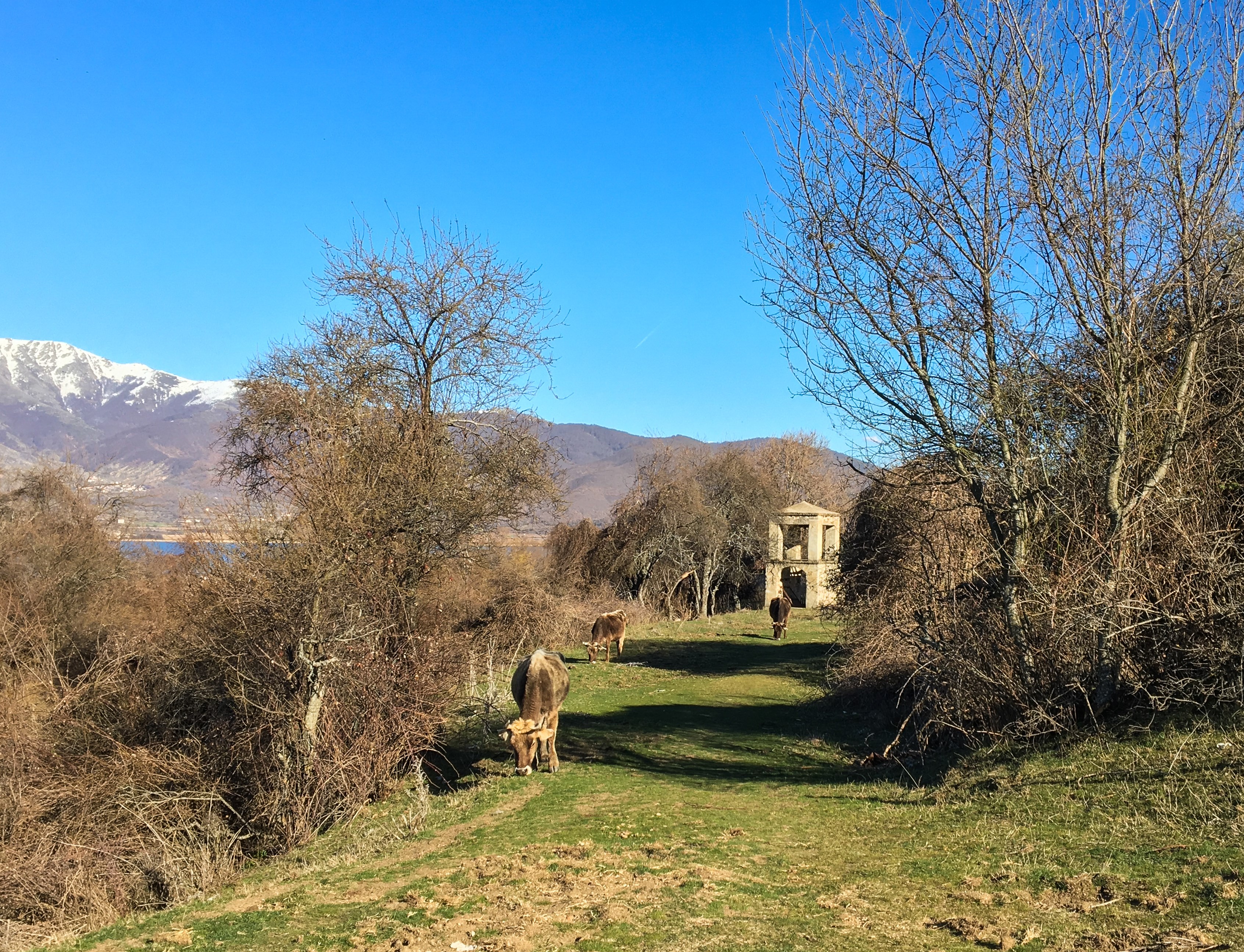
Prespa's signature is a shared borderland landscape: wetlands, pelicans, villages and mountains remain coherent even as the basin crosses Albania, Greece and North Macedonia.
Read / explore →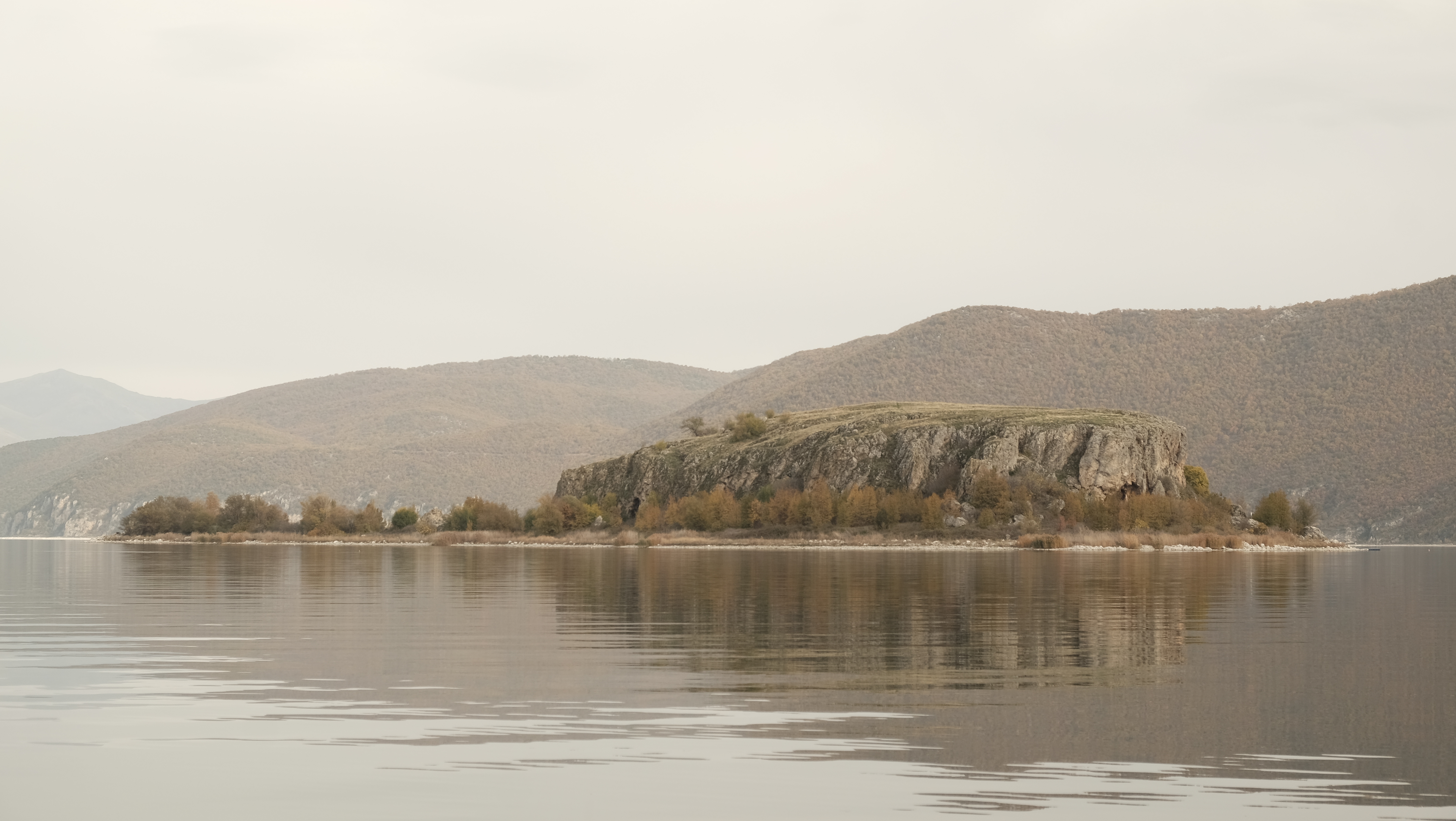
First time in Prespa? Treat the lakes as one slow borderland landscape, choose one strong base and cross borders only when the journey genuinely changes.
Read / explore →A four-day Prespa route should stay deep rather than go wide: one strong base, wetlands and villages, one mountain or heritage day, and no three-country checklist.
Read / explore →Prespa or Lake Ohrid? Compare low-density wetlands and village depth with a more urban, restaurant-rich lake experience rather than asking which lake is universally better.
Read / explore →Prespa is not naturally car-free: self-drive is highly useful because mountains, villages and international borders make short map distances slower in practice.
Read / explore →