
For the core Istanbul trip, a private car usually adds more friction than freedom. The city is large, traffic can be dense and the strongest visitor zones are connected by a mix of rail, tram, metro and ferries. The useful mobility question is not whether Istanbul is car-free, but how to structure days so the network works for you.
Build the trip around public transport

Istanbulkart is valid across major modes including metro, tram, Marmaray, Metrobus and ferries. That gives you several ways to move across a city whose geography is split by water and long urban distances. Use the network as the default, then add taxis or transfers selectively when they genuinely simplify an awkward leg.
Ferries solve geography and improve the journey
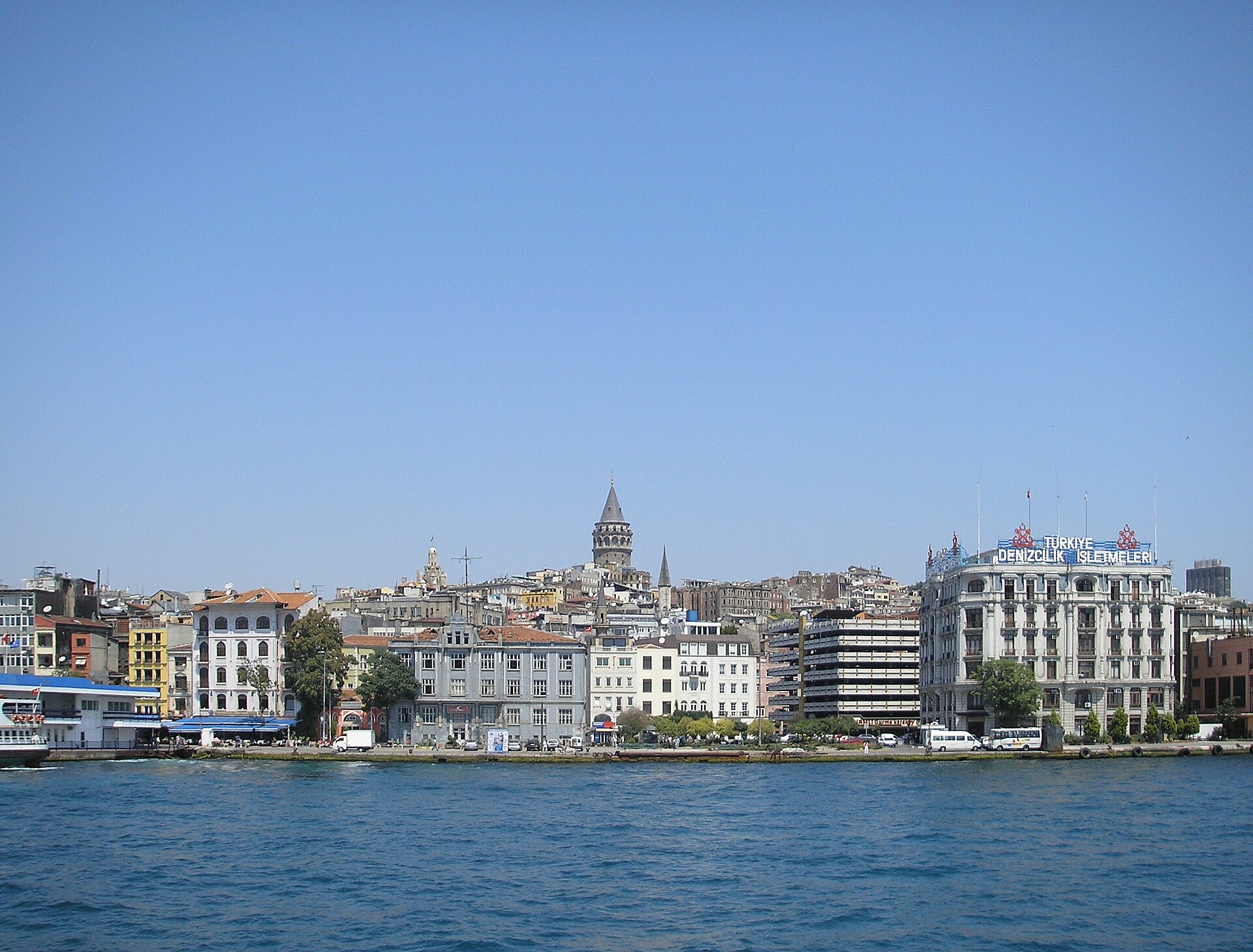
A Bosphorus crossing is not wasted transfer time. It links European and Asian districts while giving the city scale and orientation. If Kadıköy or another waterside neighbourhood is part of the day, the ferry can become the transition between two different urban moods rather than a commute to endure.
Walking works best inside clusters
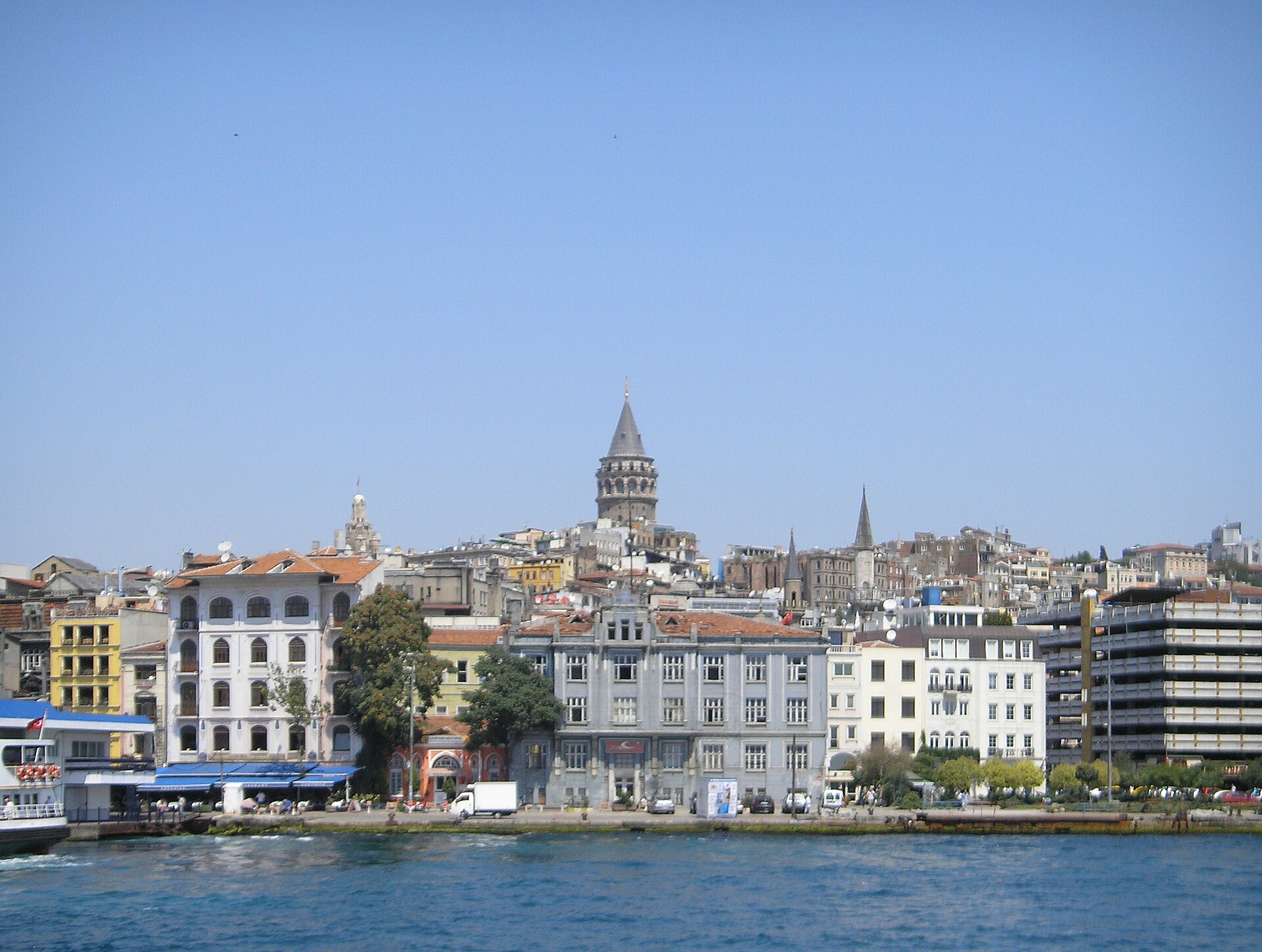
Istanbul rewards walking once you are in the right zone, but it is too large to treat as one continuous pedestrian city. Cluster the historic peninsula, Galata/Beyoğlu and Asian-side neighbourhoods rather than stitching distant sights together on foot. Some streets are steep, so the shortest route is not always the easiest one.
A car is rarely the answer inside the core city
Driving can become useful when your itinerary leaves the dense visitor city and public transport no longer fits the route, but it should be an exception rather than the organising principle of a first Istanbul stay. Parking, congestion and cross-city traffic can erase the flexibility a car was meant to create.
The low-friction rule: one direction per half-day
The best mobility strategy is simple: stop bouncing between sides of the city. Build a morning and afternoon around one geographical direction, use a ferry or rail crossing as a deliberate transition, and let dinner happen near where the day ends. That keeps Istanbul large without making it exhausting.