
Tokyo's food depth is too broad to reduce to a list of famous restaurants. The stronger approach is to let each district contribute its own meal rhythm and mix highly planned dining with casual local eating. Food should deepen the route, not force you to cross the city repeatedly.
Build meals into the district you are already exploring

Tokyo works best when lunch and dinner follow the geography of the day. If you are in one part of the city, find depth there rather than sacrificing two hours to reach a single famous address elsewhere.
Mix specialist places with casual everyday food
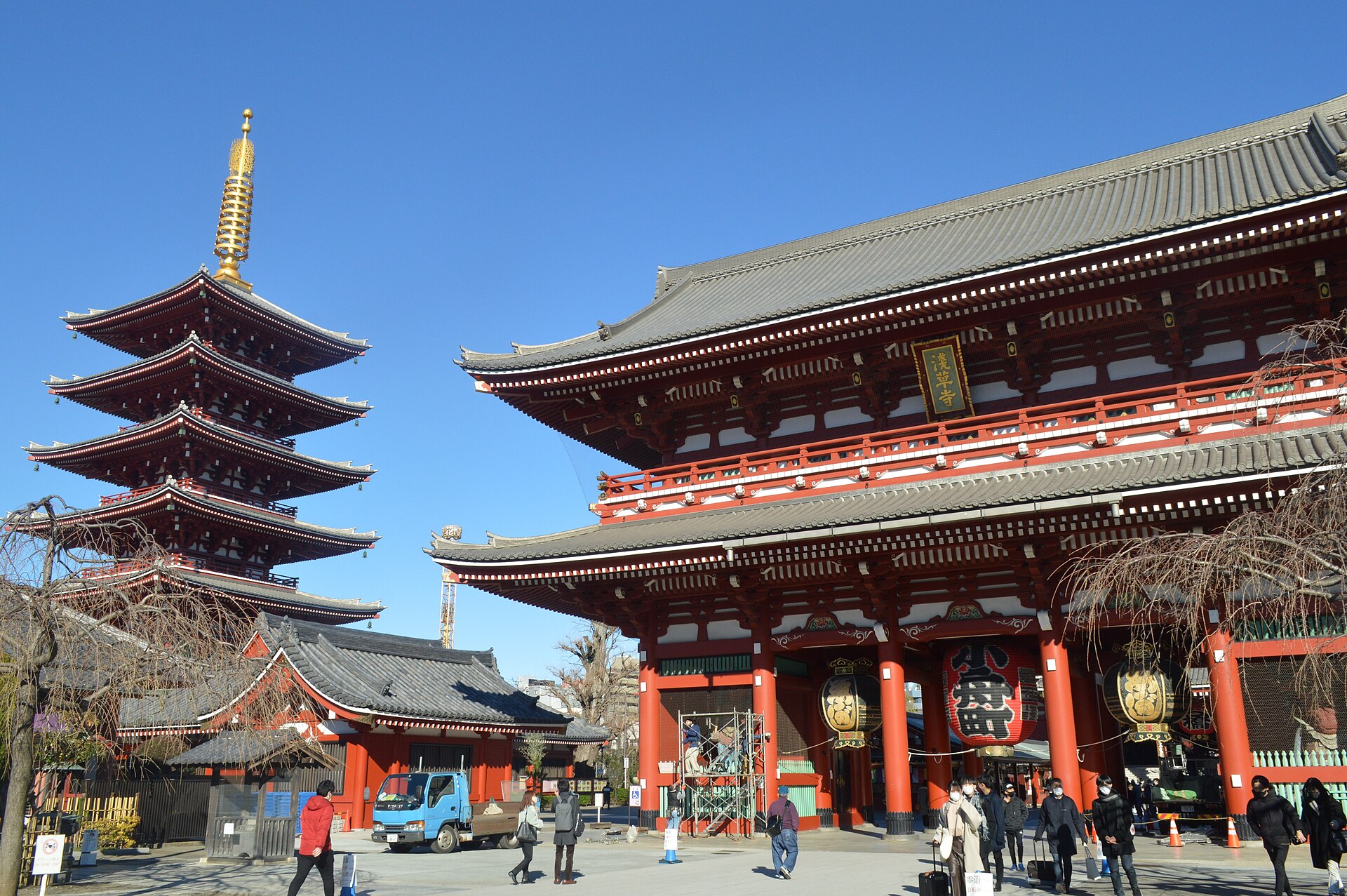
Not every meal needs to be a destination reservation. Specialist counters, neighbourhood restaurants, markets and casual local meals create contrast and leave room for discovery. A food-led trip becomes richer when different levels of formality coexist.
Reserve only what deserves the fixed time
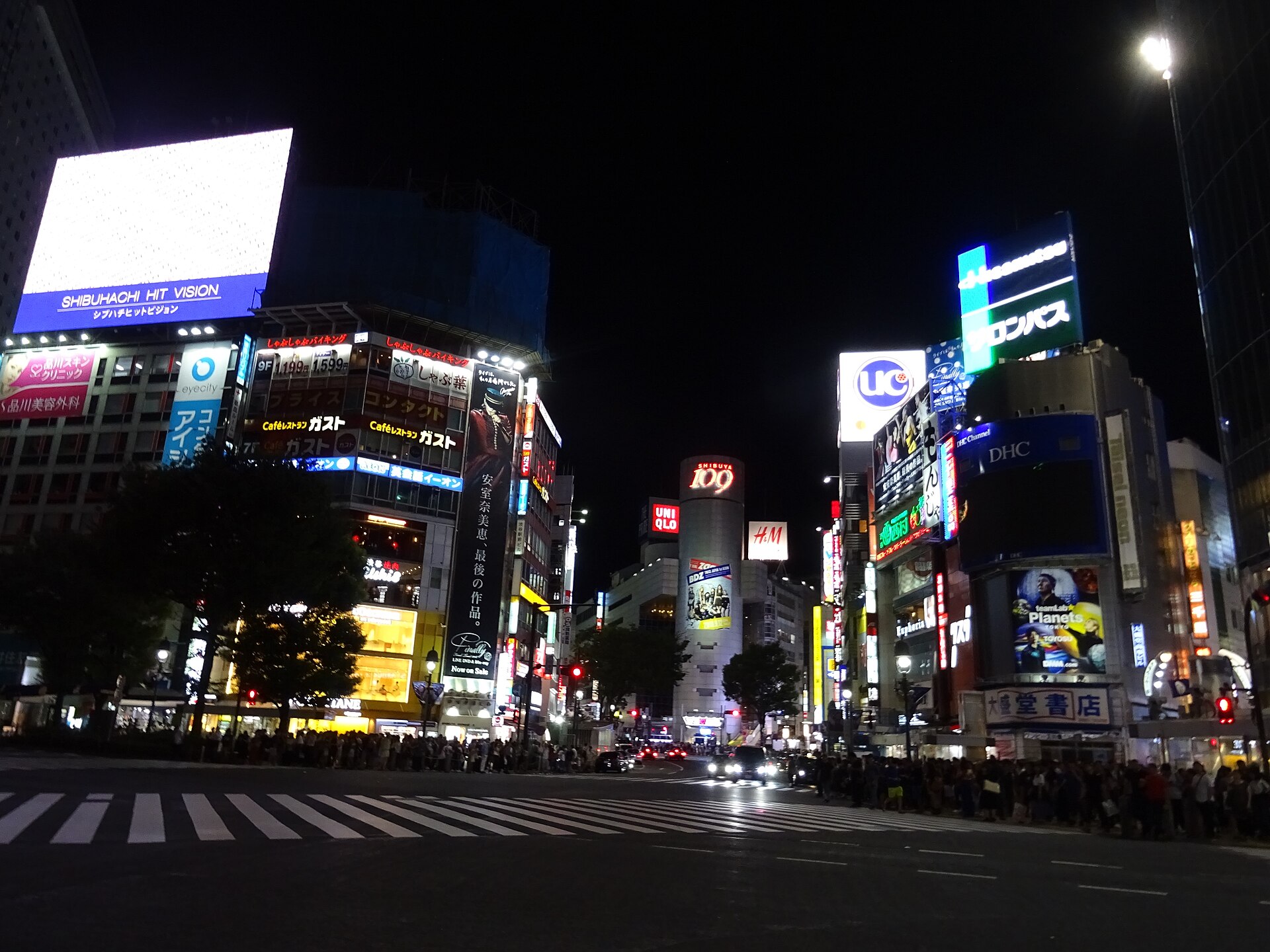
High-demand dining can benefit from planning ahead, but over-reserving can make Tokyo feel rigid. Keep at least one meal per day flexible so the city can influence the plan rather than merely host it.
Use evenings differently across districts
Tokyo has enough evening depth to support very different nights: one might be polished and reservation-led, another casual and neighbourhood-based. Let the area shape the style instead of forcing the same dinner format every evening.
The OREVYON rule: food should improve the journey geometry
A restaurant is not a good fit simply because it is famous. If the reservation pulls the entire day apart, compare it with a strong option near your existing route. In Tokyo, the better meal decision is often the one that keeps the rest of the day coherent.