
Kyoto rewards timing more than accumulation. At famous temples and historic streets, the difference between peak crowd pressure and a calmer hour can completely change how the place feels. OREVYON treats time of day as part of the destination, not merely a scheduling detail.
Early starts are valuable when the place deserves silence

Popular heritage sites can feel fundamentally different before visitor pressure builds. Use early hours selectively for the places where atmosphere, gardens, architecture or quiet observation matter most. Do not wake early simply to collect more stops.
Later hours can restore neighbourhood rhythm
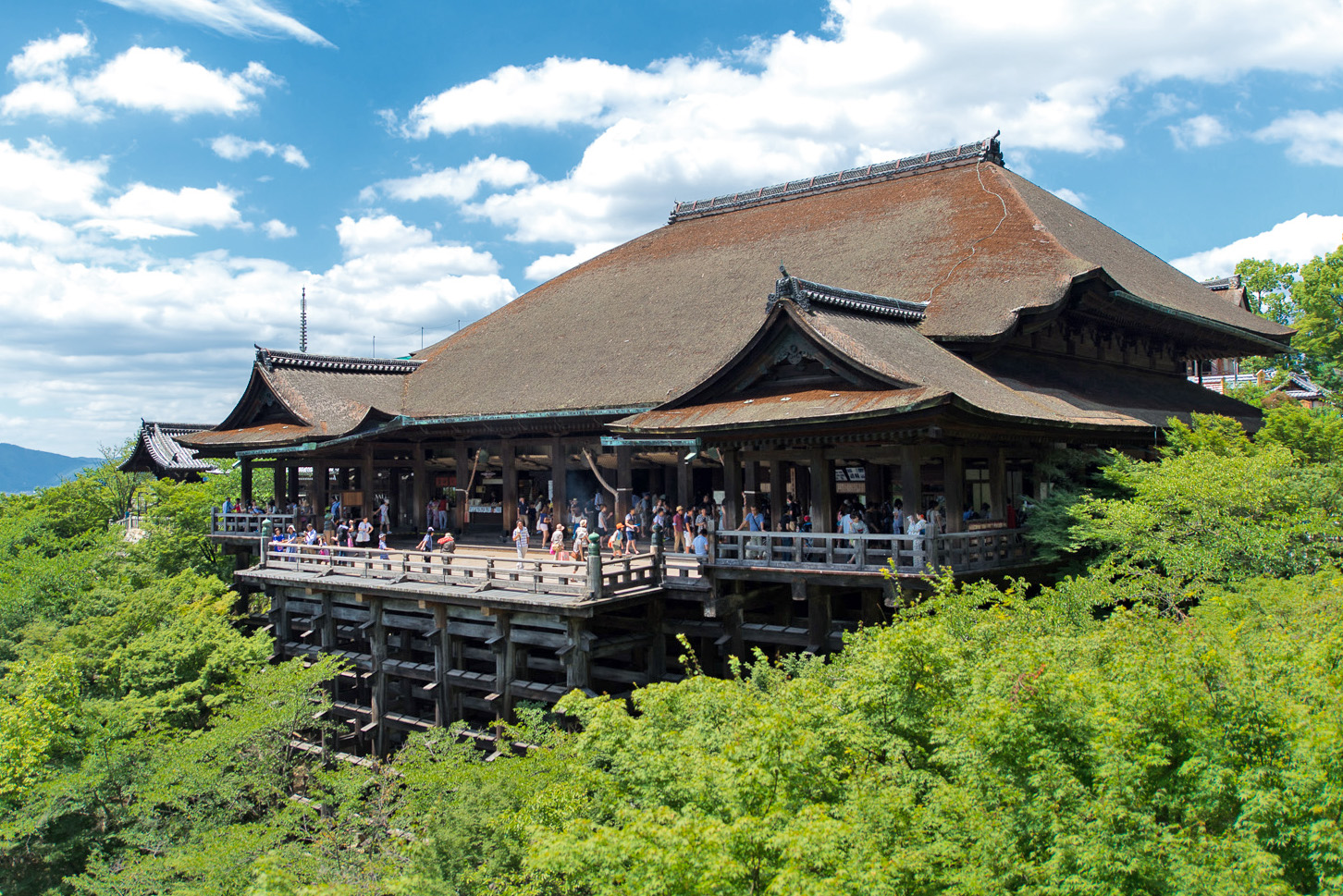
As day visitors thin out, some districts become easier to read as lived-in places rather than visitor corridors. This is particularly valuable in areas close to residential streets, where considerate movement matters throughout the day.
Outer areas are not consolation prizes
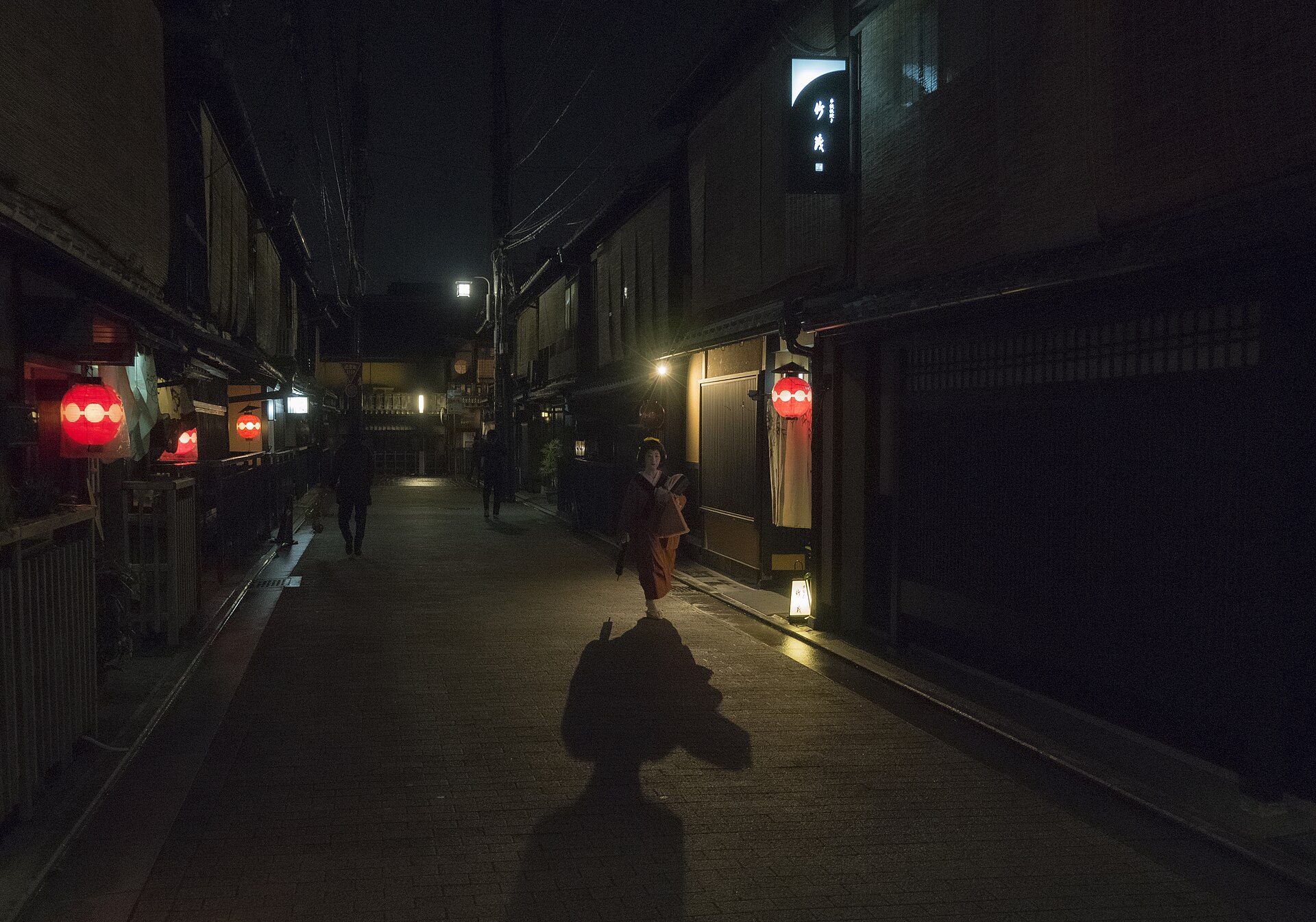
Kyoto's official visitor guidance highlights distinct areas across the city, not only the most famous central and eastern sites. Quieter northern, western or southern zones can add cultural depth while reducing the sense that every meaningful experience happens in the same crowded corridor.
Timing should protect residents as well as travellers
Many attractions sit close to residential areas. A better visitor experience should not come at the cost of local life. Keep noise, photography and movement considerate and avoid treating neighbourhoods as open-air sets.
Build one quiet window into every Kyoto day
That quiet window might be an early garden, a later walk, a smaller temple area or simply a slow meal away from the main visitor flow. The principle is more important than the exact place: Kyoto becomes deeper when the itinerary leaves space for observation.