
A car is unnecessary for the core Kyoto stay. Walking, rail, subway, buses and cycling can cover the main visitor city, but the system works best when the itinerary is built around areas rather than distant individual sights. Peak-time pressure can slow popular corridors, so good geography matters more than adding transport options.
Use rail and subway for the larger moves

Rail and subway are valuable when they align with your area plan. Use them to shift between major zones, then spend more time on foot once you arrive. This reduces the temptation to build a day around repeated transfers.
Walking is strongest inside coherent districts
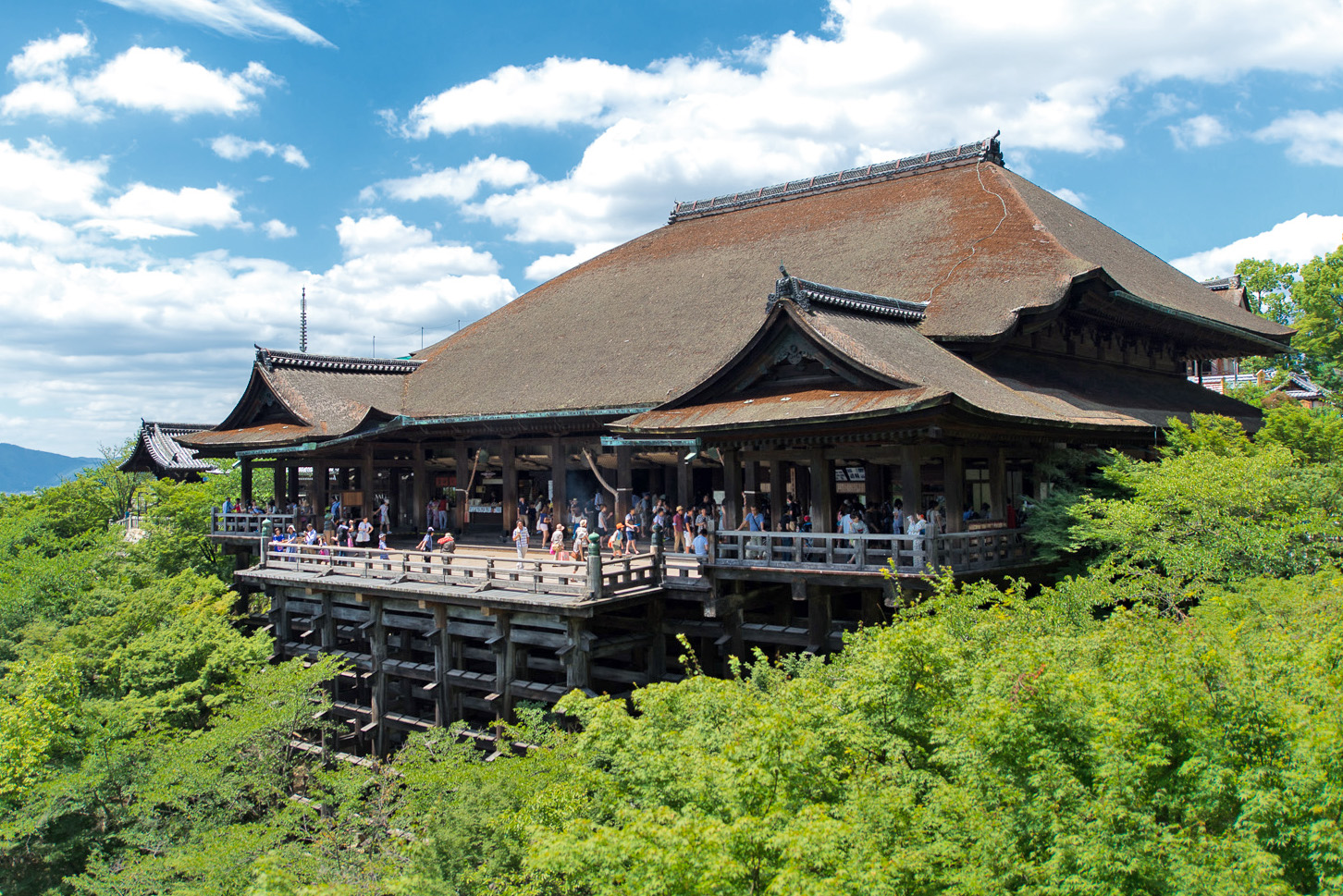
Kyoto rewards walking through temple areas, neighbourhood streets and cultural zones, but not every famous site belongs to the same walk. Treat eastern, central, western, northern and southern Kyoto as separate chapters rather than one continuous route.
Buses help, but should not define every day
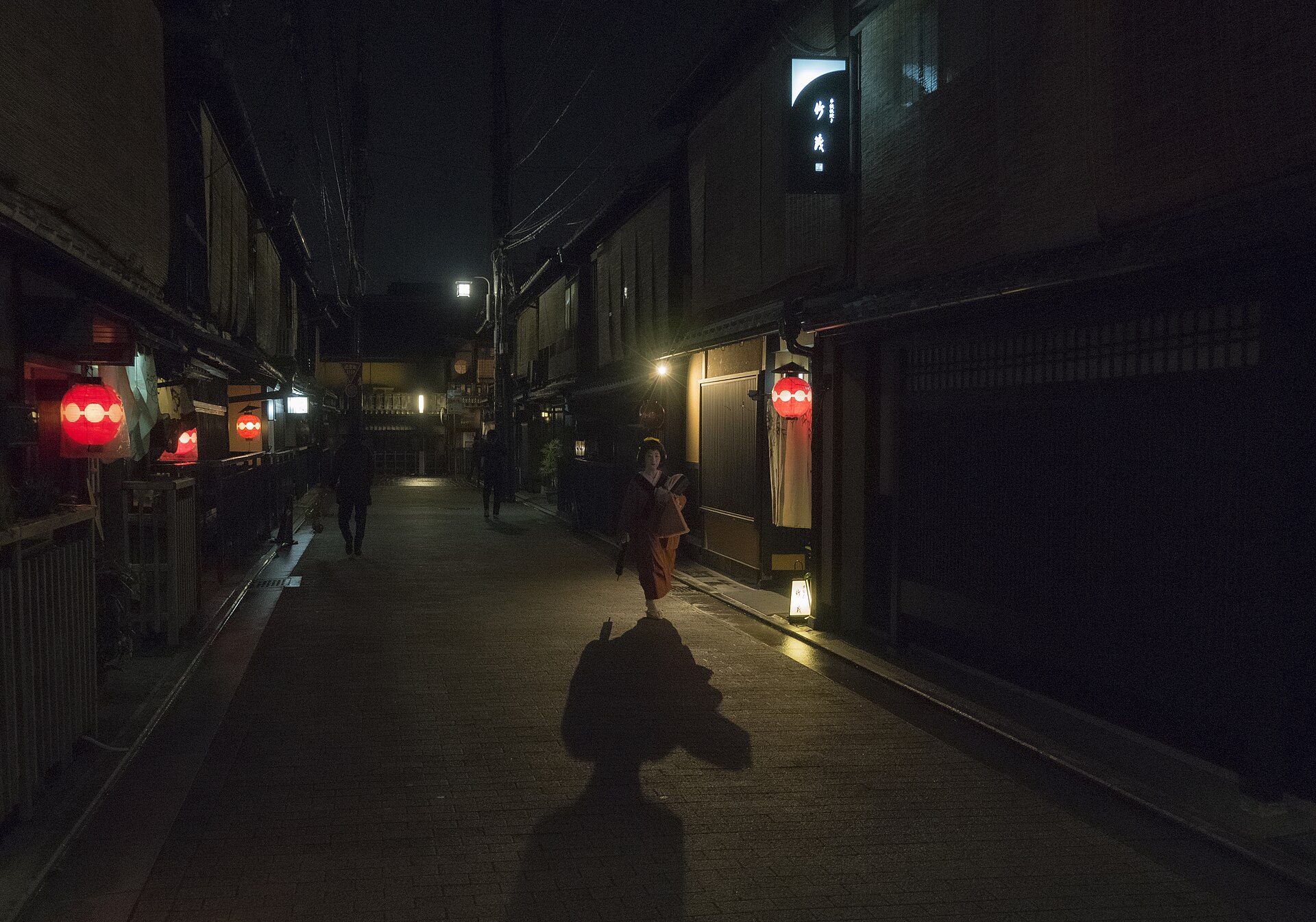
Buses fill important gaps, yet popular corridors can become slow at peak times. A good plan avoids chaining several crowd-sensitive bus legs together when rail, walking or a different sequence could make the day calmer.
Cycling can add flexibility where it fits
For suitable travellers and routes, cycling can connect neighbourhoods efficiently and create a more local rhythm. It should remain a tool rather than a requirement, especially when weather, traffic or personal comfort make walking and transit easier.
A car only becomes relevant outside the core logic
Private driving may help on itineraries that deliberately reach beyond the main city network, but for a first Kyoto stay it usually adds more complexity than value. The stronger solution is better clustering, not more vehicle choice.