
Istanbul is easier to love when you stop treating it as one compact centre. The city stretches across the Bosphorus, its strongest experiences are spread between historic districts, waterfronts and neighbourhoods, and the scale can punish an over-packed plan. For a first visit, OREVYON would solve the structure before the sightseeing list: choose the right base, allow enough days, use public transport and ferries as part of the trip, and leave space for food and neighbourhood life.
Start with four to seven days, not a checklist

Four to seven days is a useful first-visit range. At the shorter end, focus on a few coherent zones and accept that Istanbul will remain unfinished. With more time, you can slow the rhythm, cross the Bosphorus more deliberately and give evenings their own identity. The mistake is not seeing too little; it is spending the trip repeatedly crossing the city to collect disconnected sights.
Choose the side of the city you want to wake up in
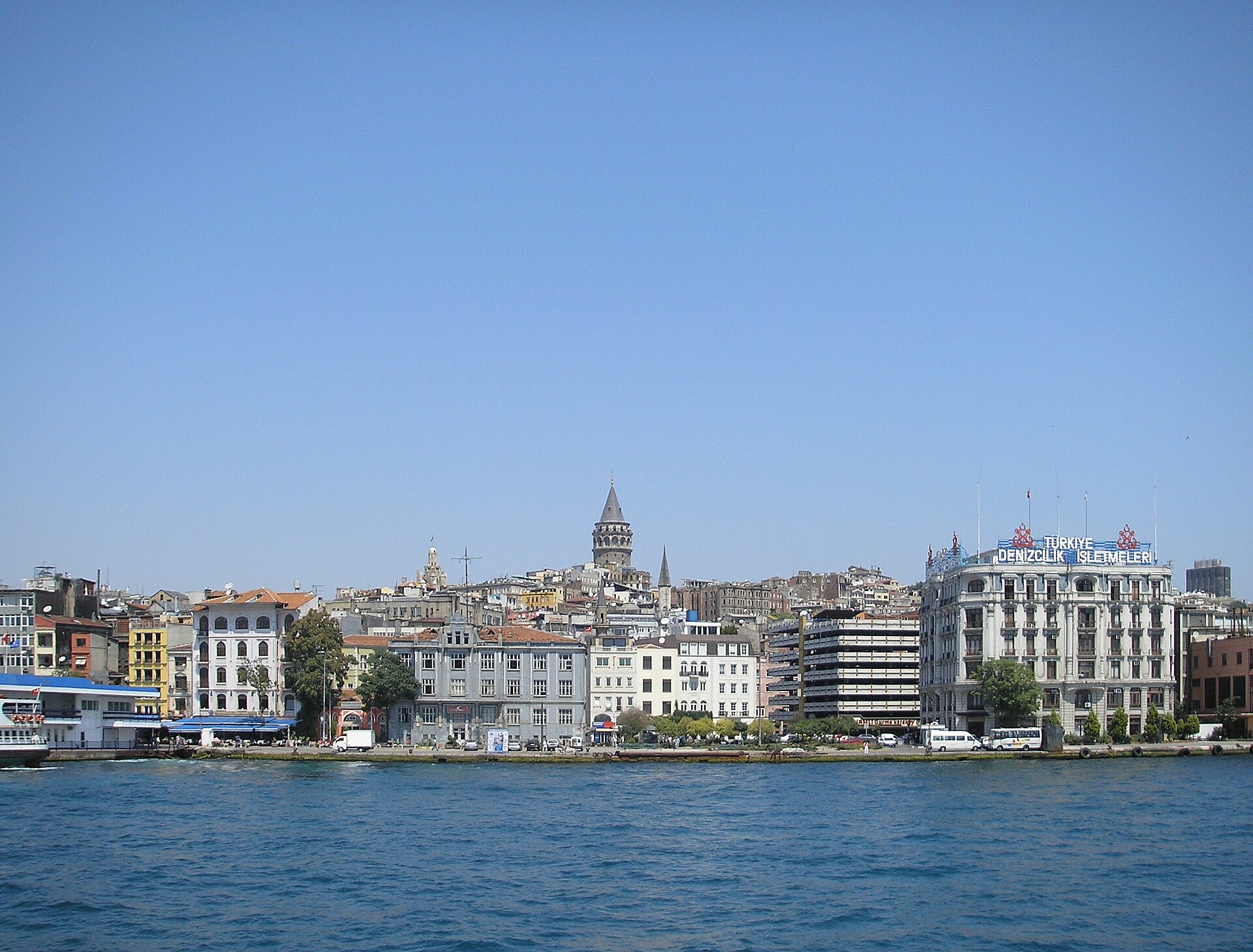
Sultanahmet and the historic peninsula make the headline monuments easy to reach. Beyoğlu and Galata put you closer to a layered urban rhythm of streets, food and evenings. Kadıköy on the Asian side works for travellers who want neighbourhood life to be part of the experience rather than something added after sightseeing. There is no universal best base: the right one reduces the movements you care least about.
Treat ferries and transit as part of Istanbul
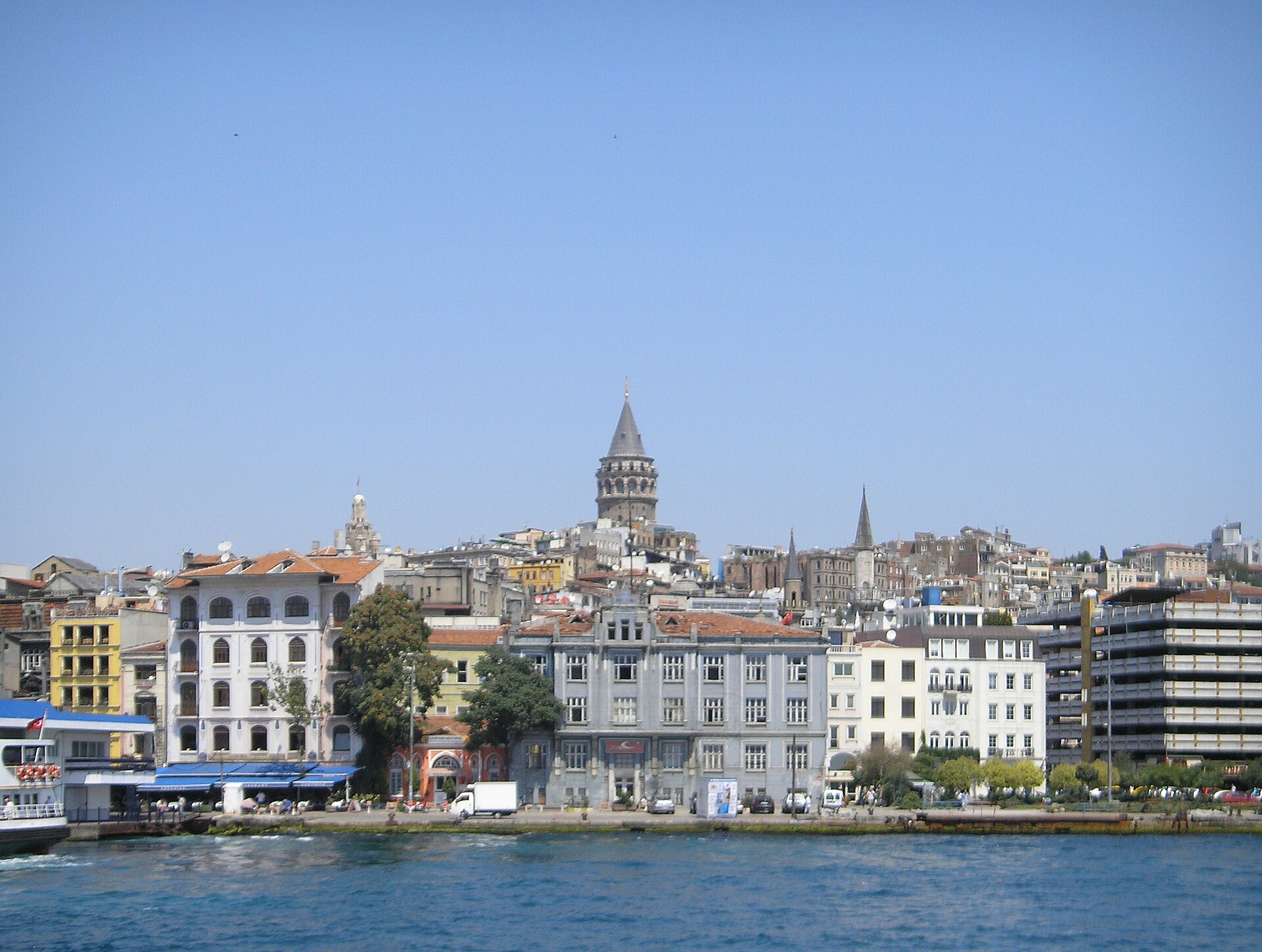
A car is unnecessary for the core city trip. Istanbulkart is used across major public transport modes including metro, tram, Marmaray, Metrobus and ferries. That network matters because the Bosphorus is not merely an obstacle to cross: a ferry ride changes the perspective and naturally connects different halves of a day.
Let food shape the day
Istanbul's food depth is strong enough to influence where you spend time. Street foods such as simit and balık ekmek sit alongside meze and a much broader restaurant culture. Plan meals around the neighbourhood you are already exploring instead of turning every recommendation into another cross-city transfer.
Know the friction before it becomes the trip
Peak crowds at major sights, steep streets in some areas and the sheer scale of the city are the main planning frictions. None is a reason to avoid Istanbul, but all reward a calmer structure. Give high-demand sights a deliberate place in the day, cluster the rest geographically and keep at least one half-day flexible. Istanbul is strongest when the trip feels layered rather than completed.