Travellers often ask how many nights a destination deserves as if there were one correct number. There usually is not.
Three nights can feel generous in one place and rushed in another. Five nights can create depth — or simply repeat the same pattern. The useful question is not how many attractions exist. It is how much usable time the trip needs to behave the way you want it to behave.
OREVYON treats duration as a design decision. Start with the rhythm, geography and friction of the trip, then decide how many nights support that shape.
Count usable days, not hotel nights
A four-night trip is not automatically four days in the destination. A late arrival can turn night one into little more than check-in. An early flight home can remove most of the final day. Transfers, luggage and airport time belong to the trip too.
Before deciding whether a stay is long enough, sketch the time you can actually use. If the first meaningful morning starts on day two and the last useful afternoon ends on day four, the trip has three real travel days regardless of how many hotel nights appear on the booking.
Measure the trip in usable mornings, afternoons and evenings.
Which arrival and departure periods are genuinely available to enjoy?
Cheap flight times can quietly shorten a trip more than one missing hotel night.
Count different travel modes, not different sights
A destination becomes longer when it contains experiences that cannot comfortably live inside the same day.
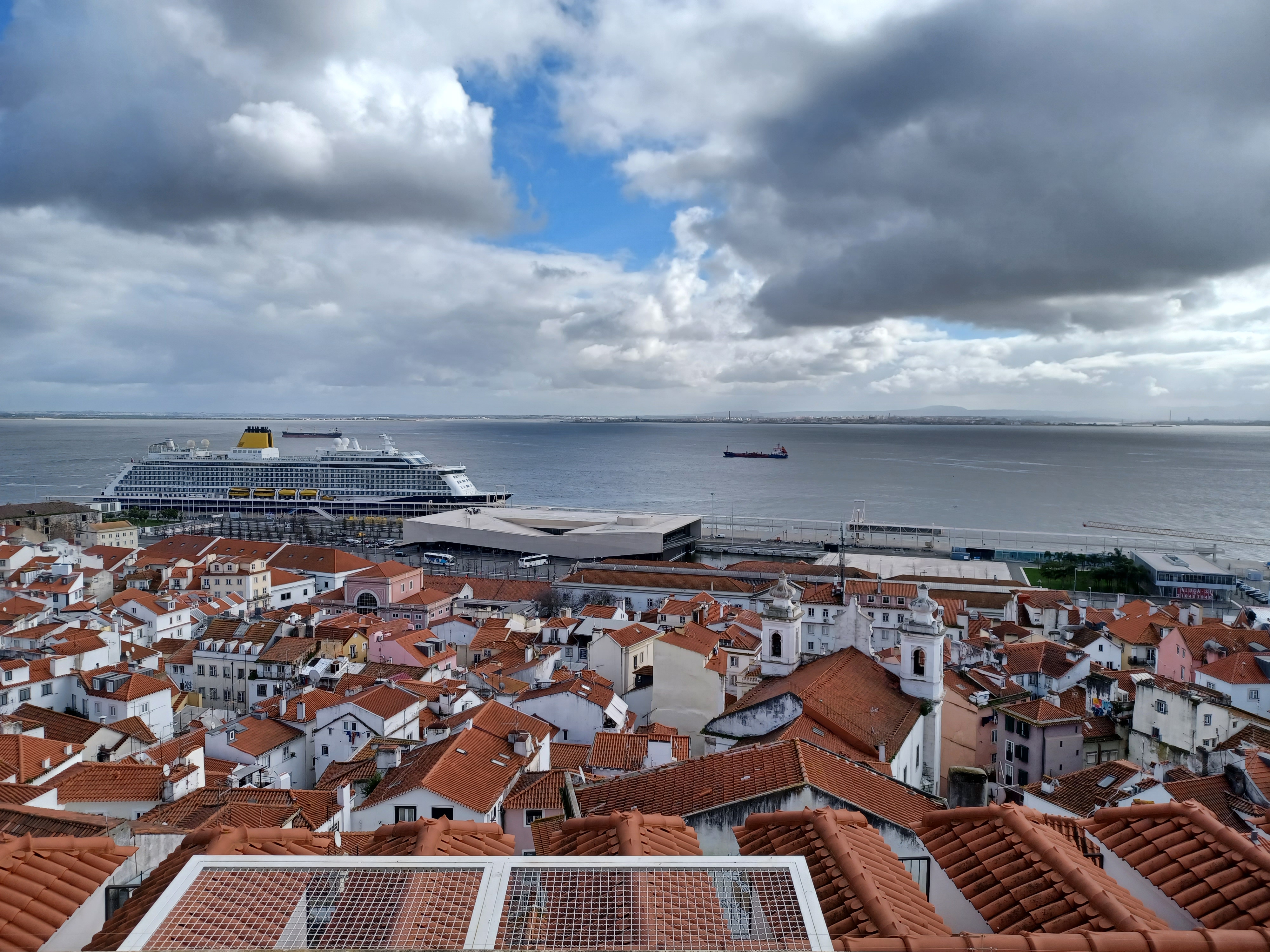
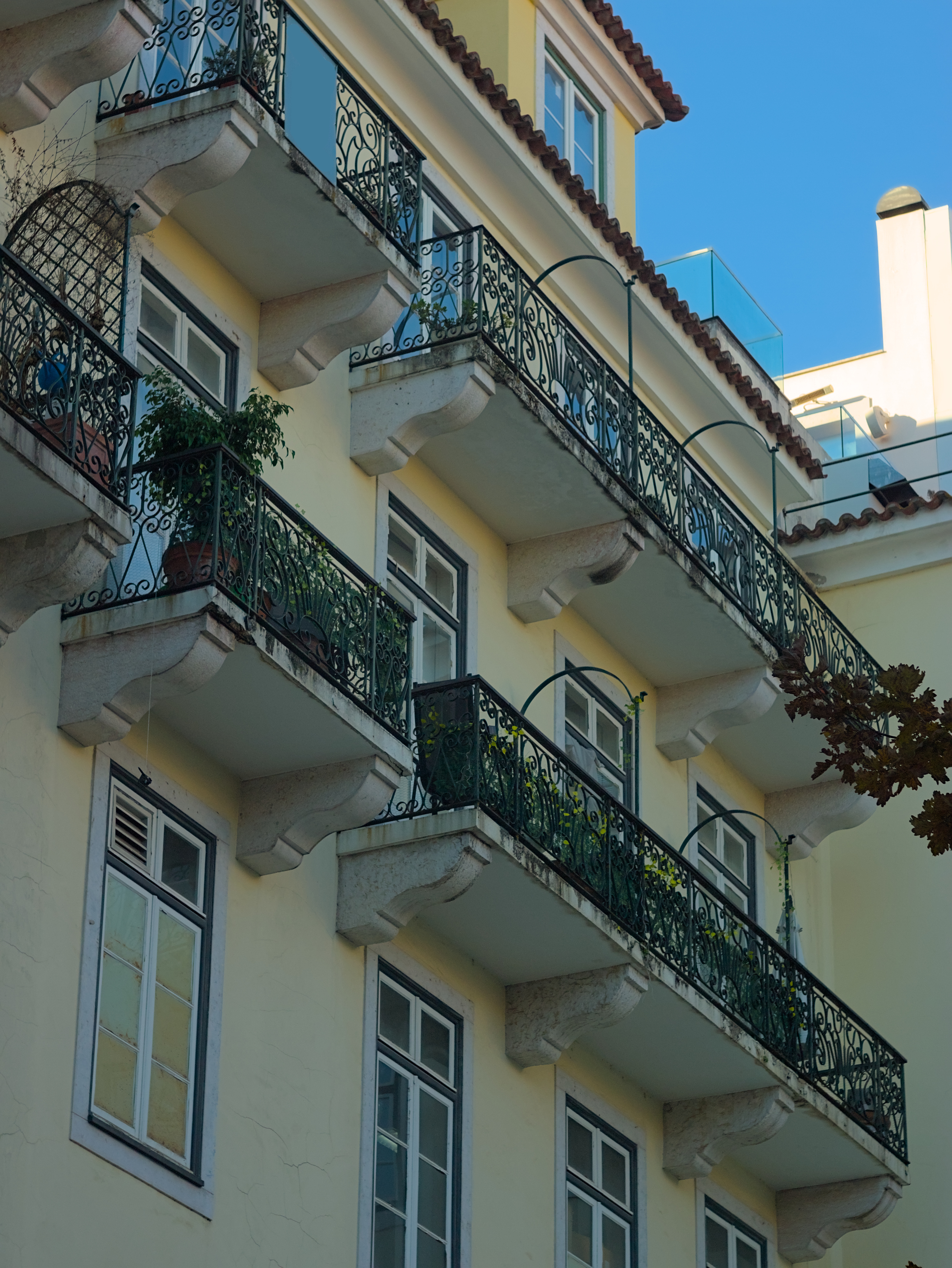
Lisbon illustrates the difference. Alfama and the central neighbourhoods can belong to one urban rhythm; Belém has a more distinct western riverside layer; adding Sintra changes the trip again. Those are not simply three more pins on a map. They ask for different movement, timing and attention.
If your wish list contains several places that each deserve their own pace, add time for the change of mode rather than squeezing more stops into the same day.
Add time when the trip changes character, not every time you add an attraction.
How many genuinely different kinds of day am I trying to fit in?
A day trip can consume the space you thought belonged to the city itself.
Give geographically spread destinations room to breathe
Nature-led destinations often look deceptively simple because the headline sights fit on one island or inside one region.
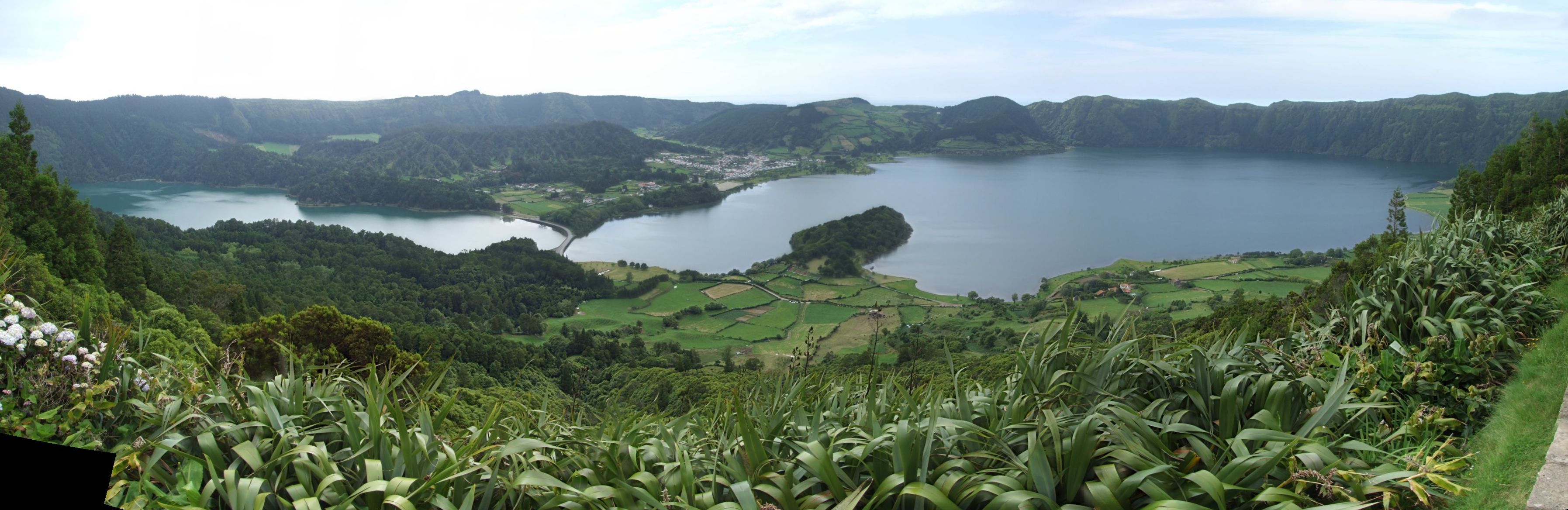
São Miguel is the largest island in the Azores. A trip can move between Sete Cidades, Lagoa do Fogo, Furnas and the island's towns and coasts. Furnas alone creates a very different landscape around a volcanic valley, hot springs and lake. The point of an extra day here is not necessarily to add another sight; it can be to stop turning every day into a transfer chain.
Geographic spread matters even when individual drives look manageable. Repeating them every morning and evening changes the energy of the trip.
Repeated movement matters more than the longest single transfer.
Will I cross the same part of the destination again and again?
A full itinerary can hide the fact that half the day is being spent between experiences.
Let neighbourhood depth earn an extra day
Cities do not only need time for museums and landmarks. Some need time because their neighbourhoods become the experience.
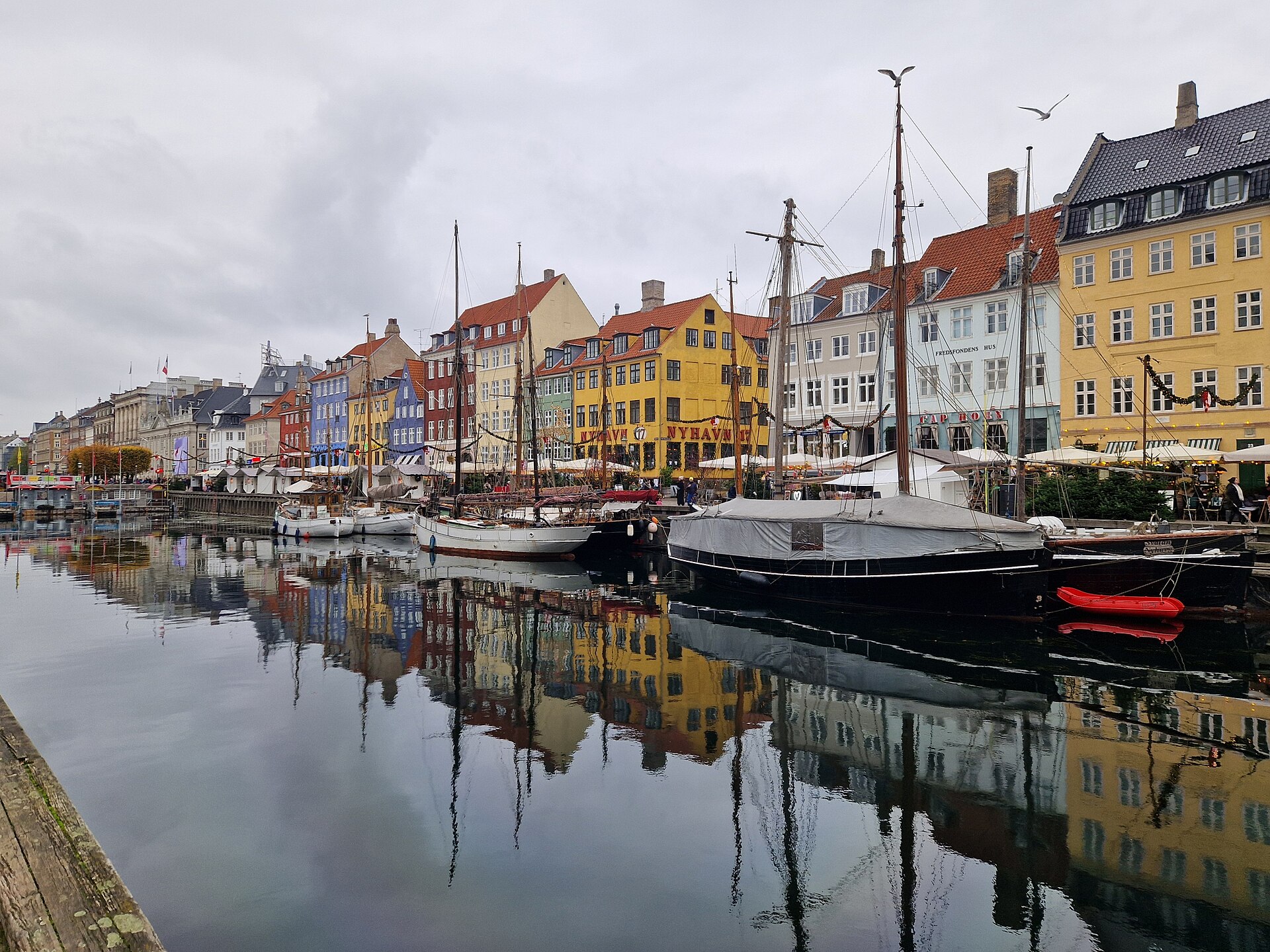
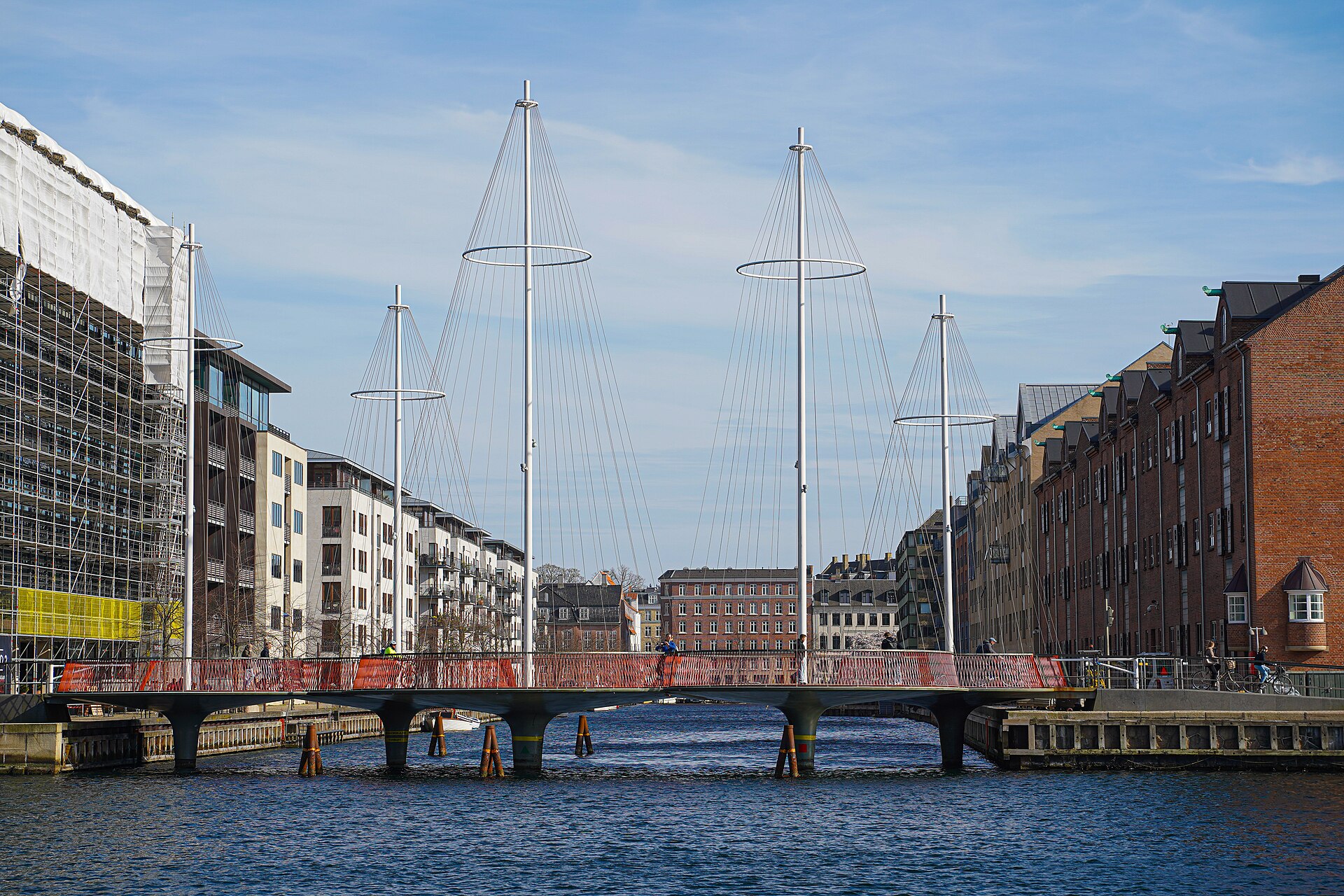
Visit Copenhagen presents Vesterbro, Nørrebro, Christianshavn, Frederiksberg and other districts as places with genuinely different identities. A short stay can cover the classics. A longer one lets you stop crossing neighbourhoods only to consume a highlight and start returning to places because you liked the street, the café, the evening or the local rhythm.
That repeated behaviour is often where a city changes from something you saw into somewhere you briefly lived.
Add a day when repetition itself has value.
Do I want to revisit a neighbourhood, restaurant or waterfront rather than constantly move on?
If every meal and evening is scheduled around sightseeing, the city may never get a chance to feel local.
A base change must earn the time it costs
Changing hotels is not free time. Packing, checking out, moving luggage, waiting and checking in again all consume attention even when the distance is small.
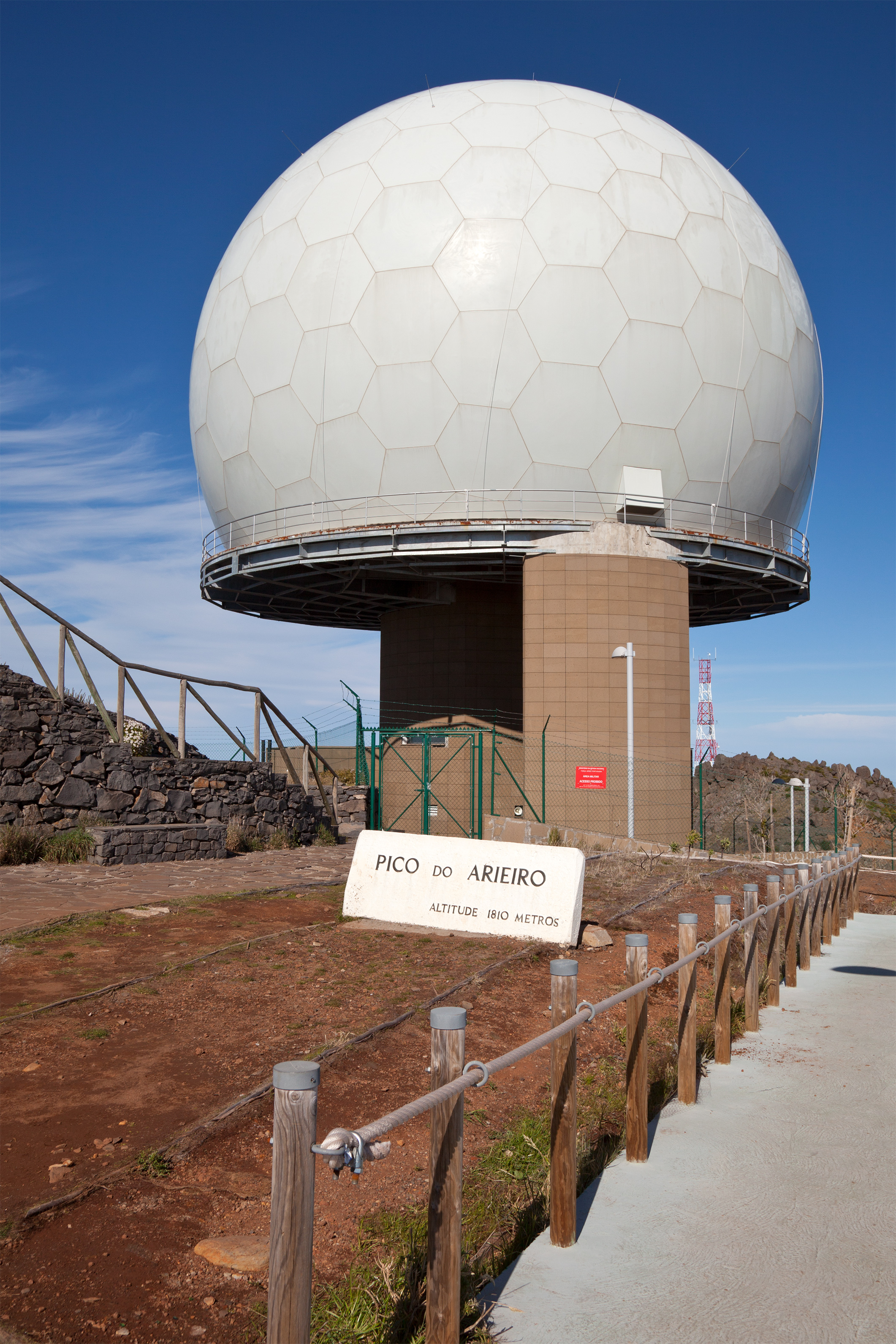
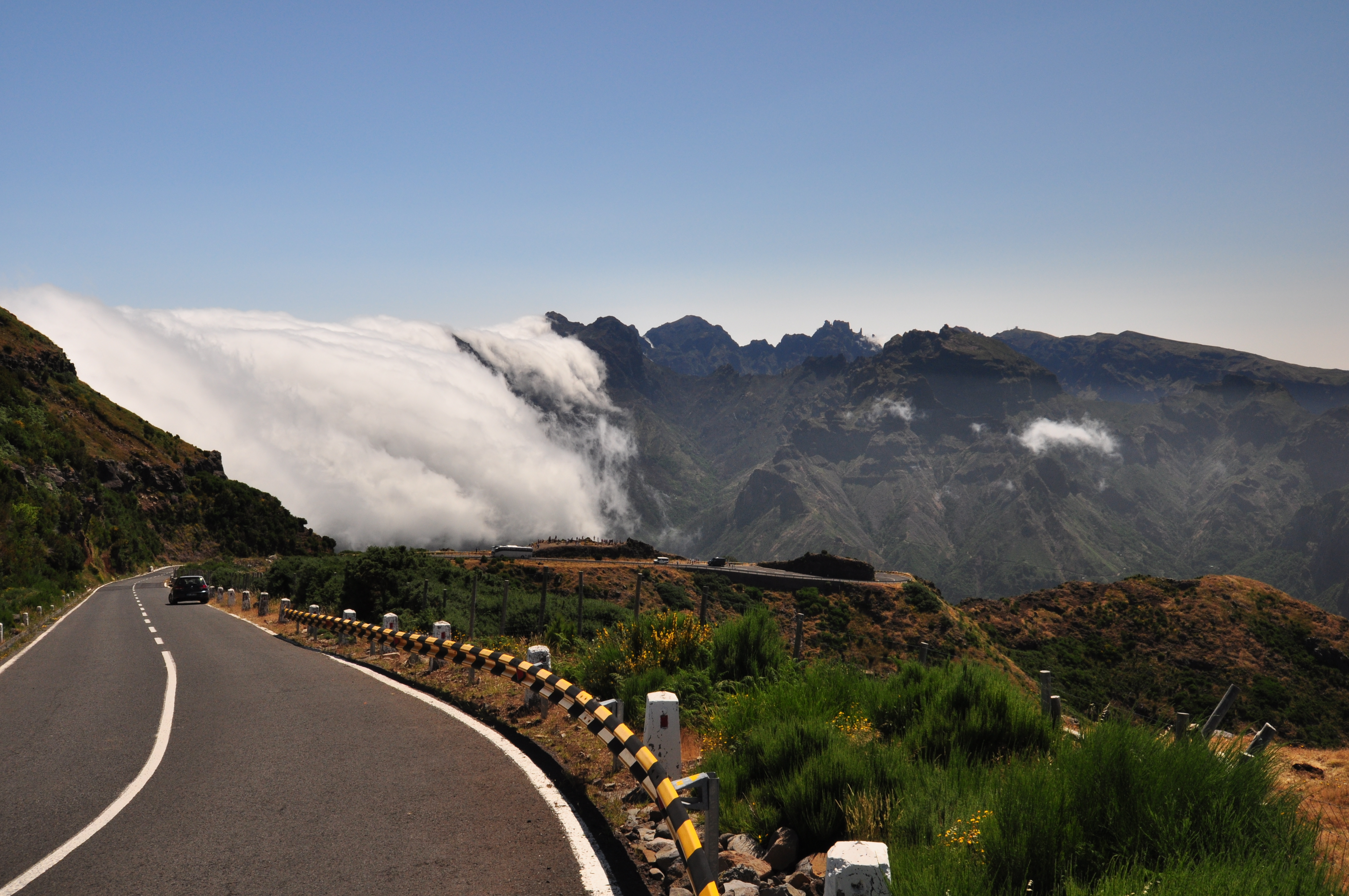
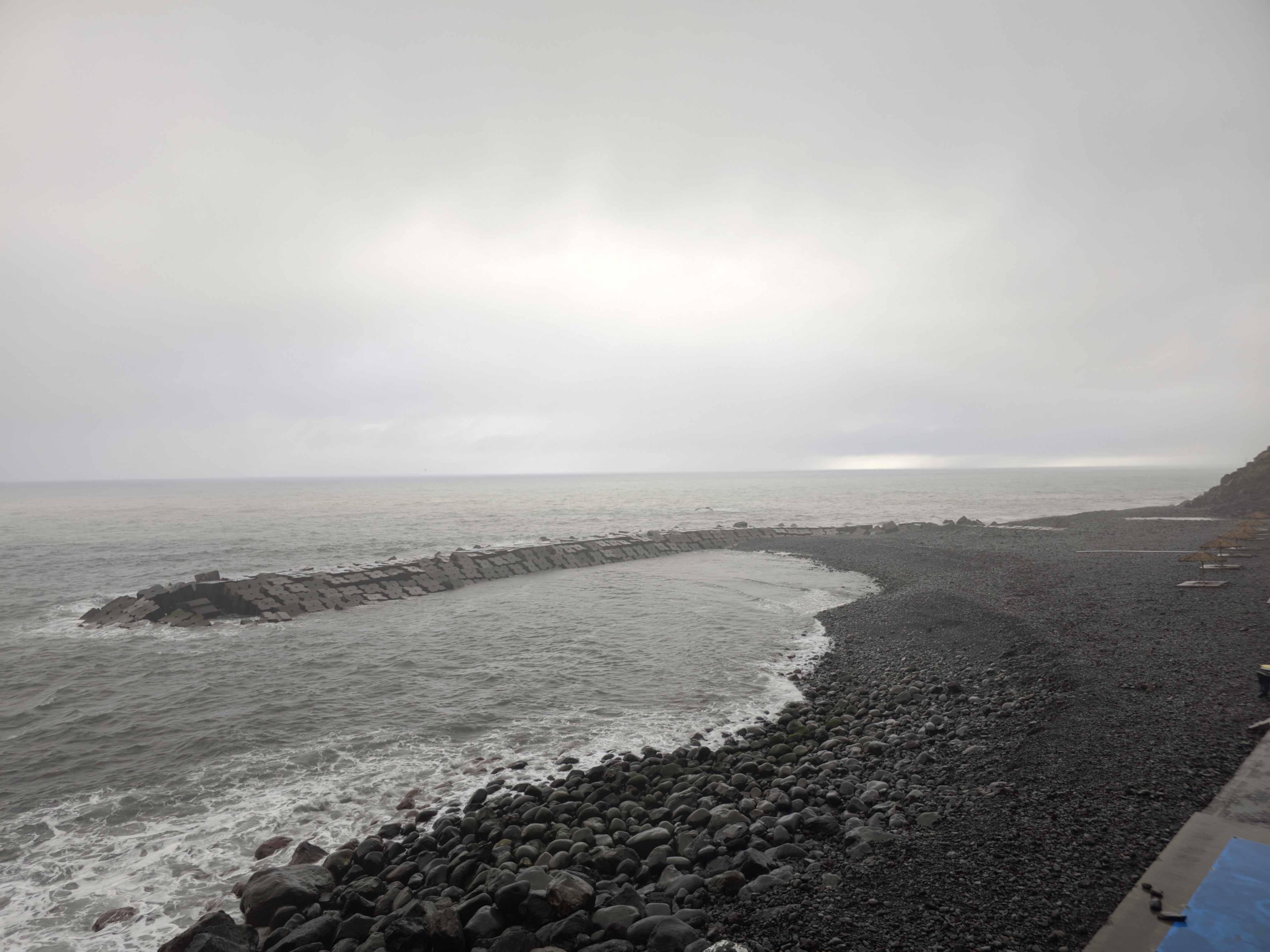
Madeira shows why the trade-off can still be worth it. The north coast has a different landscape logic around places such as Porto Moniz, São Vicente and Santana, with Laurissilva, cliffs, waterfalls and volcanic coastal features. A second base can therefore change the mornings and evenings of the trip, not merely shorten a route.
If a split stay only saves a little driving, keep one base. If it creates a genuinely different chapter, give the trip enough nights for the move not to cannibalise the experience.
Never add a second base without also budgeting for the friction of moving.
Does the new base unlock a different experience or only improve a route?
Three hotels in six nights can make a trip look varied while making every second day transitional.
Short can still be complete
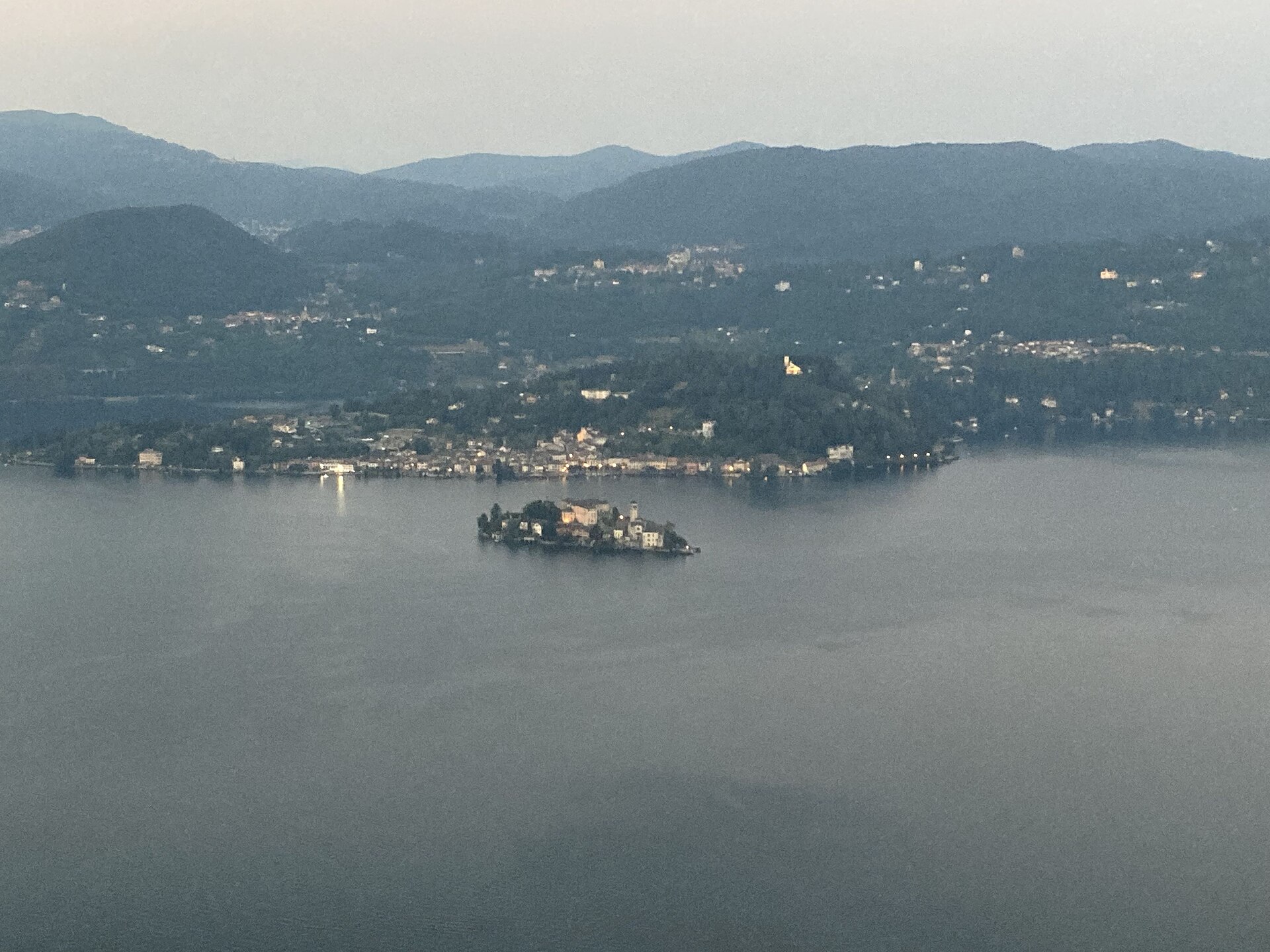
More time is not automatically better. Some places are satisfying because they are compact and because the pleasure comes from slowing down rather than expanding the radius.
Orta San Giulio is a useful example. Much of the local experience gathers around the village, lakefront, boats to San Giulio Island and nearby Sacro Monte. A short stay can feel complete when the purpose is a concentrated lakeside pause. Extending it makes sense only if you want the repetition, surrounding region or a different pace — not because every destination should be stretched.
The right duration ends when another night stops changing the quality of the trip.
Stop adding days when they no longer change the trip
There is a point where additional time stops creating depth and starts creating filler. That point is different for every traveller.
Someone who wants late breakfasts, repeated restaurants and unscheduled afternoons may get more value from an extra day than someone who prefers a dense sequence of distinct experiences. Neither style is inherently better. Duration should reflect the traveller, not a universal recommendation.
The OREVYON duration test
- How many genuinely usable mornings, afternoons and evenings will I have?
- How many distinct travel modes or geographic zones am I trying to combine?
- How much repeated transport will the itinerary create?
- Do I want neighbourhood depth and spontaneous time, or mostly first-time highlights?
- Am I changing base, and has that move earned its friction?
- Would one extra night create a meaningfully different day — or just more of the same?
- If I removed one night, what would I lose: a sight, a whole mode of travel, or the breathing room that makes the trip enjoyable?
The OREVYON read
Do not start with the internet's answer to how many days you need.
Start with the trip you actually want: its mornings, its distances, its neighbourhoods, its pauses and the moments you want to repeat.
Then give that trip enough nights to exist without becoming a checklist.