
São Miguel is the largest island in the Azores, but the reason it works is not size alone. The island combines volcanic lakes, thermal landscapes, Atlantic coast, small towns, gardens and a compact urban base in Ponta Delgada without requiring a multi-island itinerary.
The strongest version of the trip is not a race between viewpoints. It is a five- to seven-night island stay with enough room for weather to change, a crater lake to disappear into cloud and reappear later, and one part of the day to remain deliberately unplanned.
Why São Miguel works
The official Azores tourism portal describes São Miguel as the archipelago’s largest island and lists a broad mix of nature, thermal sites, trails, gardens, heritage, whale watching and coastal activities. That diversity gives the island unusual stay depth: the trip can change character without changing destination.
For OREVYON, the key is to use that variety selectively. Sete Cidades, Lagoa do Fogo and Furnas are three very different volcanic landscapes. Ponta Delgada gives the trip a practical and evening anchor. The coast, tea country and quieter eastern roads can then fill the spaces between them.
Where to base yourself
- Ponta Delgada — strongest first base for restaurants, airport proximity, urban evenings and flexible day trips across the island.
- Furnas — best for thermal atmosphere, gardens, slower mornings and a second base that genuinely changes the rhythm.
- Ribeira Grande / north coast — useful for surf-coast access, Lagoa do Fogo and a more local northern-island feel.
- One-base trip — completely workable for 5–6 nights if you accept daily driving and choose Ponta Delgada or a central location carefully.
Sete Cidades — the landscape that rewards patience
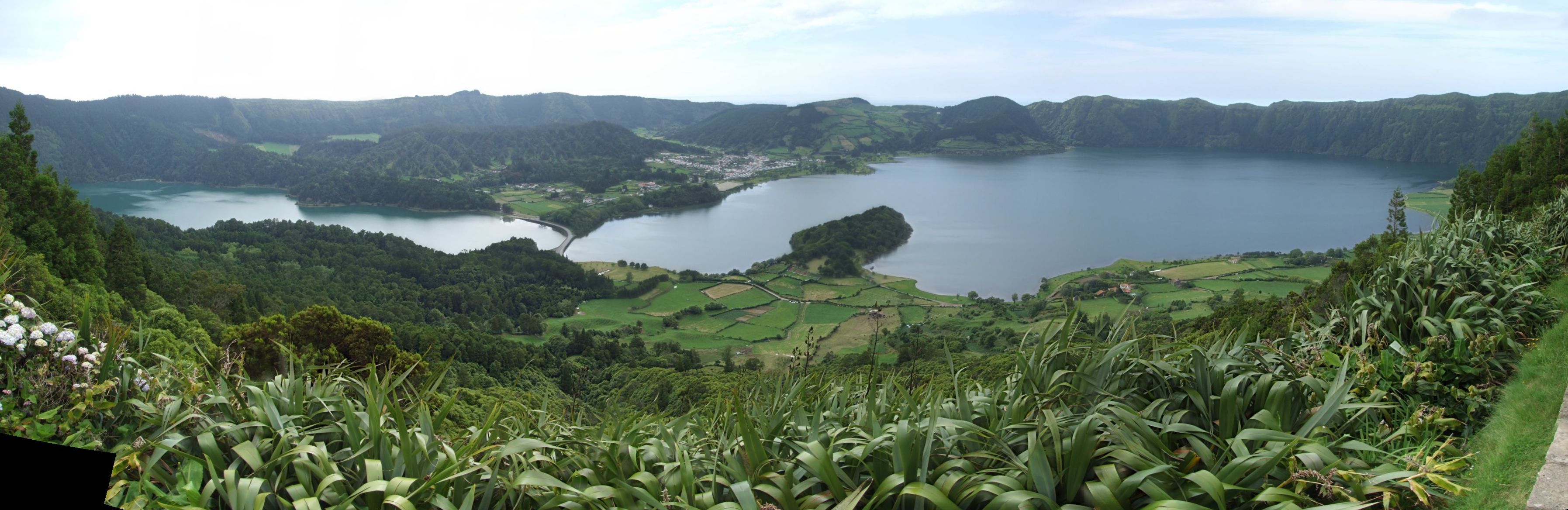
Sete Cidades is the image most people associate with São Miguel: a vast volcanic caldera holding the Blue and Green Lakes, surrounded by steep green slopes and changing Atlantic weather. The official Azores tourism portal identifies Lagoa das Sete Cidades as the largest lake in the Azores and part of a protected landscape.
The mistake is treating it as one viewpoint. The caldera works better as a half-day or longer layer: arrive when visibility is good, walk part of the rim or lakeside, spend time in the village and keep enough flexibility to return if cloud blocks the first view.
crater landscapes, walking, photography and travellers comfortable letting weather set the pace.
keep the day flexible rather than fixing one five-minute viewpoint stop at a specific hour.
visibility can change quickly; live weather and trail conditions matter more here than a rigid itinerary.
Lagoa do Fogo — protected landscape in the island’s centre
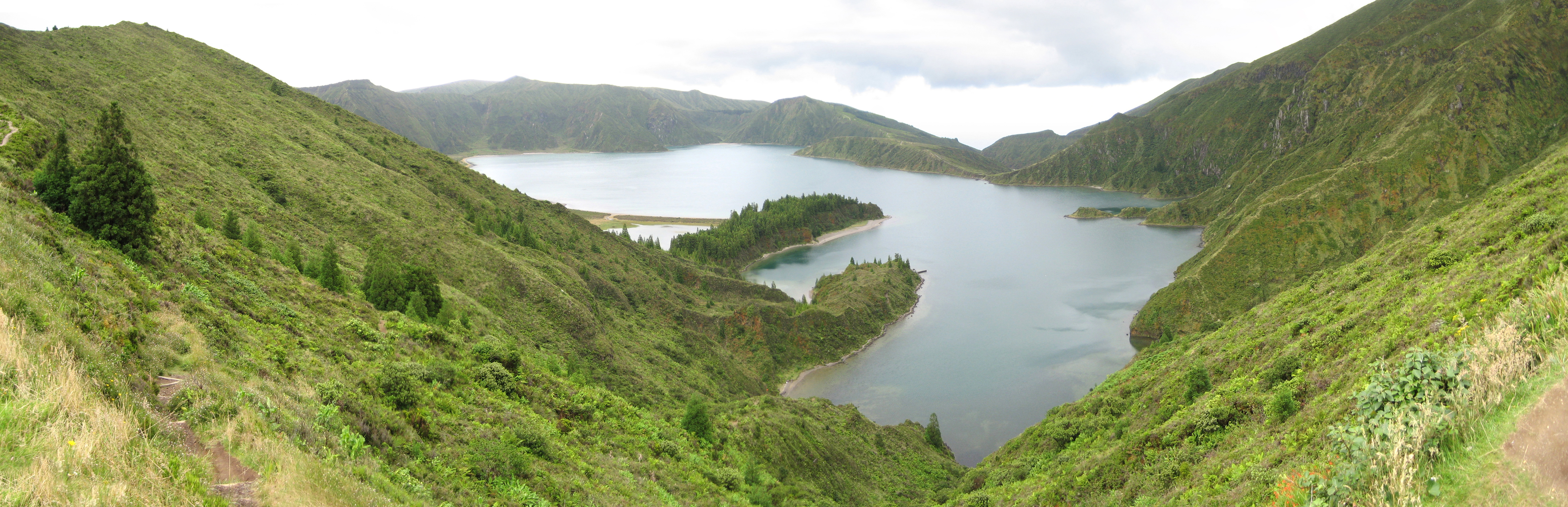
Lagoa do Fogo is a protected crater lake in the centre of São Miguel. Visit Azores notes that it has been a nature reserve since 1974. The landscape feels more exposed and less settled than Sete Cidades, which gives it a different kind of scale.
Access arrangements can be managed seasonally, including shuttle systems at times, so OREVYON should never hard-code the approach into a future Journey. The useful principle is simpler: treat Lagoa do Fogo as a live-condition stop and verify access close to the travel date.
landscape, viewpoints, hiking-oriented days and travellers who prefer protected nature over built attractions.
combine it with the north or central island rather than crossing São Miguel repeatedly in the same day.
access rules, weather and visibility can change; verify the current official guidance before departure.
Furnas — where geology becomes part of daily life
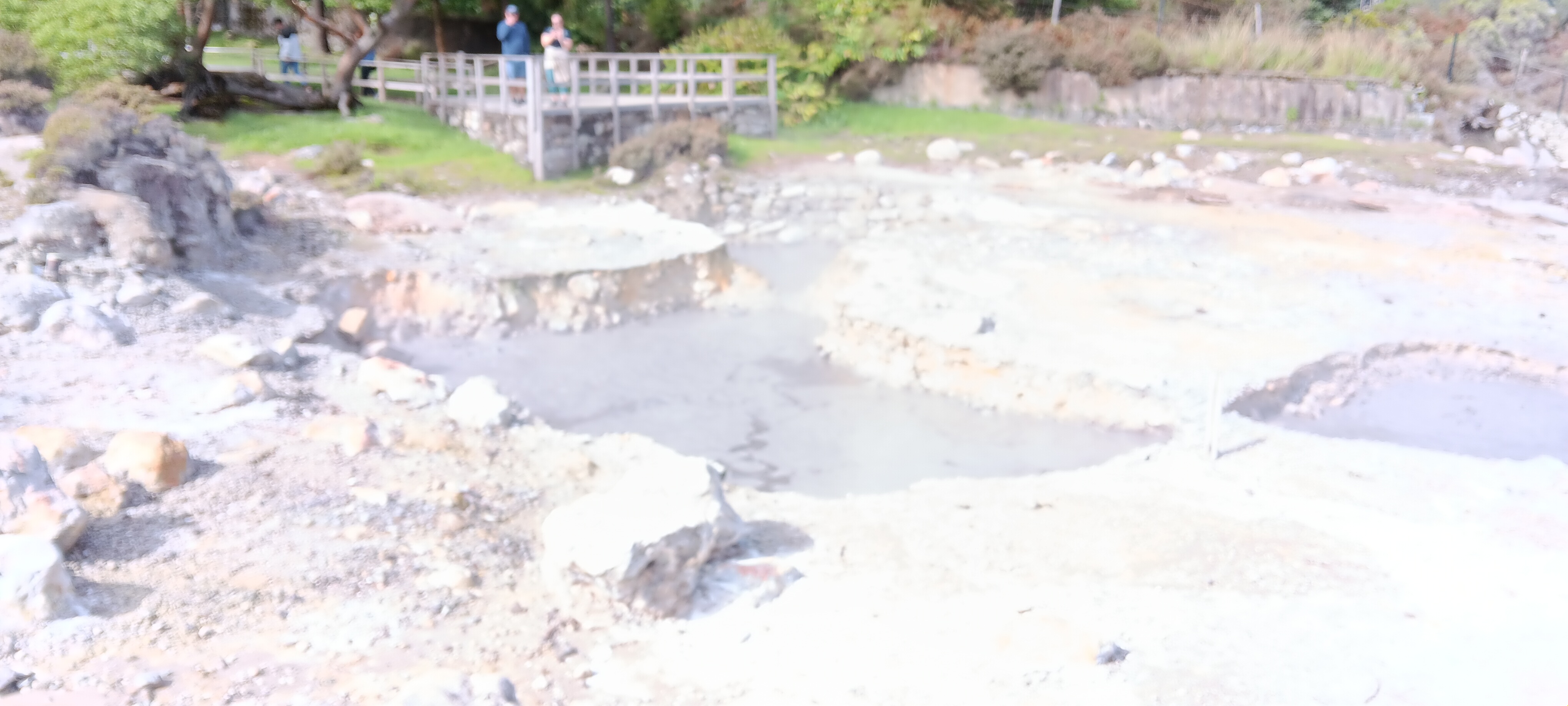
Furnas changes the journey from scenic to sensory. Visit Azores describes the valley through sulphur, boiling and smoking hot springs and continuing volcanic activity. The official tourism portal also documents Furnas Lake, fumarolic fields, mineral and thermal springs and the local tradition of cooking with geothermal heat.
This is why Furnas can deserve more than a day trip. A night or two creates a different island rhythm: gardens in the morning, thermal water later, a walk around the lake, slower meals and fewer hours spent driving back west.
thermal landscapes, gardens, slow mornings, couples and travellers who like nature with a strong cultural layer.
1–2 nights in Furnas can transform a 6–7 night trip, especially if you prefer two distinct bases.
geothermal attractions and pools have their own opening patterns and booking rules; verify live details for the Journey.
How many nights?
Five to seven nights is the strongest first-trip range. Four nights can work if you keep the map tight, but São Miguel has enough weather variability and geographical spread that a rushed schedule loses one of the island’s main advantages: the ability to change plans without ruining the trip.
At six or seven nights, OREVYON would usually choose either one strong base with selective day trips or a two-base structure such as Ponta Delgada plus Furnas. More bases rarely add enough value to justify the packing and check-in friction.
When São Miguel works best
São Miguel is not a destination where the weather should be treated as a promise. The Atlantic is part of the experience. For a first trip, longer-day months make outdoor flexibility easier, while cooler periods can feel quieter and more atmospheric. The important planning rule is to build interchangeable days rather than one fixed sequence.
Mobility & friction
A rental car gives the clearest version of São Miguel because crater lakes, thermal valleys, viewpoints, trailheads and coastal stops are spread across the island. Public transport exists, but it does not reproduce the freedom of a self-drive itinerary built around changing weather.
That does not mean driving all day. The premium version of the trip is the opposite: fewer zones per day, less backtracking and enough time to stop when the island gives you a better idea than the plan.
Food & evenings
Ponta Delgada provides the strongest evening depth, while Furnas adds a more place-specific food story through geothermal cooking and local thermal culture. Elsewhere, the island works best when meals are allowed to become part of the route rather than another item squeezed between viewpoints.
The OREVYON read
Choose São Miguel when you want a nature-led island with enough variety for a full week, but you do not want to spend the trip moving between islands or changing hotels every other night. It is strongest for travellers who enjoy landscape, walking, thermal experiences, road-trip freedom and a schedule that can bend around weather.
Look elsewhere if you need guaranteed sunshine, dense nightlife or a trip that works best without any driving. São Miguel rewards flexibility more than precision.