

Lisbon is easy to underestimate on a map. The centre looks compact. Then the hills, neighbourhood identities and evening geography start to matter.
This is not a city where the best plan is to draw one efficient sightseeing line through every major landmark. Lisbon works better in clusters: a morning that belongs to Alfama, a long lunch that stays in Chiado, an evening chosen because you actually want to walk home from Príncipe Real.
The central decision is not what to see first. It is where you want the city to become effortless.
Lisbon is a neighbourhood decision before it is a hotel decision
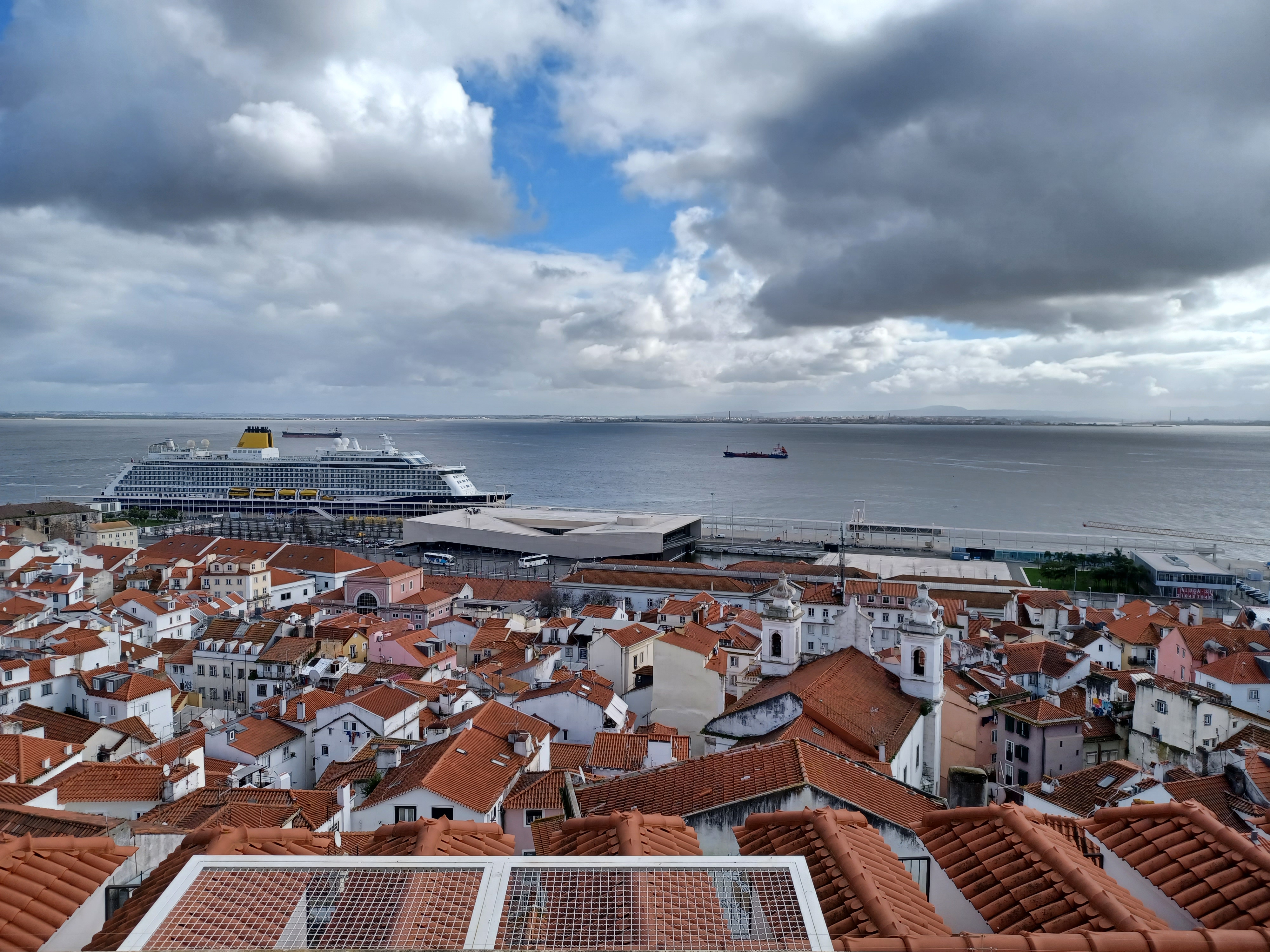
The official tourism map describes one city, but the experience changes quickly between its hills. Baixa is flatter and highly connected to the classic centre. Chiado gives you culture, restaurants and evening movement at close range. Alfama and Graça add older streets, viewpoints and stronger topography. Príncipe Real and nearby Estrela move the balance toward neighbourhood life, gardens, restaurants and a more residential rhythm.
OREVYON would choose the base according to the part of every day you repeat: where you want breakfast, where you want to return after dinner, and how much uphill walking you are willing to accept when you are tired.
Baixa / Chiado.
Alfama / Graça, accepting more hill friction.
Príncipe Real / Estrela.
Alfama · The Lisbon people imagine first — but not always the easiest base
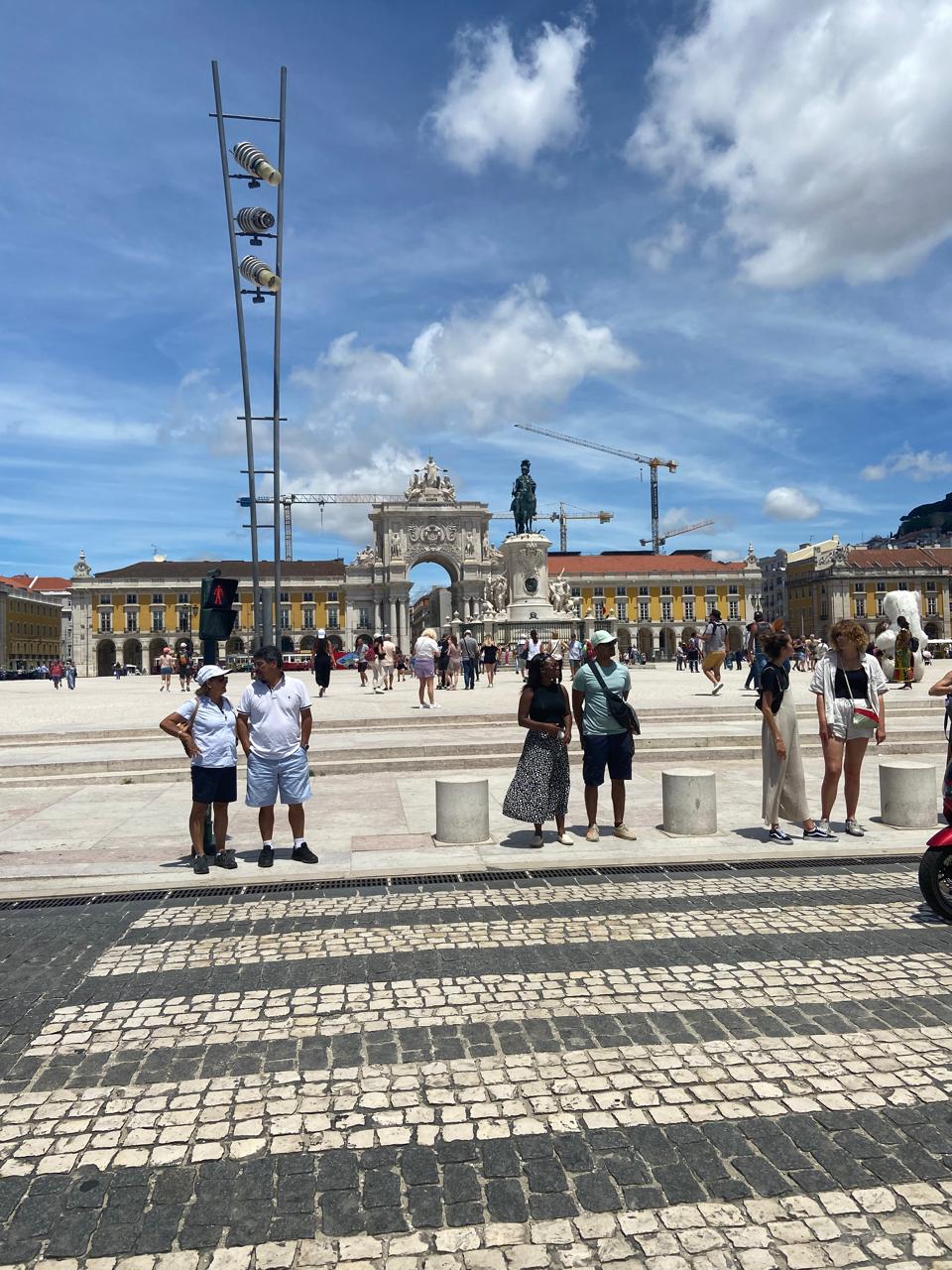
Alfama earns its reputation. Narrow streets climb above the Tagus, viewpoints open suddenly between buildings, and the older urban fabric feels different from the ordered grid below. Tram 28 threads through this side of the city on its way between Graça, Alfama, the centre, Chiado, Estrela and Campo de Ourique.
But atmosphere has a cost. The hills and irregular streets can turn a supposedly short return to the hotel into a real climb. That is not a reason to avoid Alfama; it is a reason to choose it intentionally.
texture, viewpoints, old streets and a strong sense of place.
effortless late-night movement matters more than historic atmosphere.
visit Alfama even when you do not sleep there.
Baixa & Chiado · The strongest first-trip compromise
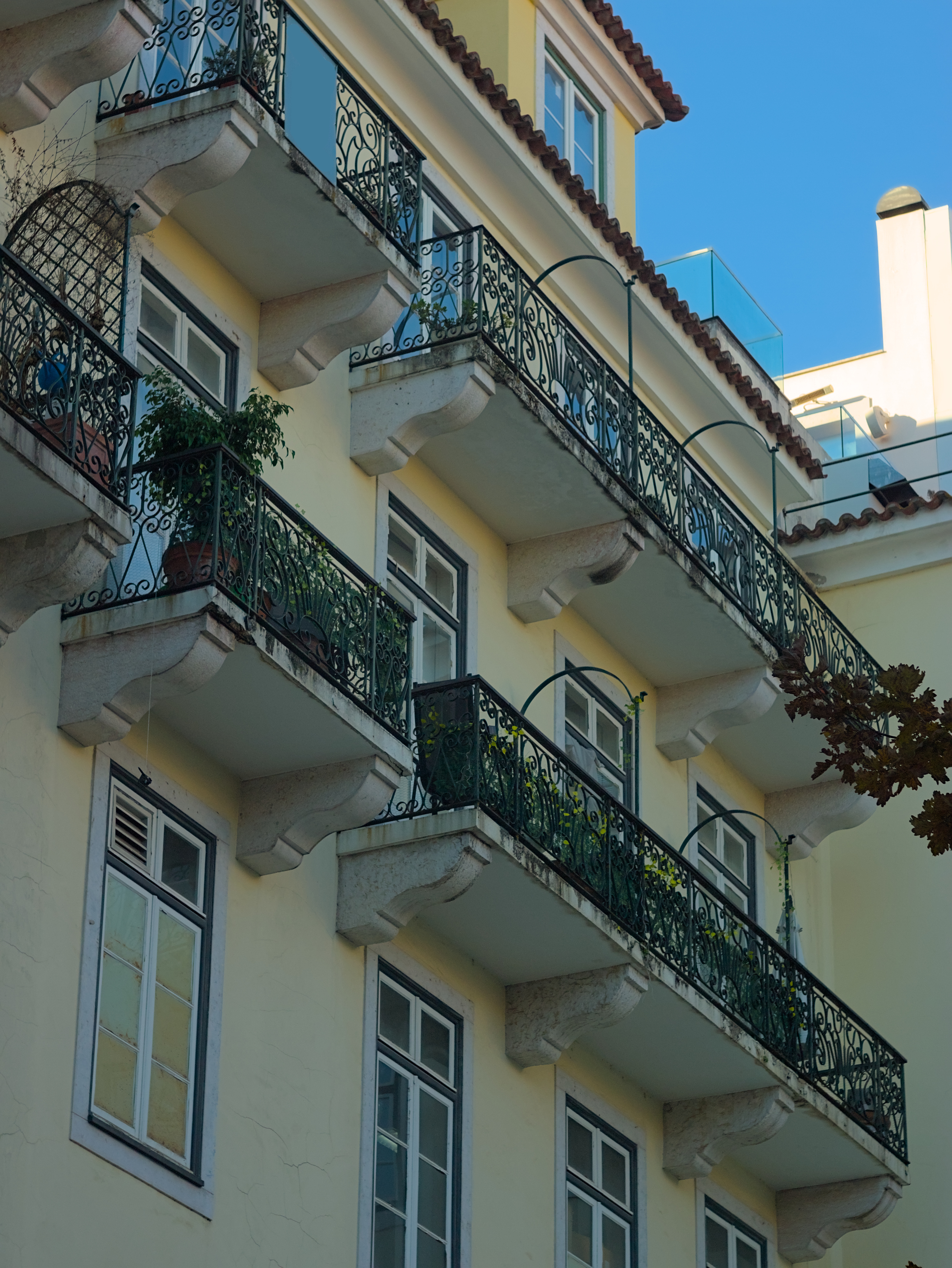
Baixa was rebuilt after the 1755 earthquake as a more ordered downtown opening toward the Tagus. Chiado sits above it with a different texture: shops, cafés, cultural institutions and stronger evening energy.
Together they solve many first-trip problems. You can walk to several central districts, use metro and trams when the hills begin to matter, and return after dinner without making every evening a transport decision.
The trade-off is obvious: this is central Lisbon, so it can feel busier and less private than a quieter residential quarter.
flexibility and a low-friction first stay.
3–5 night city breaks with food, culture and walking.
central crowd pressure and choosing a hotel on a street that matches your sleep tolerance.
Príncipe Real & Estrela · Lisbon when the neighbourhood matters more than the checklist
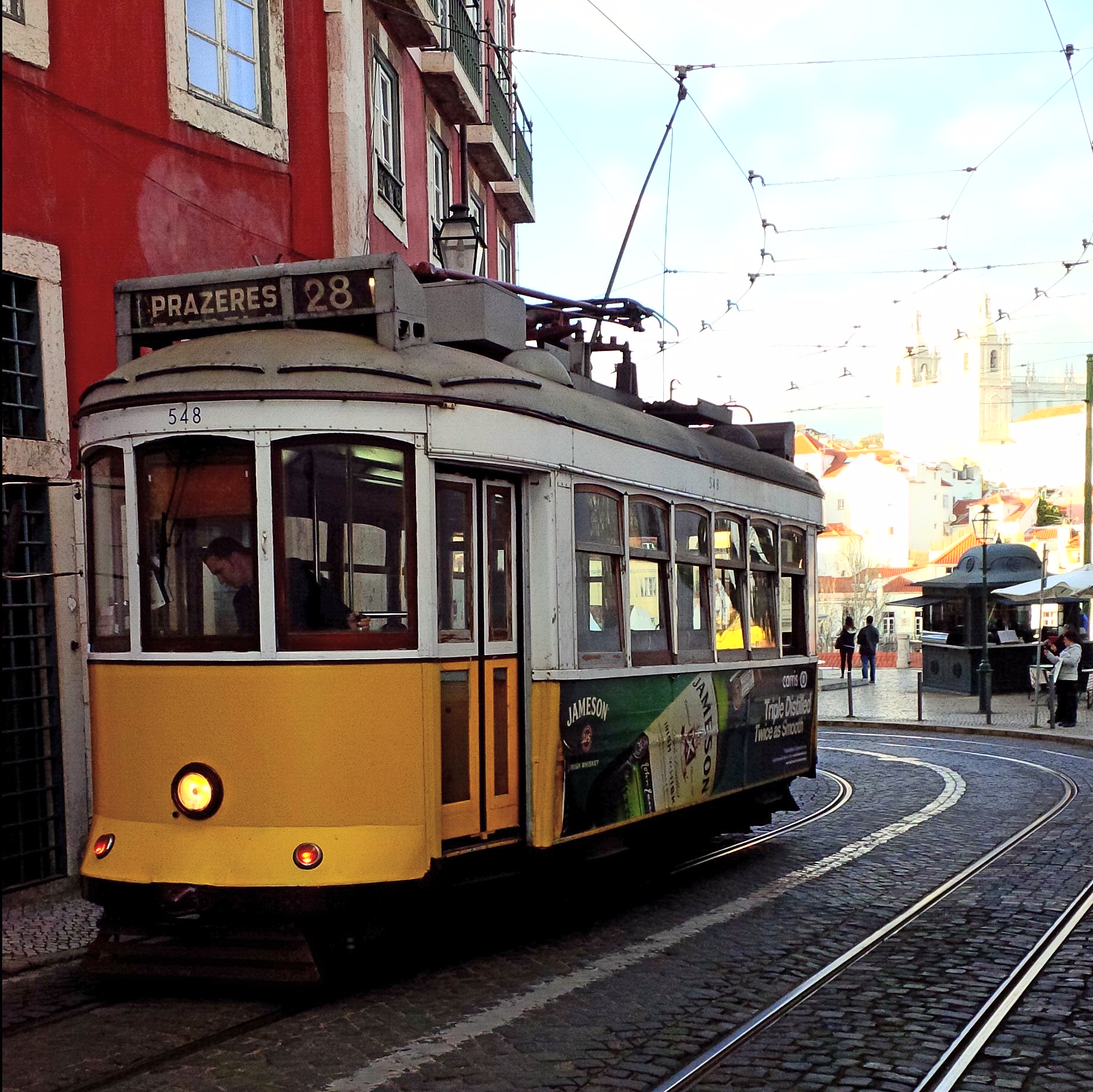
This is where OREVYON would look for a traveller who wants Lisbon to feel lived-in rather than consumed. Príncipe Real gives access to restaurants, design, gardens and Bairro Alto without placing every hour inside the busiest tourist circuit. Estrela pushes further into a calmer residential rhythm.
You give up some immediate monument proximity, but gain something more useful on a four- or five-night trip: evenings that can happen close to where you sleep.
neighbourhood dining, slower mornings and repeatable local routines.
travellers who already know they do not need to wake beside a headline sight.
some central routes still mean gradients, trams or short rides.
Belém · A separate Lisbon day, not a box to squeeze between lunch and dinner
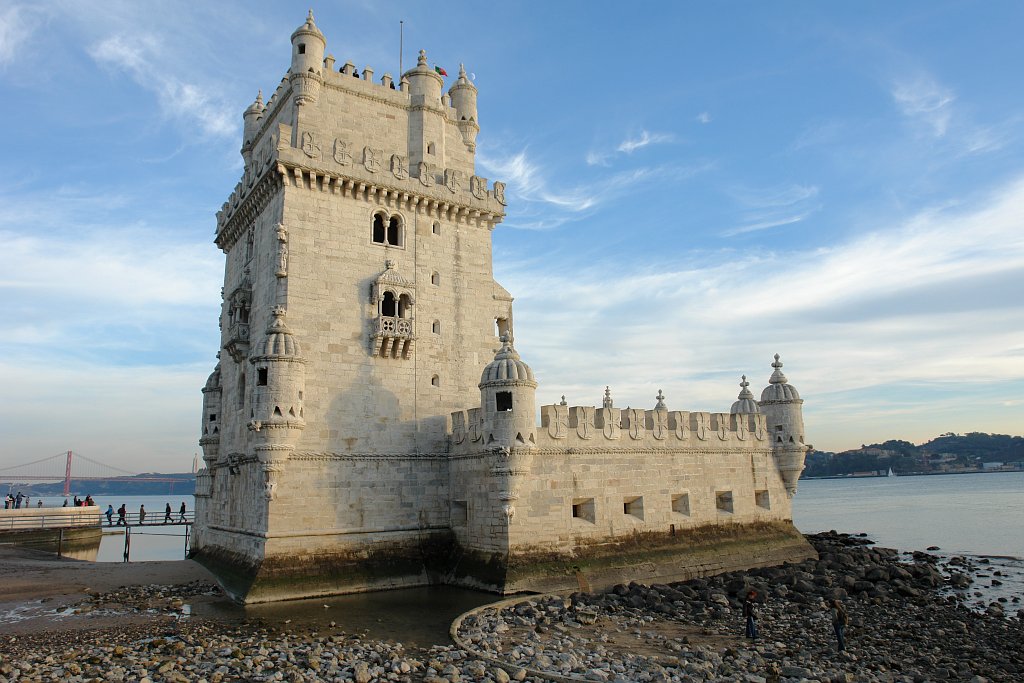
Belém sits west of the historic centre and belongs to a different Lisbon story: the river, monumental architecture and Portugal's maritime history. Its UNESCO-listed heritage gives the district enough weight to justify a deliberate half-day or longer.
OREVYON would not keep bouncing between Belém and the eastern hills. Group the riverside layer together, then return to your base and let the evening belong to another neighbourhood.
one coherent western cluster.
architecture, river walks and a slower museum-and-monument day.
using Belém as a rushed add-on between unrelated central stops.
Mobility · Lisbon is walkable until the gradient changes the question
Walking is one of the best ways to understand Lisbon, but 'walkable' does not mean flat. The city's trams, metro and historic lifts matter because they change which combinations of neighbourhoods feel effortless.
Tram 28 is genuinely useful as a piece of urban geography, not only as an attraction. The same is true of the funiculars and lifts: sometimes the smartest transport choice is simply the one that removes one unnecessary climb from the day.
Walk within neighbourhoods; use transit between different hill systems.
Do not plan by distance alone — elevation changes the real effort.
A central base reduces transport decisions, but a neighbourhood base can improve the evenings.
Sintra · Add it only when you are willing to give it a real day
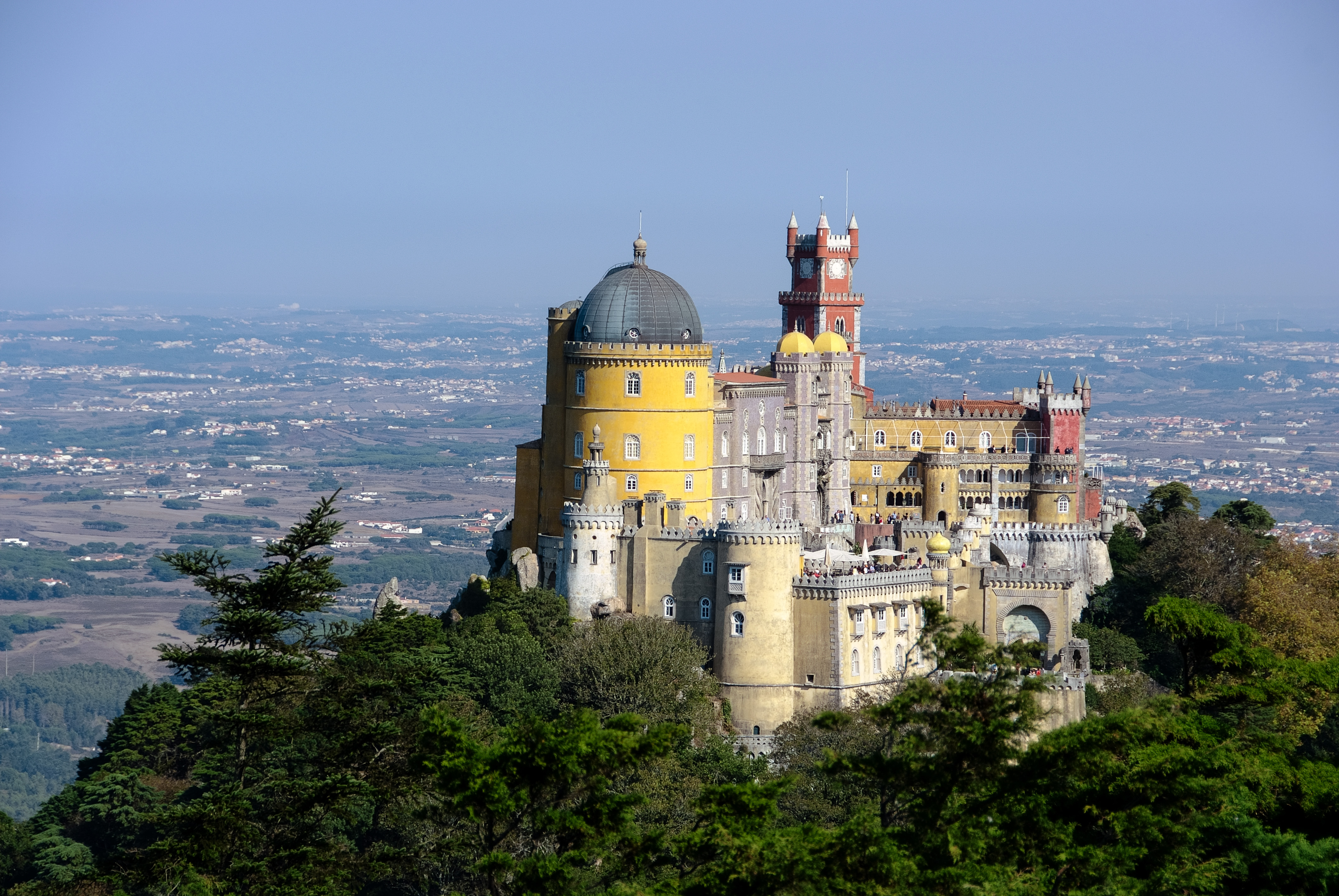
Sintra is close enough to tempt almost every first-time visitor, but it adds a completely different planning pattern. Pena Palace uses timed entry; the interior ticket is tied to a specific date and time, and the walk from the park entrance to the palace itself takes around 30 minutes.
That makes Sintra a poor spontaneous side quest. If it matters, give it a real day and build around the reservation. If Lisbon itself is the reason for travelling, four neighbourhood-rich days can be better than sacrificing one to a rushed excursion.
palaces and landscape are a genuine priority.
you only have three nights and still want Lisbon to breathe.
Current access rules should always be checked close to the Journey date.
The OREVYON read
Lisbon is strongest when you stop asking how many attractions fit into a day and start asking which neighbourhood should own that part of the day.
Give Alfama a morning. Let Chiado hold a long lunch. Build one evening around Príncipe Real instead of crossing the city again. Treat Belém as its own western layer. Use the tram because the hill makes sense, not because it appears on every list.
For a first stay, OREVYON would start at four nights. Five creates room to move more slowly or add Sintra without hollowing out the city itself.
Lisbon does not need to be completed. It needs to be based well.