

Copenhagen is easiest to enjoy when you stop treating it as a sequence of attractions and start using the city the way it is built: by walking, cycling, taking the metro and spending real time in different neighbourhoods.
For OREVYON, that makes Copenhagen less about headline density and more about urban rhythm. The trip gets better when the transport disappears into the day and each area is allowed to feel distinct.
Why Copenhagen works
Visit Copenhagen describes the centre as compact, with historic streets, canals, major attractions and shopping concentrated within a relatively small area. It also recommends public transport or cycling between neighbourhoods, then exploring each area on foot.
That combination is the city’s real advantage. You can move efficiently without making the trip feel rushed. The best days have structure, but they still leave room for cafés, waterfront pauses and neighbourhood wandering.
Where to base yourself
- Indre By — strongest for first visits, historic Copenhagen, Nyhavn, museums and maximum centrality.
- Christianshavn — canals, waterfront atmosphere and a slightly more residential rhythm while staying close to the centre.
- Vesterbro — food, bars, design and stronger evening energy near Central Station.
- Nørrebro — more local street life, independent shops, cafés and a multicultural food scene.
- Frederiksberg — calmer, greener and more residential while remaining very well connected.
Inner Harbour — Nyhavn, canals and the waterfront layer
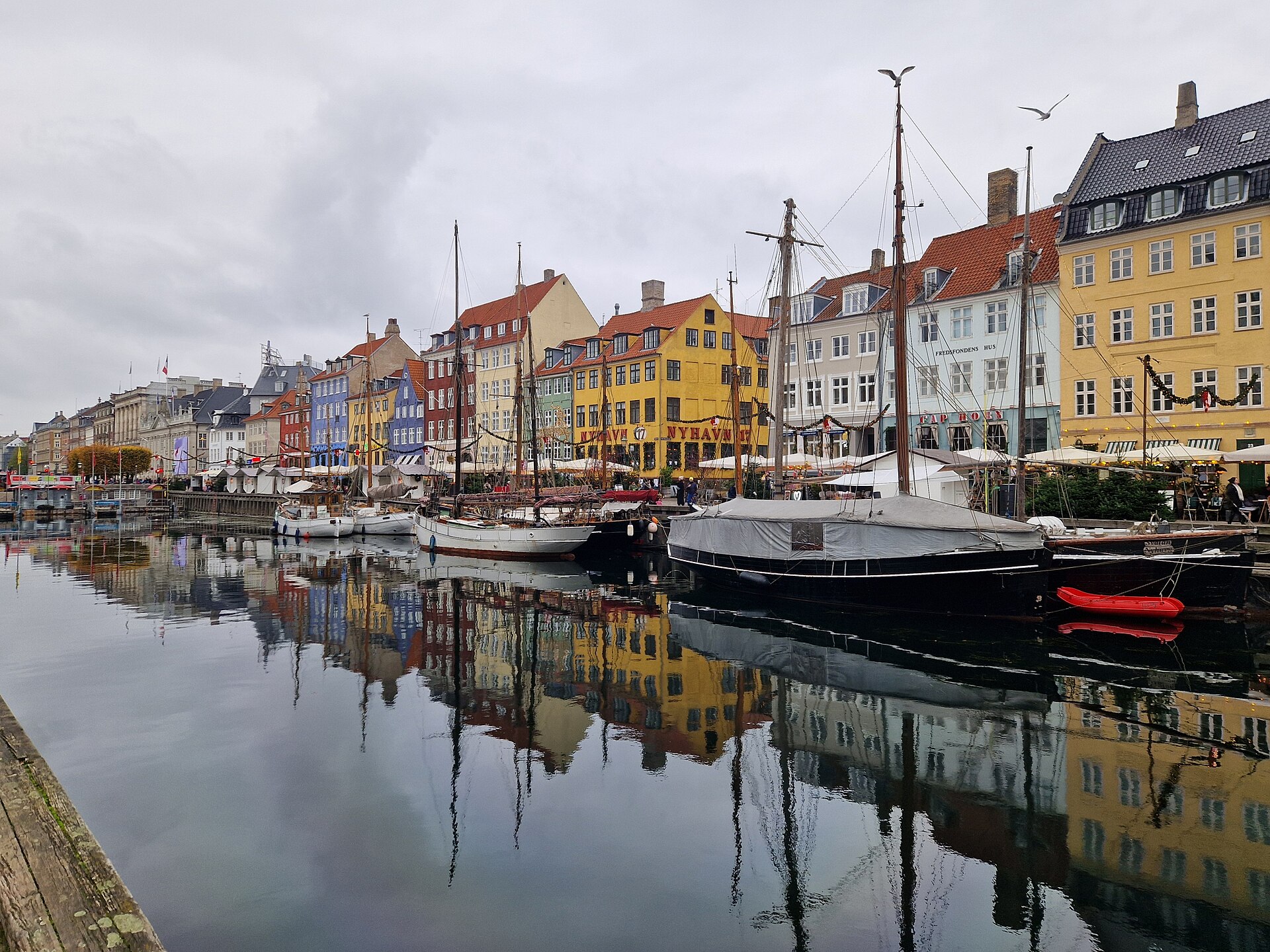
Nyhavn is Copenhagen’s most photographed image, but it works best as part of a wider waterfront day rather than as a destination on its own. The nearby harbour, canals, bridges and Christianshavn create a continuous route that feels more like urban wandering than sightseeing.
Visit Copenhagen’s neighbourhood and transport guides repeatedly frame the harbour and Christianshavn as walkable, connected parts of the city, while harbour buses and bridges extend the waterfront beyond the historic centre.
first-time visitors, architecture, waterfront walking and travellers who want immediate Copenhagen atmosphere.
use Nyhavn early, late or as a passage between other places rather than letting it consume half a day.
this is one of the busiest visitor zones; the city becomes more interesting as soon as you move beyond the postcard streets.
Neighbourhood Copenhagen — Nørrebro, Vesterbro and moving between them
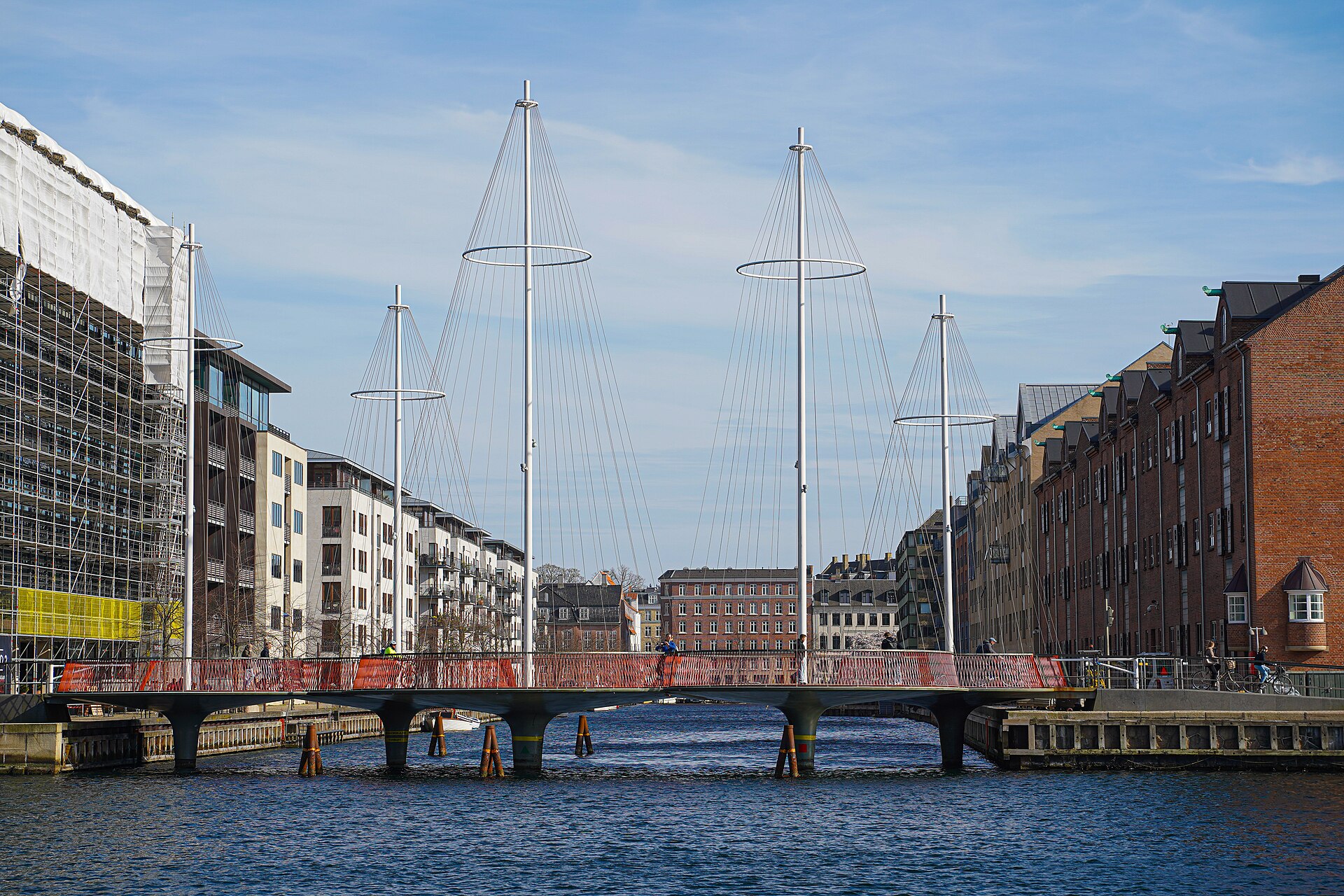
The city’s stay depth is in its neighbourhoods. Visit Copenhagen describes Nørrebro as multicultural and food-rich, Vesterbro as creative and lively, Frederiksberg as elegant and green, and Christianshavn as canal-led and atmospheric.
This is where cycling and public transport matter. Instead of walking huge distances across the city, choose one neighbourhood, travel there efficiently and then slow down once you arrive.
repeat visitors, food, independent shops, coffee, design and travellers who like local street life.
one neighbourhood per half-day usually feels better than trying to cross the city repeatedly.
the city is easy enough to move through that over-planning becomes tempting; proximity can make you schedule too much.
Food, markets and the evening layer
Food is one of Copenhagen’s strongest reasons to stay longer. Torvehallerne sits beside Nørreport and brings together produce, speciality shops and food stalls, while neighbourhoods such as Nørrebro and Vesterbro add a very different, more street-level food rhythm.
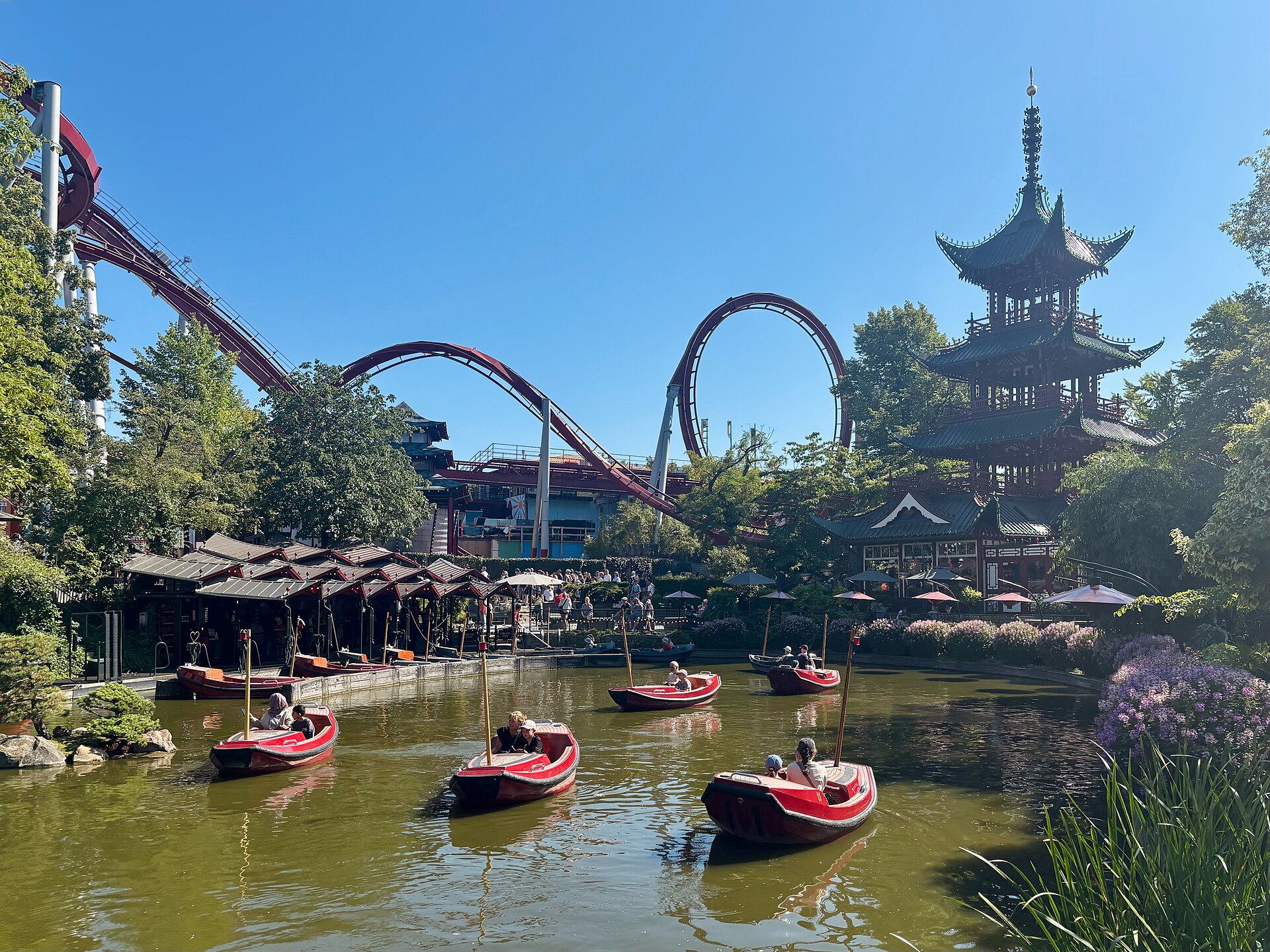
Tivoli Gardens adds another kind of evening. Visit Copenhagen notes that the park combines gardens, historic architecture, restaurants, rides and seasonal events, and that it is not open year-round — making it something to check against your exact dates rather than assume.
travellers who build city breaks around food, design and atmosphere rather than only landmarks.
give food markets, cafés and dinner real space instead of squeezing them between attractions.
reservations can matter for sought-after restaurants, and Tivoli’s opening periods are seasonal.
How many nights?
Three nights works for a focused first visit. Four is the OREVYON sweet spot because it gives enough time for the centre, two or three neighbourhoods and one slower day. Five nights starts to make room for Louisiana, Helsingør or simply using Copenhagen more like a temporary city rather than a short break.
When Copenhagen works best
Late spring and early autumn are especially strong when walking, cycling and waterfront time matter. Summer adds long evenings and more outdoor energy. Winter shifts the trip toward food, design, museums and a more interior rhythm, while December can be atmospheric but busier and more event-driven.
Mobility & friction
Visit Copenhagen says most visitors do not need a car. The centre is compact, cycling handles shorter distances and metro, train and bus work well for longer moves. The metro operates around the clock, which reduces evening transport friction.
A car usually adds more complexity than value inside the city. The real decision is whether you want to cycle. If not, the public transport network is strong enough that the trip still works extremely well.
Food & evenings
Copenhagen has unusually high food depth for a compact city: markets, bakeries, speciality coffee, casual neighbourhood restaurants, wine bars and destination dining all coexist within a relatively small radius. Evening depth is similarly broad, from quiet canalside dinners to Vesterbro nightlife or Tivoli when open.
The OREVYON decision
Choose Copenhagen when you want a city break where movement feels easy, design is embedded in everyday life and neighbourhoods matter as much as monuments. It is particularly strong for travellers who like to walk, cycle, eat well and use a city rather than simply see it.
Look elsewhere if you want low prices, guaranteed quiet in the historic centre or a city where every major sight sits in one compact old town. Copenhagen’s strength is not that everything is in one place — it is how well the pieces connect.