
Atlantic islands ask for a different kind of planning. Weather moves quickly, landscapes change with altitude and exposure, and the best day is not always the day you scheduled first.
São Miguel and Madeira both reward travellers who can loosen the itinerary, but they do so in very different ways. One is built around volcanic lakes, thermal valleys and a gentler road-trip rhythm. The other is steeper, more vertical and more hiking-led, with ancient forest and mountain ridges defining the trip.
Why these two belong together
Both islands have enough depth for a full week without needing a multi-island itinerary. They combine coast, landscape, walking and strong local identity, while still offering one practical urban anchor — Ponta Delgada on São Miguel and Funchal on Madeira.
The common OREVYON principle is flexibility. A mountain can disappear into cloud, a crater lake can reveal itself later in the day and a coastal plan can become the better choice when conditions change. The journey becomes stronger when the schedule is designed to move with the island.
São Miguel — volcanic lakes, thermal valleys and softer road-trip rhythm
Explore destination →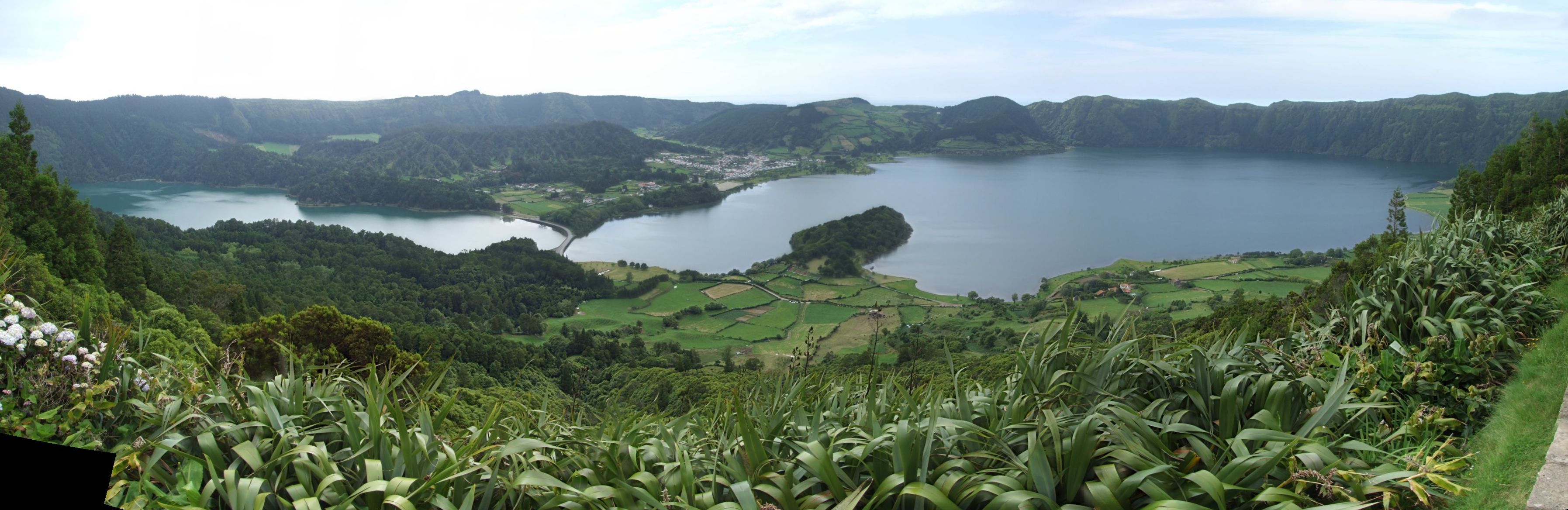
São Miguel is the more rounded road-trip island. Sete Cidades, Lagoa do Fogo and Furnas each create a different volcanic landscape, while Ponta Delgada gives the trip restaurants, evening depth and a practical base.
The official Azores tourism portal identifies São Miguel as the archipelago’s largest island and presents nature, thermal landscapes, trails, gardens and coast as part of the same destination. That variety is why a five- to seven-night stay can feel full without becoming repetitive.
volcanic landscapes, thermal experiences, self-drive flexibility and travellers who like changing the plan with the weather.
5–7 nights, usually one or two bases, with fewer zones per day and enough open time to switch plans.
crater lakes, geothermal culture and a gentler driving-and-walking balance matter more than high mountain hiking.
Madeira — mountains, Laurisilva and a more vertical island
Explore destination →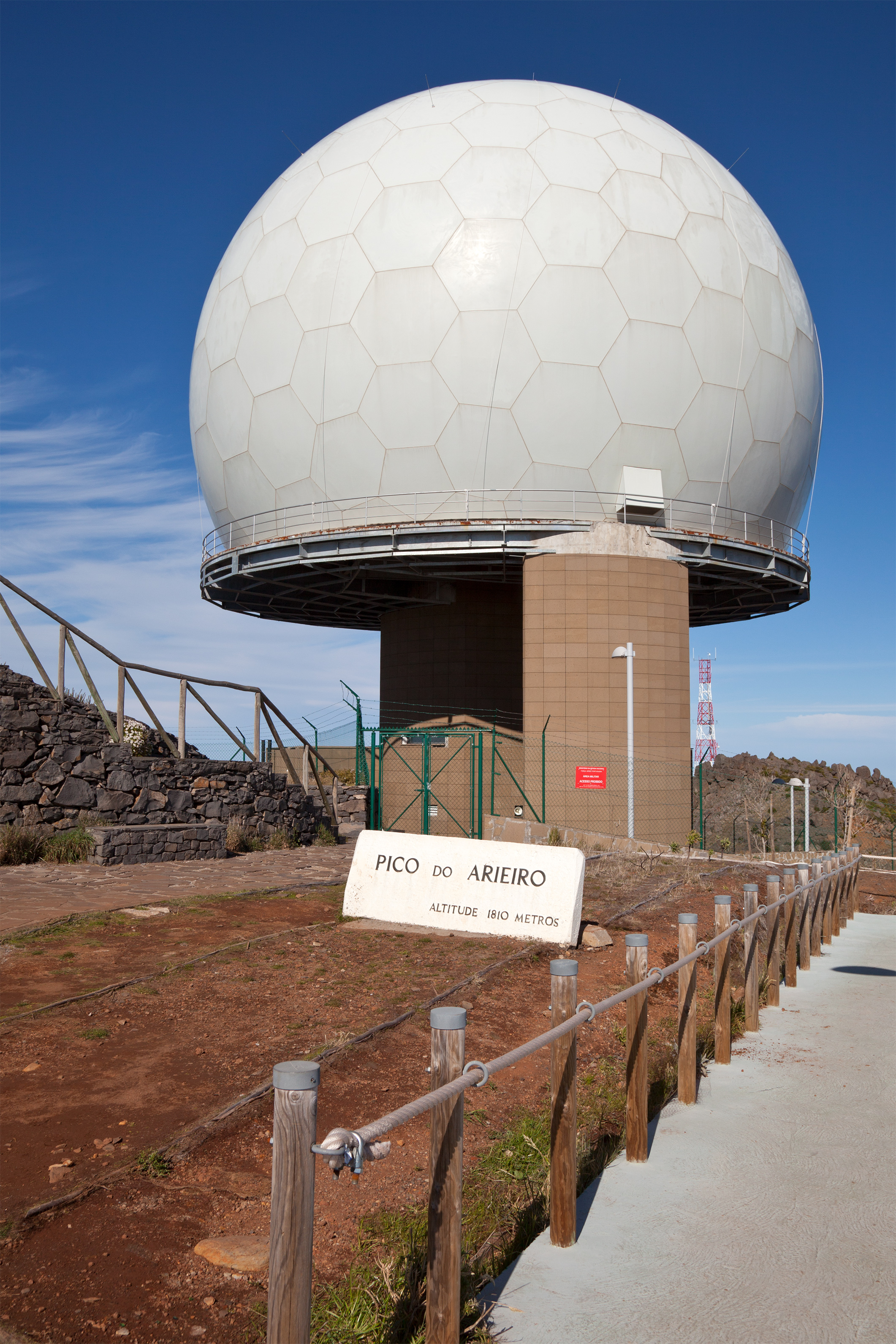
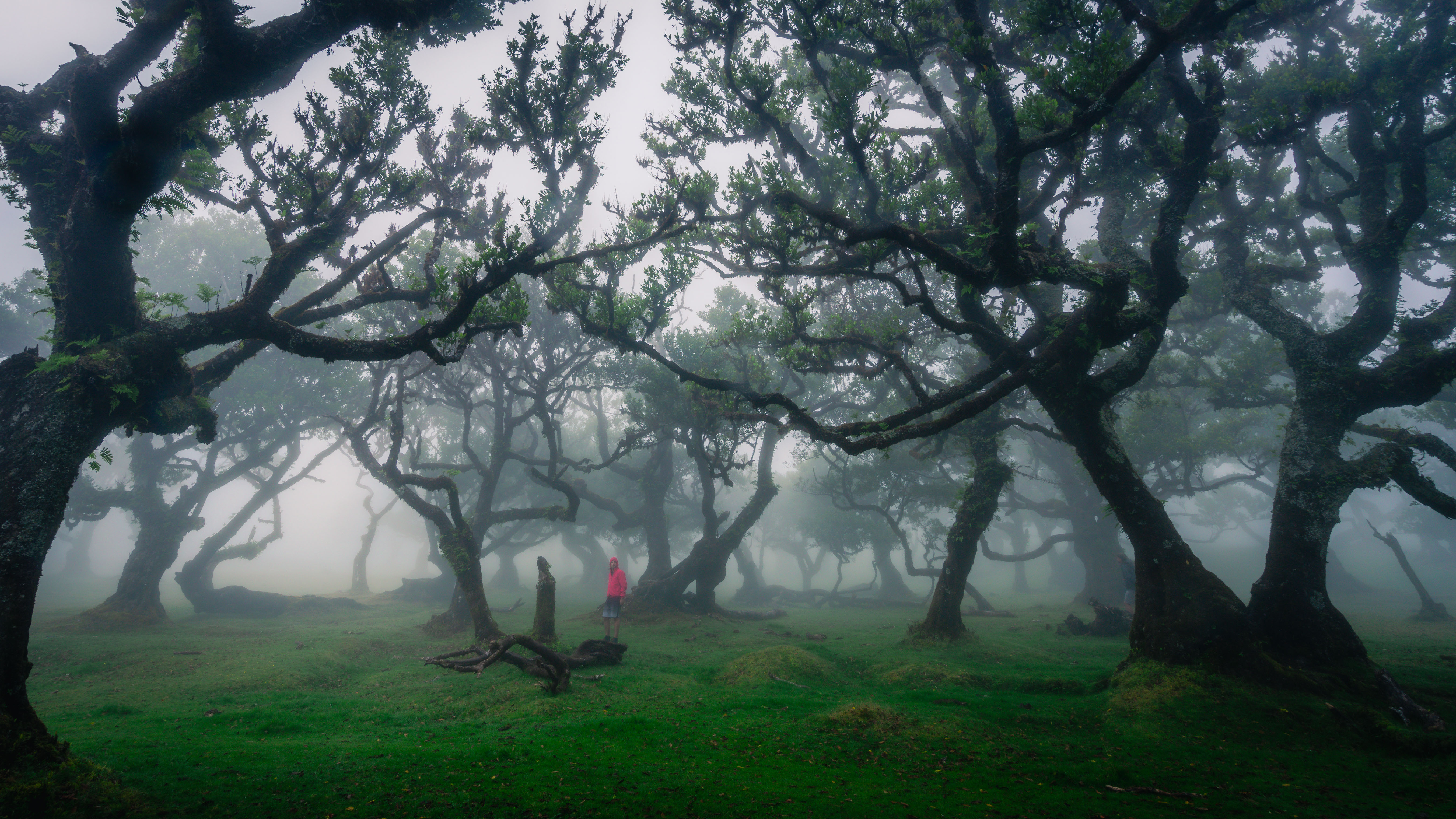
Madeira is the more physically dramatic option. Pico do Areeiro brings altitude, Laurisilva and Fanal create a deep green forest layer, and Porto Moniz gives the north-west coast a volcanic swimming landscape.
UNESCO describes Madeira’s Laurisilva as the largest surviving area of primary laurel forest. Combined with the island’s steep mountain geography, that gives Madeira a more hiking-led and vertical travel rhythm than São Miguel.
active couples, mountain landscapes, forest walking, levada or ridge-based days and travellers comfortable with steep roads.
6–8 nights, one strong Funchal base or two carefully chosen bases, with mountain days kept weather-flexible.
walking intensity, elevation and dramatic mountain-to-coast contrast are central to the trip.
How to choose: São Miguel or Madeira?
São Miguel
you want volcanic lakes, thermal culture and a softer self-drive rhythm.
Madeira
you want mountains, ancient forest and more demanding walking.
São Miguel
your ideal nature day still leaves room for an unhurried town or thermal evening.
Madeira
the walk itself is often the main event of the day.
either
you are comfortable letting weather change the sequence — both islands reward flexible planning.
How OREVYON would plan them differently
On São Miguel, OREVYON should build interchangeable geographic zones: Sete Cidades, the central island, Furnas/east and Ponta Delgada. The plan can then move between them as visibility changes.
On Madeira, the itinerary should be structured more strongly around walking intensity and altitude. A demanding mountain day should not automatically sit beside another heavy hike, and Funchal or the south coast can provide recovery days without making them feel like filler.
The OREVYON read
This collection is for travellers who want Atlantic nature without turning the trip into an expedition. Both islands can deliver a full, premium week from one destination — but São Miguel feels broader and more volcanic-thermal, while Madeira feels steeper, more forested and more physically active.
Neither should be chosen from a single postcard. The better question is which travel rhythm fits you: flexible road-trip discovery around crater landscapes, or a more vertical week built around walking and altitude.