Travellers spend hours comparing hotels and surprisingly little time asking the more important question: is this the right place to stay?
A beautiful room in the wrong base can make every day harder. A less dramatic hotel in the right neighbourhood, town or side of an island can quietly remove hours of transport, make dinner spontaneous and change how a destination feels after the sightseeing ends.
OREVYON treats the base as part of the itinerary. Before asking which hotel is best, ask what you want your trip to feel like when you wake up, when you return at 18:00 and when you step outside again at 21:00.
Copenhagen · Choose for 21:00, not 11:00
Explore destination →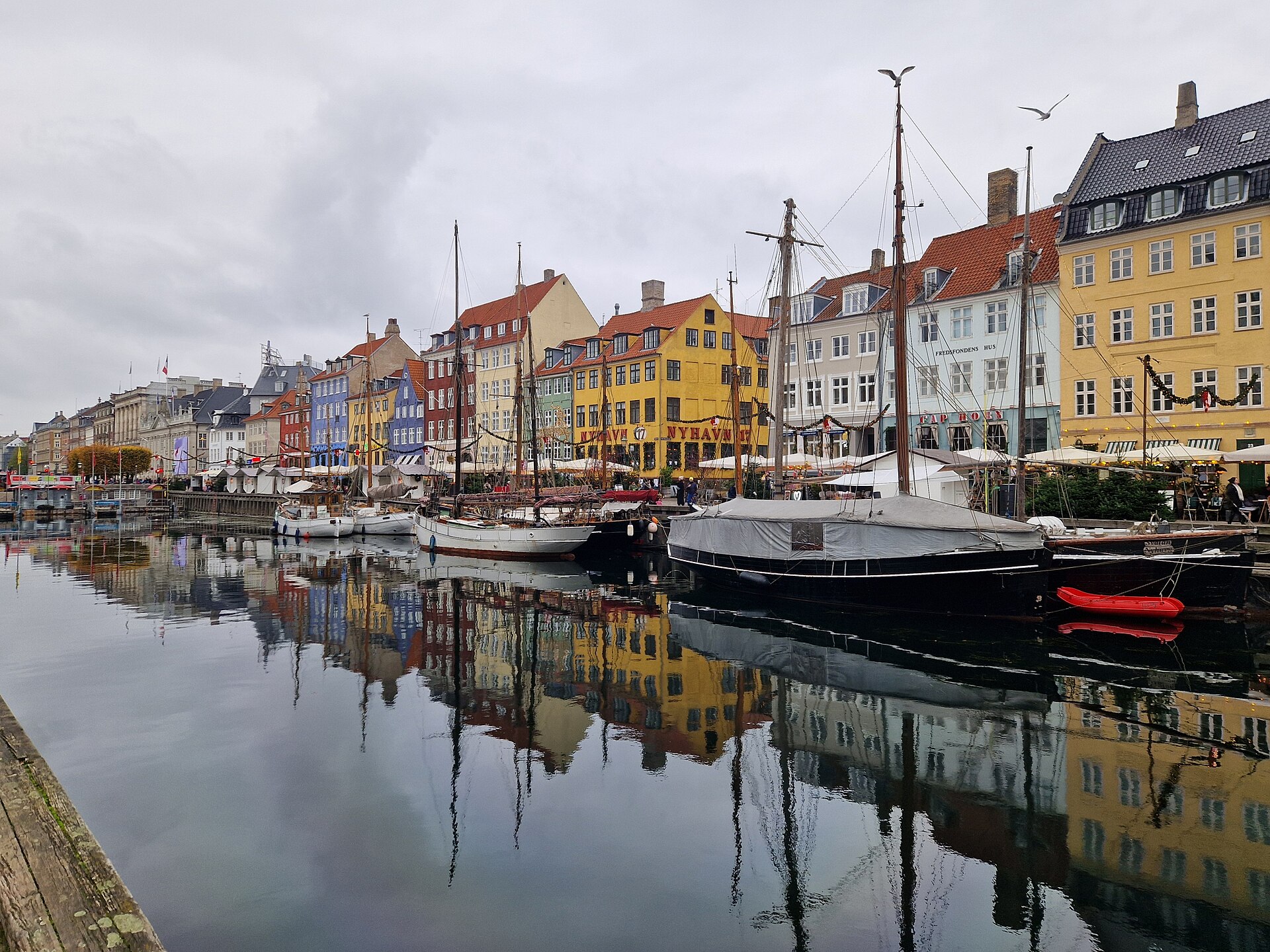
Most city attractions are flexible. You can cross town for a museum, harbour walk or design store. What is less flexible is the moment after dinner when you realise the bars, restaurants and streets you actually like are twenty minutes from your hotel — every single night.
Copenhagen makes the point clearly. Vesterbro is not simply ‘near the centre’; it has its own evening personality, with restaurants, bars, nightlife and a more everyday neighbourhood feel. If that is where you naturally want to end the day, staying there can matter more than shaving a few minutes off the route to a daytime sight.
The base decision should therefore begin with your evenings. Do you want to walk to quiet wine bars, lively streets, a waterfront, a residential neighbourhood or straight back into silence? The answer often predicts satisfaction better than a list of daytime landmarks.
Choose the place you want to return to, not only the place closest to what you want to visit.
What do I want to be within a ten-minute walk of after dinner?
A hotel can be centrally located on a map and still be badly located for your actual evenings.
Madeira · Draw the trip from your bed
Explore destination →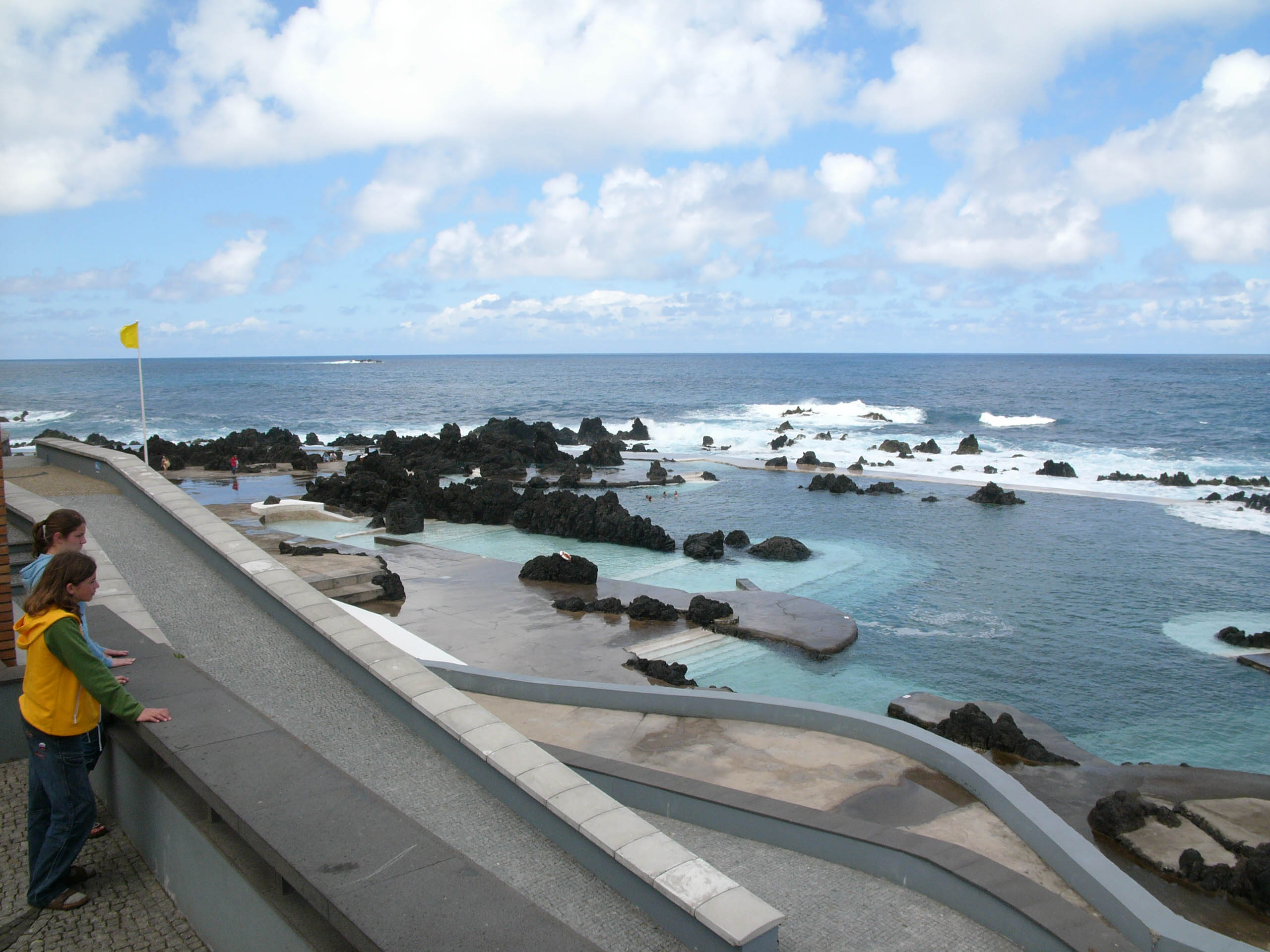
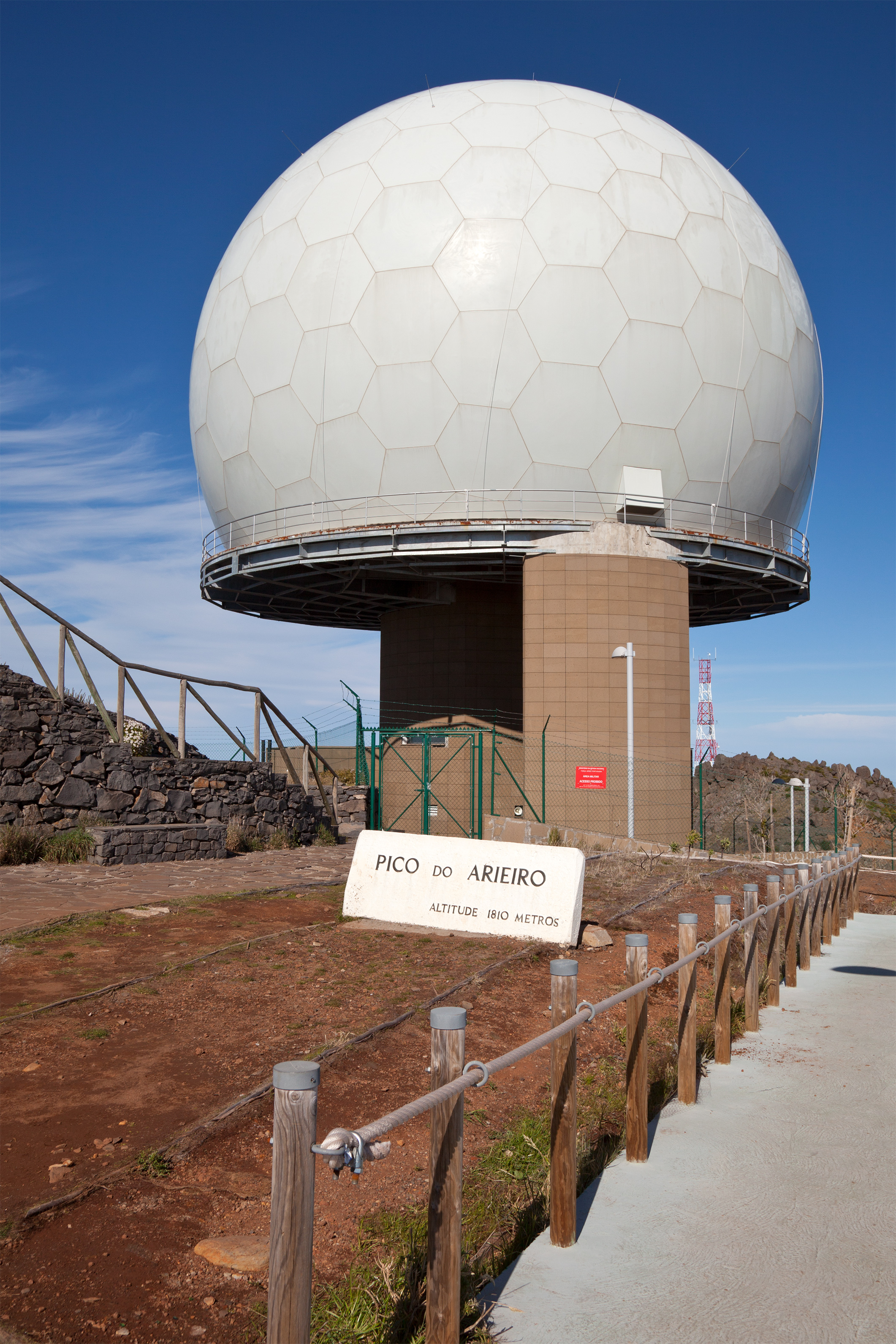
On an island, the geometric centre is rarely the same as the useful centre. Madeira is a good example because Funchal and Porto Moniz offer two completely different base logics.
Funchal is the island’s capital and its main tourist, commercial and cultural centre. It gives a traveller restaurants, urban life and a broad range of services around the stay. Porto Moniz, on the far north coast, puts the night much closer to volcanic pools, Laurissilva landscapes and the north-coast atmosphere.
Neither is automatically ‘better’. The right question is where your repeated journeys begin and end. If most of the trip pulls you back toward one side of the island, choosing a base there can be more valuable than choosing somewhere that merely looks central on a map.
Measure repeated travel from the hotel, not from the centre of the destination.
Which two or three areas will I return to more than once?
Saving thirty minutes once matters less than adding the same transfer every morning and evening.
Lake Orta · Decide what must be walkable
Explore destination →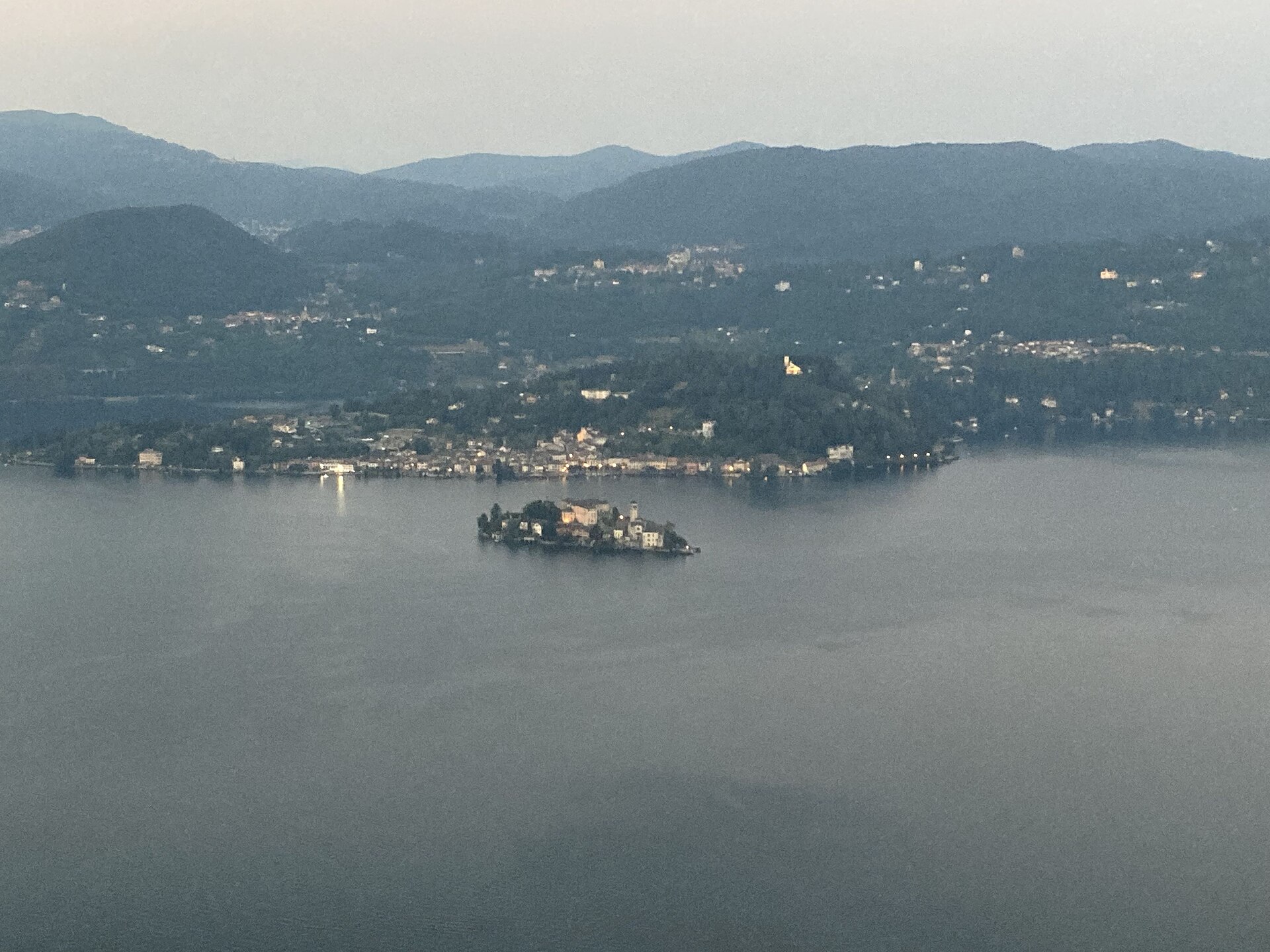
Walkability is not a generic score. The important question is what you personally want to do without transport.
Orta San Giulio is a useful small-scale example. From the village, Piazza Motta, restaurants, lake access, boats to San Giulio Island and the approach toward Sacro Monte sit within the same compact local rhythm. Staying in or close to that fabric means a coffee, a late dinner or a spontaneous boat crossing does not become a logistics problem.
For another traveller, parking access or a panoramic property outside the centre may matter more. The lesson is not ‘always stay central’. It is to identify the two or three behaviours you want to repeat every day and place those inside your friction-free radius.
Make your repeated pleasures walkable before you make your once-only sights walkable.
What do I want to do spontaneously without checking a timetable or getting into a car?
‘Walkable’ only matters when it applies to the things you actually repeat.
Valle d’Itria · Decide whether isolation is a feature or a tax
Explore destination →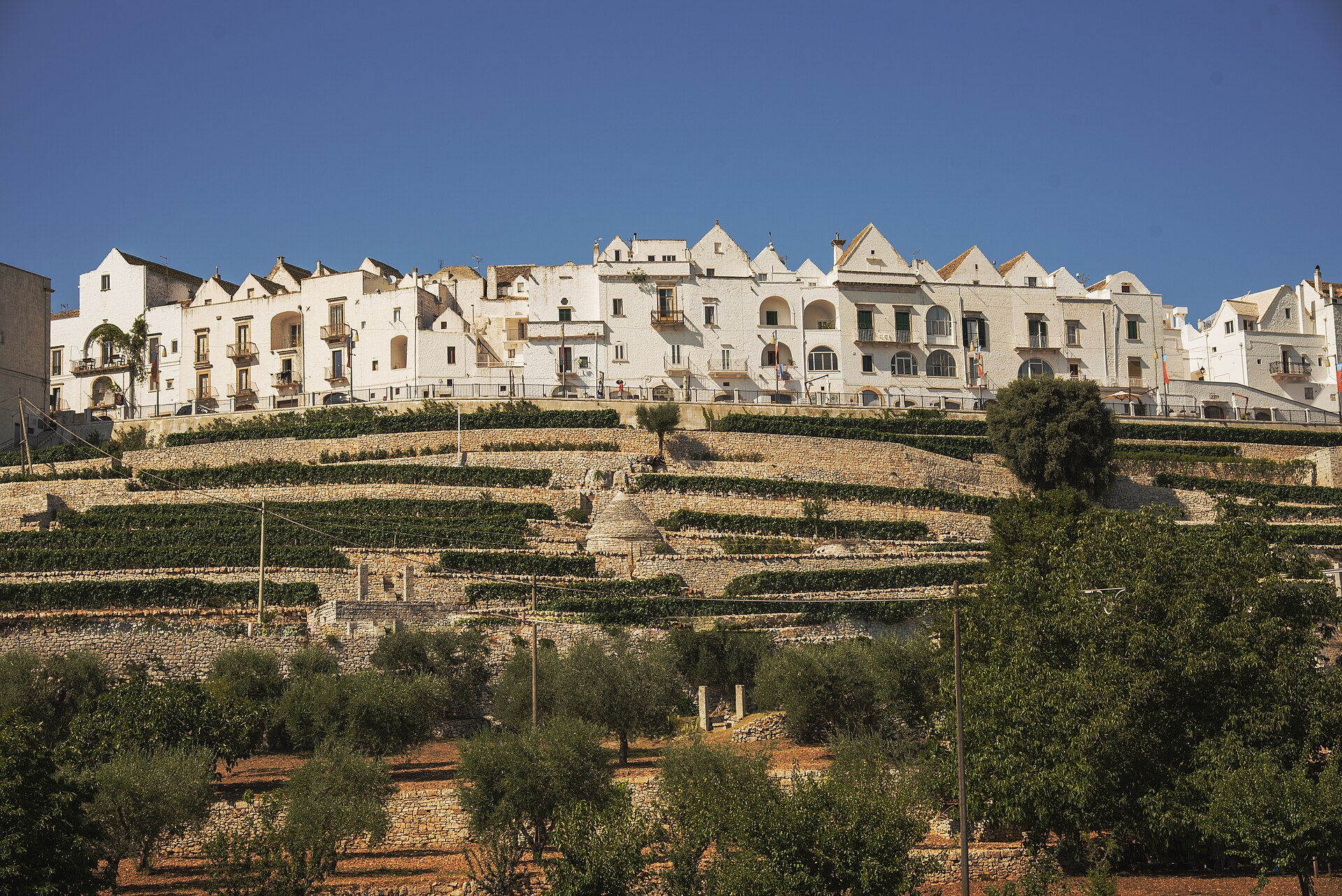
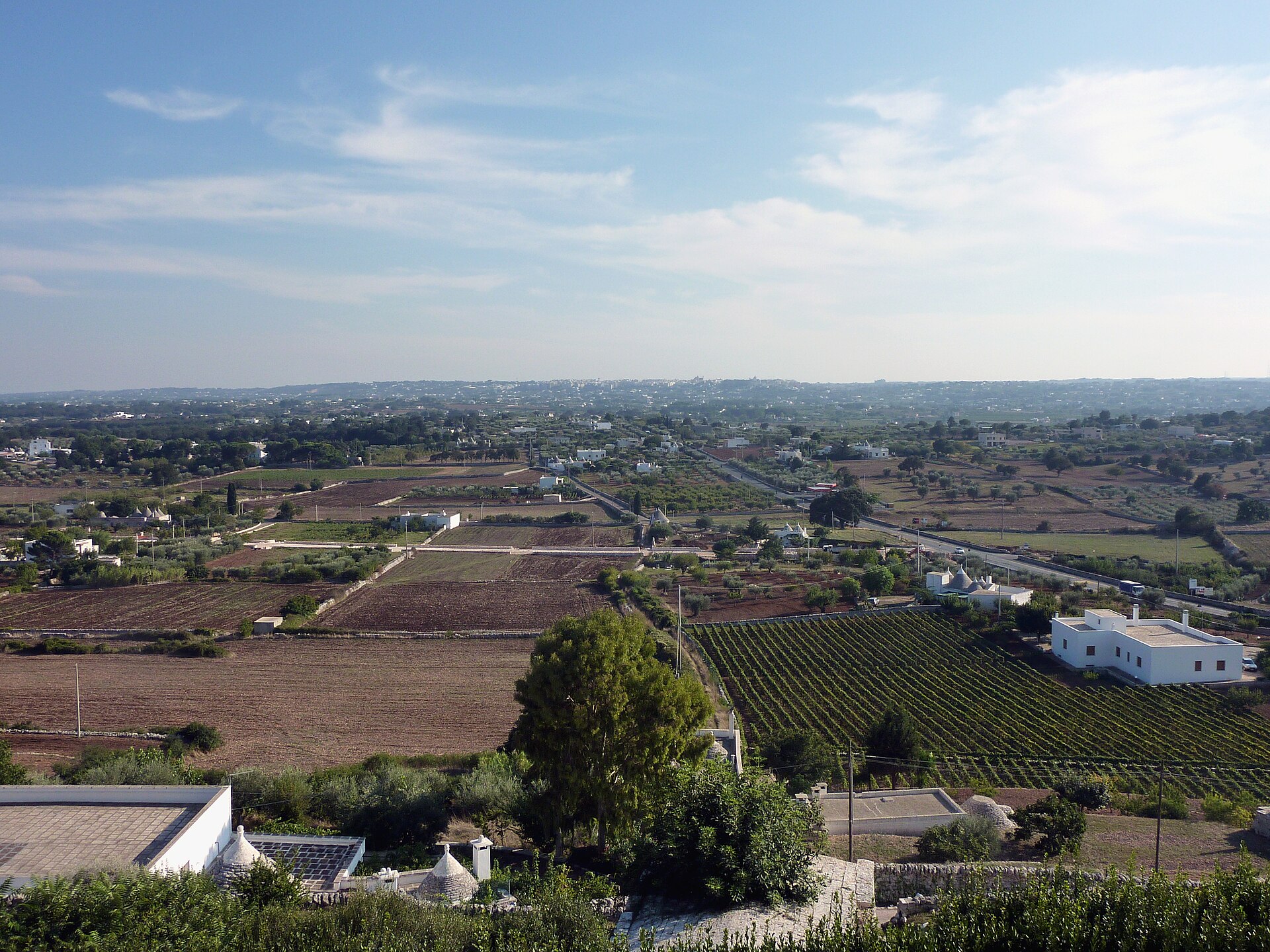
Some of the most beautiful stays in Valle d’Itria sit outside the towns: trulli, masserie, agriturismi and country properties among olive groves and vineyards. That distance can be exactly the point.
But atmosphere has a transport cost. A rural masseria may give you silence, a pool, breakfast among olive trees and the feeling of being inside the landscape. It can also mean that every dinner, aperitivo or spontaneous evening in Locorotondo or Cisternino begins with a decision about driving or arranging transport.
The mistake is not choosing the countryside. The mistake is wanting countryside isolation and town spontaneity at the same time without acknowledging the trade-off. OREVYON treats that trade-off as a Taste question, not a quality score.
Isolation is valuable when you intend to use it.
Am I choosing the countryside because I want to spend time there, or only because the property photographs well?
If you plan to leave the property every evening, remoteness can turn from atmosphere into recurring friction.
São Miguel · Know when one base stops working
Explore destination →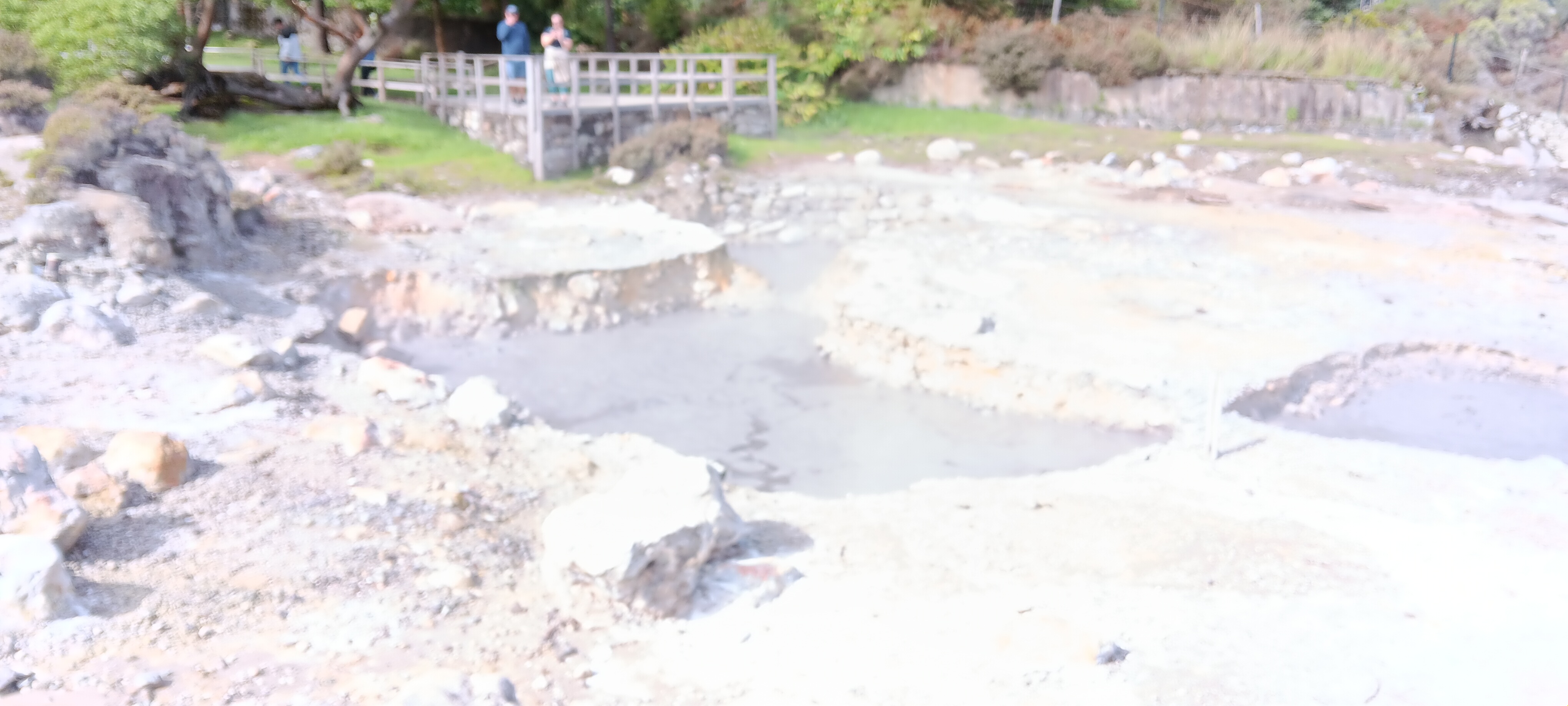
Changing hotels is friction too. Packing, checking out, moving luggage and checking in again should earn their place in the journey.
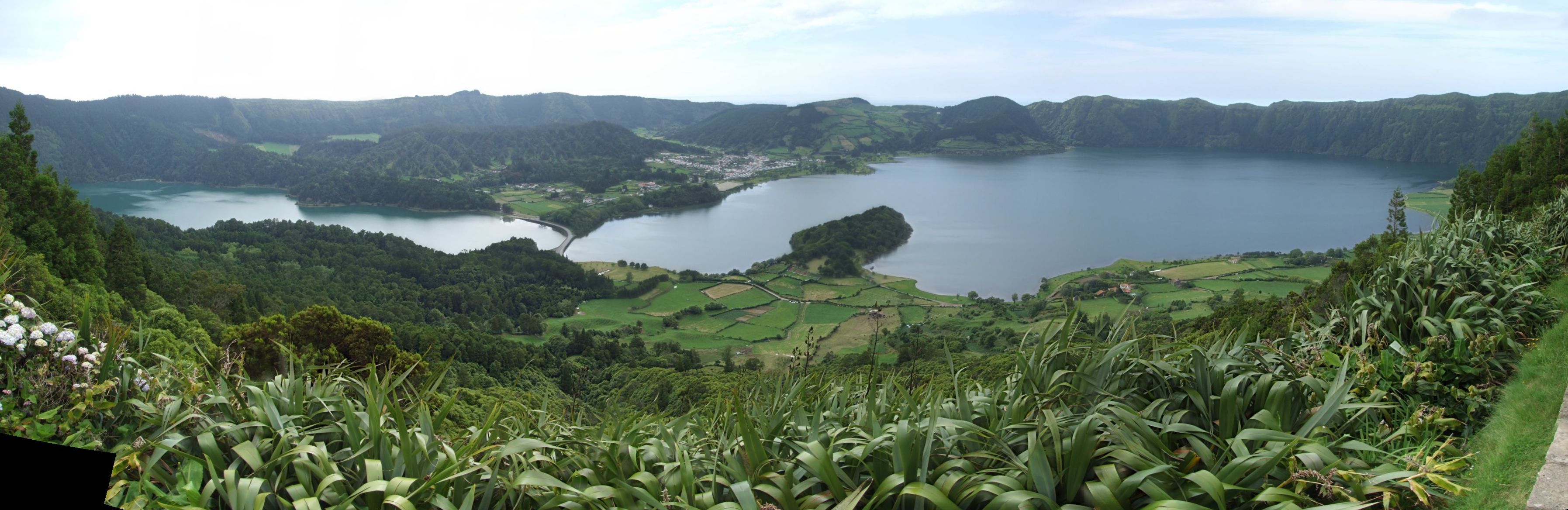
São Miguel shows when a split base can become meaningful. Ponta Delgada functions as the island’s main town and urban anchor, while Furnas creates a completely different rhythm around a volcanic valley, thermal water and slower evenings. Moving once can make sense when the second base does more than shorten a drive — when it gives the trip another mode.
But splitting a stay simply to save a small amount of driving often creates more disruption than it removes. OREVYON would only change base when repeated backtracking is substantial or when waking up and ending the day somewhere else materially changes the experience.
A second base should change the trip, not merely optimise a map.
Does moving remove repeated backtracking or unlock a genuinely different morning and evening?
Every hotel change has a hidden cost in packing, timing, luggage and mental reset.
How to choose your base
a neighbourhood base
evening atmosphere, restaurants and walking matter most.
a nature-edge base
mornings, landscape and direct outdoor access matter more than urban life.
a countryside base
isolation is part of the experience and you accept the transport trade-off.
a split stay
it removes repeated backtracking and each base creates a genuinely different rhythm.
one base
moving would save little but add packing, check-in and luggage friction.
The OREVYON read
The best base is not the hotel with the highest score, the prettiest pool or the shortest line to the city centre on a map.
It is the place that makes the trip behave the way you want it to behave.
When OREVYON recommends where to stay, the useful question is therefore not only ‘Which hotel fits my taste?’ It is ‘Which part of this destination should own my mornings, my returns and my evenings?’
Choose that first. Then choose the room.