There are places you visit despite winter. And there are places where winter quietly improves the trip.
Not because snow automatically makes somewhere beautiful, or because travelling off-season is always better. Winter can close trails, shorten days and make weather less forgiving. But sometimes the trade changes in your favour: a city becomes more local, food enters its proper season, fog improves the architecture, or a landscape becomes quieter.
These are six places where OREVYON would not treat winter as the compromise.
Copenhagen · When darkness becomes part of the design
Explore destination →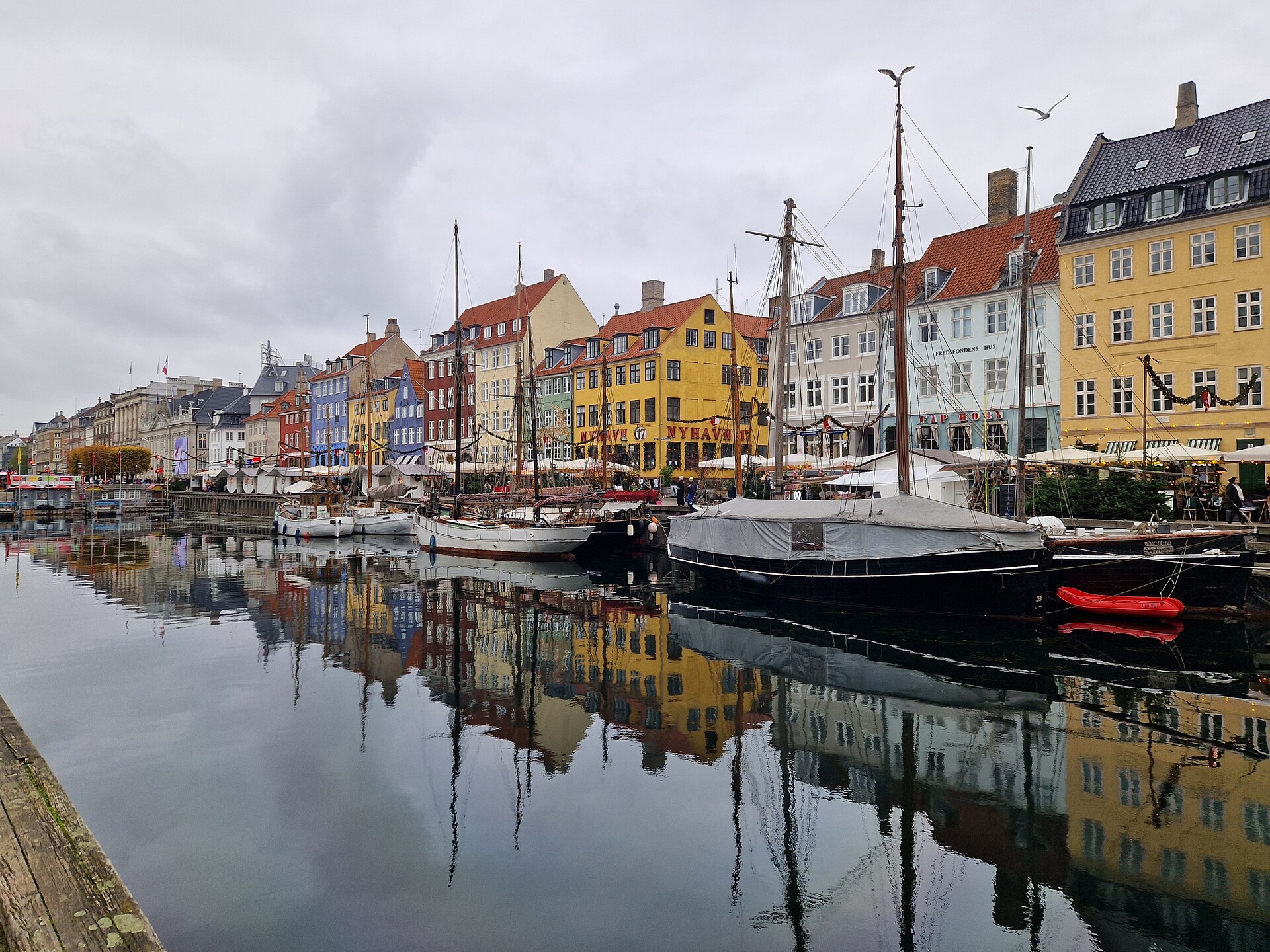
Copenhagen does not need perfect weather to function. Restaurants, museums and shops continue through winter, while the city's colder-season culture leans into cafés, museums, ice rinks, winter swimming and interiors that matter more once daylight becomes scarce.
That changes the way the city is experienced. A four-o'clock dusk makes lighting, neighbourhood restaurants and the distance between stops more important than they are in July. Visit Copenhagen even notes that winter visitors are more likely to run into locals than other tourists.
Best for travellers who value design, food and neighbourhood atmosphere more than long sightseeing days.
Interior life becomes part of the destination rather than shelter from it.
Short daylight and reduced frequency for some seasonal outdoor experiences.
Venice · When the city becomes more atmospheric than theatrical
Explore destination →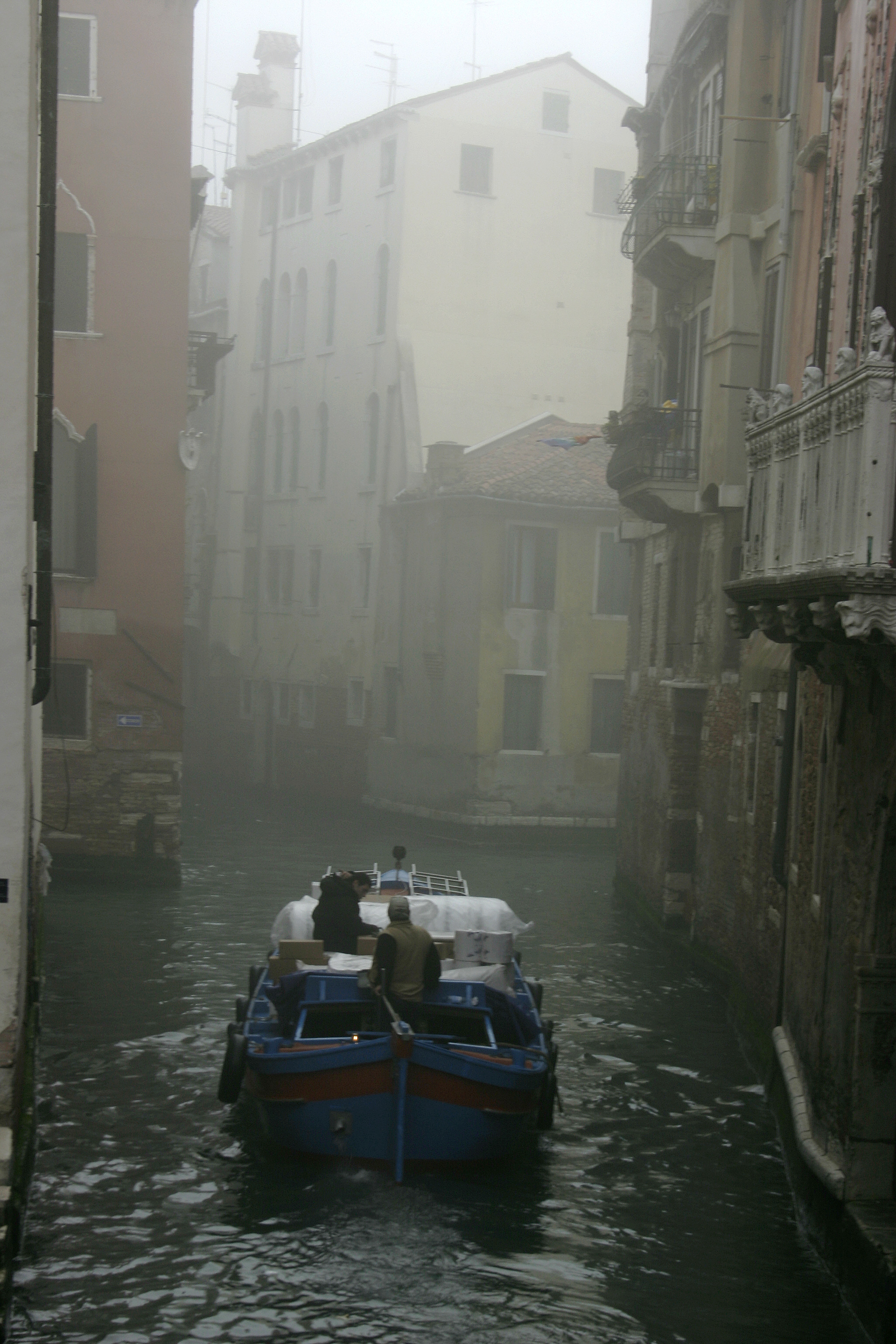
Winter gives Venice permission to become stranger. The official winter programme deliberately points beyond Piazza San Marco toward Cannaregio, Dorsoduro, Giudecca, Torcello and quieter corners of Santa Croce.
Fog, cold air and early darkness can make palaces, canals and small campi feel less like a stage set and more like a lived city. But winter should not be romanticised into predictability: acqua alta is especially relevant in autumn and winter, and high-water conditions remain real travel friction.
Choose winter for atmosphere, not for a promise of empty streets.
Mist, low light and quieter districts can reinforce the architecture instead of competing with it.
High water, cold damp weather and the very different crowd profile around Carnival.
San Sebastián · When the food calendar becomes the itinerary
Explore destination →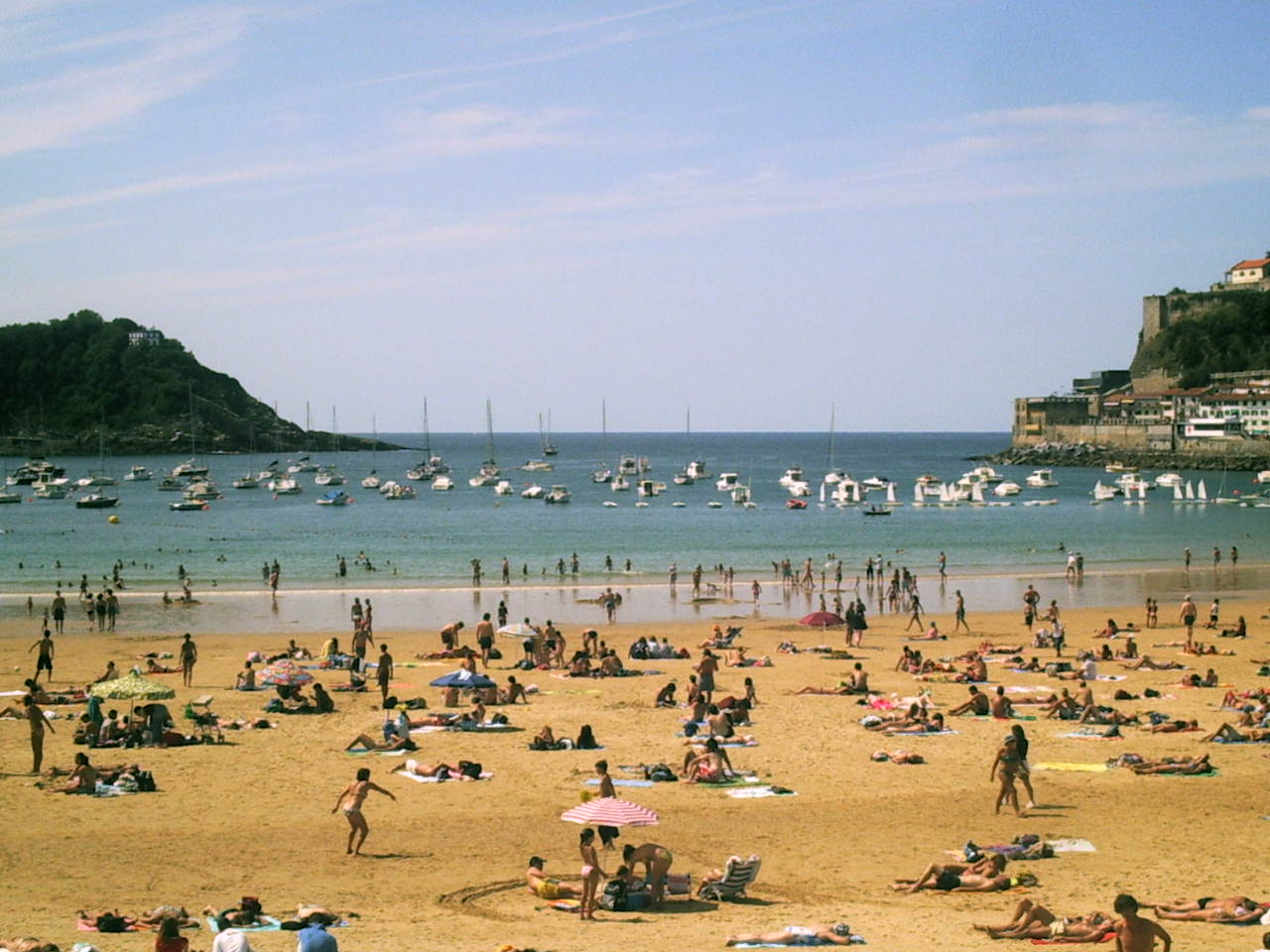
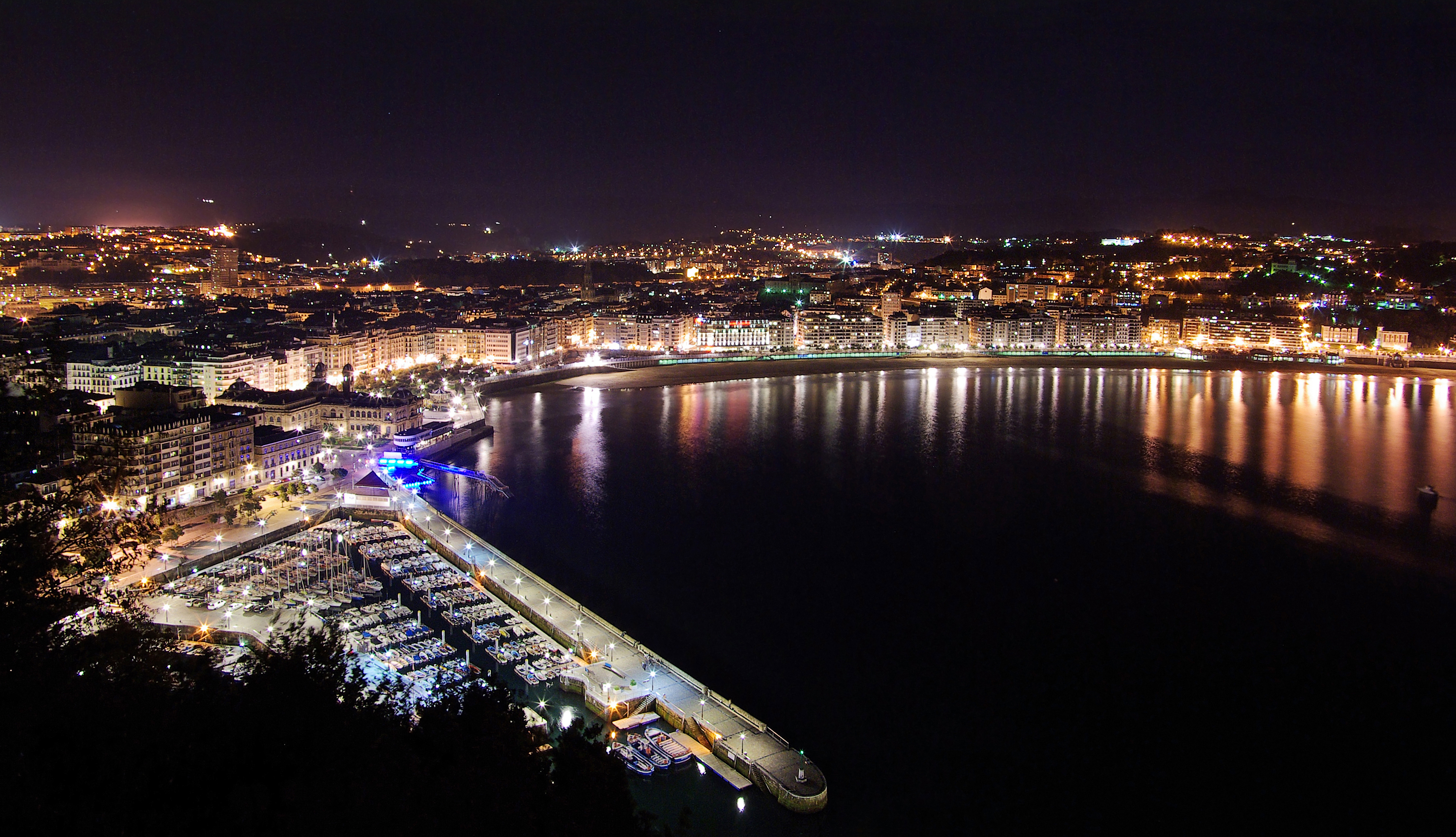
San Sebastián's winter advantage is not simply fewer beach days. It is that the food calendar becomes more specific. From roughly mid-January to late April, txotx season brings locals to cider houses around Gipuzkoa to taste the new season's cider directly from the barrels.
That changes the purpose of the trip. La Concha can become scenery rather than programme. Long lunches, pintxos and cider houses can take up more space without feeling like alternatives to the beach.
Strongest for food-led travellers who care more about ritual and local season than beach weather.
The destination becomes more gastronomically specific.
Coastal weather can be wet and changeable; plan the trip around food and city life, not guaranteed outdoor conditions.
Bergen · When the fjords lose some of their audience
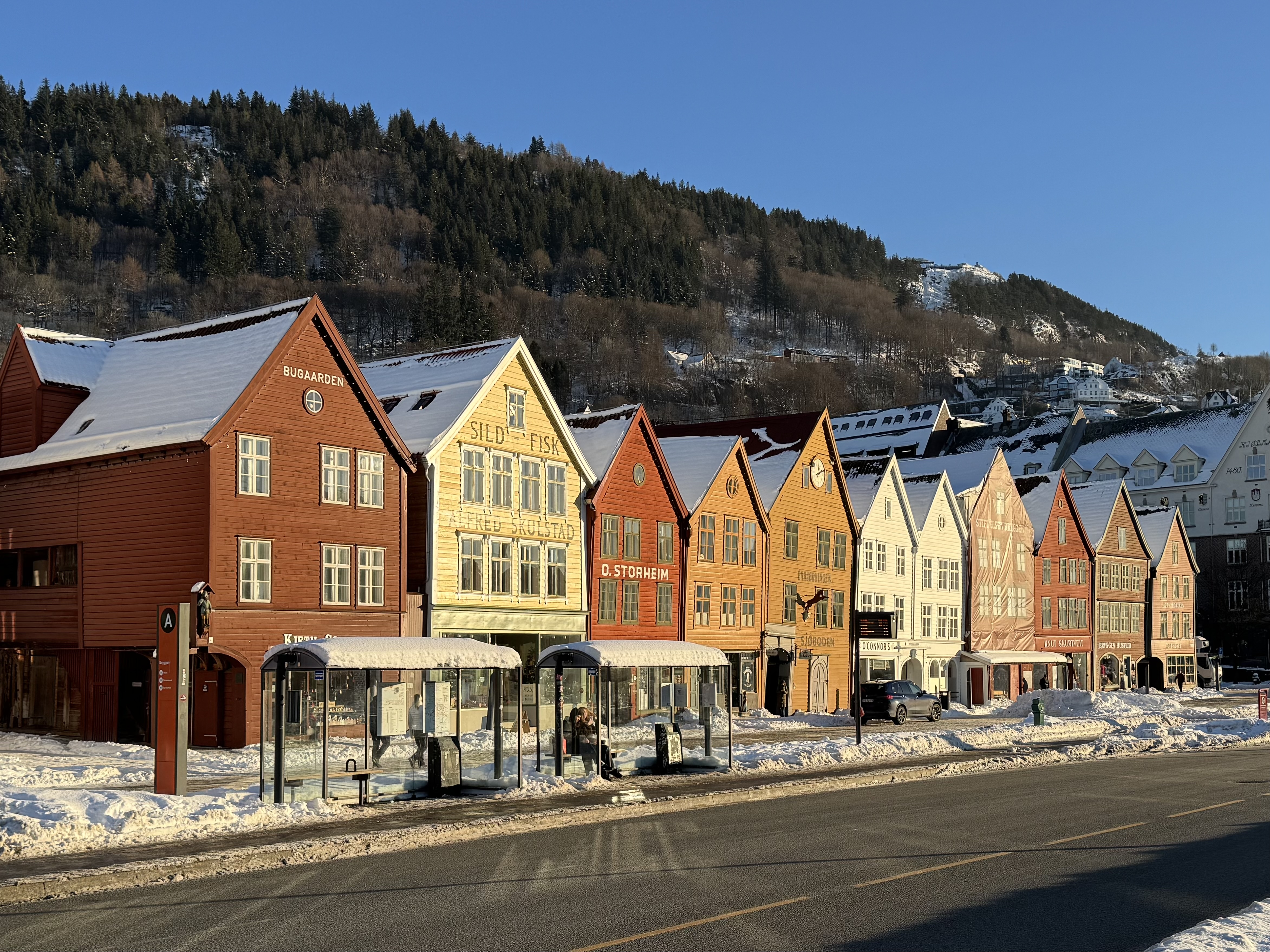
Bergen works in winter because it remains a functioning city while the landscapes around it become unmistakably seasonal. Visit Norway specifically points to Bryggen without the usual crowds, winter fjord journeys, a compact centre and strong public transport.
The combination matters: you can enter a real winter landscape during the day and return to museums, restaurants and urban life at night. The friction is weather. Bergen's winters are relatively mild for the latitude, but rain, snow and rapid changes remain part of the destination.
For travellers who want winter scenery without turning the whole trip into a ski holiday.
City depth and winter landscape remain available in the same Journey.
Build slack into transport and weather-sensitive days.
Tallinn · When the setting and season finally agree
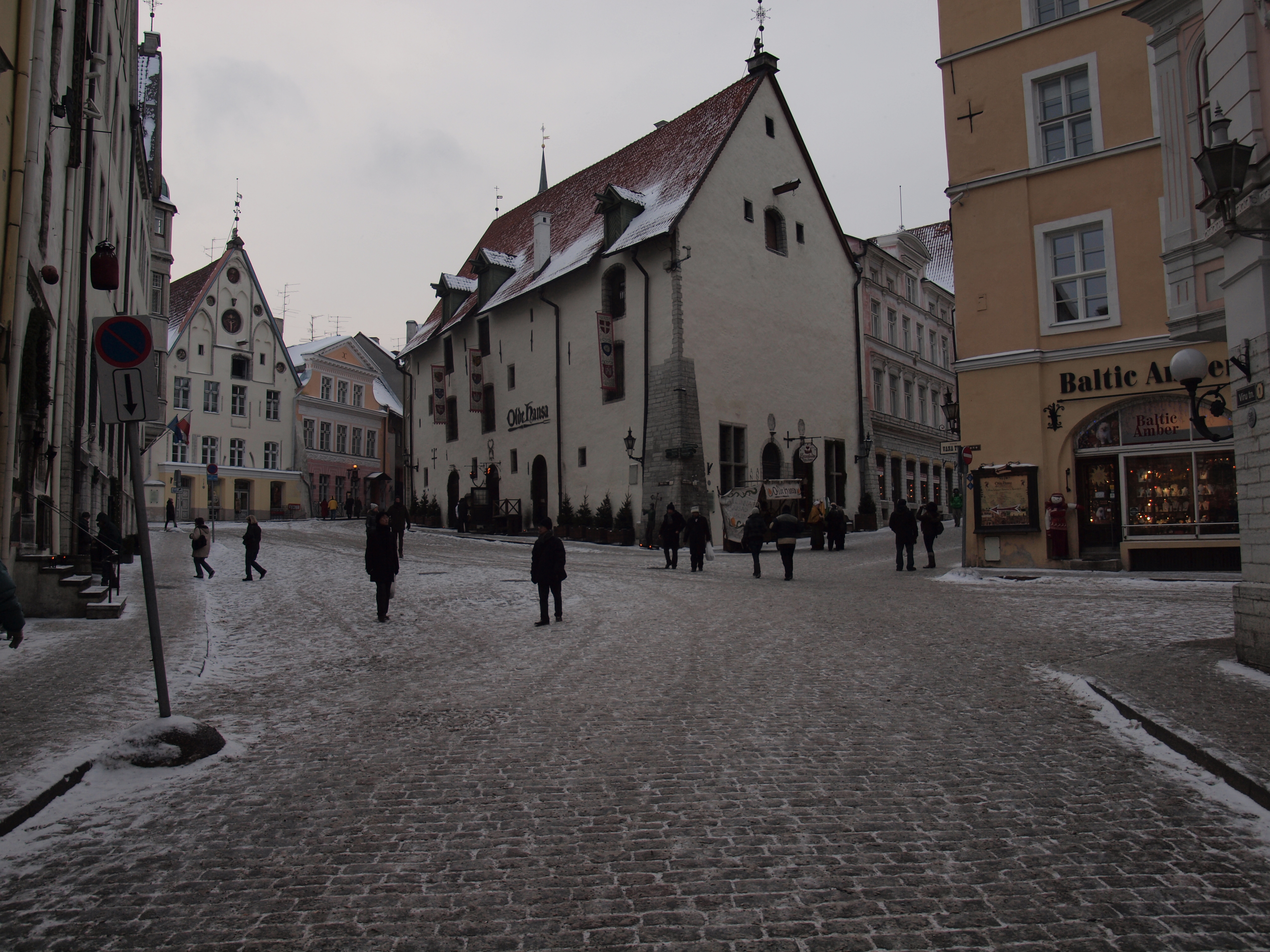
Tallinn's medieval Old Town works year-round, but winter makes the architecture and the season tell the same story. Early darkness, cold streets, warm cafés and the historic core reinforce one another.
December brings a much more festive version of that experience, so it is not automatically the quietest time. Travellers seeking the winter atmosphere without the strongest Christmas focus should compare late winter as well as December.
Best when you want to feel winter rather than escape it.
Architecture, light and season align unusually well.
Real cold, snow and short days are features of the trip, not decorative details.
Madeira · When winter does not need to look like winter
Explore destination →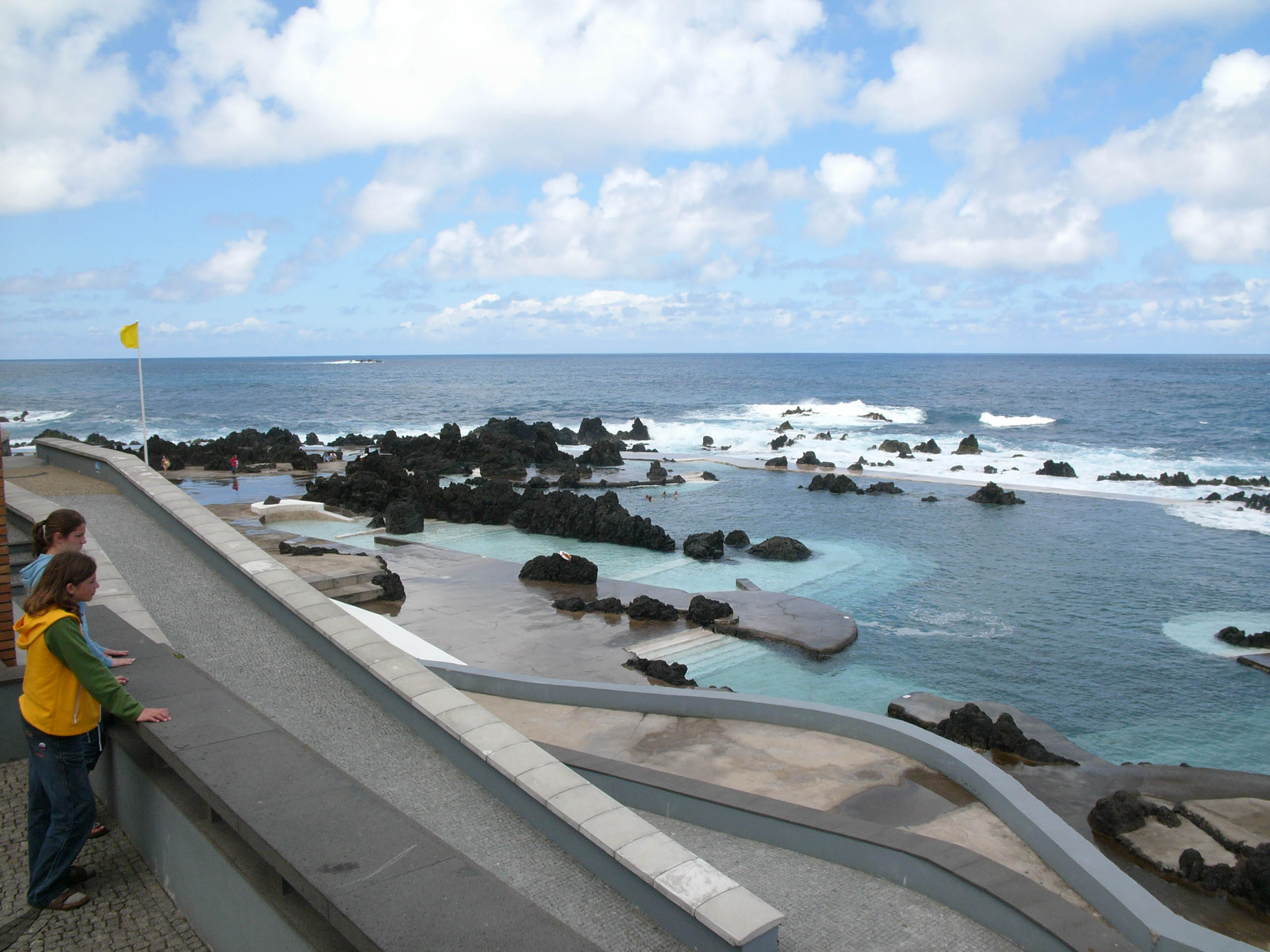
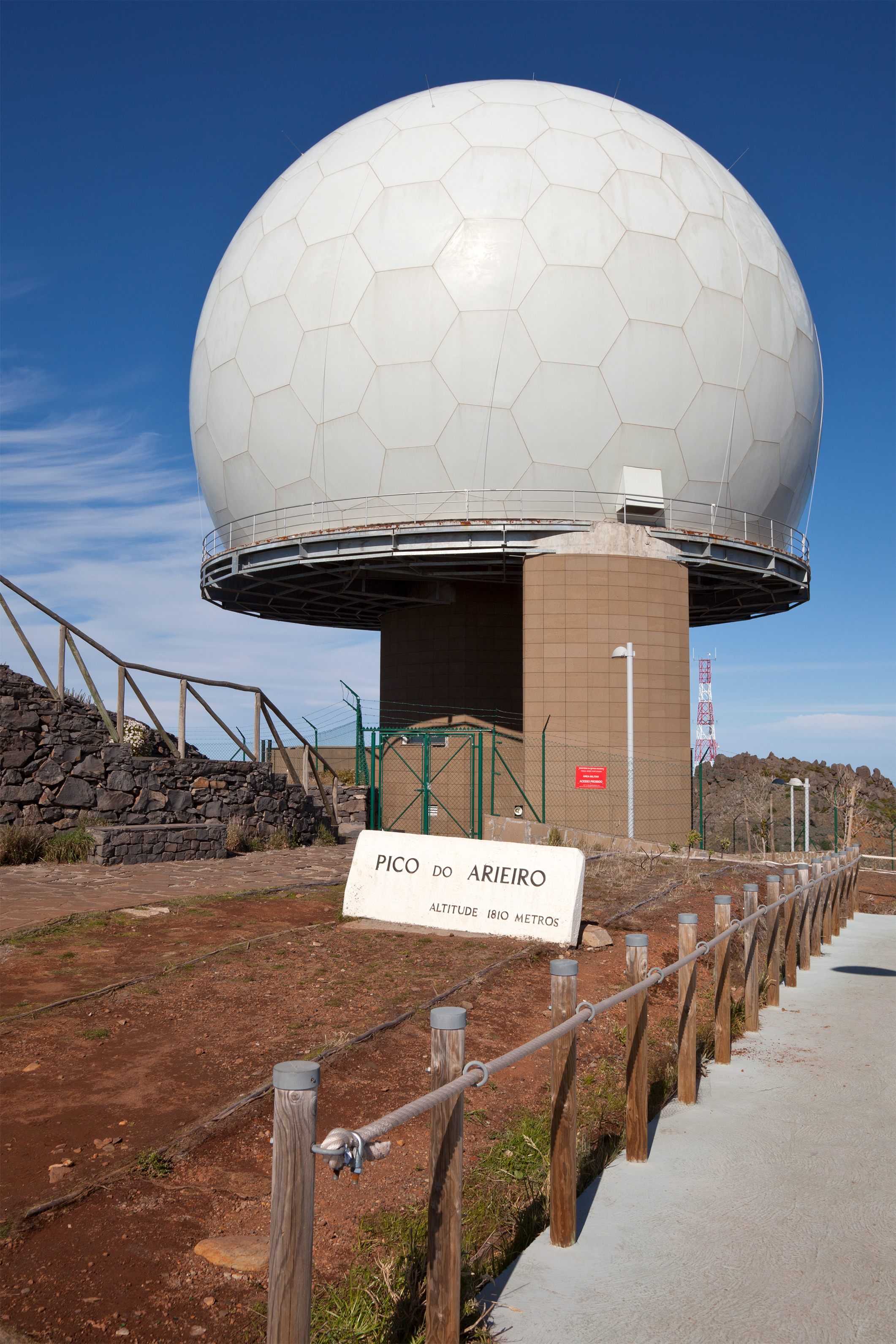
Madeira belongs here for the opposite reason. Winter does not make the island colder and more dramatic; it makes winter less dominant. The tourism board describes a mild year-round climate, with winter around 15°C and fewer crowds in autumn and winter.
That does not mean guaranteed sun. Madeira's microclimates are essential: mountains can be foggy, wetter and much cooler than the coast, and weather can temporarily close walking routes. The advantage is not summer in January. It is that winter still leaves enough of the island available to build a rich trip.
For travellers who want less winter without reducing the trip to a beach resort.
Nature, food, Funchal and walking can remain part of a deep stay.
Never infer mountain conditions from coastal weather; check trail status before hiking.
The OREVYON read
Winter does not automatically improve a destination. It removes certain things and amplifies others.
Copenhagen loses daylight but gains interiority. Venice exchanges predictability for atmosphere. San Sebastián moves deeper into its food season. Bergen combines a functioning city with winter landscape. Tallinn lets season and architecture align. Madeira offers a softer version of winter altogether.
Do not ask only: Is this destination good in winter? Ask: What becomes more important here when winter arrives — and is that the version of the place I actually want?
Sometimes travelling in the so-called wrong season is exactly how you find the right trip.