
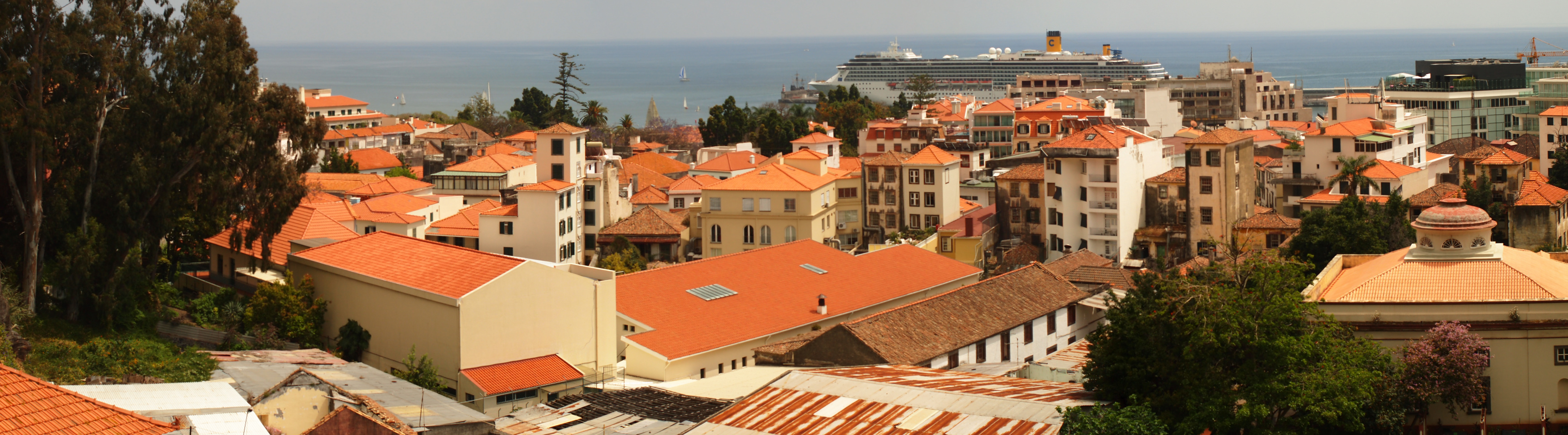
Madeira is an island of vertical contrasts. In one trip you can move from Funchal’s urban waterfront to high mountain ridges, ancient laurel forest, volcanic pools and green north-coast valleys — often within the same day.
That variety is the attraction, but also the planning risk. A good Madeira trip is not a race between miradouros. It is a carefully edited island stay where weather, altitude and walking conditions are allowed to shape the order.
Why Madeira works
Visit Madeira describes the island as a 741 km² Atlantic landscape of forests, towns, coast and mountains. That compactness creates unusual stay depth: very different environments are close enough to combine without changing hotels every night.
For OREVYON, Madeira is strongest when the trip has one practical urban anchor and several nature-led days. Funchal handles evenings and logistics, while the mountain massif, Laurisilva and north coast create the real contrasts.
Where to base yourself
- Funchal — strongest first base for restaurants, airport access, evenings and island-wide day trips.
- Ponta do Sol / Calheta — sunnier south-west rhythm with easier access to western walks and a more resort-like stay.
- São Vicente / north coast — greener, quieter and useful if the north and Laurisilva are central to the trip.
- Two-base trip — Funchal plus a quieter west or north base can work well for 7 nights when reducing backtracking matters.
Pico do Areeiro — Madeira at altitude
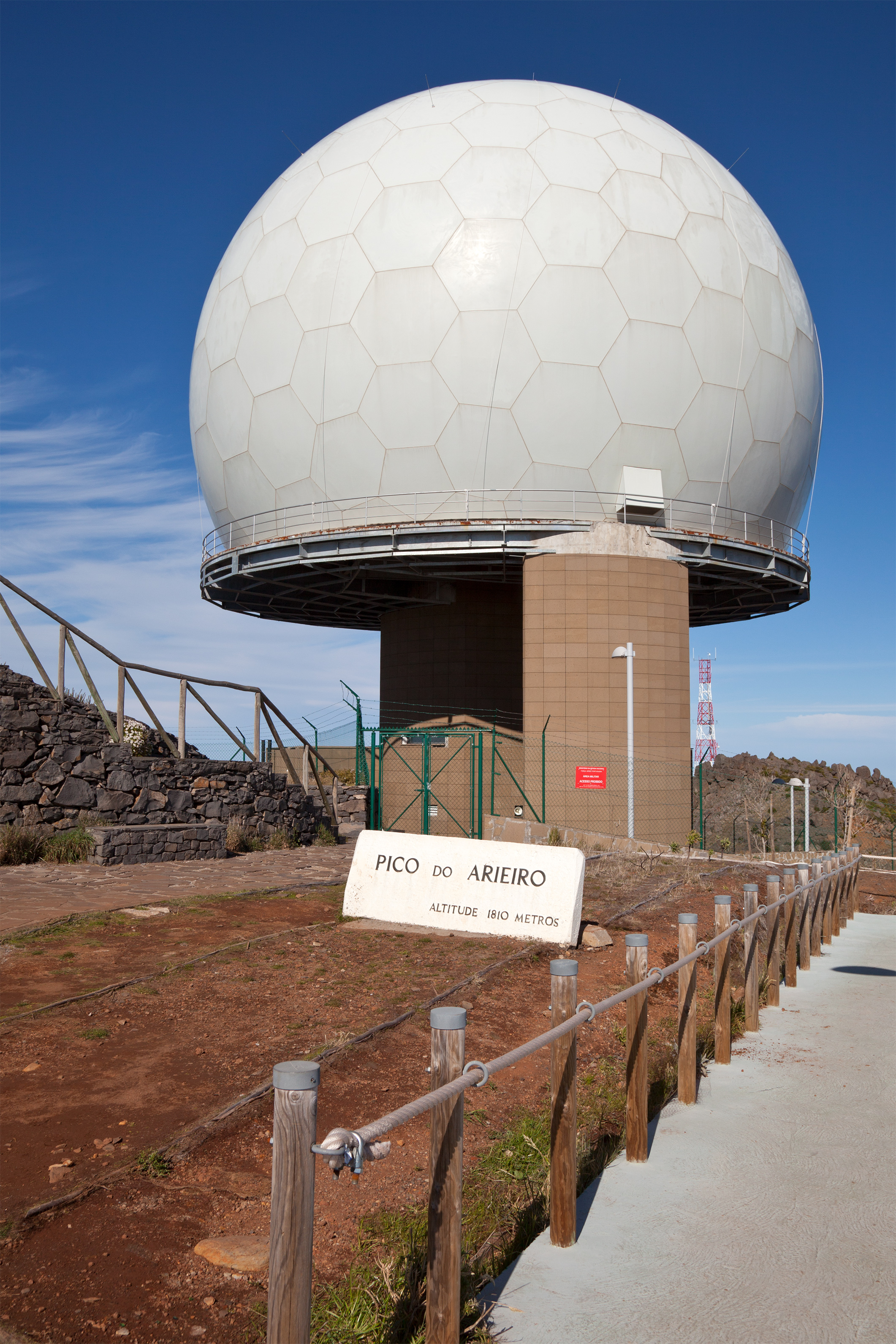
Pico do Areeiro sits at 1,818 metres and is Madeira’s third-highest point. Visit Madeira describes wide views across the central mountain massif and notes that, in clear conditions, you can see Ponta de São Lourenço, Curral das Freiras and Porto Santo.
The mountain layer is one of Madeira’s defining experiences, but it should be treated as live-condition travel. Cloud, wind and trail access can alter the day quickly. OREVYON should therefore build mountain days with alternatives instead of locking them to a rigid sequence weeks in advance.
dramatic landscapes, hikers, sunrise-oriented travellers and people who enjoy altitude.
protect a weather-flexible mountain window rather than forcing Pico do Areeiro into one exact day.
official trail and access information can change; verify conditions close to the Journey date.
Laurisilva & Fanal — the island’s ancient green layer
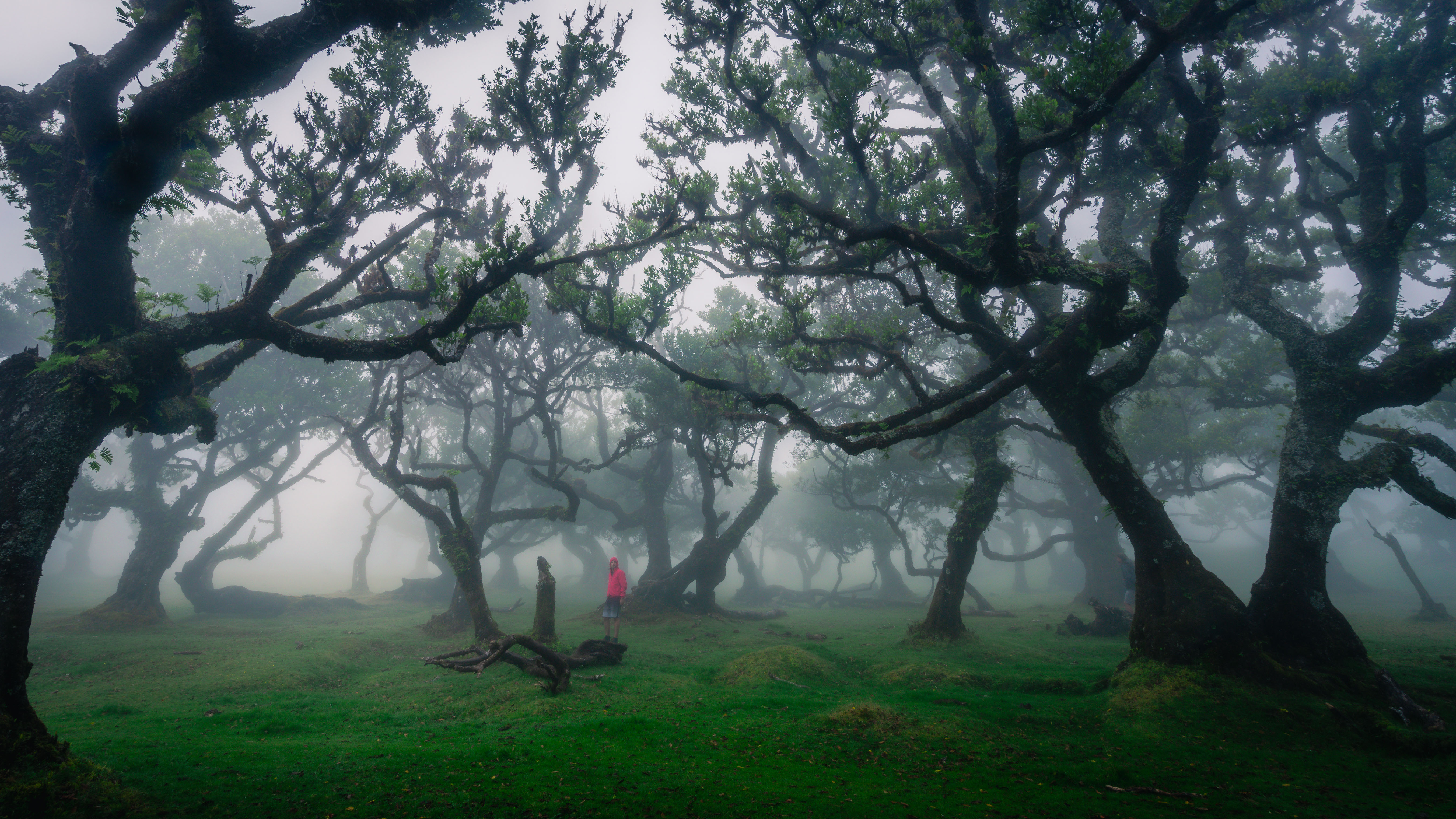
The Laurisilva is not simply another forest stop. UNESCO describes Madeira’s Laurisilva as the largest surviving area of primary laurel forest, with exceptional biodiversity and endemic species.
Visit Madeira presents Fanal as one of the emblematic places within this forest landscape. For OREVYON, the value is atmosphere: mist, old trees, walking and the feeling that the island has moved far away from the drier south coast.
forest walks, photography, slower nature days and travellers who enjoy changing weather.
combine Fanal with a west or north-coast day rather than treating it as an isolated photo stop.
fog is part of the place, but very poor visibility can change driving and walking conditions.
Porto Moniz & the north coast — volcanic coast instead of beach resort
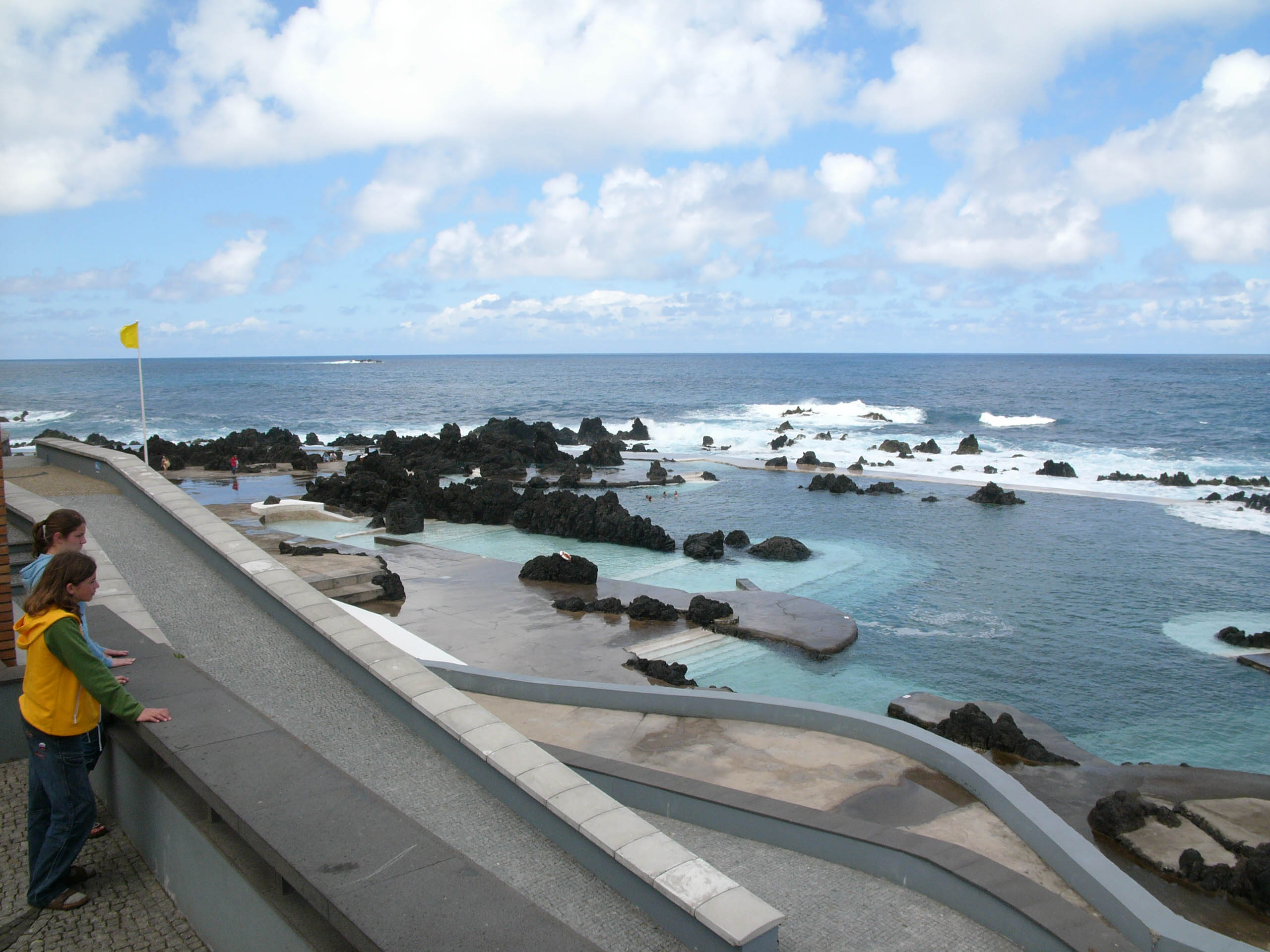
Porto Moniz gives Madeira a very different coastal layer. Visit Madeira describes the natural pools as volcanic formations created by cooled lava, with seawater continuously entering and renewing the pools.
The north coast works best as more than a single swimming stop. Green slopes, waterfalls, Laurisilva access and villages give the road itself travel value, which is why this side of the island deserves a slower day.
volcanic coast, scenic drives, natural pools and travellers who like landscapes more than conventional beaches.
make Porto Moniz part of a north-west loop with enough time for stops rather than a quick out-and-back from Funchal.
sea conditions and weather can change the value of a bathing stop; keep the wider north-coast day worthwhile even without swimming.
How many nights?
Six to eight nights is the strongest first-trip range. Five can work if the itinerary stays focused. A full week gives enough weather flexibility for mountain walking, one north-coast day, Laurisilva, Funchal and a slower south or east layer without forcing everything into consecutive long drives.
For seven or eight nights, OREVYON can consider two bases. For shorter trips, one well-chosen base is usually cleaner than adding hotel changes.
When Madeira works best
Madeira’s subtropical setting makes it a year-round destination, but the experience is highly localised by altitude and exposure. A sunny waterfront does not guarantee clear mountains. Planning should therefore focus less on a single island-wide forecast and more on keeping different types of days interchangeable.
Mobility & friction
A rental car gives the strongest island-wide flexibility, especially for the north, west and rural trailheads. Madeira’s roads are efficient but can be steep and winding, so the best itinerary minimises unnecessary crossings instead of treating compact geography as permission to drive everywhere.
Funchal itself does not require a car for every day. A premium plan can mix urban car-free time with selected self-drive days, reducing parking and driving friction while preserving island access.
Food & evenings
Funchal provides the strongest evening depth and restaurant choice, while smaller towns offer quieter meals and a more local rhythm. Madeira works well when dinner is not always tied to the same sightseeing zone — one or two slower evenings can balance demanding walking days.
The OREVYON read
Choose Madeira when you want an island where walking, mountains, forest and coast can all belong to the same week. It is particularly strong for active couples and travellers who want nature intensity without giving up a comfortable city base.
Look elsewhere if you need a flat, beach-first island, guaranteed mountain visibility or a completely car-free nature trip. Madeira rewards travellers who are comfortable with elevation, weather changes and flexible sequencing.