
Island size on a map says surprisingly little about how large the trip feels. Mountain roads, boats, weather, the number of viable bases and how often you cross the island can make a small island feel vast — or a large one beautifully contained.
The OREVYON lens
The useful unit is not square kilometres but friction per day. An island feels large when the best places require repeated long crossings, weather-sensitive routes or very different bases. It feels contained when one base and a simple movement pattern unlock most of what matters.
Milos
Explore destination →
Milos looks manageable but becomes larger when famous beaches, villages and boat access pull in different directions. Independent transport makes it feel smaller; a narrow car-free plan makes the same island feel more fragmented.
Menorca
Explore destination →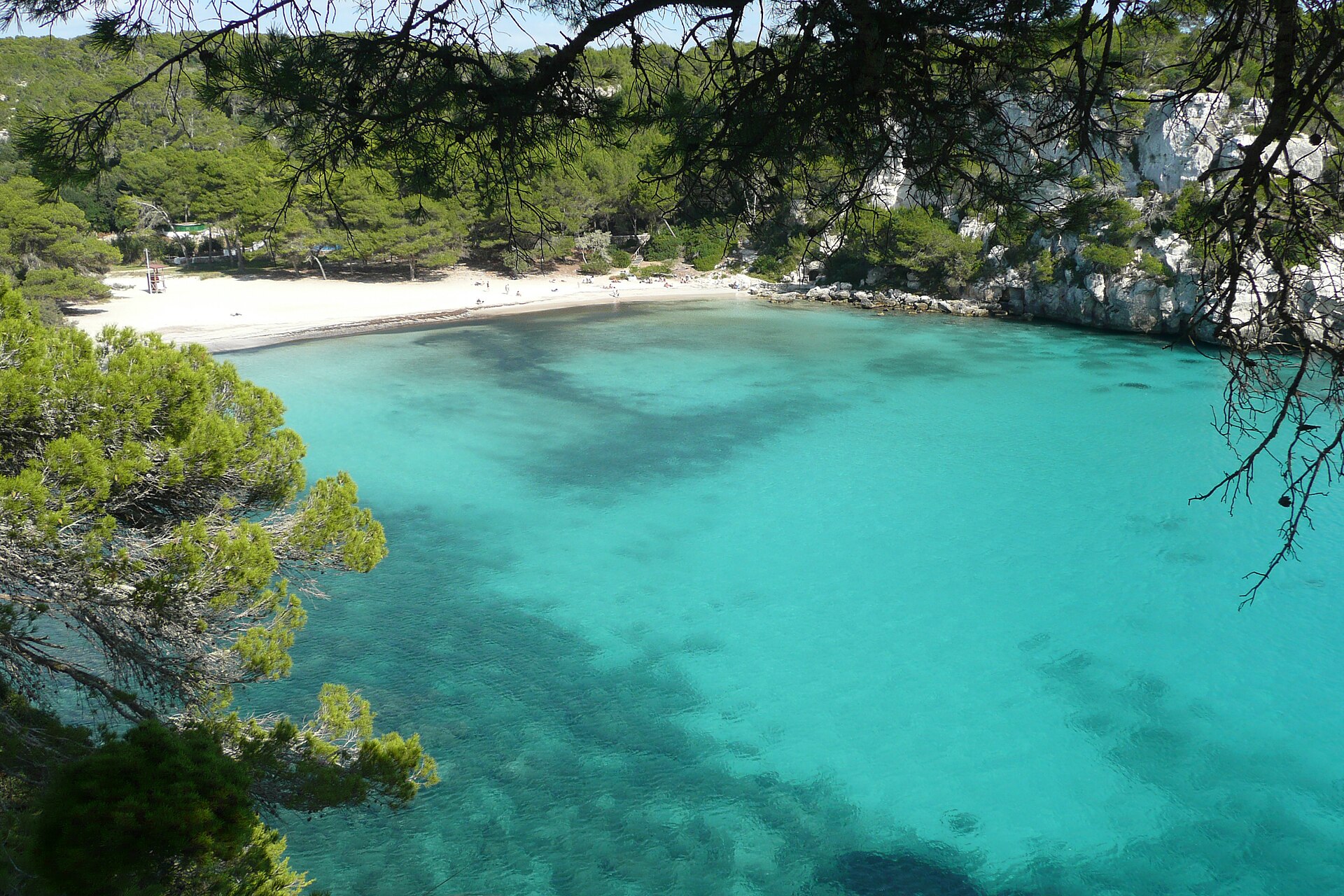
Menorca can feel beautifully contained when one side of the island becomes home and the itinerary resists constant coast-to-coast movement. It feels much larger when every day chases a different beach at the opposite end.
Madeira
Explore destination →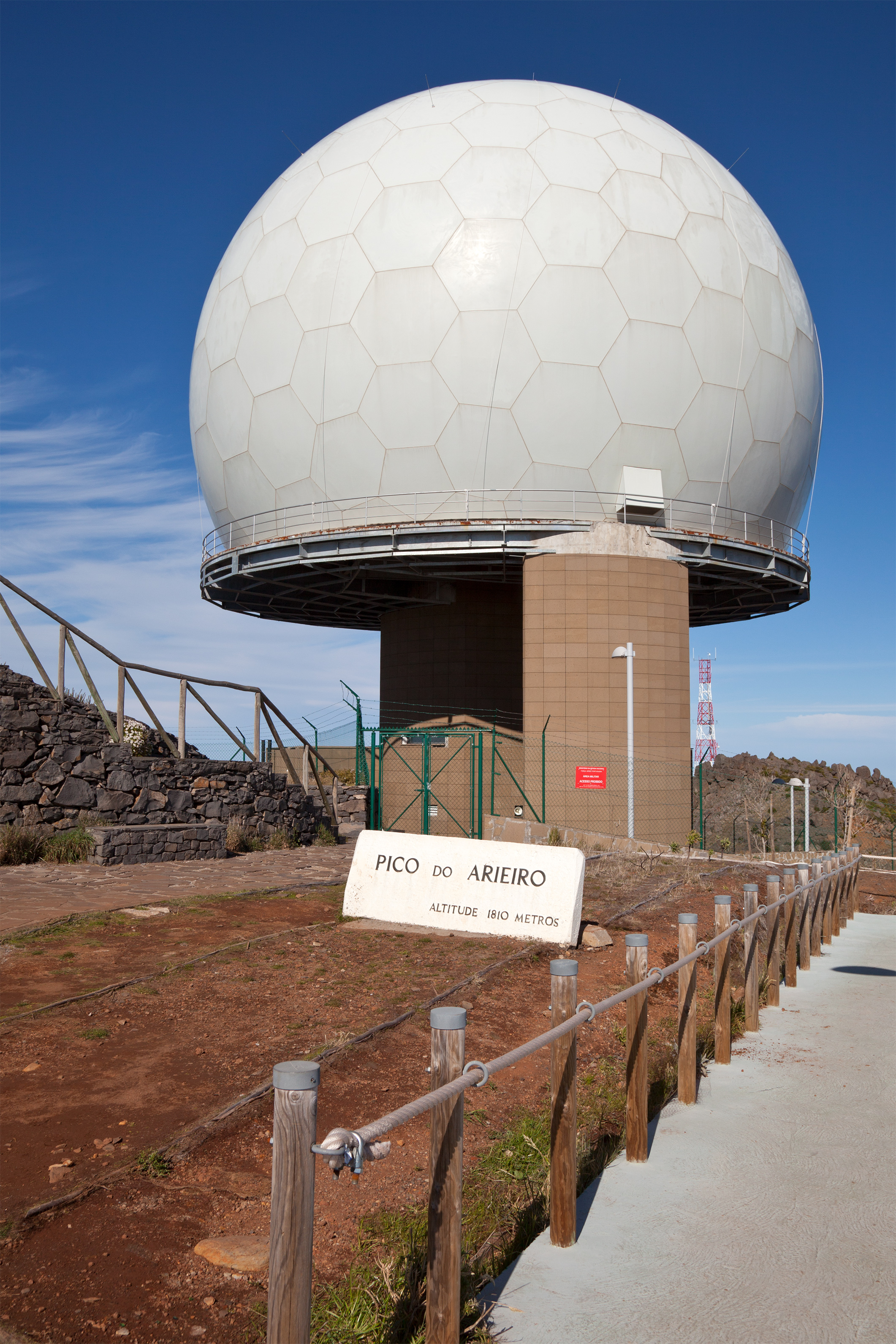
Madeira feels large because vertical distance matters more than horizontal distance. Mountain roads, altitude and microclimates mean a short line on the map can represent a very different day in practice.
São Miguel
Explore destination →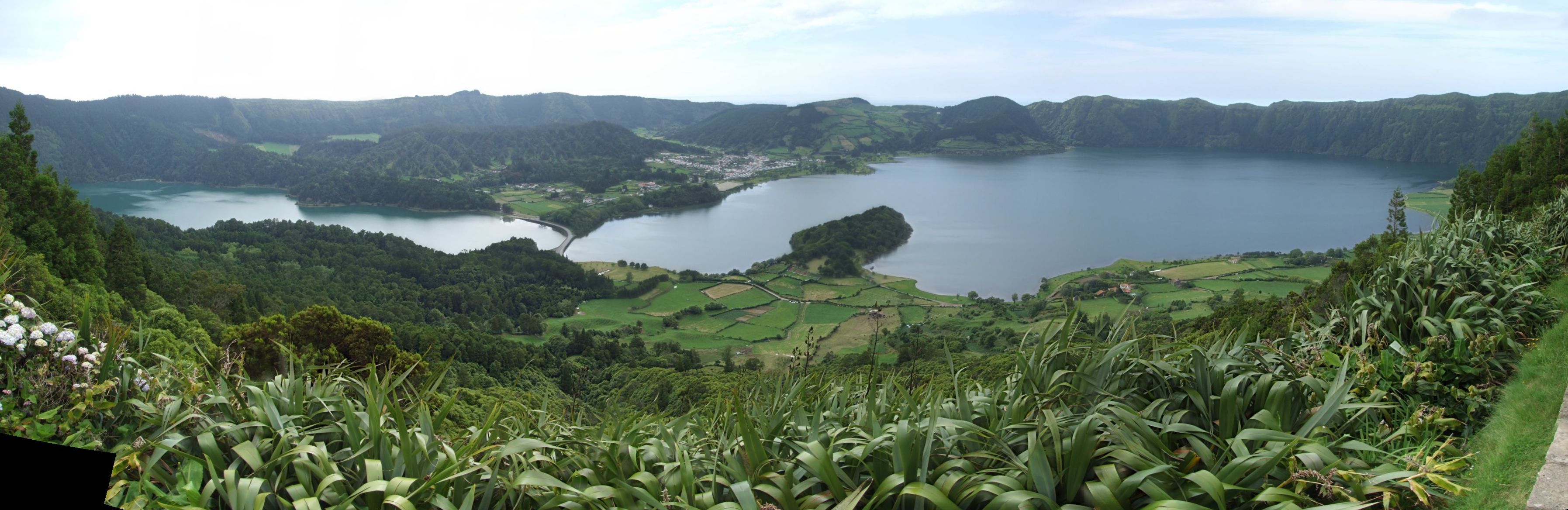
São Miguel has enough scale to feel like a real journey, yet a strong base can keep it coherent. The island feels smaller when days are built by region and weather rather than by zigzagging between every headline landscape.
How to use this
Estimate island size in hours, not kilometres. Ask OREVYON how many repeated cross-island movements your plan creates and whether a different base or day order can make the Journey feel more contained.